Booking a Bear Bait Hunt With Hounds Optional
The allure of a Maine black bear hunt is undeniable, but for many, the planning and booking process can feel like navigating a dense cedar swamp without a compass. Deciding on a method, finding the right outfitter, and understanding the nuances of baiting versus hunting with hounds can be daunting. This comprehensive guide aims to cut through that confusion, giving you the insights you need to confidently book a guided bear hunt in the Pine Tree State, whether you prefer the quiet anticipation of a bait stand or the adrenaline-fueled chase with a dog pack.
Understanding Maine's Bear Hunting Methods and Seasons
Maine offers a unique blend of bear hunting opportunities, primarily through baiting and hunting with hounds. Each method provides a distinct experience, drawing hunters with different preferences and expectations. Understanding the core aspects of each, as well as the regulatory framework, is crucial before you even start looking at outfitters. Maine's proactive management strategies have ensured a healthy and robust Black Bears in Maine population, providing excellent opportunities for hunters.
The Appeal of Bait Hunting
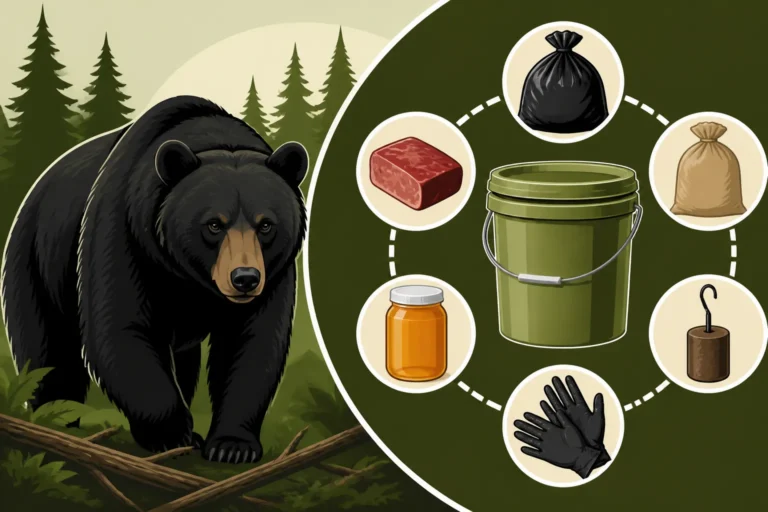
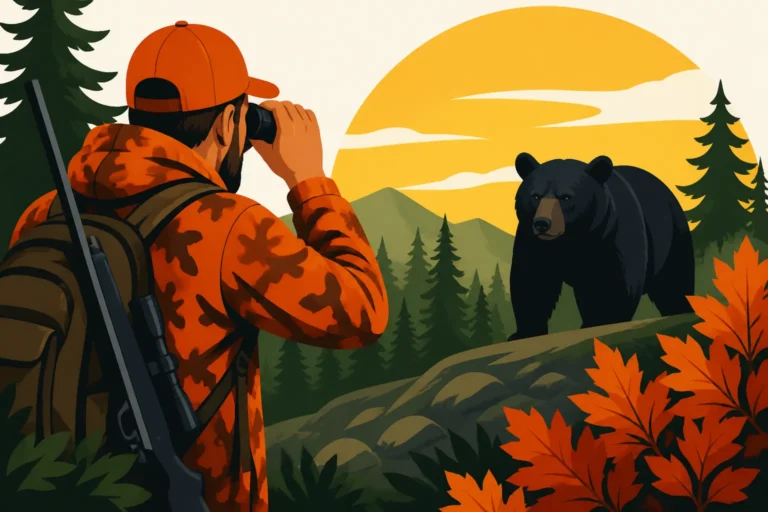
Bait hunting is arguably the most common and often chosen method for bear hunting in Maine. It involves setting up a stand or blind near a pre-established bait site, waiting for a bear to visit. The appeal here is multi-faceted. First, it offers a relatively controlled environment, allowing hunters to study the bear's behavior, judge its size, and ensure a clean, ethical shot. The anticipation of a bear appearing at the bait, sometimes after hours of quiet waiting, creates a unique tension that many find incredibly rewarding. It’s a game of patience and observation, often allowing for close-range encounters that can be electrifying. Most outfitters offering bait hunts have dozens of established sites, constantly monitored by trail cameras, ensuring that when you arrive, you're sitting over an active bait.
Many hunters appreciate the less physically demanding nature of bait hunting compared to hound hunting. It's an excellent option for those who might not be able to traverse rugged terrain all day, or for younger hunters and those with physical limitations. It also provides a great opportunity to immerse yourself in the deep woods, listening to the forest sounds and truly feeling like a part of the wilderness. Your guide will typically drop you off before prime evening activity and pick you up after dark, minimizing your impact on the woods and maximizing your chances. This method allows for careful shot placement, which is a major factor in ethical hunting. To delve deeper into the specific regulations, you might want to read about Baiting Black Bears Legally in Maine.
The Thrill of Hound Hunting
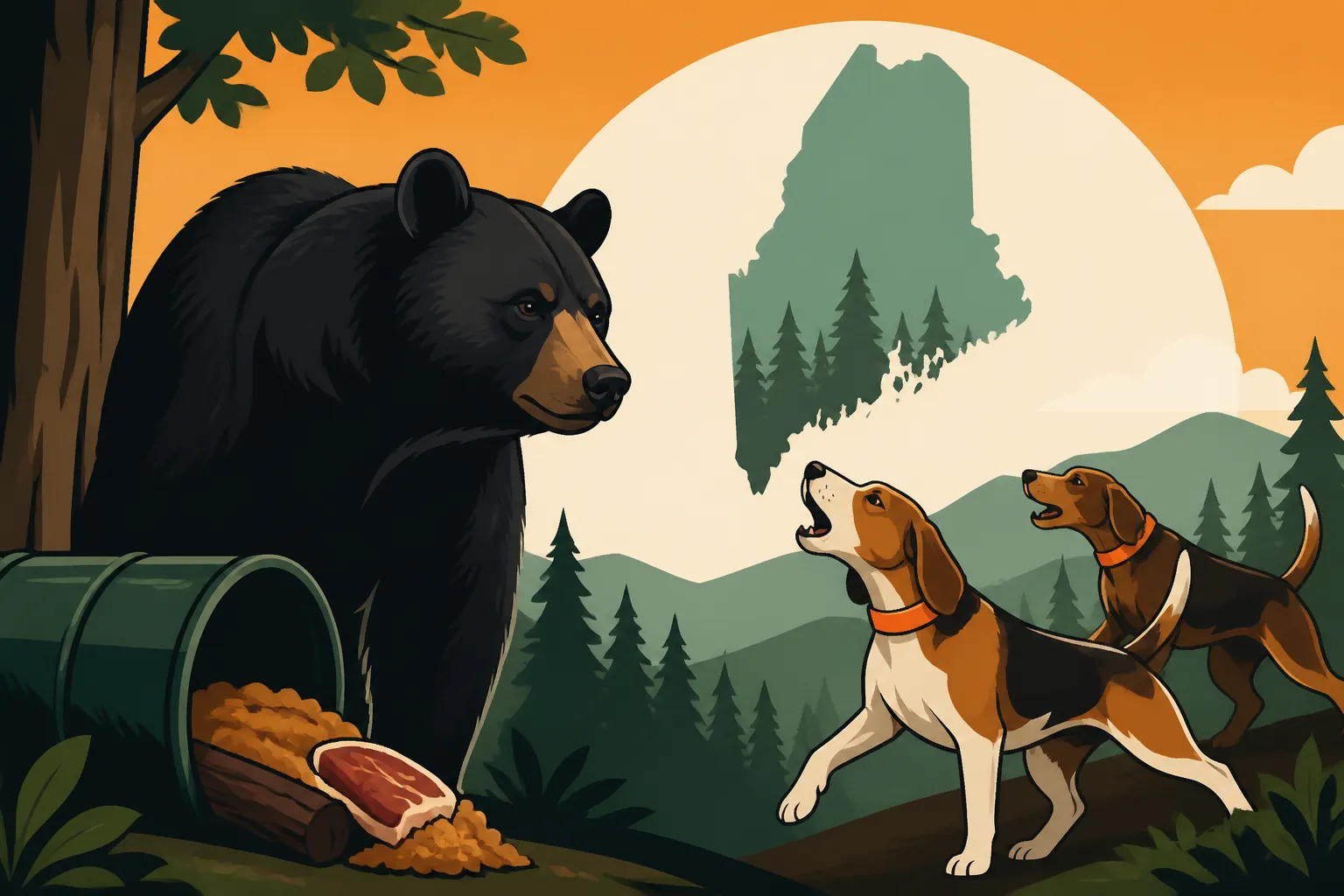
Hunting bear with hounds is an entirely different beast – a dynamic, high-energy pursuit that requires significant physical exertion and a deep appreciation for working dogs. This method involves releasing trained bear hounds on a fresh track, allowing them to pursue the bear until it trees or bays. The hunter then follows the dogs, often over challenging terrain, to get a shot. The excitement comes from the chase itself, the baying of the hounds, and the intense, often close-quarters encounter with a treed bear. It's a primal experience, connecting hunters to an age-old tradition and the incredible instincts of well-trained dogs.
This method is perfect for the adventurous hunter seeking a more active and adrenaline-fueled experience. It requires stamina, the ability to move quickly and quietly through thick cover, and a willingness to be guided by the dogs and the dog handler. The camaraderie between the guide, the hounds, and the hunter is a significant part of the experience, as everyone works together towards a common goal. It's not just about the harvest; it's about the entire journey of the chase. You'll hear the hounds "open up" on a track, the intensity of their barks increasing as they get closer, building to a crescendo when they have the bear cornered. If this sounds like your kind of adventure, exploring Hunting Bear With Hounds in Maine can give you a better idea of what to expect.
Season Overlap and Regulations
Maine's bear seasons are structured to allow for both bait and hound hunting, with some overlap, but generally distinct periods. Understanding these timelines is critical when planning your trip. The bait season typically runs from late August through late September. This period capitalizes on bears actively feeding before denning, making them more predictable at bait sites. The hound season generally picks up right after the bait season closes, running through October. Some outfitters might offer hybrid hunts where hounds are used to locate a bear, which is then baited, or where a bear at bait is pursued by hounds if not taken from the stand.
It's important to note that while many outfitters offer options, they specialize. A top-notch bait outfitter might not have a kennel of champion hounds, and vice-versa. Always clarify which method you are signing up for, and if you want the flexibility to switch, discuss this upfront with your chosen guide. Maine's bear population is managed through careful regulation, and understanding the specific dates for each method is key to a successful hunt. For detailed seasonal information, I highly recommend checking When Maine's Bear Bait Season Closes and When Maine's Bear Hound Season Closes to align your trip perfectly.
Deciding Between a Bait Hunt and a Hound Hunt
This is often the first major decision a prospective bear hunter faces. Both methods are effective, but they cater to very different hunting styles and expectations. There's no "better" method, only the one that aligns best with your personal hunting philosophy, physical capabilities, and desired experience.
Pros and Cons of Bear Baiting
Bait hunting offers several distinct advantages. As mentioned, it's generally less physically demanding, making it accessible to a broader range of hunters. It allows for more controlled shot opportunities, as bears often become accustomed to visiting bait sites at specific times, offering the hunter time to prepare. You'll likely have a chance to assess the bear's size and sex more clearly before taking a shot. Furthermore, bait hunts often involve fixed stand locations, meaning you can bring more gear, like comfortable seats, scent control devices, and quality optics for patient observation. This methodical approach appeals to hunters who enjoy strategic waiting.
However, baiting also has its downsides. Success can sometimes depend on the individual bear's schedule and how often it visits the bait. There can be long periods of waiting with no activity, which can be challenging for those with shorter attention spans. Also, the hunt is largely static; you are waiting for the bear to come to you, which some hunters find less engaging than an active pursuit. Weather conditions can also impact bear movement to baits. Cold fronts or heavy rain might keep bears from feeding, adding another variable. Lastly, while ethical, some hunters feel less "sporting" about baiting, though its effectiveness in managing bear populations and providing high-quality meat and hide is well-established.
Pros and Cons of Hunting with Hounds
Hound hunting is a high-octane experience. The adrenaline rush of the chase, the thrill of listening to the hounds work, and the physical challenge of keeping up are unparalleled. It's a truly immersive hunt, where you are actively pursuing your quarry through the wilderness. The success rate for hound hunting can be quite high, as skilled dogs are excellent at tracking and baying bears, even in dense cover. It’s also a deeply social hunt, often involving a team of guides, dog handlers, and other hunters.
On the flip side, hound hunting is incredibly demanding physically. You need to be prepared for long walks, sometimes at a brisk pace, over uneven, steep, and brushy terrain. This isn't a hunt for the faint of heart or those not in good physical condition. The weather can also play a huge role; wet conditions make tracking easier for dogs but tougher for hunters, while dry conditions can make tracks difficult for hounds to pick up. There's also less control over the shot opportunity, as a treed bear might be in thick cover, requiring careful maneuvering. Finally, the success of the hunt is heavily reliant on the dogs and the handler's skill, which means choosing a reputable outfitter with experienced hounds is paramount.
Hybrid Approaches and Flexibility
Some Maine outfitters, particularly those with a strong focus on bear, might offer a degree of flexibility or even a hybrid approach. This could mean starting with a bait hunt, and if a suitable bear doesn't show, transitioning to a hound hunt (if dogs are available and the season allows). Or, it might involve using hounds to locate a bear and then setting up a quick stand or ambush.
When discussing your trip with potential outfitters, always ask about these options. Can you book a bait hunt but have the option to go with the hounds for an extra fee if conditions are right or if the bait isn't producing? Some outfits are truly dedicated to one method, while others have the infrastructure and guides for both. For example, a hunt found on BookYourHunt might specify "Bait Only" or "Hound Hunt," but it's always worth a conversation if you're looking for that unique flexibility. Having a guide who is adaptable to changing conditions or hunter preferences can make all the difference, but be prepared for the fact that a true hybrid offering is often more expensive due to the resources involved.
| Feature | Bear Bait Hunting | Bear Hound Hunting |
|---|---|---|
| Physical Demand | Low to Moderate (walking to stand) | High (long walks, rugged terrain, fast pace) |
| Adrenaline Level | High (anticipation of bear arrival) | Very High (dynamic chase, dog work) |
| Shot Opportunity | Controlled, often close range, ample time | Often quick, potentially thick cover, less time |
| Success Factors | Consistent baiting, bear patterns, patience | Skilled dogs, experienced handler, hunter stamina |
| Interaction | Solitary in stand, guide interaction | Team-based pursuit, close work with guide/dogs |
| Best For | Patient hunters, all fitness levels, close shots | Adventurous hunters, good fitness, active pursuit |
| Season | Late August – late September | September – October |
What to Look for in a Maine Bear Hunting Outfitter
Choosing the right outfitter is arguably the most critical step in booking your Maine bear hunt. A great outfitter can turn a challenging hunt into a memorable success, while a poor choice can lead to disappointment and wasted money. With the number of guides out there, it's essential to know how to vet them properly.
Licensing and Reputation
First and foremost, ensure your outfitter and their guides are properly licensed in the State of Maine. This isn't just a formality; it demonstrates professionalism and adherence to state regulations. A Registered Maine Guide has undergone rigorous testing on woods lore, navigation, first aid, and specific hunting regulations. Don't hesitate to ask for their Maine Guide license number or look them up on the state's official registry. This is a foundational requirement, and any hesitation or evasiveness on this point should be a major red flag.
Beyond licensing, reputation is everything. Start by researching online. Look at reviews on hunting forums, social media, and dedicated hunting booking platforms like BookYourHunt or GoHunt. Pay attention to consistent themes: positive comments about guide professionalism, success rates, quality of accommodations, and overall experience. Conversely, look for recurring negative feedback. Don't just read the glowing five-star reviews; sometimes the moderate or critical reviews offer the most balanced insight. Ask for references – a reputable outfitter will be happy to provide contact information for past clients. Speaking directly with someone who has hunted with them can offer invaluable first-hand perspective.
Guide Experience and Local Knowledge
Maine is a vast state, and bear behavior can vary significantly from the North Woods to the central forests. You want guides with deep, intimate knowledge of the specific area where you'll be hunting. This isn't just about knowing where the bears are in a general sense, but understanding their seasonal movements, preferred food sources, denning habits, and how they react to hunting pressure in that particular zone. An experienced guide knows the terrain, the best stand locations for prevailing winds, and how to read bear sign effectively.
When you're asking questions, delve into their experience. How long have they been guiding bear hunts in that specific area? What's their success rate for the method you prefer? Are they primarily a bait guide who occasionally does hounds, or vice versa? For hound hunting, ask about the dogs: how many do they run, how experienced are they, and how are they trained? A seasoned guide isn't just a transporter; they are a wildlife expert and a mentor who can greatly enhance your chances of success and enrich your overall experience. Consider reaching out to outfitters found on GoHunt to compare their experience and local expertise.
Inclusions and Exclusions in Packages
Before you sign on the dotted line, you need a crystal-clear understanding of what is included in your hunting package and, just as importantly, what is not. Most guided bear hunts include guiding services, transportation to and from hunting areas, and sometimes meals and lodging. Some premium packages might include airport pickup, meat processing, or even taxidermy prep.
However, often excluded are your hunting license and permits, blaze orange clothing, gratuities for guides, personal hunting gear (rifle/bow, ammunition), and sometimes even basic items like towels or bedding if you're staying in a rustic camp. Make a list of everything you think you'll need and compare it against the outfitter's offering. Don't assume anything. If lodging is included, what kind? A rustic cabin with an outhouse or a modern lodge with amenities? Are meals home-cooked or simple camp fare? Knowing these details upfront prevents unwelcome surprises down the road and helps you accurately budget for your trip. For a detailed breakdown of costs, check out What a Guided Bear Hunt Costs.
The Booking Process: From Inquiry to Hunt Day
Once you've done your research and identified a few potential outfitters, the booking process itself requires careful attention to detail. This isn't just about sending a deposit; it's about clear communication and setting expectations for both parties.
Initial Research and Contacting Outfitters
Start your search early, especially if you have specific dates in mind. Popular outfitters can book up a year or more in advance, particularly for prime hunting weeks. Websites like BookYourHunt and GoHunt are excellent starting points for finding reputable Maine outfitters, often providing reviews and package details to help narrow your choices.
When you first contact an outfitter, whether by email or phone, be prepared with questions. Don't just ask about price; inquire about specific dates, available methods (bait, hounds, or both), typical success rates for those methods, guide-to-hunter ratios, accommodations, and what equipment you'll need to bring. It's a two-way street; a good outfitter will also ask you questions about your experience level, physical condition, and expectations to ensure their hunt is a good fit for you. Pay attention to how quickly and thoroughly they respond. This is often an indicator of their professionalism and customer service. For a comprehensive list of questions, consider referencing Questions to Ask a Maine Outfitter.
Deposits, Payments, and Cancellation Policies
Nearly all outfitters require a non-refundable deposit to secure your booking. This is standard practice and helps them manage their schedule and costs. Understand the deposit amount, when the balance is due, and what forms of payment are accepted. Be wary of any outfitter demanding full payment far in advance with no clear refund policy.
Perhaps the most critical, yet often overlooked, aspect is the cancellation policy. Life happens: medical emergencies, family issues, or unforeseen travel restrictions can arise. What happens if you need to cancel? Is the deposit transferable to another year or another hunter? Are there any circumstances under which you can receive a refund? What if the outfitter cancels due to unforeseen circumstances (e.g., severe weather, guide illness)? These are tough questions to ask, but having clear answers in writing can save you a lot of headache and heartache later on. Always confirm the policy in writing, typically in the booking agreement. You can also explore options like trip insurance to protect your investment, especially for more expensive hunts.
Preparing for Your Maine Bear Hunt
Once your hunt is booked, the real preparation begins. Your outfitter should provide a detailed gear list, but generally, you'll need appropriate layered clothing for varying Maine weather, good quality waterproof boots, rain gear, a headlamp, and all your hunting essentials. Don't forget your hunting license, tags, and proof of hunter education if required. Your outfitter can also advise you on necessary Maine Hunting Licenses and What They Cost.
Physical conditioning is paramount, especially for a hound hunt. Start a walking or hiking regimen months in advance. For bait hunting, practice shooting from a seated position, as you'll likely be in a stand. Confirm ammunition requirements with your outfitter – some camps have specific caliber recommendations. Make sure your rifle is sighted in and you're comfortable with your bow. Travel arrangements, food preferences (if you have dietary restrictions), and any medical needs should be communicated well in advance. Consider reviewing Booking a Bear Hunt Before the September Close for specific preparation tips related to that timeframe.
Maximizing Your Chances on a Guided Bear Hunt
Booking the hunt is just the first step. To truly make the most of your investment and maximize your chances of success, there's a lot you can do before and during your trip.
Physical and Mental Preparation
A successful hunt often begins long before you set foot in the Maine woods. For hound hunting, physical fitness is not just an advantage; it's a necessity. You need to be ready to move quickly, quietly, and often off-trail through challenging terrain. Hiking, trail running, and even gym workouts focusing on endurance and leg strength will serve you well. Even for bait hunting, you might have a substantial walk to your stand, or need to assist with game recovery, so a reasonable level of fitness is always beneficial.
Mentally, prepare for the realities of hunting. It's not always easy, and bears are wild animals; there are no guarantees. Be patient, stay positive, and embrace the experience, even if a bear doesn't walk into your setup. The mental game is crucial for remaining alert and focused when the moment of truth arrives. Understanding bear behavior and being able to remain still and silent for extended periods can pay huge dividends.
Gear and Equipment Essentials
Your outfitter will provide a gear list, but some items are universally critical for a Maine bear hunt. Layers are key for clothing, as Maine weather can change rapidly. Think moisture-wicking base layers, insulating mid-layers, and a waterproof/windproof outer shell. Sturdy, waterproof boots are non-negotiable. For bait hunting, good quality binoculars or a spotting scope will help you judge bears before they commit to the bait. A reliable headlamp with extra batteries is crucial for walking in and out of stands in the dark.
For weaponry, ensure your rifle is accurately sighted in and you are proficient with it. Bring plenty of ammunition. If bowhunting, practice at various distances and angles. Don't forget basic hunting supplies like a sharp knife, rope, small first-aid kit, and scent control products (even if you're not overly obsessed, every little bit helps). A comfortable, quiet hunting pack to carry your essentials to the stand is also a must.
Communication with Your Guide
Your guide is your most valuable asset in the woods. Establish clear, open communication from the moment you meet. Discuss your expectations, your physical capabilities, and your preferences. If you're looking for a trophy bear versus any legal bear, make that clear. If you have any discomforts or concerns, voice them respectfully.
During the hunt, listen to your guide's instructions carefully. They know the terrain, the bears, and the safest approaches. Don't hesitate to ask questions if something is unclear, but also know when to be quiet and let them work. A good guide will appreciate an engaged hunter who is willing to learn and follow directions. After the hunt, whether successful or not, provide honest feedback. This helps the outfitter improve and ensures a better experience for future clients. And don't forget to acknowledge their hard work – discussing Tipping a Maine Hunting Guide is always a good idea.
Navigating Costs and Budgeting for Your Trip
Maine bear hunts can range widely in price, depending on the outfitter, the duration, the amenities, and whether you choose bait or hounds. Understanding the cost structure and budgeting effectively will ensure you avoid any financial surprises.
Understanding Different Price Tiers
Bear hunt packages in Maine generally fall into different price tiers. Basic packages might include guiding services and basic camp lodging, with hunters providing their own food and often sharing guides. Mid-range options usually include comfortable lodging and meals, often with a higher guide-to-hunter ratio. Premium or "deluxe" packages might offer private accommodations, gourmet meals, one-on-one guiding, airport transfers, and even some processing services. Hound hunts often come at a slightly higher price point than bait hunts due to the significant investment in training and maintaining a dog pack.
The cost will also depend on the length of the hunt. A typical guided bear hunt might be 5 or 6 days of hunting, plus travel days. Shorter, 3-day hunts might be available, but often come with a lower success rate simply due to less time in the field. Always clarify the exact number of hunting days included. Remember that prices can vary year to year, so always check with the outfitter directly for the most current figures. For a general overview, you might find Average Cost of a Guided Bear Hunt a helpful starting point.
Hidden Costs and How to Avoid Them
Beyond the base package price, several "hidden" costs can quickly add up if not accounted for. These often include:
- Licenses and Permits: Your bear license, hunting license, and any necessary stamps (like an archery stamp if bowhunting) are almost always separate. Check Maine's IFW website for current costs.
- Travel Expenses: Flights, gas, tolls, and any overnight stays on your journey to the outfitter's location.
- Gear: New boots, clothing, optics, or other hunting equipment can be a significant upfront cost.
- Meat Processing: Unless explicitly stated, assume you'll pay for butchering and packaging your bear meat. Some outfitters have local processors they work with, but you pay the processor directly.
- Taxidermy: If you harvest a trophy bear, the cost of a shoulder mount or full rug can be substantial.
- Gratuities: Tipping your guide is customary and expected. This is a significant part of their income and acknowledges their hard work.
- Shipping: If you're a nonresident, you'll need to budget for shipping your meat, hide, and trophy (if applicable) back home.
- Emergencies: It's always wise to have a small emergency fund for unexpected events.
The best way to avoid hidden costs is to ask for a detailed breakdown of all potential expenses from your outfitter and create your own comprehensive budget before you commit.
Tipping Etiquette
Tipping is a crucial part of the guided hunting experience, and it's important to budget for it. Your guide works incredibly hard, often for long hours, to ensure your hunt is successful and enjoyable. They scout, maintain bait sites, train dogs, cook, clean, and provide invaluable expertise.
While there's no hard-and-fast rule, a typical gratuity for a guided hunt is often a percentage of the hunt's cost, or a flat daily rate. Many hunters consider 10-20% of the hunt's cost to be appropriate if the guide provided excellent service, irrespective of whether you harvested an animal. If you had a truly outstanding experience, feel free to give more. It's generally best to tip in cash at the end of your trip directly to your guide(s). If multiple guides assisted you, the main guide will often split the tips with their crew. Don't forget to tip other camp staff, like cooks, if they contributed significantly to your experience. For more specific guidance, read Standard Tip for a Bear Guide.
Disclaimer
This article is for general informational purposes only and does not constitute professional advice. Laws, prices and regulations vary by location and change over time. Consult a qualified professional for guidance on your specific situation.