Booking an Archery-Only Maine Deer Hunt
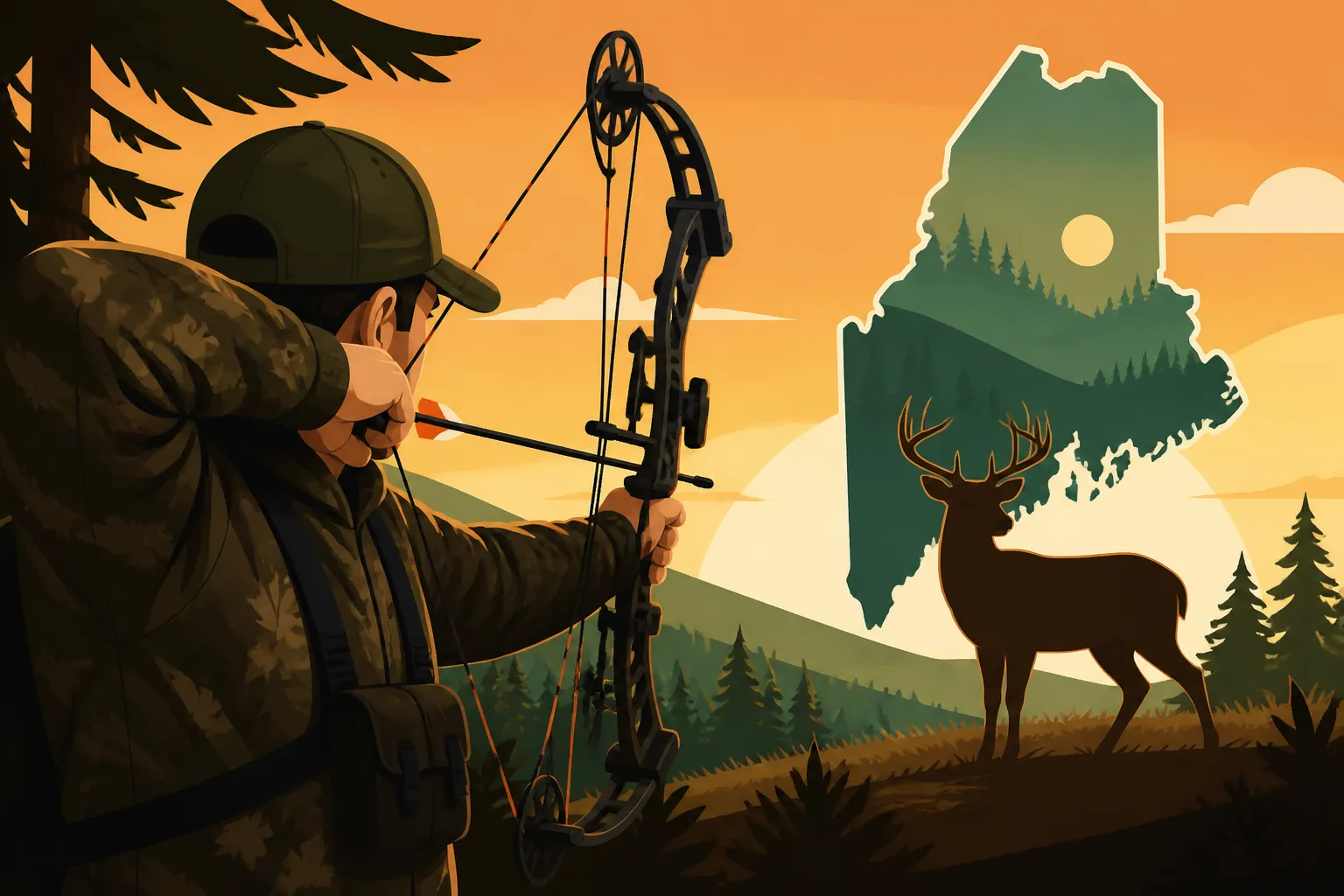
Many hunters dream of taking a whitetail with a bow, but the thought of navigating Maine's vast and wild landscape for an archery-only deer hunt can feel overwhelming, especially if you're not from around here or just starting out. This guide is all about helping you understand the ins and outs of booking a guided archery-only deer hunt in Maine, ensuring you're set up for success and can truly enjoy the unique challenge this state offers bowhunters.
Why Choose an Archery-Only Deer Hunt in Maine?
There's something incredibly special about pursuing deer with a bow in Maine. It's an intimate, hands-on experience that challenges you in ways firearms hunting often doesn't. You're getting closer, relying on stealth, scent control, and an understanding of deer behavior that's heightened when your effective range is limited. For many, it's the ultimate test of their hunting prowess.
One of the biggest draws to archery hunting in Maine is the extended season. While the firearms season is traditionally a four-week stretch in November, the archery season often opens earlier and, in many Maine Archery Season Dates, extends into early December in the Expanded Archery Zones. This longer window means more opportunities to be in the woods, whether you're targeting the pre-rut, the peak of the rut, or the late season when deer are focused on food sources. The Expanded Archery Zones, specifically, are a game-changer for bowhunters, often encompassing suburban and developed areas where firearms hunting is restricted. This allows access to deer populations that may experience less pressure, creating incredible opportunities right near towns and cities, which might surprise some folks unfamiliar with Maine's regulations. Imagine being able to hunt big bucks just a stone's throw from a main street! It's a unique blend of wilderness and accessibility that few other states offer. The quiet nature of bowhunting also means less disturbance to the woods and its inhabitants, which many hunters deeply appreciate.
What to Look for in an Archery Deer Hunting Guide
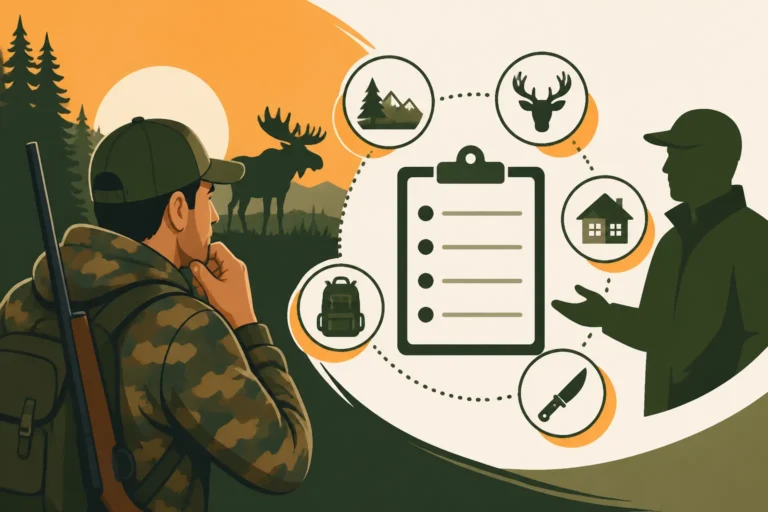
Choosing the right guide for your archery-only deer hunt is paramount, especially if you're investing your precious time and hard-earned money into this experience. A great guide isn't just someone who knows the woods; they're a mentor, a strategist, and someone who understands the nuanced demands of bowhunting. You're not just looking for someone who can put you on a deer, but someone who understands the art of getting a deer within bow range.
First and foremost, look for a Registered Maine Guide who specializes in bowhunting. This isn't always a given; some guides are fantastic with firearms but might not have the specific knowledge or setups required for consistent archery success. Ask about their experience guiding bowhunters, their success rates specifically for archery, and if they understand the unique challenges like scent control, stand placement for close shots, and calling techniques that are effective in close quarters. It’s also crucial to ask about the kind of land they hunt. Are they primarily hunting private land with exclusive access, or do they guide on public lands like Maine Wildlife Management Areas or the expansive North Maine Woods Gate System? Each offers a different experience and may require different guiding strategies. Some guides lease prime private timber company lands or have long-standing relationships with private landowners, which can provide excellent, low-pressure hunting.
When you're vetting potential guides, don't be shy about asking for references from past archery clients. A reputable guide will be happy to provide them. This allows you to talk to hunters who have actually been in the field with them and get a real sense of their style, their communication, and the overall experience. Websites like BookYourHunt or GoHunt can be great starting points for finding Registered Maine Guides and seeing initial reviews, but always follow up with direct conversations and reference checks. Discuss their approach to scouting, how they handle changing weather conditions, and what their plan B is if the primary spot isn't producing. A good guide will have contingencies and be transparent about the realities of hunting, especially with a bow.
What a Guided Archery Deer Hunt Entails
Once you've booked your guide, understanding the logistics and what to expect will help you prepare and maximize your time in the Maine woods. A guided archery deer hunt is more than just having someone walk you to a stand; it's a comprehensive experience designed to increase your chances of success.
Pre-Hunt Preparation and Communication
Before you even set foot in Maine, a good guide will be in regular communication with you. They'll want to understand your experience level, your physical capabilities, and your expectations. They'll typically provide a detailed gear list, covering everything from proper archery equipment – including specific arrow weights, broadhead types, and bow setups – to layering systems for Maine's unpredictable weather. This pre-hunt communication often includes discussions about your comfortable shooting range, any physical limitations you might have, and your preferred hunting style (e.g., treestand, ground blind, still-hunting). They might also share information about Scouting With the Maine Hunting App or using aerial photos, giving you a chance to familiarize yourself with the terrain. Your guide might ask you to practice shooting from an elevated position or from various awkward angles, mimicking real-world hunting scenarios. Remember, accuracy is paramount in bowhunting, so hone those skills long before you arrive.
In-the-Field Strategy and Logistics
During the hunt itself, your guide will typically handle most of the logistical heavy lifting. This means scouting new areas based on fresh sign like Scrape Lines Along a Logging Road, setting up stands or ground blinds, and getting you to and from your hunting locations discreetly and safely. They'll have a keen eye for finding Late-Season Food Sources for Maine Whitetails or identifying funnel points where deer naturally travel. They might also advise on calling strategies, like Rattling Volume in Thick Spruce Cover or using grunt calls, specifically tailored to the local deer behavior and time of season.
You'll often be dropped off at your stand before first light and picked up after dark. This dedicated time in the woods is where the magic happens, but it also means you need to be self-sufficient and comfortable sitting for long hours in varying conditions. Guides will monitor game camera activity, track weather patterns, and adjust strategies daily to put you in the best possible position. If you manage to harvest a deer, your guide will assist with field dressing, tracking (which can be a challenge in Maine's dense cover), and getting your animal out of the woods, whether that means using an ATV, a game cart, or good old-fashioned muscle. They can also help with the Maine Deer Registration Deadline requirements.
Here's a breakdown of what you might typically find included or excluded in a guided archery deer hunt package:
| Feature | Often Included | Often Excluded |
|---|---|---|
| Guide Services | Daily guidance, scouting, stand setup, game retrieval | Personal equipment adjustments, extensive shooting coaching |
| Accommodation | Rustic cabin, lodge, or sporting camp (multi-day hunts) | Luxury hotels, personal camping gear |
| Meals | Sometimes provided (sporting camps) | Most day hunts, specialized dietary needs (check with guide) |
| Transportation | To and from hunting sites | Airport pickup (unless specified), personal vehicle use |
| Gear | Stands, blinds, calls | Bow, arrows, broadheads, clothing, optics, personal tree harness |
| Licenses & Permits | Assistance with application/purchase process | Actual cost of your Maine Hunting Licenses and What They Cost |
| Meat Processing | Initial field dressing, transportation to processor | Professional butchering, taxidermy, shipping |
| Trophy Care | Initial caping, transportation to taxidermist | Full taxidermy services, shipping |
(Always confirm inclusions and exclusions directly with your chosen guide or outfitter, as offerings can vary widely.)
Essential Preparation for Your Archery Hunt
Booking a guided hunt takes care of a lot of the logistical headaches, but the success of your archery-only deer hunt in Maine ultimately rests on your personal preparation. This isn't just about having the right gear; it's about being physically, mentally, and skillfully ready for the challenge.
Physical and Mental Readiness
Maine hunting, especially bowhunting, can be physically demanding. You might be hiking through dense woods, crossing uneven terrain, or sitting motionless in a stand for hours in cold weather. It's not always easy to Recovering a Deer From a Cedar Swamp. Start a physical fitness routine well in advance of your trip. Focus on exercises that build endurance, core strength, and leg power. Walking with your bowhunting pack and gear, climbing stairs, and even practicing drawing your bow repeatedly will make a huge difference. Mentally, you need to be prepared for long stretches of quiet, possibly seeing no deer for extended periods, and dealing with the inevitable challenges that come with hunting. Patience, persistence, and a positive attitude are just as important as physical strength. Understand that hunting is inherently unpredictable, and a successful shot is often the culmination of many hours of quiet observation and waiting.
Archery Equipment and Practice
Your bow and arrow setup need to be meticulously dialed in. Shoot consistently at varying distances, from different angles (especially elevated shots if you'll be in a treestand), and in different weather conditions. Practice shooting with the broadheads you intend to hunt with, ensuring they fly true with your field points. Know your effective range inside and out; don't take a shot beyond what you've confidently practiced. Make sure all your gear, from your release aid to your rangefinder, is in perfect working order.
Consider visiting a local pro shop or a knowledgeable outfitter who can help you fine-tune your bow. A few adjustments to your rest, string, or peep sight can make all the difference when that trophy buck steps out. Pay attention to your clothing, too. Layers are key in Maine, and quiet fabrics are essential for bowhunting stealth. You don't want to get busted by a mature deer because your jacket rustles every time you draw your bow. Remember, the goal is to disappear into the environment, making you an undetectable part of the landscape. It takes commitment, but the reward of a hard-earned archery deer is truly unmatched.
Disclaimer
This article is for general informational purposes only and does not constitute professional advice. Laws, prices and regulations vary by location and change over time. Consult a qualified professional for guidance on your specific situation.