Calling a Fall Turkey Flock Apart
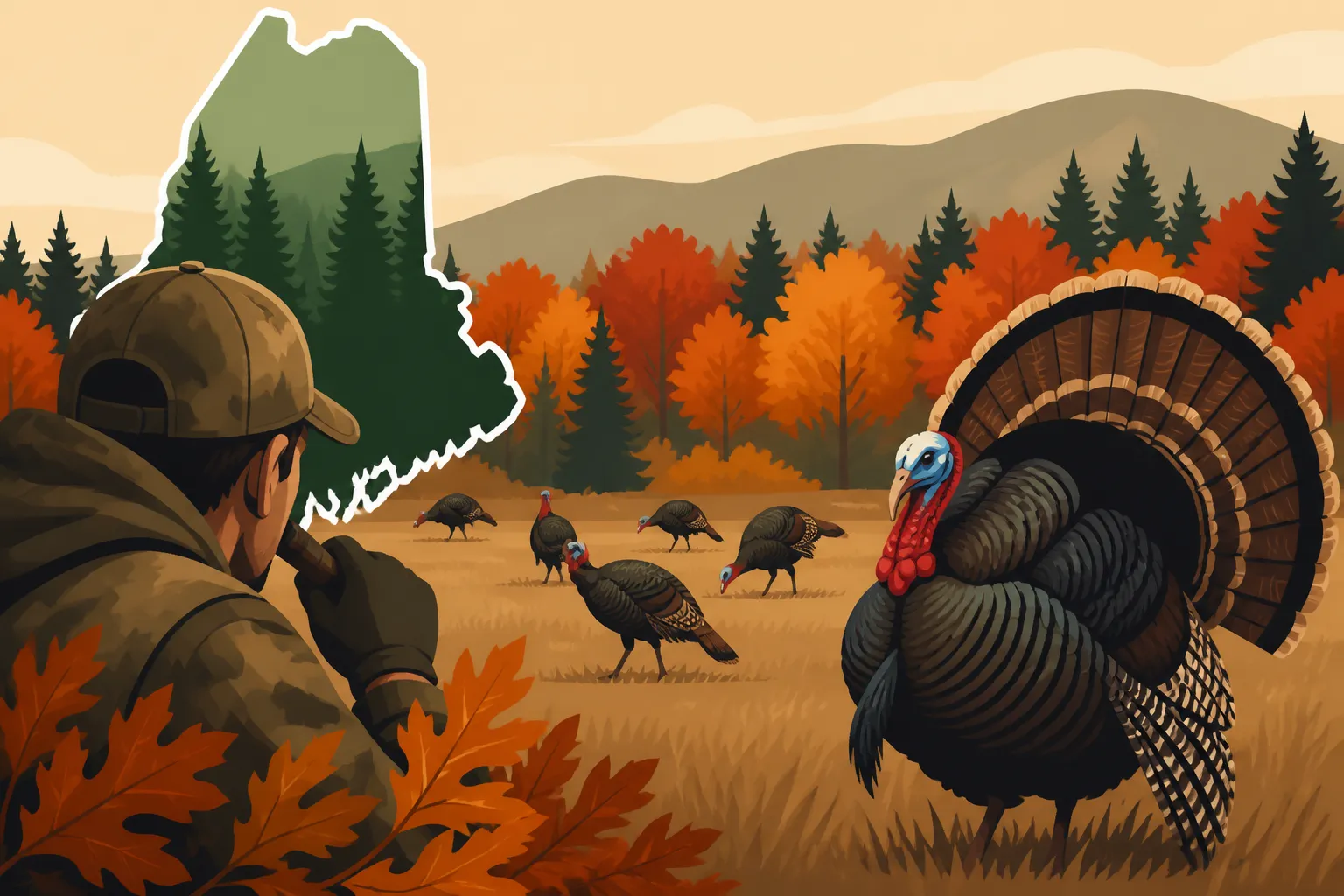
Fall turkeys, let's be honest, can feel like a completely different animal than their boisterous spring counterparts. That familiar rush of a strutting gobbler coming to a sweet hen yelp just doesn't translate to the fall woods, and many hunters find themselves scratching their heads when the leaves start turning. The frustration is real: you find a flock, try a few calls, and they either ignore you or vanish into thin air. This comprehensive guide is going to pull back the curtain on the most effective, time-tested strategy for hunting fall turkeys in Maine: the art of scattering a flock and calling them back.
Understanding Fall Turkey Behavior: A Different Game Entirely
If you're accustomed to spring turkey hunting, the fall season demands a significant mental shift. Forget the strutting, gobbling tom whose sole focus is breeding. Fall turkeys are all about survival, food, and flock cohesion. They are typically in family groups, often led by an old, wise hen, and their priorities are maintaining safety in numbers and fueling up for the coming winter. This fundamental difference means your spring tactics, while effective then, will often fall flat now.
Flock Dynamics and Hierarchy in the Autumn Woods
In the fall, turkeys congregate in larger family groups or "flocks." These can consist of a mother hen and her brood of poults (young birds from that year), often joined by other hens, jakes (yearling males), and even a few adult gobblers that might hang out on the periphery. The crucial thing to understand is the strong bond within these groups, particularly between the hens and their poults. The lead hen often acts as the matriarch, guiding the flock to food and safety.
This strong social structure is what makes the "scatter" method so potent. When a flock is suddenly broken apart, that innate instinct to regroup, especially from the poults missing their mother, kicks in hard. Unlike a lone spring gobbler looking for love, these birds are desperate to find their family again. Jakes and young hens, in particular, will be the most vocal and responsive to calling after a good scatter, eager to re-establish contact. Adult hens might be warier, but their maternal instincts are powerful motivators. Understanding this social glue is the key to manipulating their behavior.
Food Sources and Roosting Habits that Drive Fall Flocks
Fall turkeys are constantly on the move, diligently searching for sustenance. Their diet shifts from primarily insects and green vegetation to hard mast like acorns, beechnuts, and even waste grain in agricultural areas. In many parts of Maine, particularly where hardwood stands are prevalent, finding oaks and beeches dropping their bounty is like hitting the jackpot. Turkeys will spend hours, even days, working through a good mast crop. You might find them scratching enthusiastically through the leaf litter, leaving tell-tale V-shaped disturbances.
Beyond food, understanding their roosting habits is paramount. Turkeys prefer to roost in tall, sturdy trees, often pines or oaks, in areas that offer some protection and good visibility. They'll typically fly up to roost an hour or so before dark and fly down around dawn. Knowing where a flock is roosting can be your biggest advantage for initiating a successful scatter. Scouting for Maine Turkey Roost Tree Preferences can give you an edge, as specific features like proximity to water, open understories, or ridge lines often attract roosting birds. Their droppings and feathers under specific trees are dead giveaways. Observing their flight patterns at dusk or dawn can lead you right to their nighttime home. This knowledge lets you plan your approach for the optimal morning scatter, hitting them right as they're leaving the roost or shortly after they've hit the ground to feed.
The "Bust 'Em Up" Method: The Ultimate Fall Tactic
This is where fall turkey hunting truly shines, and it's completely counter-intuitive to everything you learn about spring gobblers. Instead of trying to coax a cautious bird into range with subtle calls, the goal is to create chaos. We're talking about actively breaking apart a cohesive flock with a full-on, aggressive flush. It might feel wrong at first, especially if you're used to being as quiet as possible, but trust me, it works.
Executing the Flush: Creating Controlled Chaos
The success of the "bust 'em up" method hinges entirely on the quality of your flush. You need to locate a flock, often while they are feeding or just after they've come off the roost, and then charge into them with as much noise and aggression as possible. Think crashing through brush, yelling, clapping – anything to send them scattering in every direction. The goal isn't to shoot a bird on the flush (though it can happen, be ready!), but to get every single bird to fly or run off separately, disoriented and confused.
Timing is key here. Hitting them hard and fast, while they're preoccupied or just waking up, gives you the element of surprise. Ideally, you want to get within 50-75 yards before making your move. Don't be timid! A half-hearted flush will result in the flock simply running off together, and then you're back to square one, with warier birds. The more thoroughly they scatter, the better your chances of calling them back. After the initial explosion, take a mental note of the general directions the birds flew. This information will be invaluable for your setup. It's a high-energy tactic, and it often feels like you're doing everything wrong, but it's exactly what you need to do to trigger their regrouping instincts.
Where to Set Up After the Scatter: Patience is a Virtue
Once the dust settles and the last turkey sound has faded, it's time to become absolutely motionless. This is perhaps the hardest part for many hunters: the urge to immediately call or pursue is strong, but resist it. After a successful scatter, turkeys need time to settle down and realize they're alone. This period can range from 15 minutes to an hour, sometimes even longer, depending on how hard they were spooked and the terrain.
Your setup location is critical. Find a spot with good visibility in several directions, ideally near where the flock was originally feeding or where you anticipate birds will try to regroup. A natural blind—a cluster of pines, a thick blowdown, or a rock outcropping—is perfect. Make sure you can sit still, comfortably, and for an extended period. Look for areas with open understories where you can see birds approaching, but also enough cover to break up your silhouette. Often, setting up right near the original flush point can be effective, as turkeys will often try to return to familiar ground to regroup. Don't underestimate the power of stillness and patience; it's what differentiates a successful fall hunter from someone who just spooks birds.
Calling Strategies for Scattered Birds: Mimicking the Lost
Once the flock is thoroughly scattered and you’ve settled into your ambush position, the real magic begins. You're no longer trying to seduce a gobbler; you're playing on the deep-seated social instincts of a family. The calls you use and how you use them are paramount to success.
Lost Calls and Assembly Yelps: The Sound of Distress
The primary calls for a scattered fall flock are the lost calls of a young bird and the reassuring assembly yelps of a hen. Imagine a poult, suddenly alone, frantically trying to find its mother. That's the sound you want to replicate. Start with soft, pleading "kee-kee" runs or "yelps" that sound like a lost poult. These calls convey vulnerability and loneliness, triggering the flock's desire to regroup. A kee-kee run on a diaphragm call is a quintessential fall sound, mimicking a young bird that's lost its way.
Patience with your calling is just as important as patience with your setup. Don't blast out loud yelps immediately. Start soft and subtle. Wait a few minutes after the scatter before making your first calls, allowing the birds to settle and feel truly alone. Listen intently for any soft replies. If you don't hear anything, you can gradually increase the volume and intensity of your calls. Think of it like a conversation: you're initiating, but you need to listen for a response before you keep "talking." Sometimes, the first response you get might be a very soft cluck or a distant yelp—barely audible, but it tells you a bird is in the area and listening. This is where attention to detail, perhaps even using an app like GoHunt to review turkey vocalizations and refresh your memory on cadence, can make a difference.
Purrs, Clucks, and Kee-Kees for Reassurance
As birds start to respond, or if you hear soft clucks and purrs from a bird getting closer, it's time to adjust your calling. The lost poult calls and assembly yelps draw them in, but purrs and clucks convey contentment and safety, encouraging them to close the distance. A soft purr, especially on a slate or diaphragm call, can be incredibly effective when a bird is within 50-70 yards and being a bit cagey. These are reassuring sounds, signaling that "everything is okay, come on over."
The "kee-kee" run, often a series of high-pitched whistles followed by a yelp, is a classic call for young turkeys. When a poult gets lost, it'll often make this call. Mastering the kee-kee on a mouth call or a slate is invaluable for fall hunting. It's an authentic distress signal that often elicits a strong response from a scattered hen or other young birds looking to re-establish contact. Think of using these softer, reassuring calls to seal the deal once a bird is already coming in. This combination of lost, pleading calls followed by comforting sounds is what makes this method so deadly.
Patience and Timing: The Unseen Call
I cannot stress this enough: patience and timing are the most crucial elements of calling a scattered flock. Many hunters, myself included, have blown opportunities by calling too frequently or too loudly. After the scatter, give the woods time to breathe. Let the birds stew in their aloneness for at least 15-20 minutes before making your first soft call. Then, call sparingly. Listen more than you call. A good rule of thumb is to wait 5-10 minutes between call sequences.
Why? Because wild turkeys are not dumb. If you're constantly squawking, they'll become suspicious. They know where their flockmates usually are. If you're suddenly everywhere, it doesn't sound natural. Let them work up their courage, let their instinct to regroup grow. A soft, well-timed call will often bring a bird in faster and more confidently than a barrage of aggressive calling. Sometimes, a single lost cluck every 10 minutes is all it takes. Remember, the goal is to sound like a natural, confused bird, not a symphony orchestra.
Essential Gear and Scouting for Fall Success
Hunting fall turkeys, while similar to spring in some gear aspects, requires a slightly different focus, especially given the "bust 'em up" and call back tactic. Your gear choices, combined with dedicated scouting, will lay the groundwork for a successful hunt.
Camouflage, Blinds, and Stealth: Blending into the Landscape
Full camouflage is non-negotiable for fall turkey hunting. Turkeys have incredible eyesight, and in the often sparse fall woods, they'll pick up movement and unnatural shapes very quickly. This means head-to-toe camo, including a face mask and gloves. The patterns should match the fall woods of Maine – think browns, grays, and muted greens to blend with hardwood stands and pine forests.
While not strictly necessary for every situation, a portable ground blind can be a significant advantage, especially if you're hunting with new hunters, children, or someone who struggles with stillness. It provides excellent concealment and allows for slight movements without being detected. However, if you're quick and skilled at finding natural cover, a good thick blowdown, a tight cluster of spruces, or even just sitting against a wide pine tree can be just as effective. The most important thing is to be absolutely still once you've set up. Any fidgeting, twitching, or subtle movements will be picked up by an approaching turkey. Remember, the woods are quieter in fall, and sounds travel farther, making stealth even more critical.
Call Types and Usage: Your Voice in the Woods
You'll want a variety of calls for fall hunting, but the focus shifts heavily to hen and poult sounds.
- Diaphragm (Mouth) Calls: These are incredibly versatile and allow for hands-free calling, which is vital when a bird is approaching and you need to keep your gun up. Master the "kee-kee" run and soft lost yelps on a diaphragm call. They can also produce excellent clucks and purrs.
- Slate (Pot) Calls: These are fantastic for realistic purrs, clucks, and the softer assembly yelps. They offer excellent control over tone and volume. Use a variety of strikers (wood, carbon, or plastic) to produce different tones.
- Box Calls: While capable of softer sounds, box calls excel at louder, attention-grabbing yelps and cutts. They're great for that initial, louder assembly yelp after a scatter, to let distant birds know something is up.
- Poults/Whistle Calls: Some specialized calls mimic the very high-pitched, insistent peeps of young poults. These can be irresistible to a lost hen or jake looking for its family.
It's a good idea to carry at least two different types of calls. A diaphragm for hands-free operation and a slate or box for versatility is a solid combination. Practice all of them until you can produce realistic, soft, and loud calls with ease.
| Call Type | Best for Fall Calling | Pros | Cons |
|---|---|---|---|
| Diaphragm Call | Lost poult kee-kees, soft yelps, clucks | Hands-free, versatile, realistic, compact | Steep learning curve, can get stuck/wet |
| Slate/Pot Call | Assembly yelps, soft clucks, purrs | Excellent control, versatile tones, easy to use | Requires two hands, can get wet |
| Box Call | Loud assembly yelps, cutts | Easy to learn, loud, good for long distances | Requires two hands, less subtle |
| Whistle Call | High-pitched poult peeps | Very specific, highly realistic poult distress | Limited range of sounds, only for poults |
Scouting and Location Strategies: Finding the Birds Before the Hunt
This is perhaps the most critical part of fall turkey hunting: you have to find the birds first. Unlike spring where gobbling gives them away, fall turkeys are much quieter. Your scouting efforts will largely focus on finding fresh sign and identifying preferred food sources.
Start by looking at aerial photos, perhaps using a mapping tool like GoHunt or similar platforms, to identify potential turkey habitat. Look for transitions between hardwoods (especially oak and beech stands), conifer groves for roosting, and open fields (for insects or waste grain). Use these tools to scout for Hunting a Clover Plot at First Light or Hunting a Standing Apple Orchard, as these food sources attract turkeys just as much as deer.
Once on the ground, look for:
- Scratchings: Turkeys scratch vigorously through leaves and duff when feeding, leaving distinctive V-shaped patterns.
- Droppings: Look for fresh droppings to indicate recent presence. Gobbler droppings are typically J-shaped, while hen/poult droppings are more coiled.
- Tracks: While often obscured by leaves, fresh tracks can tell you a lot about turkey movement.
- Feathers: Finding primary wing feathers or body feathers can indicate a roost or dusting area.
- Dusting Bowls: Turkeys love to dust themselves in dry dirt or sand, leaving shallow depressions.
Concentrate your efforts in areas known for Late-Season Food Sources for Maine Whitetails as these often overlap with prime fall turkey foraging grounds. Don't be afraid to walk extensively, covering ground and looking for fresh sign. The more time you spend scouting, the better your chances of encountering a flock that you can then scatter. Remember that Maine's generous Hunting Maine's Generous Fall Turkey Season means you have ample time to scout and hunt!
Reading the Woods and Adapting Tactics
Being successful in the fall woods means more than just having the right gear and executing a good scatter; it means being a keen observer and adapting to what the birds and the environment are telling you. Fall turkeys are constantly reacting to their surroundings, and your ability to "read" these cues will significantly improve your chances.
Interpreting Turkey Sign: Decoding Their Daily Lives
When you're out scouting or hunting, every bit of sign tells a story. Fresh scratchings are perhaps the most common and telling sign. If you see wide, aggressive scratchings where leaves have been tossed back several feet, you know birds have been actively feeding there recently. Pay attention to the size of the scratchings; smaller, more confined marks might indicate poults. Look for areas with a mix of scratched ground and undisturbed leaf litter, suggesting they've moved through but haven't completely cleaned out an area.
Droppings are another great indicator. Fresh, moist droppings mean birds are very recent. If you find a concentration of droppings and feathers under tall trees, you've likely found a roost site, which is gold for planning an early morning scatter. Dusting bowls, which are shallow depressions in dry soil or sand, indicate where turkeys have been preening and cleaning their feathers. These areas are often in sunny, sandy spots and can be frequented regularly. By piecing together these signs, you can start to form a picture of the flock's daily routine: where they feed, where they travel, and where they roost. This information, combined with knowing Where Maine Turkeys Are Densest, can help you target specific WMDs like those for Hunting a Five-Bird Fall Turkey WMD.
Weather's Impact on Fall Turkeys: Adjusting Your Approach
Weather plays a significant role in fall turkey behavior and how you should adapt your calling and hunting strategy.
- Clear, Calm Days: These are often ideal. Turkeys will be out and about, actively feeding, and their hearing will be sharp, making them more likely to hear your calls from a distance. However, your movements will also be more easily heard, so stealth is extra important.
- Windy Days: Wind can be a blessing and a curse. It makes turkeys less vocal and harder to hear, but it also masks your approach for a scatter. On very windy days, turkeys tend to stick to more sheltered areas or roost lower. Your calling needs to be louder and more insistent, and you'll likely need to get closer to a scattered bird before it hears you.
- Rainy Days: Turkeys generally dislike heavy rain and will often seek shelter under dense evergreen cover. Light drizzle, however, might keep them feeding, especially if it's not too cold. Calling during rain can be tough, as sounds get muffled. Focus on getting very close before scattering.
- Cold Fronts: A sudden drop in temperature can make turkeys very active, feeding heavily to build energy reserves. This can be an excellent time to find them out in the open, but they may also be warier, sensing the change.
Always check the forecast before heading out. An understanding of the day's conditions will allow you to adjust your approach, whether that means being extra stealthy on a calm morning or calling more aggressively when the wind is up. Just like deer, turkeys will alter their patterns based on the elements, so being flexible is key.
Common Pitfalls and Troubleshooting
Even with the best plan, fall turkey hunting can throw you curveballs. Understanding the common mistakes and how to troubleshoot them can be the difference between a filled tag and a frustrating walk back to the truck.
Calling Too Soon or Too Loud: The Patience Test
This is probably the most common mistake new (and even seasoned) fall turkey hunters make. After the adrenaline rush of a successful scatter, the urge to immediately start blasting out calls is almost irresistible. But this can ruin your hunt. If you start calling too quickly, the birds haven't had enough time to feel truly alone and disoriented. They might still be close enough to see or hear their flockmates fleeing, and your calls will sound unnatural. If you call too loudly, you might pinpoint your exact location to a wary bird that's still nervous, causing it to circle wide or hold up just out of range.
Troubleshooting: Force yourself to wait. Set a timer if you have to—at least 15-20 minutes, sometimes more. During this time, just sit, listen, and scan. Let the woods get quiet. When you do start calling, begin very softly. A few soft kee-kees or clucks are often enough to get a response. If you hear nothing, wait another 5-10 minutes before trying a slightly louder, longer sequence. Always err on the side of less and softer calling. It's much easier to increase volume than to un-spook a bird.
Not Committing to the Scatter: Half-Measures Don't Work
Another pitfall is a half-hearted flush. Maybe you thought you were close enough, or you hesitated, or the birds just ran instead of flying. The result is a flock that stays relatively cohesive or simply runs a short distance before regrouping out of sight. When this happens, your chances of calling them back are slim to none. They never truly felt "lost."
Troubleshooting: If your initial flush wasn't a complete scatter, you have a couple of options:
- Re-engage Aggressively: If you can quickly reposition and get ahead of them or get another angle, try another, even more aggressive flush. Don't be afraid to run directly at them, yelling and making as much noise as possible. The goal is total chaos.
- Cut Your Losses and Re-Scout: Sometimes, it's just not going to happen with that particular flock. If they've run off together, they're probably already regrouping. It's often better to acknowledge the failed scatter, mark the area (maybe using a mapping app like GoHunt to remember where they headed), and then move on to find another flock or circle back to this area another day. You can review Maine's WMD-Based Turkey Bag Limits or Maine Fall Turkey Permit Rules to understand what your tag allows for the day, and decide if it's worth trying to find another flock. Trying to call a semi-scattered flock back is usually an exercise in futility and will only educate the birds further.
Ignoring the Individual: Each Bird is Different
When a flock scatters, you're no longer dealing with a single, predictable entity. You're dealing with individual birds, each with its own level of nervousness, its own drive to reunite, and its own position relative to you. Some poults might come running in quickly, while an old hen might approach with extreme caution, circling wide.
Troubleshooting: Pay attention to the type of response you're getting.
- Aggressive, Quick Responses: If you hear sharp, insistent yelps or kee-kees coming in fast, be ready. It's likely a jake or a poult, and they might come in hot. Minimize your calling as they get close.
- Soft, Distant Responses: If you're hearing soft clucks or distant yelps, it might be a warier hen or an older bird taking its time. You'll need more patience, and perhaps a mix of soft assembly yelps and purrs to coax them closer.
- Circling Birds: If a bird is sounding off but seems to be circling around your position, it's likely a cautious bird trying to get a visual. This is where a good, natural blind is critical. Avoid making any movement and let them come into range. Sometimes, very soft clucks or purrs can provide reassurance without giving away your exact position.
Remember to treat each incoming bird as an individual. Don't overcall to a bird that's already committed, and don't give up on a bird that's responding softly but cautiously. The fall woods can be incredibly rewarding for those who master the art of the scatter and call-back, offering unique challenges and satisfying hunts.
Disclaimer
Hunting carries inherent risks, and it is crucial to prioritize safety. Always be aware of your surroundings, properly identify your target, and know what lies beyond. Consult the most current Maine hunting regulations before every season, as rules and dates can change. Consider taking a refresher Maine Hunter Education Requirements course to stay up-to-date on best practices.