Hunting a Clover Plot at First Light
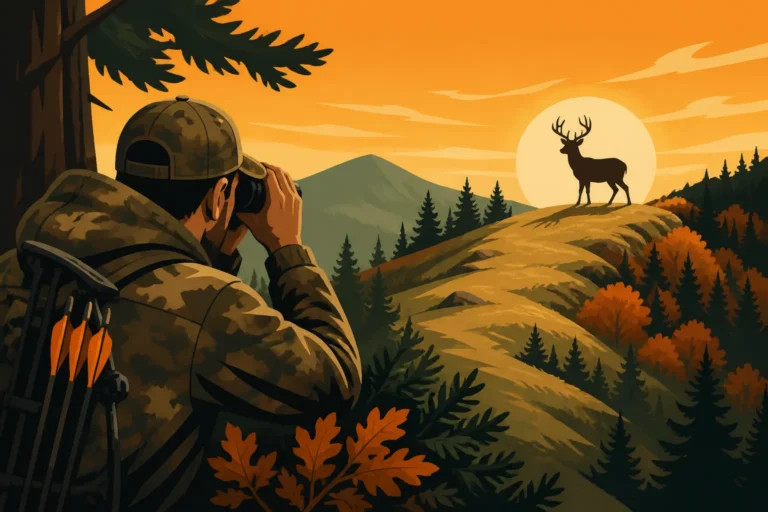
There’s nothing quite like the crisp, silent air of a Maine morning as the woods begin to awaken, but if you’re trying to catch deer moving from their nighttime feeding to their daytime bedding, timing is everything. It can be incredibly frustrating to sit in your stand, feeling confident, only for the deer to have already cleared out before legal light even fully breaks. This guide will walk you through the essential strategies for effectively hunting a clover plot at first light, maximizing your chances when deer are most vulnerable in these irresistible food sources.
Why Clover Plots Are Irresistible to Maine Deer
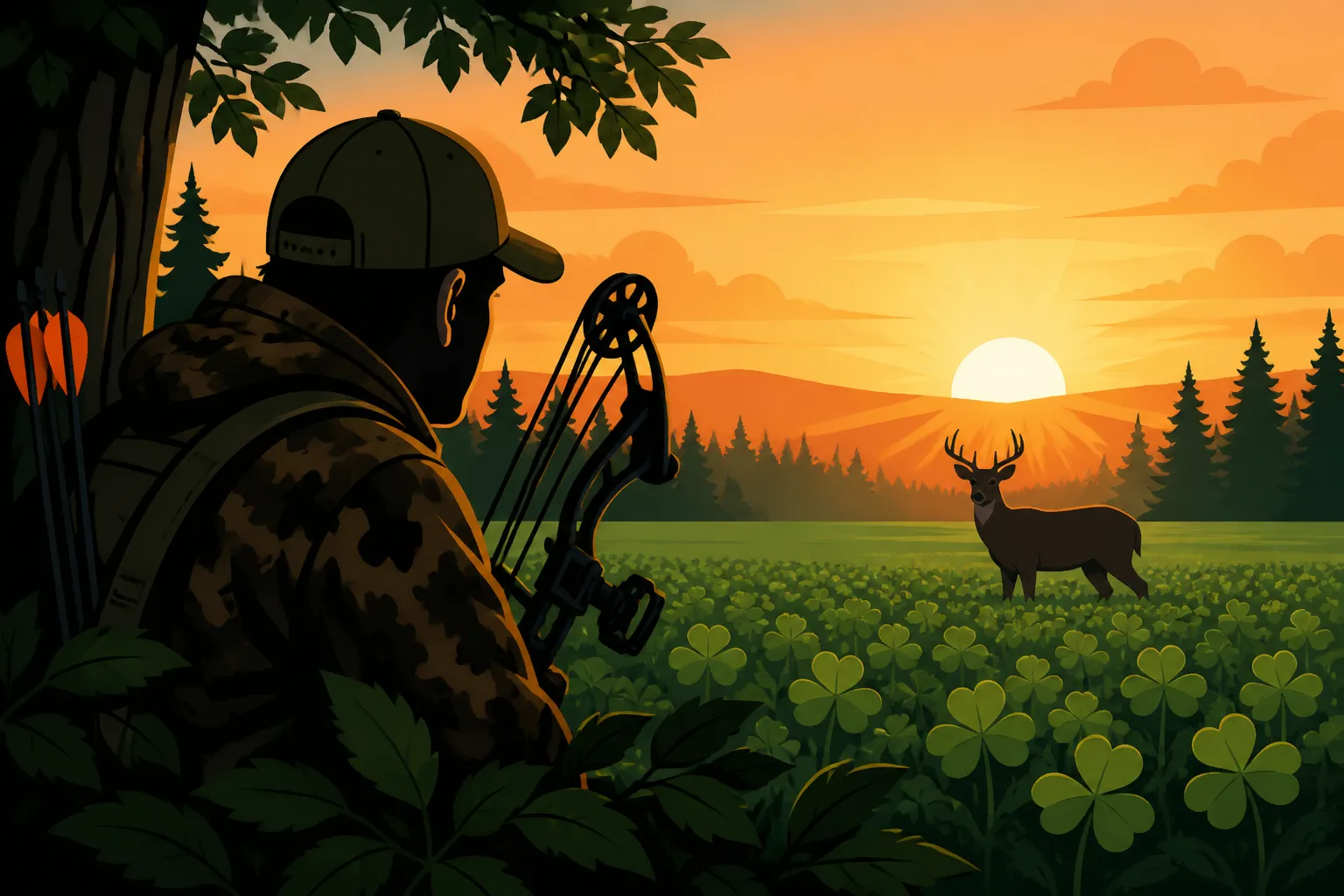
Clover plots are absolute magnets for deer in Maine, and for good reason. They offer a nutritional punch that native browse simply can't match at certain times of the year, making them a prime location to intercept whitetails, especially when the sun is just beginning to peek over the horizon. Understanding why deer are drawn to them is the first step in successfully hunting them.
The Nutritional Powerhouse of Clover
Deer, like any animal, are looking for the most bang for their buck when it comes to food, and clover delivers. It’s incredibly high in protein, which is vital for antler growth in bucks, milk production in does, and overall herd health. In a state like Maine, where winters can be long and harsh, deer need to pack on as much nutrition as possible. A well-maintained clover plot provides that crucial energy and nutrient boost, often becoming one of the most consistent food sources available to them through much of the hunting season.
Beyond just protein, clover maintains its palatability and nutritional value for extended periods, sometimes even into the early stages of winter if snow cover isn't too deep. This consistency is a huge draw. While other food sources might become scarce or lose their appeal due to frost or drought, clover often remains green and attractive. Varieties like Ladino or White Dutch clover are particularly resilient and offer sustained forage. These fields also tend to retain moisture better than many native plant communities, making them succulent even during drier periods when other plants might be tough and less appealing. When you're Late-Season Food Sources for Maine Whitetails, don't count out a healthy clover plot if the snow isn't too deep.
Reading Deer Movement On and Around the Plot
Deer don't just magically appear in a clover plot; they use established travel patterns to get there and leave. At first light, you're primarily hoping to catch them either still feeding in the plot, or actively transitioning from the plot back to their daytime bedding cover. To maximize your chances, you need to be a detective. Start by spending time before the season, or even a few days before your hunt, scouting the edges of the plot. Look for heavily used trails, fresh tracks pressed into the soft earth, and piles of deer scat. These signs will tell you not only that deer are using the plot but also their preferred entry and exit points.
Pay close attention to where these trails lead. Do they funnel into a dense cedar swamp, a thick regenerating clear-cut, or a mature hardwood stand? These are likely bedding areas, and understanding the routes between the plot and bed is paramount. Deer will often stage in the cover just outside a plot, especially during daylight hours, waiting for the safety of darkness before venturing out. In the morning, they might linger longer in the plot on calm, cool days, but as light increases, they'll often move back into that staging cover before fully retreating to bed. Using mapping tools, like those found in the GoHunt app, can help you visualize the terrain and identify potential travel corridors, helping you with Scouting With the Maine Hunting App. Learning to recognize Reading Maine Mud for Fresh Deer Movement can also provide invaluable insights into current activity.
Strategic Setup for Early Morning Success
Hunting a clover plot at first light means playing a different game than an evening hunt. Deer are often already present or on their way out, making undetected entry and setup absolutely critical. Your success hinges on being in position, scent-free, and unnoticed before the woods even truly wake up.
Choosing the Right Stand or Blind Location
The golden rule for any morning hunt, especially over a food plot, is undetected entry and exit. If deer are still in the plot or moving out of it as you're walking in, your hunt is already compromised. This means your stand or blind location needs to be strategically placed. First, consider the prevailing wind. You absolutely must position yourself downwind of where you expect deer to approach from or linger in the plot. Maine's variable winds can be tricky, so always have a backup plan or an alternative setup for different wind directions. You'll need to understand Wind and Thermals in Maine Hill Country as thermals often fall at first light, pulling your scent downhill.
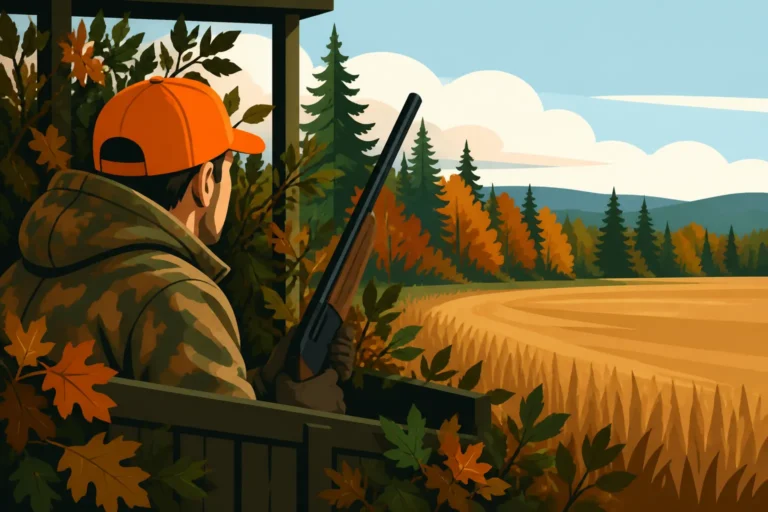
Next, think about shooting lanes. Can you get a clear shot at the primary feeding areas and the established trails leading to and from the plot? Don't just focus on the middle of the plot; deer often work the edges. Finally, concealment is key. Whether you're in a tree stand or a ground blind, you need to be broken up against the background. For a tree stand, look for a tree with good cover behind you, and position yourself so you're not silhouetted against the morning sky. If using a ground blind, ensure it's well-brushed in and blends seamlessly with the surrounding vegetation. A well-placed ground blind can be incredibly effective, especially when you need to be on the ground level with the deer. For more on this, check out Using a Ground Blind on Posted-Free Land or Hanging a Stand on a Private Land Field Edge for specific advice on placement.
The Critical Importance of Undetected Entry and Exit
This cannot be stressed enough: the greatest challenge of a morning hunt over a food plot is getting to your spot without alerting game. Deer are often active in the plot right up until legal shooting light, or even after, before retreating to bed. If you bump them on your way in, they're gone, and they'll be wary of that plot for days, possibly weeks. Your entry route must be meticulously planned. Identify a path that keeps you out of sight and sound from the plot itself. This might mean walking a longer route around a ridge, through a creek bottom, or along a dense treeline.
Utilize any natural cover available – ditches, thick brush, changes in elevation. Walk slowly, deliberately, and quietly. Avoid snapping twigs or crunching leaves. You might even consider wearing rubber boots to minimize scent and sound, especially if crossing damp ground. Arriving an hour or even an hour and a half before legal shooting light allows you to get settled, let the woods calm down, and become part of the environment before deer become active. Don't underestimate the impact of vehicle noise either; parking your truck a good distance away and walking in is often a smart move. While focused on corn, the principles in Entry Routes Through a Cut Cornfield offer excellent guidance that can be adapted to clover plots.
Executing Your Hunt at First Light
Once you're in your stand or blind, the real work begins. The first hour of daylight over a clover plot can be intense, filled with anticipation and quick decisions. Staying calm, observant, and adaptable is what separates successful hunters from those who go home empty-handed.
Patience and Observing Early Morning Activity
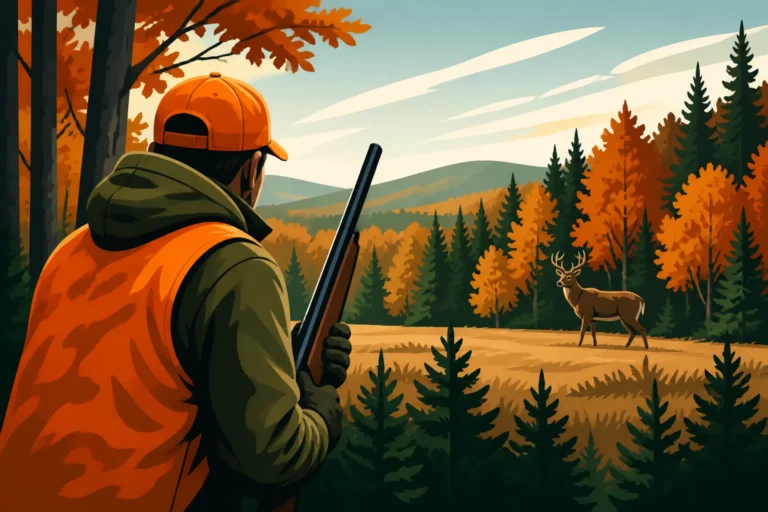
When you arrive at your stand well before dawn, the world is often still and dark. Give yourself ample time to get settled, calm your breathing, and let your eyes adjust to the minimal light. As the sky slowly brightens from deep indigo to soft grays and then to the first hints of color, start observing. Don't immediately focus all your attention on the plot itself. Instead, scan the edges, the treelines, and any openings that lead into the plot. Deer often appear as faint shadows at first, gradually resolving into recognizable shapes as the light improves.
Patience is your best friend. Resist the urge to draw your bow or raise your rifle too early. Wait until you have sufficient light for a positive identification of the deer and a clear, ethical shot. You might see a doe and fawns first, or a small buck. Larger, more cautious bucks often hang back in the thick cover, assessing the situation before committing to the open. Sometimes, deer will simply filter out of the plot slowly, grazing as they go. Other times, a new group might enter from an unexpected direction. Just like Finding Sign in Big North Woods Timber, keeping your eyes peeled for subtle movements is crucial in a plot.
Adapting to Maine's Variable Conditions
Maine weather is famously unpredictable, and those variations directly impact deer activity on your clover plot. A calm, cool, frosty morning might see deer lingering in the plot longer, soaking up the early sun. However, a sudden cold front moving in can dramatically change their patterns. If a strong wind picks up or shifts, especially from an undesirable direction, you might need to make a quick decision. Do you have a secondary setup for a different wind? Is there a natural funnel just downwind that might still present a shot opportunity? Sometimes, the best adaptation is to quietly exit and reposition for another hunt, rather than press your luck and spook every deer in the vicinity. For more on how weather influences deer movement, consider how to approach hunting after a cold front.
Additionally, consider the time of year and localized hunting pressure. Early season, deer patterns are often consistent. But as hunting season progresses, especially during the peak of Hunting the Rut in Early November, a buck might cruise through a clover plot primarily to scent-check for does, rather than to feed. Hunting pressure from other hunters in the area can also make deer more nocturnal, or push them into denser cover, only visiting plots after dark. Understanding these variables and being flexible is key to long-term success. Even during muzzleloader season, deer might use clover plots if they're still green, so knowing Hunting the Muzzleloader Close in Mid-December tactics can be relevant.
Post-Shot Strategy and Recovery
The moment of truth arrives, and you've made a shot. What you do next is critical for a successful recovery. First and foremost, stay calm. Take a deep breath. Observe everything you can: the deer's reaction, the direction it ran, and mark the exact spot where the deer was standing when you shot. Look for any immediate signs of a good hit, like a blood trail or a 'kick' reaction. If you're using a GoHunt mapping feature, you can even drop a pin right where the deer stood.
Resist the immediate urge to jump out of your stand and pursue. Give the deer time. If you're confident it was a good, lethal hit (like a heart or lung shot), waiting 20-30 minutes can allow the deer to bed down and expire. For marginal hits (like a gut shot), an even longer wait, sometimes 4-6 hours, or even until midday, is absolutely essential. Pressuring a marginally hit deer can push it for miles, making recovery much more difficult. After your waiting period, proceed cautiously. Mark the last spot you saw the deer and begin Blood Trailing After Dark in Maine or during daylight, depending on the situation. If there's fresh snow on the ground, Tracking a Deer in Fresh Maine Snow can simplify things considerably, but always take your time and follow the trail slowly, looking for both blood and tracks.
| Clover Type | Characteristics | Deer Appeal | Planting Time |
|---|---|---|---|
| White Dutch | Low-growing, spreads by stolons, very hardy. | Highly palatable, excellent drought tolerance, withstands heavy grazing. | Spring or late summer |
| Ladino | Taller than White Dutch, robust, good yield. | High protein, quick growth, very attractive to deer. | Spring or late summer |
| Alsike | Upright growth, tolerant of wet soils & cold. | Good palatability, thrives in varied soil conditions. | Spring or late summer |
| Crimson | Annual clover, erect growth, produces a lot of forage quickly. | Excellent for quick establishment and early season draw, high protein. | Late summer/fall for spring forage |
Disclaimer
Hunting is an inherently dangerous activity. Always prioritize safety, follow all local and state regulations, and obtain proper licenses and permits before engaging in any hunting activity. The information provided here is for educational purposes only and should not replace professional guidance or personal judgment.