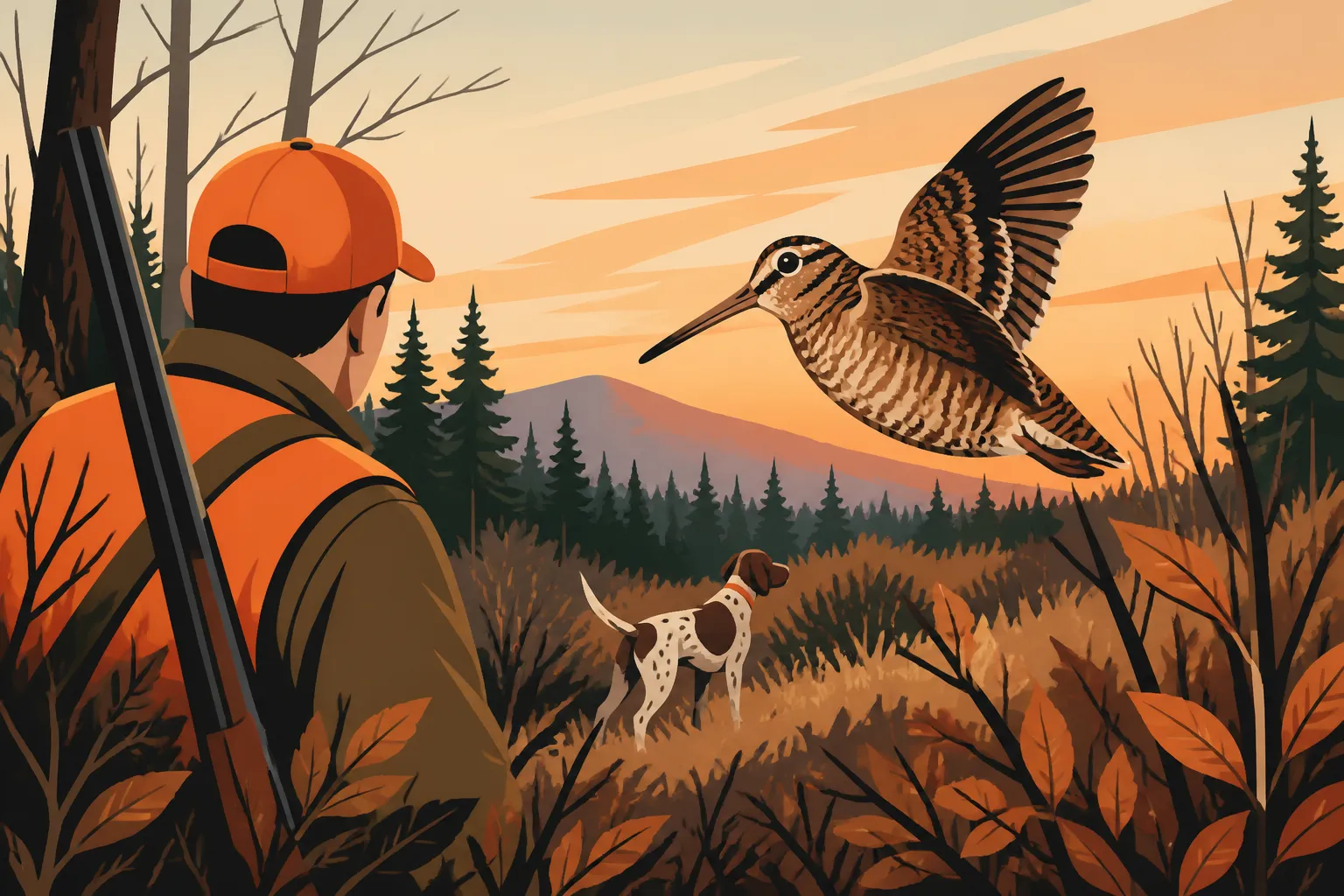
Woodcock Hunting Maine Covert Country
The American Woodcock, often called timberdoodle or bogsucker by those who chase them, is a peculiar and beloved bird, but finding them in Maine's dense 'covert country' can be an incredibly frustrating challenge for even seasoned bird hunters. Their camouflage is legendary, their flight erratic, and their chosen habitats often seem impenetrable. This guide dives deep into understanding woodcock habitat, migration patterns, and effective hunting strategies specifically tailored for Maine's unique landscape, helping you decode covert country, find more birds, and truly enjoy your time afield in pursuit of these migratory marvels.
Understanding Maine's Covert Country for Woodcock
Maine is truly a woodcock hunter's paradise, but it’s a paradise that often hides its treasures deep within a tangle of thickets. These birds aren't found just anywhere; they have very specific habitat requirements that dictate their presence. Understanding these needs is the first step to becoming a more successful timberdoodle hunter in the Pine Tree State. Forget sprawling open fields; we're talking about places so thick you'll wonder if a bird could even fly through them.
The Ideal Habitat Profile: Young Forest and Moist Soil
Woodcock are primarily creatures of young, regenerating forests. Think about areas that have been recently logged, perhaps 5 to 20 years ago, where a dense regrowth of alder, birch, poplar, and willow has taken hold. These thickets provide the perfect canopy for concealment from aerial predators and a dense network of branches to evade hunters and dogs. What’s often overlooked, however, is the critical importance of the soil beneath these thickets. Woodcock feed almost exclusively on earthworms, which means they need moist, rich soil that’s easy to probe with their long bills. If you find yourself in a beautiful stand of young alders but the ground is bone dry and hard as a rock, chances are the woodcock will be elsewhere.
The best covert country often has a high water table or is near a water source, such as a beaver flowage, a small stream, or marshy ground. This moisture keeps the earth soft and the worm population thriving. You'll often find these prime spots in bottomlands, along creek drainages, or in low-lying pockets within a larger forest system. These areas, particularly those with a mosaic of dense cover and slightly more open probing ground, are what you should be keying in on. The density provides shelter, while the moist, rich soil ensures a reliable food source.
Identifying Key Covert Types in Maine
Maine's landscape offers a variety of "covert types" that appeal to woodcock. Alder runs are perhaps the most famous and productive. These dense stands of speckled alder, often found along waterways, old field edges, or in low, wet spots, are classic timberdoodle magnets. They provide the perfect combination of dense cover and soft, moist soil. When you're Grouse Hunting Maine Alder Runs, keep an eye out for woodcock too, as their habitats often overlap.
Beyond alders, look for young aspen or birch regrowth, particularly in old clearcuts. As these areas grow back, they form dense stands that can be extremely attractive to woodcock before they get too tall and sparse. Old apple orchards, especially neglected ones with a thick understory and soft soil, can also hold birds, providing both food and cover. Even overgrown farm fields that have reverted to brush and young saplings can be surprisingly productive. The key is the combination of dense overhead cover and accessible, moist feeding grounds below. These areas often appear impenetrable from a distance, but once you push in, you’ll find pockets of slightly more open ground where birds loaf and feed.
The Importance of Water and Edge Habitat
You simply can’t overstate the importance of water for woodcock. Not necessarily open water, but rather ground moisture. Think about what happens after a good rain—the earthworms come closer to the surface. Woodcock know this instinctively. That’s why you’ll often find them concentrated in areas with high water tables, near active beaver ponds, along the meandering banks of small streams, or in marshy depressions. These spots remain damp even during dry spells, ensuring a constant supply of their primary food source. The edges of these wet areas, where dense cover meets a slightly more open, grassy or muddy fringe, are particularly appealing.
Edge habitat is another critical factor. Woodcock thrive in transitional zones. The edges where a thick alder run meets a mature timber stand, or where a young clearcut abuts an old logging road, are prime locations. These edges offer quick access to different habitat types – dense cover for loafing and protection, and more open areas for nocturnal feeding flights or dusting. Think of a natural funnel where birds move between different activity zones. Hunters often find birds concentrated along these edges, as they provide both security and convenience for the timberdoodle. Understanding these subtle preferences for moisture and edge will dramatically improve your scouting efforts.
Woodcock Migration Through Maine: Timing is Everything
Unlike ruffed grouse, woodcock are migratory birds, which means their presence in any given covert is highly dependent on the calendar and, to some extent, the weather. Hitting the coverts at the right time is paramount for success. Maine sees an influx of birds from Canada and northern parts of the state as they funnel south, offering different hunting experiences throughout the season. Knowing when to expect the "flight birds" versus the resident populations is key to planning your hunts.
Early Season Birds: Resident Pockets
When Maine Woodcock Season Dates open in late September, the birds you’ll initially encounter are largely the resident woodcock that hatched and spent their summer in Maine. These local birds tend to be scattered in smaller, more defined pockets throughout suitable habitat. They might not be in the massive concentrations seen later in the season, but they are often less pressured and can offer some fantastic hunting opportunities. Look for these birds in your classic covert types—dense alder runs, young aspen stands, and brushy field edges that also served as nesting and brood-rearing cover.
Hunting these early-season birds requires a bit more knowledge of local spots, as you're not relying on a major migratory push to fill the coverts. It’s a great time to work a young dog, as the weather is often milder, and the cover might be slightly less dense than it becomes later in the fall. Focus on areas with consistent food and cover that have historically held birds. These resident populations are a great way to start your season and get a feel for the year's bird numbers before the big migration begins. They’re often found in the same spots year after year if the habitat hasn't been disturbed.
The Peak of the Flight: October's Rush
The true excitement for many woodcock hunters in Maine arrives in October when the "flight birds" begin pouring through. This is when the northern birds, pushed by dropping temperatures and shortening days, start their southerly migration. The peak of this flight can vary slightly from year to year, influenced by weather fronts and cold snaps, but generally, the middle two weeks of October offer the best chances for encountering large numbers of woodcock. This is Why Maine Is a Woodcock Migration Corridor and truly shines as a prime woodcock destination.
During the peak migration, traditional coverts that might have held only a few resident birds in September can suddenly be teeming with woodcock. The sheer volume of birds can be astounding. This is the time to hit those extensive alder bottoms or large clearcuts. Success during this period often means staying flexible, watching weather patterns, and being ready to travel to areas experiencing the strongest push of birds. A sharp cold front pushing down from Canada is often the trigger for a major flight, making for epic hunting days where you might flush dozens of birds in a single covert.
Late Season Opportunities and Departures
As October gives way to November, the woodcock flight begins to taper off. However, that doesn't mean the hunting is over. Late-season woodcock can still be found, particularly in southern Maine or in coverts that offer exceptional food sources and protection from the elements. These late birds might be some of the last stragglers from the main migration or resilient local birds holding on before their final push south. They often concentrate in the thickest, most sheltered cover, seeking warmth and abundant worms.
Hunting these late-season birds can be challenging, as they've often been pressured and are warier. The cover is typically even denser due to leaf fall, which can make shooting tricky. However, it can also be incredibly rewarding to find a pocket of late-season timberdoodles. Focus on areas near larger rivers or coastal zones in southern Maine, which often serve as migratory staging grounds or provide milder conditions for a bit longer. Just remember, by mid-November, most woodcock have departed Maine, heading for their wintering grounds further south.
Scouting and Locating Woodcock Coverts
Finding productive woodcock coverts isn't always about stumbling upon them; it often involves methodical scouting and a keen eye for the right habitat. While a lot of Maine is wooded, only specific pockets will hold woodcock. Learning to identify these spots, both from your armchair and on the ground, will save you countless hours of fruitless walking and increase your odds of finding birds. The goal is to identify that specific blend of dense young growth and moist soil.
Utilizing Topographical Maps and Satellite Imagery
Before you even lace up your boots, modern technology can be your best friend. Start by Scouting With the Maine Hunting App or similar digital mapping tools like GoHunt. Look for specific features on topographical maps: areas with minimal elevation change, indicating potential wet or marshy ground; stream corridors, especially where they widen into floodplains; and low-lying areas adjacent to larger timber stands. These features often signify the moist soil that woodcock crave.
Next, switch to satellite imagery. Look for patches of light green or brown that denote young, regenerating forest. Old clearcuts, powerline easements, and abandoned farm fields that are growing up in brush are excellent candidates. Focus on the edges of these areas, particularly where they meet water features or older timber. Use GoHunt to identify property boundaries, which is crucial for respecting landowners and knowing where you can legally hunt. You're looking for that telltale mosaic of young, dense growth next to older trees or water. The beauty of these apps is you can mark potential spots and create a game plan before ever stepping foot in the woods. When you’re trying to find areas with less hunting pressure, these tools can really highlight those obscure, out-of-the-way spots.
Ground-Truthing and Reading the Sign
Once you've identified potential coverts on your map, it's time for some old-fashioned ground-truthing. This means walking the suspected areas, even before the season opens, to confirm the habitat and look for woodcock sign. The most obvious sign is "splatter"—the distinctive white, chalky droppings left by woodcock. You'll often find these on leaves, logs, or even on the ground. Splatter indicates recent woodcock presence, suggesting active feeding or loafing areas.
Another key sign is probing holes. Woodcock use their long bills to probe the soft earth for earthworms, leaving small, conical holes in the ground. If you find an area with abundant probing holes and fresh splatter, you've hit the jackpot. Also, pay attention to the vegetation itself. Are the alders dense but not so thick you can't push through? Is the ground moist and soft, or is it hard and dry? Is there an abundance of insects? Look for these details to confirm your satellite scouting. Even if you don't flush a bird while scouting, finding fresh sign tells you that woodcock are using that particular piece of "covert country."
The Role of Old Logging Roads and Trails
In Maine's extensive timberlands, old logging roads and ATV trails are often invaluable assets for woodcock hunters. They provide access into otherwise impenetrable areas and, crucially, often create ideal edge habitat. Many of these forgotten roads become overgrown with young alders, birch, and poplars, creating linear strips of prime woodcock cover. These strips often have moist soil conditions, especially where they cross low-lying areas or drainage ditches.
When driving or walking these old roads, pay close attention to the brushy edges, especially in the evening. Woodcock are crepuscular, meaning they're most active at dawn and dusk. They will often fly out to dust themselves on bare patches of road or feed along the soft edges of the shoulder. Walking these trails with a dog, or even still-hunting them carefully, can often yield flushes from birds using the adjacent cover. These old transportation corridors, though man-made, effectively mimic natural edges and funnel migration, making them productive hunting grounds for Upland Bird and Small Game Hunting in Maine.
Effective Hunting Strategies for Maine Woodcock
Once you've found your covert, the real work begins. Woodcock hunting is a fast-paced, often frustrating endeavor that demands quick reflexes and a good understanding of bird behavior. Whether you hunt with a dog or prefer to go solo, having a strategy tailored to the dense Maine cover will significantly improve your chances of putting birds in the bag.
Working With a Bird Dog: The Ultimate Advantage
For many, Running Pointing Dogs on Maine Woodcock is the quintessential woodcock hunting experience. A well-trained pointing dog is an undeniable asset in the dense coverts of Maine. Their keen sense of smell allows them to pinpoint birds that a human would undoubtedly walk past, and their ability to hold a solid point gives the hunter time to move into position for a shot. Without a dog, many flushes would go unseen, or birds would simply be lost in the thickets.
Working a dog in woodcock cover requires patience. The cover is often so dense that your dog might be out of sight for extended periods. Bell training is crucial to keep track of their location. When the bell stops, you know your dog is on point, and it’s time to push through the tangle. Remember, woodcock often hold incredibly tight, sometimes allowing you to almost step on them before flushing. This gives you precious seconds to prepare. After the shot, a good retriever is invaluable for finding downed birds in the thickest of tangles, ensuring ethical recovery and minimizing lost game.
Still-Hunting and Kicking Brush Without a Dog
Don't have a bird dog? Don't despair! Woodcock can absolutely be hunted effectively without one, though it requires a different approach and even more persistence. This method, often called "kicking brush" or "still-hunting," relies on methodical movement and an understanding of where birds prefer to hide. It's physically demanding, as you'll be pushing through dense thickets, but it offers a unique, hands-on challenge.
The key to success without a dog is to move slowly and deliberately. Work through the covert in a grid pattern, pausing frequently. Woodcock are masters of camouflage and will often sit tight until you are almost on top of them. Try to walk with a slight shuffle or stomp to encourage reluctant birds to flush. Focus your attention on the densest pockets of cover, especially at the base of small trees or tangled brush piles. Be ready for sudden, explosive flushes at close range. When a bird flushes, try to mark its general direction of flight. Woodcock often don't fly far, sometimes just a short hop to another dense patch, so be prepared to follow up quickly for a second flush. You might not see as many points, but the satisfaction of a self-found bird is immense.
Shotgun and Ammunition Choices for Dense Cover
Given the close-quarters nature of woodcock hunting in Maine's dense coverts, your equipment choices are critical. A fast-swinging, open-choked shotgun is generally preferred. Many hunters opt for a 20-gauge or even a 28-gauge for its lighter weight and quicker handling. Over-and-under or side-by-side shotguns with improved cylinder and skeet chokes are very popular, allowing for a tight pattern on the first shot and a slightly more open one for a follow-up. A pump or semi-automatic with an improved cylinder choke is also an excellent choice, as long as it handles quickly in tight spaces.
When it comes to ammunition, small shot sizes are the way to go. #8 or even #9 shot, typically in a 7/8 oz or 1 oz load for 20-gauge, provides a dense pattern at the close ranges often encountered. Woodcock are small, delicate birds, and larger shot sizes are simply unnecessary and can cause excessive damage to the meat. The goal is a dense pattern to increase your chances of hitting the erratic flyer without over-penetration. Always carry enough shells, as you might experience multiple flushes in quick succession during the peak of the flight.
| Season Phase | Typical Dates (Maine) | Bird Behavior | Preferred Cover | Challenges |
|---|---|---|---|---|
| Early Season | Late Sept – Early Oct | Resident, scattered | Known local spots, less dense alders | Fewer birds, may be slower |
| Peak Migration | Mid-Oct – Late Oct | Flight birds, concentrated | Extensive alder runs, old clearcuts | High bird volume, fast action |
| Late Season | Early Nov – Mid-Nov | Stragglers, wary | Thickest, most sheltered cover | Fewer birds, dense cover, warier |
Navigating Challenges and Maximizing Success
Woodcock hunting in Maine isn't always glamorous; it often involves battling thick cover, unpredictable weather, and the occasional feeling of being utterly lost. But overcoming these challenges is part of the allure. By understanding what you're up against and adopting smart strategies, you can turn frustration into triumph and consistently find birds.
Dealing with Dense Alders and Wet Terrain
Anyone who has spent time Woodcock Hunting an Alder Run at Dusk knows the reality: it's rarely a leisurely stroll. Maine's prime woodcock coverts, particularly alder runs, are notoriously thick. This means you’ll be pushing through shoulder-high, tangled brush, often with low-hanging branches snagging your hat and glasses. The ground underfoot is frequently wet, muddy, or uneven, thanks to hidden roots and beaver activity. This isn't just uncomfortable; it’s physically exhausting and can pose a tripping hazard.
To tackle this, appropriate gear is non-negotiable. Waterproof boots (knee-high or chest waders if you anticipate really wet areas), durable brush pants or chaps, and a good briar-proof jacket are essential. A stout walking stick can help with balance and pushing aside brush. Pacing yourself is crucial; don't try to sprint through the cover. Move steadily, watch your footing, and be prepared to take breaks. Remember, the birds are in there because it's thick. Embracing the challenge of the dense cover is part of the woodcock hunting experience.
Understanding Hunting Pressure and Finding Untouched Cover
Maine is a popular hunting destination, and with more hunters comes increased pressure on accessible coverts. Woodcock, while not as wary as grouse, will become more skittish and flush wilder if a covert is being hit daily. This pressure can significantly impact success rates, especially during the peak migration when popular spots might see multiple groups of hunters in a single day. The frustration of walking a prime covert only to find it devoid of birds because someone else just pushed through it is a common one.
To circumvent this, dedicate time to finding "untouched" or less-pressured cover. This often means exploring areas that require a longer walk, are harder to access, or are simply off the beaten path. Utilizing your digital mapping tools like GoHunt to scout for obscure spots, or Reading Aerial Photos for North Woods Deer (a skill applicable to finding remote bird cover too), can reveal hidden gems. Think about working areas deeper in a forest block, or finding small, isolated pockets of suitable habitat that other hunters might overlook. These efforts often pay dividends in terms of more birds and a more enjoyable, solitary hunting experience. Don't be afraid to put in the miles; fresh coverts often hold more birds that sit tighter.
Ethical Considerations and Conservation
As with all hunting, ethical conduct and a strong conservation mindset are paramount when pursuing woodcock. These birds are a shared resource, and ensuring their healthy populations for future generations is everyone's responsibility. The Maine woodcock population trends are generally stable, but habitat loss and other factors constantly impact them.
Always respect bag limits and adhere to all Maine Migratory Bird Certification and federal regulations. Never take more birds than you need or are allowed. Use appropriate shot sizes to ensure clean kills and minimize crippling. Most importantly, make every effort to recover downed birds. This is where a good retriever truly shines, but even without one, meticulous searching of the fall area is your duty. Consider participating in citizen science efforts like the Maine Woodcock Singing Ground Surveys, which help biologists monitor populations. By hunting responsibly and contributing to conservation, you help secure the future of this unique migratory game bird.
Beyond the Hunt: Enjoying the Maine Woodcock Experience
Woodcock hunting is more than just shooting birds; it’s an immersive experience deeply connected to the rhythm of the changing seasons in Maine. It’s about the crisp air, the vibrant fall foliage, the sound of leaves crunching underfoot, and the thrill of a dog on point. Taking the time to appreciate these aspects enhances the entire endeavor, transforming a simple hunt into a cherished memory.
Cooking Your Timberdoodles: Field to Table
One of the great joys of woodcock hunting is the delicious reward it offers. Timberdoodles are considered by many to be among the finest table fare of all upland birds. Their dark, rich meat has a distinctive flavor that is both delicate and earthy. Preparing your harvested woodcock is an integral part of the field-to-table experience, honoring the bird and completing the cycle of the hunt.
Simple preparations often highlight their unique flavor best. Many choose to breast them out, removing only the breast meat. A classic method involves wrapping the breasts in bacon and quickly pan-searing them to a medium-rare or medium doneness. They cook very quickly due to their small size and lean meat, so be careful not to overcook them. A simple pan sauce made with shallots, white wine, and butter can elevate the dish further. Paired with wild rice or roasted root vegetables, a plate of Maine woodcock is a truly special meal that encapsulates the essence of the autumn woods.
Celebrating the Unique Appeal of the Woodcock
The American Woodcock is, without a doubt, one of the most unique birds in North America. Its large eyes, long bill, and distinctive aerial courtship display are unlike any other. Hunting woodcock forces you into parts of the forest that many other hunters overlook, places of wild, untamed beauty. It’s an intimate experience, often conducted in solitude or with the quiet companionship of a trusted dog.
There’s a certain magic to hearing the twittering flight of a woodcock as it flushes, or watching a dog lock up on a point in the golden afternoon light. It's a connection to the wild heart of Maine, a reminder of the intricate ecological dance that plays out in our woodlands. Embrace the full experience: the physical challenge, the camaraderie with your hunting partners or dog, the quiet beauty of the coverts, and the distinct satisfaction of outsmarting one of nature's most elusive little game birds.
Contributing to Woodcock Conservation
The future of woodcock hunting in Maine, and across their range, depends on ongoing conservation efforts. These efforts focus primarily on habitat management, as woodcock rely heavily on young, regenerating forests. As landscapes mature, suitable habitat naturally declines, making active management crucial. Many organizations, like the Ruffed Grouse Society and American Woodcock Society, work tirelessly to promote forest management practices that create and maintain these vital early-successional habitats.
As a hunter, your participation in the sport itself contributes to conservation through license fees and excise taxes on firearms and ammunition, which fund wildlife agencies and habitat projects. Consider taking an extra step by supporting conservation groups directly or volunteering for habitat improvement projects in your area. Educating others about the importance of young forest habitats and responsible hunting practices also plays a vital role. By being an engaged and informed advocate for woodcock, you help ensure that the unique thrill of Hunting Upland Bird and Small Game in Maine continues for generations to come.
Disclaimer
Please remember that hunting regulations, seasons, and licensing requirements can change. Always consult the most current regulations published by the Maine Department of Inland Fisheries and Wildlife (MDIFW) before planning any hunting trip. This guide is for informational purposes only and does not supersede official state regulations.