Hunting the Muzzleloader Close in Mid-December
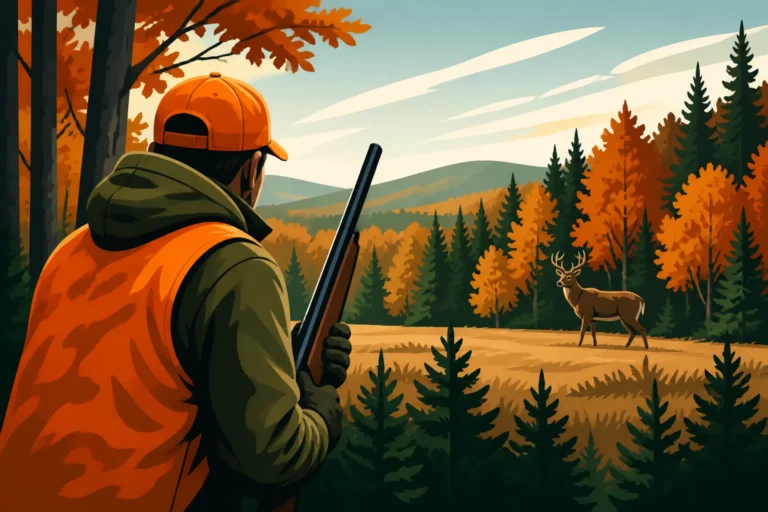
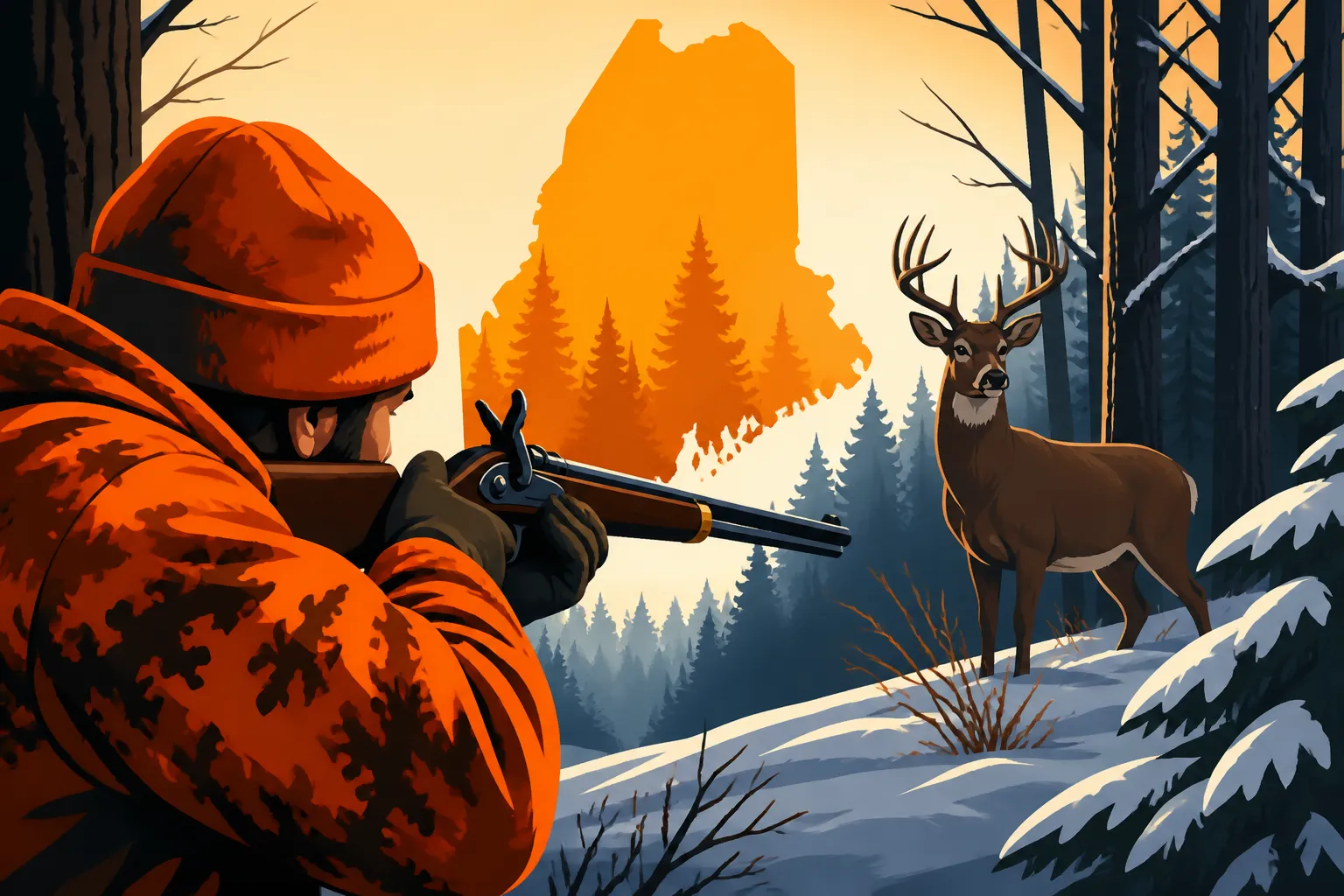
That crisp, frigid air of mid-December hits differently when you're still carrying a muzzleloader tag in Maine. The regular firearms season is a distant memory, the woods are quieter, and the deer, already wary from weeks of pressure, seem to have vanished into thin air. Many of us know that sinking feeling of scrambling in the final days, wondering if a successful late-season hunt is even possible. This comprehensive guide will arm you with the strategies, knowledge, and mindset you need to truly thrive during Maine's challenging yet incredibly rewarding mid-December muzzleloader close.
Understanding the Late-Season Landscape and Deer Behavior
Hunting in mid-December isn't just "cold-weather hunting"; it's a completely different ballgame from the early archery season or even the peak of the firearms rut. The landscape has changed dramatically, and with it, the deer's priorities and movements.
The Harsh Reality of Mid-December Conditions
By the middle of December, Maine's woods are often blanketed in snow, sometimes deep enough to make travel difficult for both deer and hunters. Temperatures frequently dip well below freezing, and the wind can cut right through even the best layers. This isn't just uncomfortable; it fundamentally alters the deer's behavior. Their primary focus shifts entirely to survival: finding available food, conserving energy, and seeking thermal cover to escape the bitter cold and biting wind. Forget about the rut; those lovesick bucks are long past their prime, exhausted and focused on rebuilding their reserves before the worst of winter hits.
The deep snow, particularly in the northern and western parts of the state, forces deer into specific areas known as deer wintering yards. These conifer stands, typically balsam fir and cedar swamps, offer crucial thermal protection and some browse. Understanding where these yards are located is paramount. While some bucks might still be cruising the edges of traditional rut travel corridors, most are already in or actively moving toward these winter havens. Recognizing these shifts is crucial for anyone Hunting Into the December Muzzleloader Close.
Deer Movement Patterns After Weeks of Pressure
Let's be real: by mid-December, most deer have been educated. They've heard rifle shots, smelled human scent, and seen more orange than they care to remember. The deer you encounter now are the survivors, the ones that are naturally more cautious or have learned to adapt to hunting pressure. They're moving less during daylight hours, sticking to the thickest cover, and often only venturing out to feed under the cloak of darkness or during severe weather when most hunters are tucked inside.
This means you're unlikely to find deer casually browsing in open fields during the day. Their travel routes will be through dense regenerating timber, along creek bottoms, or in the deepest cedar swamps, offering maximum concealment. They'll use every topographical advantage, moving with the wind at their nose, making any direct approach a significant challenge. This heightened wariness demands a much more subtle, patient, and methodical approach from the hunter. Tools like GoHunt can be invaluable for identifying satellite imagery of dense cover and potential travel corridors, helping you pinpoint these sanctuary areas from home.
Strategic Approaches for Mid-December Muzzleloader Success
Given the tough conditions and wary deer, standard hunting tactics often fall short. Success in the late muzzleloader season requires specific, adapted strategies that account for cold, snow, and deer survival instincts.
Focusing on Late-Season Food Sources
With most agricultural fields long since harvested and natural mast crops like acorns depleted, deer become incredibly selective about what they eat. Their diet shifts to browse: woody stems, dormant buds, and any remaining green forage under the snow. Identifying Late-Season Food Sources for Maine Whitetails is your number one priority. In many areas, this means targeting clear-cuts with abundant regenerating saplings, particularly maples, aspen, and oak, or areas where persistent green forbs might still exist, such as around spring seeps or sheltered south-facing slopes.
Consider apple orchards, if available and not completely picked over. Even fallen, frozen apples can be a magnet. However, the most consistent late-season food will be browse within or very close to thermal cover. Deer won't expend precious energy traveling long distances for food if adequate forage is available in their secure bedding areas. This concentration of food and cover makes these areas prime candidates for setting up a stand or still-hunting.
Here's a quick look at some key late-season food sources and where to find them:
| Food Source Type | Typical Location | Deer Preference |
|---|---|---|
| Browse (woody stems) | Clear-cuts, regenerating forest, cedar swamps | High |
| Dormant Buds | Hardwood ridges, mixed forests | Medium-High |
| Hard Mast (leftovers) | Oak ridges, beechnut stands (if any remain) | Medium |
| Soft Mast (apples) | Abandoned orchards, old homesteads | High |
| Persistent Greens | Spring seeps, sheltered stream banks | Low-Medium |
Still-Hunting and Tracking in Snow
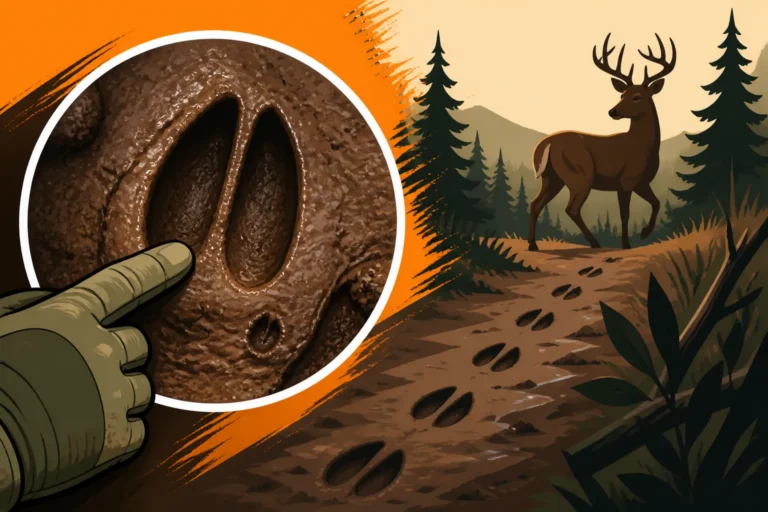
Still-hunting becomes an incredibly effective strategy when there's fresh snow on the ground, especially during the muzzleloader season. New snow allows for quiet movement and, crucially, reveals fresh tracks. When you're Tracking a Deer in Fresh Maine Snow, you're not just looking for a deer; you're deciphering its story. You can tell if a deer is alone or with others, if it's browsing, bedding, or traveling purposefully.
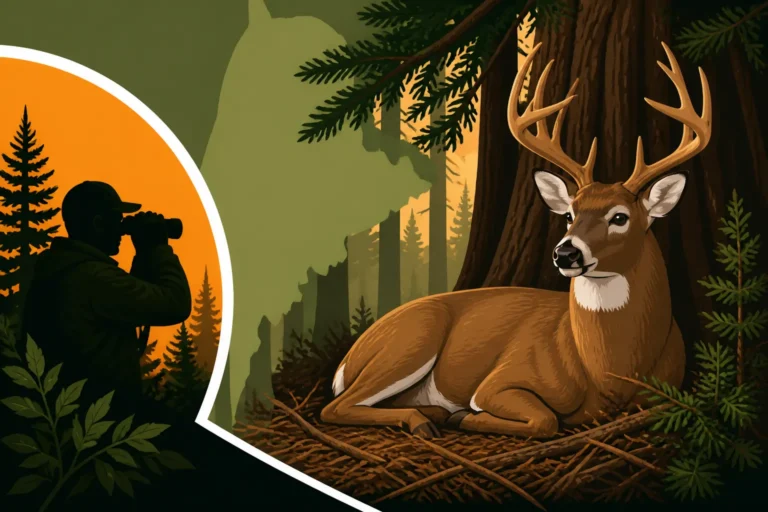
The key to successful still-hunting is slow movement. Take a few steps, then stop and glass thoroughly, looking for horizontal lines in a vertical world—the back of a deer, the curve of an antler, an ear twitch. Use your binoculars more than your feet. Focus on prime bedding areas near food sources or on the fringes of deer yards. When tracking, pay attention to the pace and direction of the tracks. A leisurely gait with frequent stops suggests a deer feeding or looking to bed, while a hurried pace might mean it's been spooked. Always approach potential bedding areas from downwind, circling around if necessary, to catch the deer unaware.
Strategic Stand Placement Near Thermal Cover
While still-hunting is great, a well-placed stand can also be lethal in mid-December. The trick is to rethink your usual stand locations. Forget the open fields and distant ridges; deer are seeking thermal cover first and foremost. This means looking for dense conifer stands—cedar swamps, thick spruce and fir—that offer protection from wind and snow. These areas are not only for bedding but often have browse available within them.
Look for transition zones where a thick conifer stand meets a regenerating clear-cut or a small hardwood ridge with leftover browse. Deer will stage in the thick stuff before moving out to feed, or bed down just inside the thermal cover after feeding. Place your stand on the downwind side of these transitions, covering the most likely travel routes between bedding and feeding. Consider using a ground blind, especially in areas with very thick cover that might make a tree stand impractical, or where you need to brush yourself in effectively. Using a Brushing In a Blind on a Field Edge strategy works just as well in the woods. Platforms like GoHunt can help you scout these thermal cover pockets and clear-cuts from aerial imagery, helping you pinpoint potential ambush sites without disturbing the woods.
Essential Gear and Cold-Weather Preparation
Mid-December in Maine is no joke when it comes to cold. Being unprepared isn't just uncomfortable; it can be dangerous. Proper gear and a solid cold-weather strategy are non-negotiable for a safe and effective muzzleloader hunt.
Layering for Extreme Cold and Staying Dry
The biggest challenge isn't just the cold, but staying dry while managing exertion. You'll sweat while walking in, then freeze when you sit. The solution is a meticulously planned layering system. Start with a moisture-wicking base layer (merino wool or synthetic, never cotton) to pull sweat away from your skin. Add insulating mid-layers (fleece, down, or synthetic puffies) to trap warmth. Finally, a waterproof, windproof outer shell is crucial to protect against snow, sleet, and the biting wind.
Carry extra layers in your pack, especially an insulated jacket for when you stop moving. Pay special attention to your extremities: warm, waterproof boots with ample insulation (at least 800-1200 grams), heavy wool socks (and a spare pair), insulated gloves or mittens, and a warm hat that covers your ears are all critical. A balaclava or neck gaiter can also make a huge difference in cutting the wind. Consider chemical hand and foot warmers for those long sits. Remember, your body's survival is paramount, so don't skimp on quality cold-weather gear. You might even consider a Cold-Weather Sitting Strategy in Maine for extended periods.
Muzzleloader Maintenance and Optics in Freezing Conditions
Your muzzleloader needs extra attention in freezing conditions. Moisture is the enemy, so ensure your bore is absolutely dry and well-oiled after cleaning. Some hunters use a thin coating of anti-corrosion spray or specialized muzzleloader grease to prevent rust and corrosion. A simple piece of electrical tape over the muzzle can keep snow and moisture out of the barrel until you need to shoot.
Optics can fog up, especially when moving from cold air into a warmer vehicle or when exhaling near them. Use anti-fog treatments on your scope and binoculars. Keep your optics covered when not in use. Batteries in red dot sights or illuminated reticles drain much faster in the cold, so always carry spares and keep them warm, ideally in an inside pocket. Practice loading your muzzleloader with cold, stiff fingers while wearing gloves at home, so you're not fumbling in the field when it counts. Remember the specific requirements for Maine Muzzleloader Season Dates by WMD for the zone you are hunting in.
Emergency Preparedness and Safety
Late-season hunting in Maine is often done in remote areas, with fewer hunters and harsher conditions. Self-reliance and emergency preparedness are vital. Always carry a fully charged cell phone (though service can be spotty), a headlamp or flashlight with extra batteries, a fire-starting kit, a first-aid kit, and enough high-energy snacks and water to last longer than you anticipate being out. Tell someone exactly where you are going and when you expect to return. Consider carrying a GPS device or using a mapping app like GoHunt on your phone to track your location and navigate, especially if you plan to Recovering a Deer From a Cedar Swamp or other dense cover. The risk of getting lost or injured is significantly higher when snow covers familiar trails and temperatures plummet.
Navigating Maine's Muzzleloader Regulations and Registration
Understanding the specific rules for Maine's muzzleloader season is just as important as your hunting strategy. This includes knowing your WMDs, permit requirements, and how to properly register your harvest.
Muzzleloader Season Specifics by WMD
Maine's muzzleloader season typically extends past the general firearms season, offering a valuable opportunity to pursue deer when other methods are closed. However, the exact dates and antlerless permit eligibility can vary significantly by Wildlife Management District (WMD). It's crucial to consult the current Maine Hunting and Trapping Laws Summary book or the Maine Department of Inland Fisheries and Wildlife (MDIFW) website for the specific WMD you plan to hunt. Some WMDs might offer extended muzzleloader opportunities or allow the harvest of antlerless deer on a valid deer permit without an additional antlerless permit during this timeframe. Always double-check these details before heading out, especially if you plan on Hunting a Muzzleloader Tag After Firearms Closes.
Remember, during the muzzleloader season, you must still adhere to blaze orange requirements, even if you are the only one in the woods. Safety is paramount, and visibility protects you from other potential hunters or even stray recreationalists.
Proper Deer Registration in Late Season
Successfully harvesting a deer in mid-December brings the next step: registration. In Maine, all deer must be registered at a designated registration station or through the online/app system within 18 hours of harvest. This is vital for the state's wildlife management efforts, providing crucial data on harvest numbers, deer health, and population trends.
If you're hunting in a remote area, plan your registration logistics carefully. Many smaller registration stations might have limited hours in the late season, or even be closed. The MDIFW app offers a convenient way to register your deer from the field, which can be a lifesaver when you're far from a physical station, especially if you've already had to Field Dressing a Deer in Cold Weather and want to get it processed quickly. Always ensure you have a valid hunting license and any required permits with you when you register your deer, whether in person or electronically. Understanding Maine Deer Registration Requirements is non-negotiable.
Maintaining Maine's CWD-Free Status
Maine proudly maintains its Chronic Wasting Disease (CWD)-free status, a critical factor for the health of our deer herd. While CWD is not currently in Maine, the MDIFW remains vigilant. Hunters play a vital role in this by understanding and adhering to regulations regarding the transportation of deer carcasses, especially if you've traveled to other states where CWD is present. Generally, only deboned meat, hides without the head, skulls that have been cleaned of all brain and spinal cord tissue, and taxidermy mounts are permitted to cross state lines into Maine from CWD-positive areas. Always check the latest regulations to ensure you're not inadvertently putting Maine's deer population at risk. For more information, you can always refer to resources on Maine's CWD-Free Status Explained.
Disclaimer
Always consult the official Maine Department of Inland Fisheries and Wildlife (MDIFW) regulations for the most current and accurate hunting laws and season dates before heading into the field. This guide provides general information and recommendations, not legal advice.