Hanging a Stand on a Private Land Field Edge
Trying to pick the perfect stand location on private land, especially along the edge of a field, can feel like trying to solve a puzzle with missing pieces. You know the deer are there, you see the tracks, but consistently getting within range for a clean shot without spooking every deer in the county? That's the real challenge. This guide is all about peeling back the layers on successful field edge stand placement, ensuring you understand not just where to hang your stand, but why it's the best spot, and how to hunt it effectively in Maine's diverse landscapes.
Why Field Edges Are Irresistible to Maine Deer
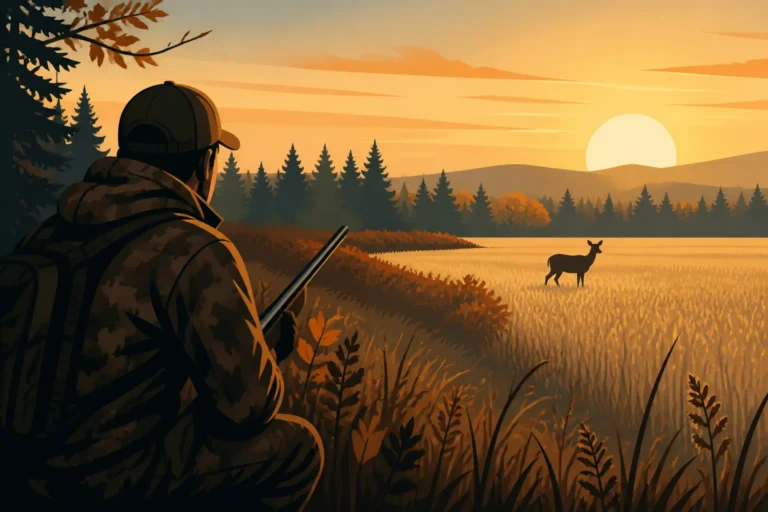
Deer are creatures of habit and efficiency. They need food, water, and cover, and a field edge often provides a perfect blend of these necessities. Think about it: they can feed openly in a field, yet be just a few steps away from dense cover if danger arises. This transition zone is where a lot of the magic happens for hunters, but it’s also where your scent, noise, and visibility can be easily compromised if you’re not strategic.
Food, Cover, and Travel Corridors All in One
A field edge isn't just a line in the dirt; it's a dynamic ecosystem. On one side, you have agricultural fields—corn, soybeans, oats, clover, or even just lush grass and forbs—all offering critical calories, especially in the early season. On the other side, you have the security of timber, thickets, or overgrown hedgerows. Deer use this dense vegetation for bedding, concealment, and as safe travel routes between bedding areas and other food sources. These edges become natural highways for deer, providing a sense of security while they move.
During the daytime, deer will often stage in the thicker cover adjacent to a field, waiting for dusk to fall before stepping out into the open to feed. As dawn breaks, they reverse the process, moving from the field back into the safety of the woods. This twice-daily movement, often predictable, is what makes field edges so appealing. Your job, as a hunter, is to intercept them during these transitions without alerting them to your presence.
Understanding Deer Behavior Along the Edge
Deer use field edges differently depending on the time of year and their specific needs. In early archery season, especially in September and early October, you'll see more family groups (does and fawns) feeding openly in the fields, often shortly after sunrise and before sunset. Bucks, on the other hand, tend to be more nocturnal or crepuscular, often sticking just inside the treeline or making a quick appearance at last light. They're still focused on building fat reserves for the upcoming rut.
As the rut approaches and throughout Maine's November firearms season, buck behavior shifts dramatically. They'll actively cruise these field edges, scent-checking for receptive does that might be moving in or out of the fields. This is when you might see a mature buck step out confidently in broad daylight, driven by the urge to breed. Understanding these seasonal shifts is crucial for proper stand placement and timing your hunts. A stand that's perfect for early season might be a bust during the peak rut, and vice-versa.
Scouting for the Sweet Spot Along the Field Edge
You can't just slap a stand up anywhere along a field edge and expect success. The difference between "a field edge" and "the sweet spot on a field edge" is often subtle, but it's everything. It comes down to meticulous scouting, understanding terrain, and paying close attention to the details deer leave behind. Tools like the GoHunt app can be invaluable here, letting you mark observations, check wind direction forecasts, and analyze terrain features from your phone before you even step foot in the woods.
Reading the Sign: Tracks, Rubs, and Scrapes
Deer leave a clear narrative of their movements and intentions if you know how to read it. When scouting a private land field edge, look for concentrations of fresh deer sign. Tracks leading in and out of the field are obvious, but pay attention to where they enter and exit the woods. Are there distinct trails? Are they heavily used? Scrapes—areas where bucks paw away leaves and urinate, often with an overhanging branch called a "licking branch"—are like signposts, signaling where bucks are actively patrolling. You can learn more about "Scrape Lines Along a Logging Road" for similar sign analysis. Rubs, where bucks scrape their antlers on trees, also indicate frequent travel, especially by more mature bucks.
Don't just look for any sign; look for fresh sign and patterns. A single rub or scrape might be an anomaly, but a line of rubs leading from a bedding area to a field edge, or a series of scrapes along a particular stretch of timber, tells a story of consistent deer movement. The fresher the sign, the more recent the activity, and the higher the likelihood of deer using that spot regularly. This is where your stand needs to be, right in the heart of their preferred travel corridor along the edge.
Wind, Thermals, and Your Undetected Approach
This is arguably the most critical factor in field edge hunting. Deer have an incredible sense of smell, and a single gust of wind carrying your scent into the field or into their staging area can blow your hunt before it even begins. You need to understand prevailing winds in your hunting area and, just as importantly, how thermals work. Thermals are air currents that rise as the sun heats the ground in the morning and fall as the air cools in the evening. In Maine's hill country, warm air typically rises up slopes in the morning, and cool air flows down them in the evening. This means your scent will travel differently depending on the time of day and the terrain. You can understand more about "Wind and Thermals in Maine Hill Country" in our other resources.
When placing your stand, always consider your dominant wind direction. You want your stand to be positioned so that your scent blows away from where the deer are likely to approach from and enter the field. This often means hanging your stand on the downwind side of a trail or funnel. The GoHunt app can provide real-time wind forecasts, helping you choose the right stand for the day. Your entry and exit routes are also paramount. You must be able to get to and from your stand without busting deer. This might mean walking a long way around, using a ditch or creek bottom for cover, or even timing your entry and exit to avoid peak deer activity.
Identifying Funnels and Pinch Points
While deer love field edges, they love them even more when those edges are constricted or channeled by natural features. These are known as funnels or pinch points. A funnel could be a narrow strip of timber between two fields, a small patch of woods extending into a larger field, or even a fence line or creek bed that forces deer to cross at a specific spot. These features concentrate deer movement, making your stand placement much more effective. If you can find a field edge that also incorporates a funnel, you've hit the jackpot.
For instance, a narrow finger of woods that juts out into a large cornfield gives deer a natural, covered path to get deep into the field without feeling exposed. Placing your stand at the base of that finger, where it meets the main field edge, puts you in a prime position. Similarly, if a hedgerow or creek runs along the field edge, look for breaks or crossings that deer are forced to use. These "choke points" are high-odds locations for intercepting deer. Learning about "Hunting a Funnel Between Two Woodlots" can offer similar insights into these strategic spots.
Strategic Stand Placement and Setup Techniques
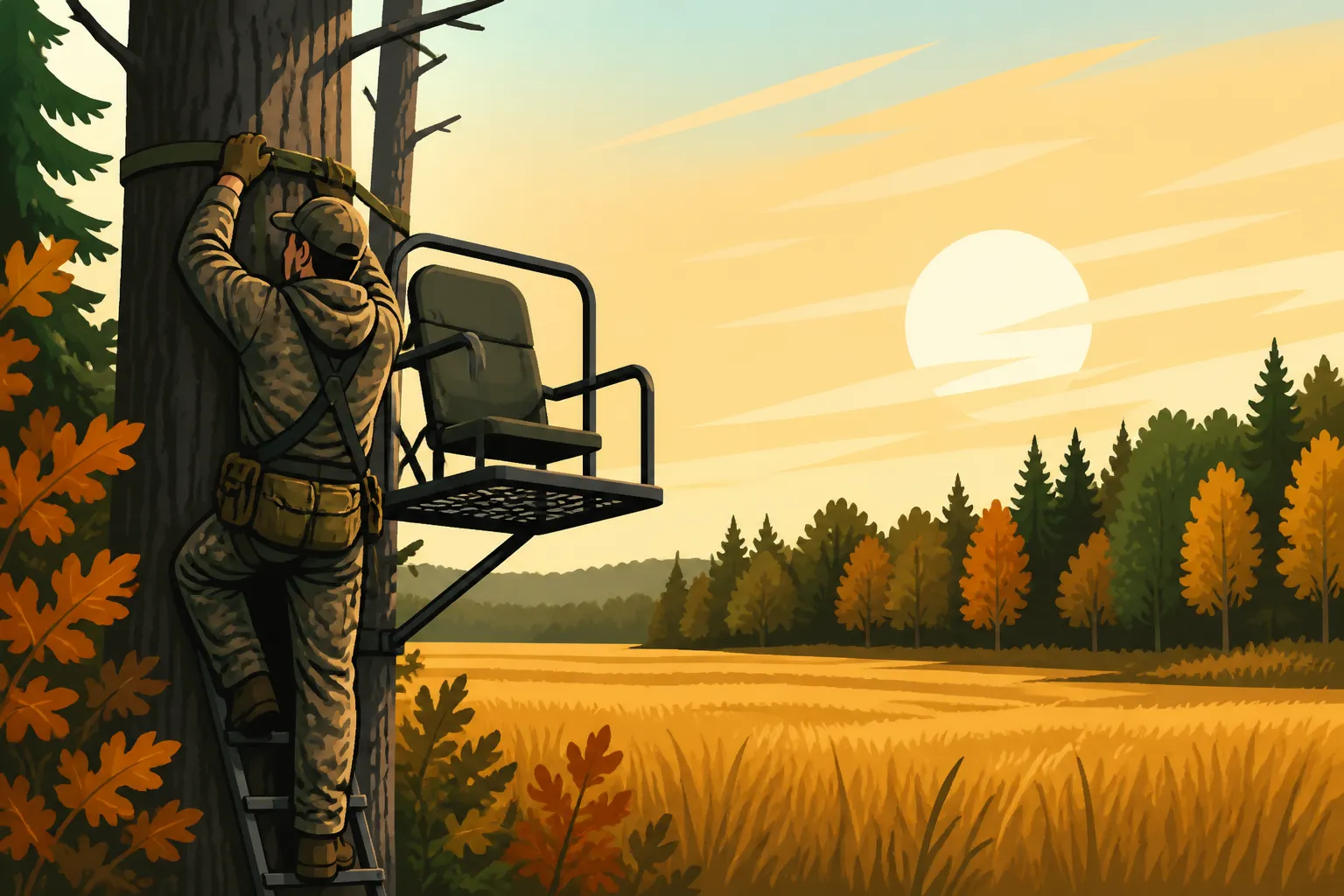
Once you've identified the perfect spot, the next step is strategically placing and setting up your stand. This isn't just about getting it up a tree; it's about making it disappear into the environment and optimizing it for the shot. Every detail, from the type of stand to the pruning of shooting lanes, plays a role in your success.
Choosing the Right Stand for the Edge
The type of stand you choose often depends on the specific tree cover, your mobility needs, and how long you plan to leave it up.
| Stand Type | Pros | Cons | Ideal Field Edge Scenario |
|---|---|---|---|
| Ladder Stand | Stable, comfortable, easy access, good for long sits | Less portable, conspicuous, limited to specific tree sizes/types | Permanent setups near frequently used entry/exit points in open woods |
| Hang-On Stand | Portable, versatile, can be hidden easily, less conspicuous | Requires climbing sticks, less comfortable, more effort to set up | Changing locations frequently, tighter cover, mature trees |
| Ground Blind | Highly concealable, comfortable, mobile, good for multiple hunters | Limited sight lines, potential for scent pooling, can be warm/cold | Areas with sparse trees, open edges, or where trees are too small |
For field edges, a ladder stand often works well for longer-term placements where you want comfort and stability, especially if you have a consistent access route. However, if the timber is sparse or the trees aren't suitable, a hang-on stand offers more flexibility, allowing you to get into tighter cover. Don't discount ground blinds, either. For "Brushing In a Blind on a Field Edge," you can create excellent concealment that’s surprisingly effective, particularly if you're hunting an open area with limited tree options, like a small woodlot or a fencerow along a field.
Entry and Exit Routes: The Overlooked Key
I've seen more hunts ruined by a poor entry or exit than by almost anything else. You could have the perfect stand in the perfect spot, but if deer see or smell you getting there or leaving, they'll pattern you in a heartbeat. Your entry route must be as silent and scent-free as possible, often taking a roundabout path that keeps you out of the deer's primary travel and bedding areas. This might mean using a creek bottom, a deep ditch, or a thick hedgerow as cover for your approach. Consider how to utilize terrain features that provide natural concealment, keeping you below the skyline or out of direct view.
For instance, if deer are entering the field from a specific corner, your approach should come from the opposite direction, downwind, using the deepest cover available. If you're hunting a cornfield, you might find that "Entry Routes Through a Cut Cornfield" offer unique advantages for concealment. Similarly, your exit should be just as carefully planned. It's often better to wait until well after dark to climb down, allowing deer to clear the field and return to their bedding areas, minimizing the chance of spooking them for future hunts. Sometimes, it means sitting tight and letting a few deer walk, knowing that preserving the spot's integrity is more important than pressing a marginal shot.
Concealment and Shooting Lanes
Once your stand is up, it's time to make it disappear. This means breaking up your silhouette, not just with camouflage clothing, but with the natural environment. Use climbing vines, evergreen branches, or even artificial camouflage netting to blend your stand into the tree. Your goal is for the stand to look like a natural part of the tree to a deer, even if they look up. Don't neglect the tree itself; if the trunk below you is bare, consider adding some brush to its base to break up your profile from the ground up.
Equally important are your shooting lanes. Before the season, trim any small branches that might deflect an arrow or bullet. Don't go overboard and create a gaping hole in the canopy, as this can make your stand obvious. Instead, trim just enough for clear lines of sight to your anticipated shooting zones. Always check your lanes from your seated and standing positions in the stand. Remember to consider all angles—straight ahead, to the sides, and even behind you if deer are known to approach from unexpected directions. A little foresight here can prevent a missed opportunity when the moment of truth arrives.
Seasonal Considerations for Field Edge Hunting
Maine's hunting seasons offer a diverse range of conditions and deer behaviors, meaning your field edge strategy needs to adapt. What works in early September won't necessarily be effective in late November, and certainly not in December. Being flexible and understanding these changes will significantly increase your odds. Maine's generous "Maine's Four-Week Firearms Deer Season" provides ample opportunity, but only if you adapt.
Early Season and Food Source Dominance
In the early archery season, from late September through October, deer are primarily focused on food. They're still in their summer patterns, trying to pack on calories before the lean winter months and the demanding rut. Field edges that offer highly palatable food sources, such as clover, alfalfa, soybeans, or standing corn, are absolute magnets. If you have access to a private land field that contains a standing apple orchard, that's another incredible early-season draw. You can find more specific advice on "Hunting a Standing Apple Orchard".
During this time, deer will typically feed in these fields in the evenings and mornings. Your stand placement should focus on the most active entry/exit trails leading to these food sources. Pay close attention to recent mast crops, too. If it was a poor acorn year, for example, deer might lean even more heavily on agricultural fields. Understanding "Hunting After a Poor Acorn Year" will tell you how mast crop failures impact deer movement. Look for edges where the deer feel most secure making that transition from cover to food.
The Rut and Cruising Bucks
As Maine's deer season progresses into November, the whitetail rut takes center stage. Bucks become highly mobile, driven by the urge to find does. Field edges transform into cruising highways for these bucks, as they'll scent-check the perimeter for receptive does emerging from the timber or passing through. This is when you might see bucks actively making and checking scrapes along these edges. You can learn specific tactics for "Hunting the Rut in Early November".
During the rut, bucks might be seen at any time of day, not just dawn and dusk. Your stand location should account for this broader pattern of movement. Instead of focusing solely on entry/exit trails to food, consider positioning yourself on a field edge that acts as a natural travel corridor between two bedding areas or a primary bedding area and a secondary food source. Look for pinch points or bottlenecks along the edge where bucks are funneled, increasing your chances of an encounter with a cruising mature buck.
Late Season and Remaining Food Sources
By late November and into Maine's muzzleloader season in early December, food sources become scarce, and deer are once again focused on survival. Any remaining high-calorie food in fields—like standing corn, brassicas, or even leftover soybean stubble—becomes incredibly valuable. These are the locations where deer will congregate, often moving in larger groups. This is a critical time to understand "Late-Season Food Sources for Maine Whitetails" to optimize your hunt.
Your strategy for late-season field edge hunting needs to revolve around these dwindling food sources. Deer will often wait longer in their bedding areas and only move into fields during the warmest parts of the day, or just before dark. The hunting pressure from the firearms season can also push deer into thicker cover, making their movements even more cautious. Placing your stand in a secluded corner of a field, or where a thicket provides immediate escape cover, can be particularly effective. Comfort in your stand is key during cold weather, as long sits become necessary to catch the deer during their limited feeding windows.
Disclaimer
Always consult the official Maine Department of Inland Fisheries & Wildlife (MDIFW) regulations for the current hunting laws, season dates, and licensing requirements before heading afield. Landowner permission is always required for hunting on private land in Maine.