Posting a Drive Around a Woodlot
There are few things more frustrating than spending hours still-hunting a promising woodlot, only to have a sneaky buck slip out the back door, unseen, while you’re focused on the front. Or perhaps you’ve tried to push deer with just a couple of buddies, only to have them squirt out the sides, rendering the effort fruitless. This guide is all about mastering the art of "posting a drive" around a woodlot, a classic and effective tactic to put venison in the freezer when still-hunting just isn't cutting it.
Understanding the Woodlot Drive Strategy
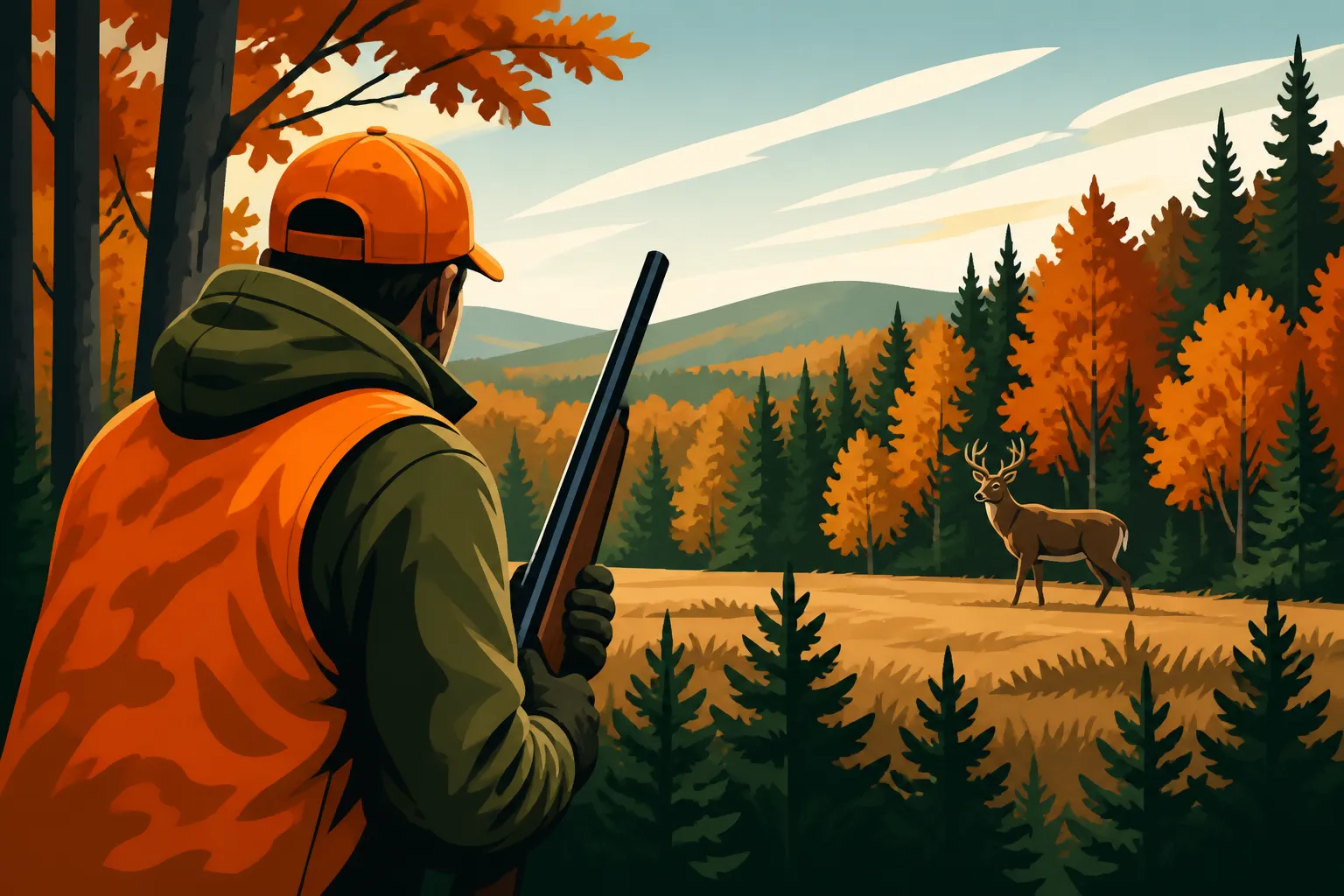
Deer drives, especially those where you "post" hunters, are a time-honored tradition in Maine, particularly during the firearms season when a little snow on the ground can reveal exactly where those wily whitetails are bedding. It’s a method that leverages a small team to encourage deer movement toward stationary hunters, often breaking them from dense cover they might otherwise hold tight in. But it's not just about making noise; it's a strategic chess match.
Why Drives Work and When They Don't
A successful drive hinges on understanding deer behavior. Whitetails are creatures of habit and often have preferred escape routes from specific pockets of cover. When drivers apply pressure, deer will typically try to use these known escape corridors. The key to a "posted" drive is predicting these routes and placing standers (the "posters") to cover them. This works exceptionally well in smaller, isolated woodlots or thickets, or even fingers of cover extending into open fields, where the deer's escape options are somewhat limited. It’s about channeling their natural flight instincts.
However, drives aren't a silver bullet. They can fall flat if you don't have enough hunters to effectively cover the escape routes or to create a wide enough line of drivers. Trying to push a massive block of timber with only two or three guys is usually a recipe for deer blowing out the sides, unseen and unmolested. Too few drivers, or drivers who don't stay in line, allow deer to simply circle back behind the pressure. Drives are also less effective in very open woods where deer can easily see the approaching drivers from a distance and melt away quietly. Consider the terrain carefully; a thick cedar swamp or a dense spruce plantation on the edge of a clearcut is a prime candidate for a drive, whereas mature, open hardwoods might be better suited for still-hunting or stand hunting.
The Concept of "Posting" Hunters
"Posting" is the critical element that distinguishes a successful drive from a random, ineffective walk through the woods. It refers to the strategic placement of stationary hunters (the "posters" or "standers") at known or anticipated escape points before the drivers begin their push. These spots could be natural funnels between two woodlots, a narrow pinch point where deer cross a logging road, or the downwind edge of a thicket where deer typically bail out.
The posters are the shooters. Their job is to remain absolutely still, vigilant, and ready, covering a specific sector or escape route. They need to be in position, quiet, and camouflaged (while still wearing their Maine Blaze Orange Requirements as mandated by law) well before the drivers even begin their approach. Often, they'll pick a tree to lean against or set up a natural ground blind, ensuring they have a good vantage point down anticipated travel lanes. This initial setup is paramount; if posters aren't in the right place, or they move too much, the deer will either skirt past them or bust out before the drive even starts. This isn't about running and gunning; it's about patient, calculated ambush.
Essential Roles and Setup for a Successful Drive
Every deer drive, especially a posted one, requires clear roles and excellent communication. Without a well-coordinated plan, it quickly devolves into chaos and, more importantly, can become unsafe. Think of it like a football play – everyone has a job, and everyone needs to execute it.
The Standers (Posters)
The standers are the cornerstone of a successful posted drive. Their primary role is patience and unwavering vigilance. They need to get into position silently and early, usually taking the longest route to avoid disturbing the woodlot they'll be hunting. This means no unnecessary noise, no rattling gear, and moving with the utmost care. Once in place, they become part of the landscape. They should identify their shooting lanes immediately, taking note of safe backstops and any potential obstacles. This isn't just about spotting deer; it's about having a safe, clear shot if one presents itself.
Consider the wind direction, too. Deer often try to circle downwind of drivers, so posters should be positioned to intercept deer using those wind currents to their advantage. A good poster understands that they might sit for an hour without seeing a thing, only for a buck to explode out of cover at the last minute. Patience is truly a virtue here. For example, if you're Hunting a Funnel Between Two Woodlots, a poster should be positioned to cover that narrow crossing, perhaps with a clear view down a logging road on either side.
The Drivers
The drivers are the active element, the ones putting the deer on the move. Their role is to systematically and safely push through the designated woodlot, encouraging deer to move towards the waiting standers. This isn't about running through the woods screaming; it's about a controlled, deliberate sweep. Drivers should maintain a relatively straight line, spaced appropriately to cover the width of the woodlot without leaving large gaps. The spacing depends on the density of the cover; in very thick spruce, you might need to be almost within sight of each other, whereas in more open timber, you can spread out a bit more.
Drivers often make some noise – consistent, but not frantic. This could be yelling, clapping, or simply the sound of their boots crunching on leaves. The goal is to make the deer uncomfortable enough to move, but not so panicked that they crash through the poster line in a full-blown sprint, making a safe shot difficult. One crucial aspect for drivers is understanding the terrain and knowing Where Maine Bucks Bed in Big Timber so they can focus their efforts on those high-percentage areas, ensuring they don't miss a key bedding thicket. Using a mapping app like GoHunt can be incredibly helpful for drivers to maintain their line and ensure they're pushing in the correct direction relative to the posters.
Pre-Drive Scouting and Communication
Before any boots hit the ground, meticulous planning and clear communication are non-negotiable. This starts with scouting the woodlot itself. You need to identify potential bedding areas, prominent deer trails, and, most importantly, the likely escape routes. Look for fresh deer sign like tracks, rubs, and scrapes, especially along the edges or near pinch points. A tool like GoHunt can be invaluable here, allowing you to mark key features, create a map of the proposed drive, and share it with your hunting partners. This ensures everyone is literally on the same page.
Once the woodlot is chosen, the team needs to sit down and discuss the plan in detail. Who are the standers, and exactly where will they post up? Who are the drivers, what will their starting line be, and what is their intended path? What is the signal to start the drive, and when does it end? How will you communicate during the drive? Two-way radios are excellent for this, allowing the lead driver to coordinate with standers, confirming positions and providing updates. Everyone must know their role and the boundaries of the hunt. This is also where you discuss Maine Hunter Education Requirements and ensure everyone understands safety protocols.
Executing the Drive: Tactics and Considerations
With the plan in place, it's time for execution. This phase demands discipline, awareness, and a continued focus on safety. A perfectly planned drive can go south quickly if the execution falters.
The Approach and Initiation
The standers must approach their positions covertly, taking a route that avoids the woodlot to be driven, and getting set up well in advance of the drivers. This might mean a longer walk around the perimeter, but it's essential for success. Once the standers are confirmed in position and ready (often via radio or a pre-arranged visual signal), the drivers can begin their approach to the starting line.
The drivers should form their line quietly at the designated starting point. The lead driver typically gives the signal to begin. The pace of the drive is crucial. A slow, steady push is often more effective than a frantic rush. A gentle, consistent pressure will encourage deer to walk or trot out, offering better, safer shot opportunities for the standers. A too-fast, aggressive push can cause deer to bolt wildly, making them harder to hit safely. The goal is controlled movement, not panic.
Navigating the Woodlot
As the drivers advance, they must maintain their line and direction. This can be challenging in thick Maine cover, where visibility is often limited to a few yards. Compass use, GPS devices, or mapping apps like GoHunt are indispensable for staying on course. If the terrain changes, say from open timber to a dense spruce thicket, drivers might need to adjust their spacing, closing ranks to prevent deer from slipping through unseen.
Drivers should pay close attention to signs of deer movement ahead of them, like fresh tracks in soft ground or the subtle flick of an ear. If a deer breaks back through the driver line, communication is key. The driver who saw it should alert the others, not just about the deer but also its direction of travel. Knowing Reading Maine Mud for Fresh Deer Movement can tell a driver if deer are moving ahead or doubling back. The drivers should continue their push until they reach the pre-determined end point, which is typically visible to the standers.
Safety First: A Non-Negotiable
This simply cannot be stressed enough: safety is paramount. Deer drives inherently involve hunters moving and others standing, potentially increasing risk if protocols aren't followed. Everyone in the party must wear sufficient blaze orange, as required by Maine law. Before anyone even steps into the woods, everyone must be absolutely clear on the location of other hunters and the safe shooting lanes.
Standers should only shoot at deer within their pre-determined safe shooting lanes, and never at sound or movement. Positive target identification is critical. No shot is worth risking a fellow hunter. Drivers should also be aware of the standers' positions and avoid pushing deer directly towards them if there's any doubt about a safe shot. It’s a collective responsibility. If you're running Deer Drives With Three or Four Hunters, the safety briefings become even more critical to ensure everyone understands their boundaries and responsibilities.
| Role | Primary Responsibilities | Key Safety Considerations | Tools & Tips |
|---|---|---|---|
| Standers | – Remain still and silent | – Positive target ID (no shooting at sound) | – Mapping app (GoHunt) to confirm position |
| (Posters) | – Cover assigned escape routes/shooting lanes | – Clear understanding of safe shooting zones and backstops | – Binoculars for scanning |
| – Be ready for a shot at any moment | – Never shoot towards drivers or unknown areas | – Dress for long periods of stillness | |
| Drivers | – Maintain a consistent line and pace | – Awareness of standers' positions at all times | – GPS/Mapping app (GoHunt) for maintaining line/direction |
| – Apply steady, moderate pressure to move deer | – Communicate deer movement and direction clearly | – Two-way radios for communication | |
| – Know designated start/end points of drive | – Wear ample blaze orange for visibility | – Study the woodlot beforehand, identify escape routes |
Post-Drive and Learning from Experience
Once the drive is complete, the work isn't necessarily over. There are crucial steps to take immediately after, and then reflections that can improve future hunts.
After the Drive: What to Do
Once the drivers reach the end of the woodlot or the pre-determined meeting point, everyone should remain still for a few minutes. Deer often pause just outside the pressure, looking for an opportunity to circle back or escape. A few minutes of quiet can sometimes result in a late-breaking opportunity for a poster. If a shot was fired, the stander should immediately communicate to the rest of the group. No one should rush in prematurely.
If a deer was hit, the group should gather, assess the hit, and begin Tracking a Deer in Fresh Maine Snow or whatever conditions prevail. It's often best to let the deer lie for a short period (15-30 minutes for a good hit, longer for a marginal hit) before tracking, allowing it to expire quietly. This is also a good time for a quick debrief: what did everyone see? Where did deer try to go? This immediate feedback is invaluable for learning. Once the deer is recovered, it's time for the important steps of Field Dressing a Deer in Cold Weather and then getting it to a registration station, or Registering a Maine Deer Online via the state's app.
Refining Your Strategy for Next Time
Every drive is a learning experience. After the hunt, take some time to discuss what worked and what didn't. Did the deer consistently try to escape through an unexpected route? Were the drivers too fast or too slow? Were the standers positioned optimally? Perhaps you discovered a new funnel, a "sweet spot" that deer always seem to use when pressured. This information can be noted on your GoHunt mapping app for future reference.
Consider the specific woodlot. Some patches of cover might lend themselves to a "hard" push with more noise, while others might require a more subtle, quiet approach to nudge deer out. The size and experience of your hunting party also play a role. A seasoned group might be able to effectively cover a larger area or handle a more complex drive than a smaller, less experienced team. By analyzing each drive, you can continuously refine your tactics, making your next outing even more successful. Learning from mistakes and adapting your approach will ultimately lead to more venison on the table and more memorable experiences in the Maine woods.
Disclaimer
Please remember that hunting regulations, seasons, and licensing requirements can change. Always consult the most current Maine Department of Inland Fisheries and Wildlife (MDIFW) regulations before planning any hunting trip. Safety should always be your number one priority when hunting.