Running a Trapline in Rural Maine
For anyone who’s felt the pull of the Maine woods, the idea of running a trapline can be both exciting and a little overwhelming. It's a deeply rooted tradition, but navigating the regulations, understanding animal behavior, and setting up an effective, ethical line can feel like learning a whole new language. This guide is here to break down the complexities, from getting your first license to understanding the nuances of the landscape, so you can confidently and responsibly pursue furbearers in rural Maine.
Getting Started: Licenses, Education, and Regulations
Diving into trapping in Maine isn't something you just wake up and decide to do on a whim. It requires preparation, a solid understanding of the rules, and a deep respect for the animals and the land. The first step, naturally, involves getting all your ducks in a row with the legal side of things.
The Essential Paperwork: Licenses and Permits
Before you even think about setting steel on the ground, you need to be properly licensed. Maine has a specific set of requirements for trappers, and it's important not to cut any corners. You'll need a basic hunting or trapping license as a foundation. For residents, this usually means your general hunting license, and then you add on a specific trapping permit. Non-residents face slightly different requirements, often needing a combination license that covers both hunting and trapping, or a dedicated nonresident trapping license.
The cost can vary depending on whether you're a resident or non-resident, and your age. For example, a Maine resident might pay around $30-$40 for their basic trapping license, while a non-resident could be looking at well over $300 for a comparable permit. This can be a real sticker shock for folks new to the state or just looking to try trapping for the first time. The good news is that once you have it, you're generally covered for a full license year, but always double-check the expiration dates. You can typically purchase your Maine Trapping License Requirements online through the Maine IFW portal or at authorized agents throughout the state. Don't forget, if you’re traveling to Maine, it's wise to get all your Maine Nonresident License Options sorted well in advance of your trip.
Trapper Education: A Foundation of Knowledge
Just like hunter education is mandatory for most first-time hunters in Maine, trapper education is a critical step for new trappers. This isn't just about passing a test; it's about instilling the knowledge and ethics necessary to trap safely, humanely, and legally. These courses cover everything from trap types and setting techniques to furbearer identification, wildlife conservation, and crucial safety protocols.
You'll learn about the different types of traps — foothold, body-gripping (like conibears), and snares — and when and where each is appropriate. More importantly, you'll learn about humane dispatch methods, how to properly handle animals, and the importance of swift, ethical action. Many trapper education courses in Maine involve a significant hands-on component, which is invaluable. You'll get to practice setting and disarming traps, learning to make sets that are effective for target species while minimizing the risk to non-target animals. It's a chance to ask questions from experienced trappers, pick up tips, and truly understand the responsibilities that come with running a trapline. Without this foundational knowledge, you'd be fumbling in the dark, and that’s not fair to the animals or the tradition.
Understanding Maine's Trapping Laws: What You Can and Cannot Do
Maine's trapping regulations are comprehensive and designed to ensure fair chase, public safety, and the sustainability of furbearer populations. It's not enough to just have a license; you need to understand the nuances of the law. One of the biggest areas of regulation involves trap types and their placement. For instance, there are strict rules about the jaw spread of foothold traps, especially when used on land, to ensure they're appropriate for the target species and don't injure larger, non-target animals. Body-gripping traps also have size limitations and specific placement requirements, often needing to be submerged in water or placed in a "cubby" to prevent non-target capture.
Checking your traps is another critical regulation. In Maine, all traps must be visited at least once every 24 hours. This isn't just a recommendation; it's the law, and for good reason. It ensures that animals aren't left in traps for extended periods, reducing stress and potential injury, and allowing for humane dispatch as quickly as possible. You also need to consider setback distances — how far traps must be from public roads, buildings, or certain trails. This is about public safety and preventing accidental contact with pets or people. Finally, every trap must be permanently tagged with the trapper's name and address or license number. This traceability is crucial for enforcement and responsibility. Maine also has specific rules around Maine Sunday Hunting Rules and how they might affect trapping activities, especially near areas where hunters might be present. It's a lot to take in, but sites like GoHunt can provide updated regulatory information to help keep you on the right side of the law.
Scouting and Setting Your Trapline in the Maine Wild
Once you've got your licenses and education squared away, the real fun begins: getting out into the woods and finding spots for your trapline. This is where your skills as a woodsman truly come into play.
Finding the Right Ground: Private vs. Public Land
Maine is unique in its land access traditions. Much of the state, particularly the vast timberlands of the north, operates under a system of implied permission for recreational use, including hunting and trapping, on unposted private land. This Maine's Private Land Access Tradition is a treasure, but it also comes with responsibilities. Always assume that land is private unless clearly marked as public. If you're going to be trapping on land that isn't publicly designated, the best practice is always to seek explicit permission from the landowner. A simple conversation can prevent a lot of headaches later on.
For private parcels closer to towns or active farming areas, permission is absolutely essential. Many landowners are happy to grant access to responsible trappers, especially if they have nuisance furbearers like raccoons, skunks, or beavers causing damage. You can use resources like the GoHunt app, which often has layers showing land ownership, to identify landowners and property boundaries. This is incredibly helpful when you're trying to Find Maine Property Lines and make sure you're not encroaching on someone else's land without permission. Additionally, there are numerous public lands, including Wildlife Management Areas (WMAs) and Public Reserved Lands, where trapping is generally permitted, though always check specific WMA rules. Don't forget about Scouting With the Maine Hunting App for additional mapping and intel.
Reading the Landscape: Where to Find Furbearers
Effective trapping is all about understanding furbearer behavior and habitat. You can’t just throw a trap anywhere and expect success. You need to scout thoroughly. What you're looking for depends on your target species. For semi-aquatic animals like beaver, muskrat, and otter, you’ll focus on waterways: streams, rivers, ponds, and particularly beaver flowages. Look for fresh cuttings, lodges, dams, and slides where animals enter and exit the water. These are natural funnels where you can intercept them.
For land-based predators like fox and coyote, you’ll be scouting field edges, logging roads, brushy transitions between different cover types, and areas where prey animals (like snowshoe hare or mice) are abundant. Look for tracks in the mud or snow, scat, and active dens. Raccoons and skunks are often found near agricultural areas, old farmsteads, and creek bottoms, anywhere there’s food and cover. Fisher and bobcat prefer dense, mixed woods with plenty of rocky outcrops or downed timber. Pay attention to natural pinch points, crossings, and travel corridors where animals are forced to move predictably. GoHunt’s detailed mapping, with its onX Layers for Maine Land Status and topography, can be an invaluable tool for identifying these key habitat features from your couch before you even step foot in the woods.
Choosing and Placing Your Traps: Tools of the Trade
Selecting the right trap for the right species and conditions is paramount. For beaver and otter, larger body-gripping traps (like Conibear 330s or 220s) set in underwater runs or channels are highly effective. For muskrats, smaller body-grippers (110s) or even small foothold traps are common. When targeting fox or coyote, most trappers use foothold traps, often offset or laminated, to ensure a humane catch and minimize injury. These are often set as "dirt hole sets" or "flat sets" using natural lures and baits. For raccoons, cage traps or smaller body-grippers are popular, especially near human habitation where you want to avoid non-target catches.
Trap placement is an art. It needs to be concealed from human eyes but accessible to the target animal. For foothold traps, this means blending the set into the natural surroundings, using local dirt, leaves, and sticks to make it look undisturbed. For water sets, ensure the trap is stable and secure so a caught animal can't move it. Always stake your traps securely, either with rebar stakes, drags, or by attaching them to solid objects, so a caught animal cannot escape with the trap. Consider the approach of the animal, the wind direction, and any natural guiding features that will funnel the animal directly to your set. For instance, when setting up for Maine Fox and Bobcat Trapping Season, understanding their travel patterns is key to successful trap placement.
Daily Management and Ethical Considerations
Running a trapline isn't just about setting traps; it's about a daily commitment to the animals, the environment, and the law. Ethical trapping is responsible trapping, and it defines the modern trapper.
The Daily Grind: Checking Your Traps
This is where the rubber meets the road. Maine law mandates that all traps be checked at least once every 24 hours. This means no sleeping in, no skipping a day because the weather is bad. This daily commitment is vital for several reasons. Firstly, it ensures the welfare of any animal caught. The quicker an animal is attended to, the less stress and potential for injury it experiences. Secondly, it allows you to reset traps promptly, maximizing your chances of catching more furbearers during the season. And thirdly, it’s a legal requirement; failing to check traps within the 24-hour window can result in fines and loss of trapping privileges.
Imagine it's a cold, snowy November morning. Your fingers are numb, and the drive down bumpy logging roads is slow. But you push on, knowing that an animal could be waiting. You might find a successful catch, or you might find a sprung trap that needs adjustment, or even a track in the snow indicating a near-miss that gives you clues for future sets. This constant monitoring and adaptation are what make a successful trapper. It's a demanding but rewarding part of the experience, deeply connecting you to the rhythms of the wild.
Handling Your Catch: Respect and Responsibility
Once you’ve successfully caught an animal, the responsibility shifts to humane handling and processing. Humane dispatch is a cornerstone of ethical trapping. This typically involves a swift and decisive method, such as a well-placed shot with a small-caliber firearm or a sharp blow to the head, to minimize suffering. This is something thoroughly covered in trapper education courses and should be practiced until proficiency is achieved.
After dispatch, the next step is processing the animal. This usually involves skinning and preparing the pelt for sale or personal use. Learning to skin quickly and efficiently is a skill that takes practice, but it's crucial for preserving the quality of the fur. Depending on the species, pelts may need to be stretched on specific boards and then dried. This meticulous work ensures that the animal is not wasted and its fur can be put to good use. Many trappers are deeply connected to the tradition of using all parts of the animal, honoring the life taken. If you’re interested in a comprehensive guide on this topic, you could look into resources on Field Dressing a Deer in Cold Weather or Butchering a Deer at Camp for similar principles of respectful processing.
Ethical Trapping: Minimizing Non-Target Catches and Impact
A truly ethical trapper strives to minimize non-target catches. This means using appropriate trap sizes, placing traps carefully, and knowing the behavior of various species in the area. For example, if you're trapping for muskrats in a shallow pond, using a body-grip trap that is submerged will primarily target muskrats and largely avoid larger, unintended animals that wouldn't enter a water set. When trapping for coyotes on land, using a well-blended dirt hole set with specific lures can reduce the chance of catching a domestic pet, though setbacks from homes and roads are the primary defense.
Some trappers also use "modified" traps, such as those with padded jaws or offset jaws, which are designed to reduce injury to any animal caught, whether target or non-target. If a non-target animal is caught and is unharmed, the ethical trapper will release it quickly and safely. This requires skill and often specialized tools to hold the animal while releasing the trap. It’s also important to be aware of protected species in Maine, such as the Canada lynx or American marten, and to avoid their known habitats when setting traps for other furbearers. Always be observant for any signs of disease or unusual behavior in your catches, and report anything suspicious to the Maine Wildlife Disease Monitoring Program. This level of care and awareness is what sets a responsible trapper apart.
Key Furbearers and Seasons in Rural Maine
Maine boasts a diverse array of furbearers, each with its own habitat preferences, behaviors, and specific trapping seasons. Knowing your quarry is half the battle.
Beavers and Muskrats: The Aquatic Harvest
Beavers are often the bread and butter of many traplines in Maine, especially in the vast forested regions. These industrious rodents create flowages that alter the landscape, and trapping helps manage their populations, preventing excessive flooding and timber damage. Their thick, warm fur is highly prized. Beaver season typically runs from late October or early November into April, but specific dates can vary by Wildlife Management District (WMD). Muskrats, smaller cousins to the beaver, are also prolific in Maine's waterways. They're often trapped along stream banks, in marshes, and around beaver ponds. Their season generally aligns with beaver season, offering a good opportunity for combination trapping.
For both species, water sets are key. Body-gripping traps (Conibears) are very effective when placed in active runs, dam crossings, or at the entrances to lodges. Foothold traps can also be used on drowning sets where the trap is secured in deep water. You'll be looking for signs like fresh cuttings, muddy slides, and active burrows. The beauty of trapping these aquatic species is that the cold water helps preserve the quality of the pelt. For more specific details, you can consult the regulations on Maine Beaver and Muskrat Trapping Trends for current season dates and specific WMD rules.
Fox and Coyote: The Land Predators
Red foxes and coyotes are widespread across Maine, from rural farmlands to deep woods. They offer a challenging and rewarding trapping experience. Coyote populations, in particular, have expanded significantly over the years, and trapping plays a role in managing their numbers, especially where they impact deer populations or livestock. Both species are typically targeted with foothold traps, often set as dirt holes or flat sets, using a combination of lures, baits, and urine to attract them.
The seasons for fox and coyote generally open in late October or early November and can run into March, often encompassing the coldest parts of winter when their fur is at its prime. Successful trapping for these canids requires attention to detail, excellent scent control, and a good understanding of their travel patterns and cautious nature. Scouting for tracks and scat along logging roads, field edges, and natural pinch points is crucial. While the primary method for taking coyotes is trapping, many trappers also engage in Maine Coyote Hunting Season Rules during hunting seasons, sometimes combining calling with trapping efforts.
Otter, Fisher, and Bobcat: Forest Dwellers
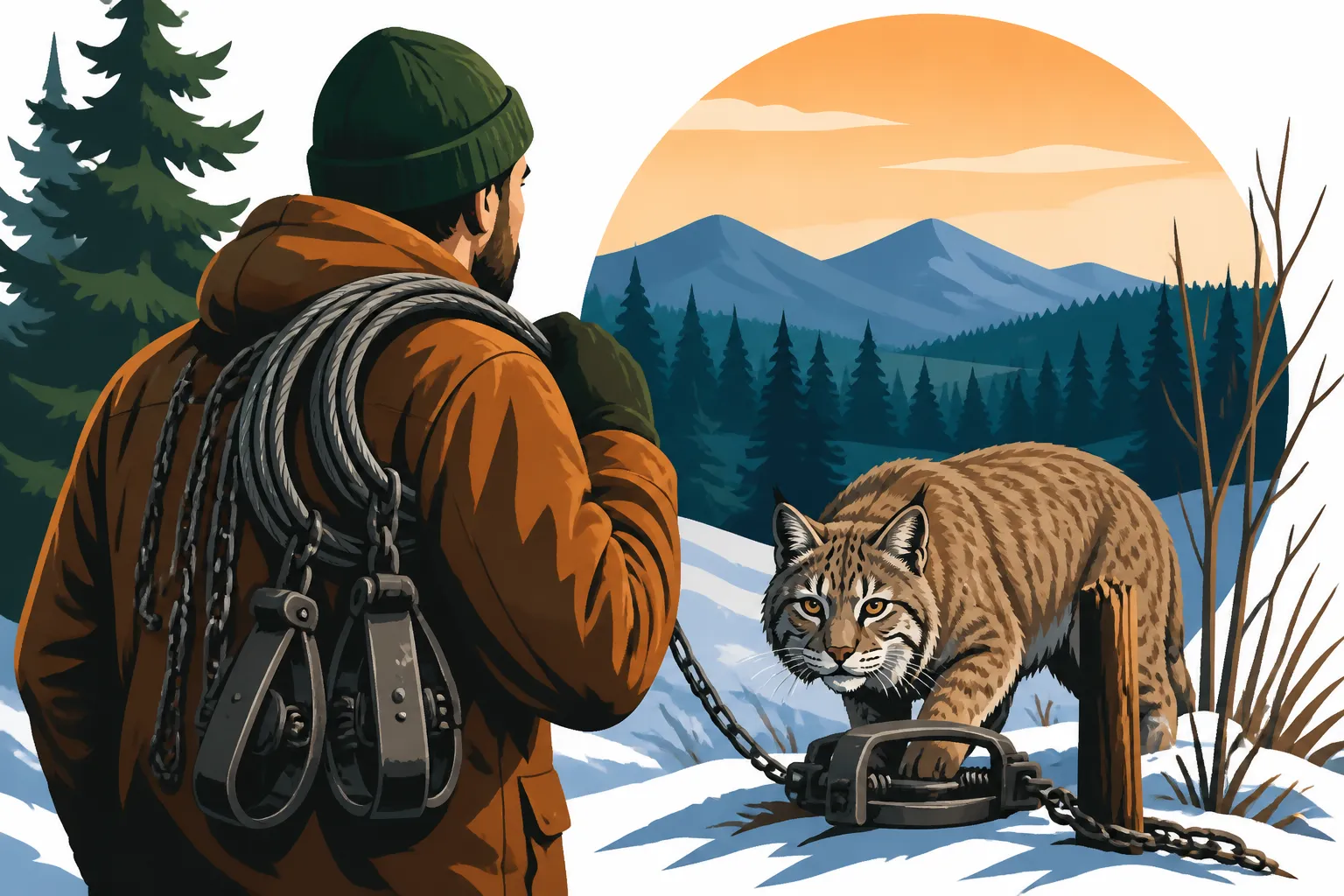
These three furbearers are often associated with Maine's more remote and wild areas, though otters can be found on many waterways, even near developed areas. River otters are playful and elusive, inhabiting rivers, streams, and ponds, often using beaver flowages. Their season is generally from November through March. Fishers are tenacious weasels of the deep woods, known for their dark, valuable fur. Bobcat, beautiful and solitary, are found in forested areas across the state. Seasons for these species are typically shorter and often have bag limits or specific WMD restrictions due to lower populations or management goals.
| Furbearer | Primary Habitat | Common Trap Types | Season Timing (General) | Notes |
|---|---|---|---|---|
| Beaver | Rivers, Ponds, Flowages | Body-Grip (220, 330), Foothold | Oct/Nov – Apr | Water sets are key |
| Muskrat | Marshes, Ponds, Streams | Body-Grip (110), Foothold | Oct/Nov – Apr | Often trapped with beaver |
| Fox (Red/Gray) | Field edges, Mixed woods | Foothold (1.5, 1.75), Cage | Oct/Nov – Mar | Scent control crucial |
| Coyote | Open fields, Forests | Foothold (1.75, 2), Snare | Oct/Nov – Mar | Intelligent, challenging to trap |
| Otter | Rivers, Ponds, Lakes | Body-Grip (220), Foothold | Nov – Mar | Often found in beaver ponds |
| Fisher | Mixed/Conifer Forests | Body-Grip (160), Cage | Nov – Dec (Limited) | Box/cubby sets |
| Bobcat | Dense Forests, Ledges | Foothold (1.5, 1.75), Cage | Nov – Dec (Limited) | Similar to fox/coyote sets |
| Raccoon | Farm fields, River bottoms | Cage, Body-Grip (160) | Sep – Dec/Jan | Often near human areas |
| Skunk | Farm fields, Suburban | Cage | Sep – Dec/Jan | Avoid direct contact |
For otter, water sets, particularly in constricted areas like culverts or narrow runs, are highly effective, often using body-gripping traps. Fisher are frequently taken in cubby sets or box traps, baited with meat, designed to protect the trap from snow and scavengers. Bobcat sets are often similar to coyote sets, but perhaps placed in denser cover or near rocky ledges where they prefer to travel. Due to their specific habitats and sometimes lower densities, trapping these species requires dedicated scouting and specialized knowledge. Make sure to check the specific regulations for Maine River Otter Trapping Season and Maine Fox and Bobcat Trapping Season as they can be quite detailed and change. Remember that the American Marten is a protected species in Maine and may not be legally trapped.
Raccoon and Skunk: Opportunists Near Human Habitation
Raccoons and skunks are incredibly adaptable and are found throughout Maine, often thriving in areas close to human activity like farmlands, suburban fringes, and rural homesteads. While their fur prices might not always match those of a prime beaver or otter, they are abundant and offer good opportunities for trappers, especially those looking to manage nuisance animals. Their season typically runs from September through January, making them an excellent early-season target.
Raccoons are notoriously curious and will investigate almost anything. Cage traps are highly effective for raccoons, especially around barns or gardens, and allow for easy release of non-targets. Dog-proof traps, which require the animal to reach into a pipe-like device for bait, are also popular as they are highly species-specific and minimize incidental catches. Skunks are generally trapped using cage traps as well, primarily to avoid their potent defense mechanism. Baits for both often include sweet foods, corn, or oily fish. When setting traps near developed areas, ethical considerations and public perception are paramount, emphasizing the use of discreet and safe trap types. More information can be found in the Maine Raccoon and Skunk Trapping guidelines to ensure you're compliant.
Disclaimer
The information provided in this guide is for informational purposes only and is not a substitute for official regulations. Hunting and trapping laws and regulations in Maine are subject to change. Always consult the current Maine Department of Inland Fisheries & Wildlife (MDIFW) regulations before engaging in any trapping activities. It is your responsibility to know and follow all applicable laws.