Maine Sea Duck Coastal Zone Line
It can be incredibly frustrating to plan a sea duck hunt along the rugged Maine coast, only to feel uncertain about where you're legally allowed to hunt, what birds you can target, and which regulations apply. That murky invisible line separating state and federal waters, often called the "Coastal Zone Line," is a source of confusion for many. This guide is here to untangle that knot, offering a clear, comprehensive breakdown of Maine's sea duck coastal zone line, its implications, and how to confidently plan your next hunt.
Understanding the Maine Sea Duck Coastal Zone Line
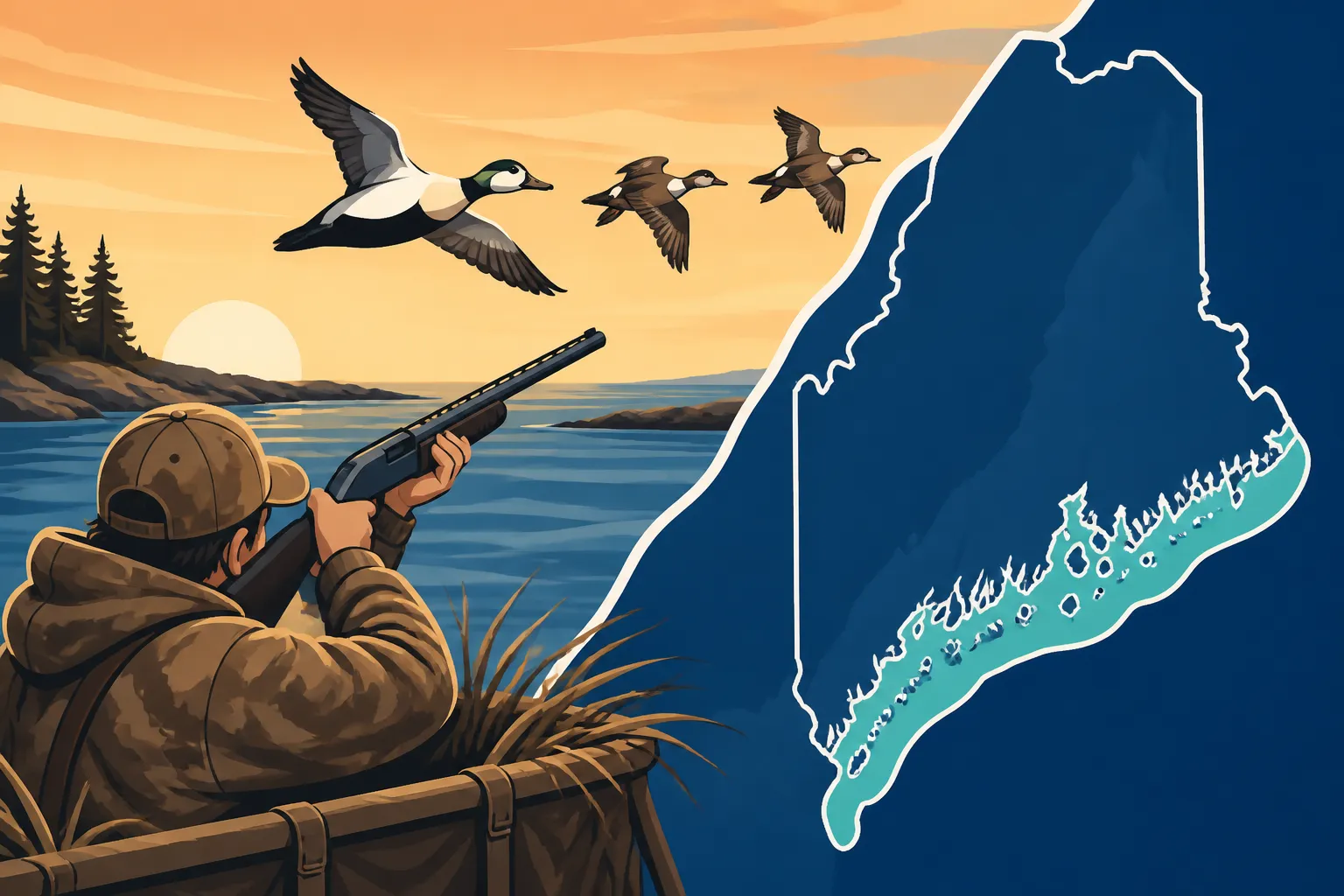
The Maine sea duck coastal zone line isn't just a suggestion; it's a critically important legal boundary that dictates specific hunting regulations. This invisible demarcation plays a huge role in how and where you can pursue sea ducks, such as eiders, scoters, and long-tailed ducks, here in the Pine Tree State. Missing the nuances of this line can lead to confusion, or worse, unintended violations.
What Defines the Coastal Zone Line?
Simply put, the Maine Sea Duck Coastal Zone Line generally refers to the line that separates Maine's state waters from federal waters. While the specifics can sometimes feel a bit technical, the generally accepted rule of thumb for most recreational boating and fishing, and indeed for sea duck hunting, is the three-mile limit from the coastline. This means that waters inside three nautical miles from the baseline (which often follows the low-water line or the outermost points of coastal islands and headlands) are considered state waters, and those beyond three miles are federal waters.
This line isn't a straight, easy-to-see marker on the water. It snakes around every cove, island, and point, making it a dynamic boundary. For hunters, this distinction is paramount because federal regulations can kick in once you cross that invisible threshold, potentially affecting everything from bag limits to firearm restrictions. Knowing exactly where you stand, or rather, where your boat is anchored, is vital for compliance and for maximizing your hunting opportunities in specific areas like the state's popular hunting grounds for Eiders on the Maine Coast or Scoters on the Maine Coast.
Why This Line Matters for Sea Duck Hunters
The coastal zone line matters immensely because it can determine the specific hunting regulations you must adhere to. While Maine does have unified sea duck seasons that apply across the board, certain aspects, particularly involving daily bag limits for specific species, can sometimes vary or be interpreted differently depending on whether you're in state or federal waters. Furthermore, enforcement jurisdiction can shift.
Beyond legalities, the line often corresponds to different hunting experiences. Nearer to shore, within state waters, you might find more protected coves, tidal flats, and smaller islands that offer different types of setups, perhaps more conducive to Decoying Eiders Off the Maine Coast in calmer conditions. Further out, in federal waters (or just beyond the immediate coastline), you're often in more open water, where sea ducks might be rafted in greater numbers, but conditions are also more exposed to heavy seas and strong winds. The types of birds present can also vary, with Long-Tailed Ducks Wintering Off Maine sometimes preferring deeper, more open water. This makes understanding the line crucial not just for legal reasons, but for tactical hunting decisions too.
Navigating the Zones: Tools and Techniques
Pinpointing the exact Maine Sea Duck Coastal Zone Line on the water can feel like trying to find a ghost, but with the right tools and a solid understanding of coastal geography, it becomes much more manageable. You absolutely don't want to be guessing when it comes to legal boundaries, especially when you've invested time, money, and effort into a hunt.
Using Maps and GPS for Zone Identification
In this modern age, technology is your best friend for identifying the coastal zone line. Gone are the days of squinting at paper charts trying to approximate three miles. Modern marine GPS units, chartplotters, and dedicated hunting apps can display this boundary with remarkable accuracy. Many popular hunting and fishing navigation apps, like GoHunt, offer layers that show marine boundaries, including state and federal waters. Before you even leave the dock, you should load up a detailed chart for your intended hunting area on your GPS or smartphone app. Zoom in, trace the three-mile line, and identify key landmarks that will help you orient yourself on the water.
Pay close attention to how the line interacts with islands, ledges, and prominent points. A common mistake is to assume a straight line, but the baseline from which the three miles are measured will undulate with the coastline. For instance, if you're hunting near islands off the coast of Phippsburg or Penobscot Bay, the three-mile line might extend much further seaward from the mainland if those islands are considered part of the baseline. Cross-referencing your GPS with official NOAA nautical charts or the Maine Department of Inland Fisheries and Wildlife (MDIFW) regulations map is always a good practice. This preparation is essential whether you're planning for Hunting Scoters From a Sea Duck Boat or Layout Boat Hunting the Maine Coast.
Different Hunting Approaches for Inland vs. Seaward
The coastal zone line often dictates very different hunting strategies. Within state waters, closer to shore, you're more likely to find protected bays, estuaries, and shallower ledges. Here, you might employ smaller boats, set up closer to shore, or even utilize land-based blinds if permission allows. These areas can be excellent for early morning flights of eiders moving between roosting and feeding areas. Calm conditions might allow for extensive decoy spreads in shallower water, where birds feel more comfortable. You'll want to carefully Reading a Ledge for a Morning Sea Duck Flight to predict bird movement.
Moving seaward, beyond the three-mile line into federal waters, the environment changes dramatically. This is often where you find large rafts of sea ducks far offshore, congregating in open ocean conditions. Hunting here typically requires larger, more stable boats capable of handling rough seas. Layout boats become a more practical option, allowing hunters to position themselves directly within feeding or resting flocks. The wind and waves are significant factors, and decoy spreads need to be robust and anchored securely against powerful currents. Hunters pursuing Long-Tailed Ducks Along the Coast might find themselves often just outside the three-mile mark, as these birds tend to prefer deeper, more exposed waters. This transition isn't always abrupt; there's a gradient of conditions and bird behavior as you move further from shore.
| Zone Category | Typical Conditions | Primary Hunting Methods | Common Sea Duck Species Targeted | Key Considerations |
|---|---|---|---|---|
| Inside Coastal Line (State Waters) | More protected bays, coves, tidal flats, shallower ledges; calmer waters | Shore blinds, smaller boat setups, extensive decoy spreads | Eiders, Scoters (closer to shore), occasional Long-Tails | Tides, landowner access for shore-based hunts, sheltered roosts |
| Outside Coastal Line (Federal Waters) | Open ocean, exposed ledges, deeper water; rougher seas, stronger currents | Larger sea duck boats, layout boats, robust decoy spreads | Scoters, Long-Tails, Eiders (rafted offshore) | Weather, boat stability, safety gear, larger bird congregations |
Species, Regulations, and Essential Gear
Understanding the coastal zone line isn't just about drawing an arbitrary line on a map; it's about connecting that line to specific species, bag limits, and the gear that will keep you legal and safe. Maine's diverse coastline offers incredible sea duck hunting, but it demands respect for the rules and the environment.
Bag Limits and Legal Requirements within the Zone
While Maine generally operates under Atlantic Flyway federal guidelines for sea ducks, the specific delineation between state and federal waters can influence enforcement and interpretation, especially regarding bag limits for certain species if federal frameworks change independently. It's imperative to always check the most current MDIFW hunting regulations and federal migratory bird regulations from the U.S. Fish and Wildlife Service, especially before Hunting the Split Sea Duck Season. For instance, the general daily limit for sea ducks might be 5, but there are specific restrictions within that 5-bird limit. You can only harvest a certain number of each specific species. For example, the Maine Scoter Daily Limit, Maine Eider Daily Limit, and Maine Long-Tailed Duck Daily Limit are often capped at 4, 3, and 3 respectively, with further restrictions on the number of hens you can take. These limits are typically uniform across state and federal waters, but staying informed through resources like GoHunt's regulation summaries or directly through the MDIFW website is crucial.
Always ensure you have your Maine Hunting Licenses and What They Cost, including a migratory bird hunting endorsement, and a valid Maine Federal Duck Stamp Requirement. Additionally, proper identification of your harvest is key. If you're unsure about a bird's species or sex, it's better to hold off. Understanding the Maine Sea Duck Bag Limit overall and its species-specific components is part of being a responsible hunter.
Essential Equipment for Coastal Sea Duck Hunting
Hunting sea ducks, particularly in the more exposed areas often found beyond the immediate coastal line, demands specialized gear that can withstand harsh marine environments. First and foremost, a reliable boat is non-negotiable. For hunting further offshore, you need a robust, unsinkable craft, typically 18 feet or longer, with a strong, well-maintained outboard motor. A secondary motor, even a small kicker, is a smart safety measure in open water.
Decoys are another critical component. Sea duck decoys are typically larger, heavier, and more durable than inland duck decoys, designed to ride big waves and withstand saltwater corrosion. Large spreads, often 50-100 decoys, are common to attract passing flocks. These will need heavy-duty rigging and anchors to prevent them from drifting in strong currents. Appropriate clothing for extreme cold, wind, and spray is also essential; think multiple layers of wool or synthetic materials, waterproof and windproof outer shells, and proper insulated boots and gloves. Beyond the basics, safety gear like a VHF marine radio, GPS, flares, a life raft (for really far offshore hunts), and an emergency position indicating radio beacon (EPIRB) are highly recommended. A good Maine Sea Duck Charter outfitter will have all this, but if you're going self-guided, the responsibility falls squarely on you.
Planning Your Hunt and Staying Safe
Hunting Maine's sea ducks offers some of the most exhilarating experiences in waterfowling, but it also comes with unique challenges, primarily dictated by the unpredictable nature of the ocean. Proper planning, especially when considering the coastal zone line, is paramount for both success and safety.
Weather, Tides, and Coastal Conditions
The ocean off the Maine coast is beautiful but unforgiving. Weather can change in an instant, transforming calm seas into treacherous whitecaps. Before every hunt, check multiple marine weather forecasts, paying close attention to wind speed and direction, wave height, and fog predictions. Wind against tide can create particularly nasty conditions, even in relatively protected waters. Many seasoned sea duck hunters will use resources like GoHunt or dedicated marine weather apps to track conditions for days leading up to their planned outing.
Tides are another huge factor. A rising or falling tide can significantly alter bird behavior, expose or cover ledges, and create strong currents that impact decoy placement and boat handling. Understanding the local tide charts for your specific hunting area is non-negotiable. Some of the best hunting can occur during specific tidal stages, for example, Decoying Eiders on a Falling Tide as they move to exposed feeding grounds. Don't underestimate the power of the cold Maine water either; hypothermia is a constant threat. Even on a clear, calm day, an unexpected capsize can be deadly without proper preparation.
Safety Considerations for Open Water Hunting
Safety should always be your number one priority when hunting sea ducks, especially if you're venturing beyond the immediate coastal line into more open waters. Always file a float plan with someone reliable, detailing where you're going, when you expect to return, and who is with you. Never hunt alone in open water. Even with multiple people, ensure everyone knows how to operate the boat and use emergency equipment.
Beyond the essential personal flotation devices (PFDs) for everyone on board, consider wearing an inflatable PFD at all times. A good first aid kit, extra warm clothing in a dry bag, plenty of water, and emergency rations are crucial. Make sure your boat's navigation lights are functioning if there's any chance you'll be out before dawn or after dusk. A robust anchor system is vital, especially when setting decoys or holding position in strong currents. The Maine Warden Service takes marine safety very seriously, and for good reason. Conditions can change rapidly, and being prepared means having the right gear and the right mindset.
Disclaimer
This guide is intended for informational purposes only and does not constitute legal advice. Hunting regulations in Maine and federal migratory bird laws are subject to change. It is the individual hunter's responsibility to review and comply with all current laws and regulations published by the Maine Department of Inland Fisheries and Wildlife (MDIFW) and the U.S. Fish and Wildlife Service before engaging in any hunting activities.