Why CWD Has Never Reached Maine
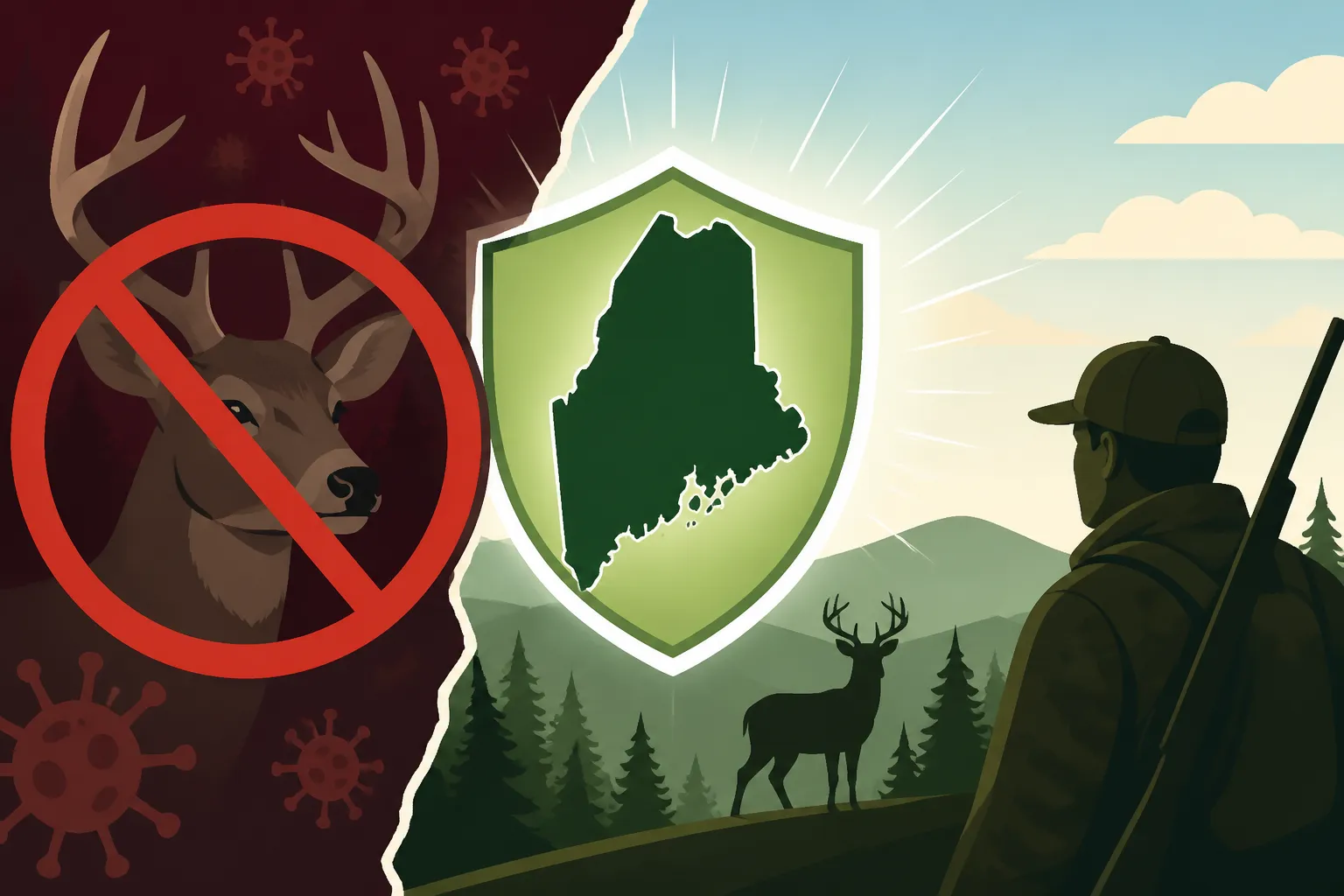
The constant worry about Chronic Wasting Disease (CWD) is a shadow hanging over hunters across North America, a silent threat that could irrevocably change our cherished traditions. Many states have faced the heartbreak and massive management challenges of CWD, leaving hunters wondering if their deer herds will ever truly recover. Here in Maine, we've been incredibly fortunate to remain CWD-free, a status we fiercely protect, and this guide will delve into the critical factors that have kept this devastating disease out of our woods.
Understanding the CWD Threat: What Maine Hunters Fear
For anyone who loves hunting deer, moose, or caribou, the letters C-W-D evoke a deep sense of dread. It’s a threat that goes beyond a bad hunting season; it’s about the very health of our wildlife and the future of our outdoor heritage. Understanding what CWD is and its potential impact is the first step in appreciating why Maine works so hard to keep it out.
What Exactly is Chronic Wasting Disease?
Chronic Wasting Disease is a neurological disease affecting cervids – that's deer, elk, moose, and caribou. It's caused by abnormal proteins called prions, which accumulate in the brain and other tissues, leading to a progressive degeneration of the brain. Think of it like a slow, insidious form of Alzheimer's disease for deer. The prions aren't bacteria or viruses, which makes them incredibly resilient and difficult to eradicate once they're in the environment. They can persist in soil for years, meaning an area can remain contaminated long after an infected animal is gone.
Infected animals may not show symptoms for a year or more, but once they do, the signs are heartbreakingly clear. You'll see drastic weight loss (wasting away, hence the name), listlessness, drooling, a vacant stare, and an abnormal gait. Eventually, the disease is always fatal. Because of its long incubation period, an infected animal can shed prions through saliva, urine, and feces for an extended time before showing any outward signs, silently contaminating the environment and infecting other animals. It’s a nightmare scenario for wildlife managers because there’s no known cure or vaccine, and once it takes hold, it’s practically impossible to get rid of.
The Devastating Impact on Deer Herds and Hunting Culture
The impact of CWD on deer herds is nothing short of catastrophic. States like Wisconsin, Colorado, and Pennsylvania have seen local deer populations decline significantly in areas with high CWD prevalence. It's not just about losing a few deer; it's about altering the age structure, reducing reproductive success, and ultimately leading to an unhealthy, unstable herd. For hunters, this means fewer deer, lower success rates, and the grim reality of potentially harvesting an infected animal. It changes the entire dynamic of the hunt, shifting from a focus on sport and sustenance to one laced with concern about disease.
Beyond the biological toll, CWD can cripple a state's hunting economy and culture. When CWD becomes established, hunting licenses sales can drop, outfitters and guides suffer, and the sense of tradition and enjoyment diminishes. Hunters often face increased testing requirements, stricter carcass transportation laws, and the emotional burden of knowing the herd they love is under siege. Imagine the frustration of planning a hunt in a specific Maine Deer Management District only to find out that district is now a CWD hotspot, making all your scouting and preparation feel moot. The joy of the hunt can be overshadowed by anxiety, impacting everything from simple meat processing to shared camp experiences. The fact that Maine has avoided this thus far is a testament to many factors, both natural and human-led.
Maine's Natural Defenses: Geography and Demographics
Maine is a truly unique place, and much of what makes it special also contributes to its CWD-free status. Our vast wilderness, relatively sparse population, and challenging terrain act as natural barriers, slowing the potential spread of any disease that might try to creep in.
The Sparse Landscape and Low Deer Density
If you've ever driven through the heart of the North Maine Woods, you know just how truly wild and expansive our state is. We're talking millions of acres of contiguous forestland, crisscrossed by logging roads but otherwise largely undeveloped. This vast, unbroken habitat means deer populations, particularly in northern and western Maine, are generally less dense than in many other states. Where you find fewer deer per square mile, the opportunities for disease transmission through direct contact are naturally reduced.
Compare this to, say, parts of the Midwest where agricultural fields create concentrated deer populations at their edges, or suburban areas where deer are habituated to human presence and live at unnaturally high densities. In these environments, if one animal gets CWD, it can spread through the herd like wildfire. Maine's sprawling landscape, especially areas like the Allagash Wilderness Waterway Corridor, creates natural buffer zones, limiting the close interactions that facilitate prion transmission. It's a fundamental aspect of Maine Deer Herd Size and density by region; while southern Maine might have higher densities, the sheer expanse of the north helps keep the overall average lower and deer more dispersed.
Limited Human Population and Development Pressures
Maine is known for its beautiful scenery and quiet towns, not sprawling metropolises. Our human population density is relatively low, and development is largely concentrated along the coast and in southern parts of the state. This means less habitat fragmentation, fewer vehicle collisions pushing deer into new territories, and generally less intensive agriculture than you'd find in states that have struggled with CWD. The less we impact the natural movement and habitat of deer, the less we inadvertently create pathways for disease.
Consider the role of vehicle collisions. In many states, deer-vehicle accidents are a significant source of mortality and can also displace deer into new areas, potentially bringing disease with them. While we certainly have our share of deer collisions in Maine, our lower overall traffic volume and vast undeveloped areas reduce this specific risk factor compared to more populous regions. This also applies to the pressures of intensive farming practices; fewer large-scale agricultural operations mean fewer instances where deer might congregate in unnaturally high numbers around specific food sources, reducing disease transfer opportunities.
Natural Barriers and Migration Patterns
Maine's geography isn't just about open space; it's also about formidable natural barriers. The Appalachian Mountains spine runs through western Maine, creating rugged terrain that naturally limits large-scale deer movement. To our east, the Atlantic Ocean serves as an impenetrable boundary. To the north and west, our borders with Canada (Quebec and New Brunswick) are also largely wild, forested regions, unlike the more agriculturally developed or densely populated border regions of some other states.
While deer do migrate seasonally to their Maine Deer Wintering Yards Explained seeking shelter and food, these movements are generally localized and within established ranges, not long-distance treks across entire states. This means a disease outbreak would have to overcome substantial natural obstacles to cross into or spread widely within Maine. These physical features act like natural quarantines, making it much harder for an infected animal or prion-contaminated soil to travel extensively and introduce CWD into a new, unaffected area.
Proactive Measures: Maine's Vigilant Surveillance and Management
While Maine's natural environment provides a strong first line of defense, our continued CWD-free status is also heavily dependent on the proactive and unwavering efforts of the Maine Department of Inland Fisheries and Wildlife (MDIFW) and a vigilant hunting community. They understand that complacency is the biggest threat.
Strict Importation Laws and Carcass Restrictions
One of the most critical proactive measures Maine has in place are strict laws governing the importation of cervid carcasses from out-of-state. The science is clear: the most common way CWD spreads to new areas is through the movement of infected carcasses or parts. Even if a deer looks healthy, its tissues can harbor prions. Maine's regulations are designed to minimize this risk. You cannot bring whole carcasses of CWD-susceptible species (deer, moose, elk, caribou) into Maine from any state or province where CWD has been detected.
What can you bring? Only boned-out meat, quarters without brain or spinal tissue, hides without heads, cleaned skulls, antlers, and teeth. This regulation directly addresses the concern that prions are most concentrated in the brain, spinal cord, lymph nodes, and spleen. By restricting these high-risk parts, Maine significantly reduces the chance of contaminated material entering the state and potentially infecting our local cervid populations. These rules apply to both residents returning from out-of-state hunts and non-residents visiting Maine to hunt, ensuring everyone plays by the same critical set of rules. For more details, you can always check the Maine's Chronic Wasting Disease Monitoring guidelines from MDIFW.
Robust Surveillance and Testing Programs
You can't fight what you can't see, and that's why Maine maintains a robust CWD surveillance and testing program, even without a detected case. This isn't a "wait until it's here" approach; it's about constant vigilance. Each year, MDIFW collects samples from hunter-harvested deer, road-killed deer, and animals that appear sick or behave unusually. These samples, typically lymph nodes, are then sent to specialized labs for testing. This ongoing monitoring acts as an early warning system, designed to detect CWD as quickly as possible if it were ever to arrive.
The sampling efforts are strategic, often focusing on high-risk areas such as those near state borders, or areas with higher deer densities. Hunters play a vital role in this process. When you Registering a Maine Deer Online or at a physical registration station, wildlife biologists may ask for permission to collect samples. Cooperating with these efforts is crucial. It’s important for hunters to understand Why CWD Testing Still Matters in Maine, even when we're currently CWD-free, because it helps maintain that status and provides valuable data. The MDIFW works in conjunction with state veterinarians and federal agencies to ensure best practices in sample collection and analysis, creating a strong defense against prion introduction.
Education and Public Awareness for Hunters
Knowledge is power, especially when it comes to disease prevention. MDIFW invests in educating hunters and the general public about CWD, its risks, and how to prevent its spread. This includes information disseminated through hunting licenses, online resources like GoHunt, hunter education courses, and public outreach events. The goal is to empower every hunter to be a part of the solution, understanding their role in protecting Maine's wildlife.
Hunter education requirements, for example, often include modules on wildlife diseases and ethical practices, ensuring new hunters are aware of the risks from day one. Veterans are also regularly updated on new regulations or concerns through official communications. This widespread awareness cultivates a culture of responsibility among the hunting community, turning every hunter into a potential sentinel. Knowing what to look for in a sick animal, understanding proper carcass disposal, and adhering to import restrictions are all outcomes of effective public education, making the Maine hunting community a critical component in safeguarding our Maine's CWD-Free Cervid Herd.
The Role of Hunter Behavior and Conservation Ethics
Maine's CWD-free status isn't just about regulations and geography; it's deeply tied to the ethical practices and responsible behavior of our hunting community. Every individual hunter has a direct impact on preventing the introduction and spread of CWD. It's a collective effort, a shared responsibility that underlines the true spirit of conservation.
Responsible Carcass Disposal Practices
Once you've successfully harvested an animal, particularly if you've been hunting out-of-state, proper carcass disposal is paramount. Remember those tough, persistent prions? If an animal was infected, those prions are present in certain tissues and can contaminate the soil. Maine's regulations prohibit bringing high-risk parts of cervids from CWD-positive areas into the state. But even for animals harvested within Maine, if you suspect illness or just want to be extra cautious, proper disposal is key.
The best practice for disposing of any deer carcass, especially parts not consumed, is to either bury them deeply on the property where the animal was harvested or take them to a permitted landfill. Never discard deer parts along roadsides, in ditches, or in areas where other wildlife can access them. This creates a potential reservoir for prions to enter the environment and be picked up by other scavenging animals or remain in the soil. Your individual actions, even something as seemingly minor as where you discard a deer hide, contribute significantly to keeping Maine clean and protecting our deer from CWD.
Avoiding the Use of Deer Urines and Attractants
This is a really critical point that often gets overlooked. Many hunters use natural deer urines, gland lures, and other biological attractants to bring deer in closer. While these products are often effective, they pose a potential CWD risk if they come from infected animals. The prions can be shed in urine, saliva, and other bodily fluids. If a lure is made from an infected deer, it could introduce prions into your hunting area, directly onto the soil or vegetation that other deer will then interact with.
Maine, like many other states, has recognized this risk. While the regulations around these products can vary and evolve, the safest practice is to avoid using natural urines and glandular scents, especially if their source or testing status for CWD is unknown. Opt for synthetic alternatives that mimic natural scents without the biological risk. When using scouting apps like GoHunt, remember that even the best technology can't mitigate risks introduced by potentially contaminated products. It's a small change in your hunting routine, but it's a huge step in protecting the health of the deer you love to pursue.
Supporting Maine's Wildlife Agencies
The Maine Department of Inland Fisheries and Wildlife (MDIFW) is on the front lines of CWD prevention and management. Supporting their efforts, whether through purchasing Maine Hunting Licenses and What They Cost, participating in surveys, or simply adhering to their regulations, is a direct contribution to our CWD-free status. These agencies rely on license fees for funding critical research, surveillance, and enforcement activities. Without their dedicated staff and resources, our state would be far more vulnerable.
This support also extends to reporting any unusual observations in the field. If you see a deer exhibiting symptoms consistent with CWD – severe weight loss, abnormal behavior, drooling – it's crucial to report it immediately to MDIFW. Don't try to approach or harvest the animal; instead, note the location, time, and specific behaviors you observed. This vigilance from the hunting community is invaluable for early detection, giving wildlife managers the best chance to investigate and contain a potential threat before it can spread. Every single piece of information helps the state's comprehensive Maine's Chronic Wasting Disease Monitoring program function effectively.
Looking Ahead: Maintaining Maine's CWD-Free Status
While we've been successful so far, the fight against CWD is an ongoing one. The disease is constantly knocking on our borders, and maintaining our CWD-free status requires perpetual vigilance, adaptation, and an unwavering commitment from everyone involved in Maine's outdoor traditions.
The Ongoing Threat from Bordering States and Provinces
Maine doesn't exist in a vacuum. We share borders with New Hampshire, which is currently CWD-free but constantly vigilant, and the Canadian provinces of New Brunswick and Quebec. CWD has been detected in wild deer populations in areas that aren't too far from our borders, like parts of Pennsylvania, New York, and even as close as southern Quebec. This proximity means the threat is ever-present. A single infected animal crossing a border, or an improperly handled carcass, could be all it takes.
The reality is that deer and moose don't recognize state or provincial lines. A migrating deer could theoretically bring the disease across. This makes the strict carcass importation laws even more vital, especially for hunters traveling to states like Pennsylvania or New York to hunt. It's a sobering thought, but one that drives the continuous monitoring efforts and strict regulations. The MDIFW works closely with wildlife agencies in neighboring jurisdictions to share information and coordinate strategies, understanding that a regional approach is essential to disease management. Even GoHunt resources often feature state-by-state breakdowns of CWD prevalence, highlighting the constant threat.
The Importance of Continued Vigilance
Complacency is the enemy of prevention. Just because Maine has been CWD-free for years doesn't mean we can relax our guard. In fact, it means we need to be more vigilant than ever. Every hunter, every landowner, every outdoor enthusiast has a role to play. This means staying informed about the latest regulations, especially concerning carcass importation and the use of deer attractants. Regulations can change as new scientific understanding emerges or as the disease front moves closer.
It also means continuing to support MDIFW's testing efforts. If you're asked to provide a sample from your harvested deer at a registration station, please say yes. This data is critical for demonstrating Maine's CWD-free status and for early detection. We must maintain our robust Maine's Chronic Wasting Disease Monitoring program to detect any potential incursion at the earliest possible stage. The faster CWD is detected, the better the chances of containing it.
Future Challenges and Adaptive Strategies
The landscape of wildlife management is constantly evolving. Climate change, for example, could alter deer migration patterns or population densities, potentially creating new pathways or opportunities for disease spread. New research into CWD transmission mechanisms or prion resilience might necessitate changes in our current management strategies. Maine's wildlife agencies must remain agile, adapting their surveillance and management plans based on the latest science and changing environmental conditions.
This adaptive approach might include enhancing specific testing in areas of concern, revising import regulations, or even exploring new technologies for detection or mitigation if CWD ever did arrive. For now, the focus remains on keeping it out, and that means everyone doing their part. From applying for your Maine Moose Lottery Application Process to simply enjoying a day Upland Bird and Small Game Hunting in Maine, every interaction with our natural world is an opportunity to practice responsible wildlife stewardship and help preserve Maine's unique CWD-free status for generations to come.
| Aspect | Maine (CWD-Free) | Pennsylvania (CWD-Positive) |
|---|---|---|
| CWD Status | CWD-Free in wild deer | Established CWD in wild deer, expanding zones |
| Cervid Importation Rules | Strict, boned-out meat, cleaned skull only | Strict, similar to Maine, but also carcass management plans |
| Testing Strategy | Ongoing surveillance, targeted sampling | Widespread testing, especially in Disease Management Areas |
| Deer Density (General) | Lower overall, large wild areas | Higher, often concentrated near agriculture/suburbs |
| Natural Barriers | Mountains, ocean, vast forests | Some natural barriers, but more fragmented habitats |
| Hunting Season Impact | Unaffected by CWD | Special regulations in DMAs, potential herd reduction |
| Hunter Role | Prevention, reporting sick animals | Prevention, reporting, mandatory testing in some areas |
| Use of Urines/Attractants | Discouraged if not CWD-certified, synthetics preferred | Often banned or highly regulated in CWD zones |
Disclaimer
Please remember that hunting regulations and wildlife disease information can change rapidly. Always consult the latest official resources from the Maine Department of Inland Fisheries and Wildlife (MDIFW) for the most current and accurate rules and guidelines before engaging in any hunting activity or making decisions related to wildlife. This article provides general information and should not be considered a substitute for official legal or regulatory advice.