Maine North Woods Guide License Requirements
Trying to understand what it really takes to become a Registered Maine Guide, especially for those wild, sprawling North Woods adventures, can feel like navigating a dense cedar swamp without a compass. It's more than just knowing the woods; it's about holding a special trust, ensuring safety, and deeply understanding the unique challenges Maine presents. This guide will walk you through the precise license requirements, the rigorous training involved, and why this distinction is so vital for anyone looking to lead others into the heart of Maine's wilderness.
Understanding the Registered Maine Guide Distinction
Becoming a Registered Maine Guide isn't just about getting a piece of paper; it's a commitment to a standard of excellence and responsibility that runs deep in our state's heritage. The vast, often unforgiving landscapes of the North Woods demand more than just casual knowledge; they require a profound respect for nature and an intimate understanding of safety protocols. When someone says "Registered Maine Guide," it immediately conjures images of competence, experience, and a deep-seated connection to the Pine Tree State's wild places. This isn't just a job; for many, it's a calling, a way to share the magic of Maine while keeping everyone safe and sound.
What it Means to Be a "Registered Maine Guide"
A Registered Maine Guide is a licensed professional authorized to conduct commercial hunting, fishing, recreational, or extended trip activities for compensation. This isn't a casual affair where you just hang out a shingle. The State of Maine, through the Department of Inland Fisheries and Wildlife (MDIFW), carefully regulates this profession to ensure that anyone leading clients into our woods and waters is highly qualified. This legal framework protects clients, upholds safety standards, and preserves the integrity of Maine's outdoor recreation industry. It means undergoing a thorough vetting process, passing comprehensive exams, and demonstrating a deep practical knowledge that goes far beyond what an average outdoor enthusiast might possess. The license is a testament to their proficiency in everything from first aid and navigation to wildlife biology and local regulations, making them invaluable assets whether you're planning a multi-day paddle trip or a big game hunt.
The "Registered" part is key. It signifies that the individual has met the stringent criteria set forth by the state, distinguishing them from informal, unlicensed operators. This is especially important in regions like the North Maine Woods, where conditions can change rapidly and help might be hours away. A guide needs to be self-sufficient, capable of making critical decisions under pressure, and equipped to handle emergencies that could range from a lost hunter to a sudden shift in weather. For anyone considering Hiring a Registered Maine Guide, this distinction provides immense peace of mind, knowing you're in truly capable hands. They're often the first line of defense in the wilderness, responsible for both the success of the trip and the well-being of their clients.
Why the North Woods Demands Specialized Guiding Expertise
The North Woods of Maine is a beast of its own, a sprawling expanse of timberland, remote ponds, and challenging terrain that can easily swallow the unprepared. Guiding here isn't like leading a day hike in a state park. It often involves multi-day trips deep into areas with no cell service, minimal human presence, and unpredictable weather patterns. This is precisely why the State requires specialized endorsement on a guide's license for different categories like hunting, fishing, recreation, or specialized activities like whitewater rafting or sea kayaking. A guide leading a moose hunt in WMD 4, for instance, needs an intimate knowledge of that specific area, the habits of moose there, and the logistical challenges of operating so far from civilization. They aren't just pointing you in the right direction; they're your lifeline.
The sheer scale and remoteness of this region mean that self-reliance is paramount. Guides in the North Woods must be experts in primitive camping, bushcraft, advanced first aid, and long-distance navigation. They need to understand the nuances of Hunting a North Maine Woods Checkpoint Tract versus navigating private timberland, and the intricacies of The North Maine Woods Gate System with its specific rules and fees. Tools like the GoHunt app can be incredibly helpful for a guide in pre-trip scouting, helping them analyze terrain, understand public versus private land boundaries, and identify potential wildlife corridors, but ultimately, it's their boots-on-the-ground experience and learned expertise that makes the difference. They must anticipate problems before they arise, from broken down vehicles on remote logging roads to unexpected injuries miles from the nearest medical facility, ensuring client safety remains the absolute top priority.
The Specific Requirements for a Maine Guide License
Becoming a Registered Maine Guide isn't a walk in the park; it's a journey that demands dedication, knowledge, and practical experience. The requirements are designed to filter out the unprepared and ensure that only the most competent individuals are entrusted with the safety of clients in Maine's wild places. It's a rigorous process, but one that ultimately ensures a high standard for the entire guiding community.
Initial Application and Training Process
The first step in this journey is the application itself, which involves providing personal information, detailing your experience, and selecting the specific guiding categories you intend to pursue. These categories can include hunting, fishing, recreational (general outdoor activities), or specialized (like whitewater or tidewater). Each category has specific knowledge requirements, and most aspiring guides start with one or two, often expanding later. Prospective guides must be at least 18 years old and demonstrate good moral character, which includes a background check. You'll also need a valid first aid and CPR certification, as wilderness emergencies are a very real possibility in Maine. Think about it: if you're out on a Booking a Guided Maine Moose Hunt deep in the woods, far from any clinic, your guide is your immediate first responder.
Beyond the initial paperwork, the training aspect is critical. While Maine doesn't mandate a specific guide school, many aspiring guides choose to attend one of the reputable programs available across the state. These schools offer intensive courses that cover everything from advanced navigation using map and compass (and understanding how GoHunt complements, but doesn't replace, these skills) to wildlife identification, safe firearms handling, and outdoor survival techniques. They often simulate real-world scenarios, preparing candidates for the unexpected. Even for those with years of outdoor experience, a formal training program can help crystallize knowledge and ensure they meet the exact standards the state expects. After all, the exam covers a vast array of topics, and formal instruction provides a structured way to prepare for it, including specific legalities of Maine Hunter Education Requirements which guides must both understand and potentially educate their clients on.
Essential Skills, Knowledge, and Examinations
Once the application is in and you've gained the necessary skills, the real test comes in the form of written and oral examinations. The written exam is a comprehensive assessment of your knowledge across various domains. It covers a broad spectrum, including Maine's hunting, fishing, and boating laws, wildlife identification and habits, conservation principles, and wilderness first aid. You'll need to demonstrate proficiency in map reading, compass use, and GPS technology, understanding the nuances of navigating trackless forests. Knowledge of proper field dressing and game recovery, especially for large animals, is also crucial if you're aiming for a hunting endorsement. This is where all those hours spent studying regulations and practicing knots really pay off.
The oral examination is often the most nerve-wracking part for candidates. It’s typically conducted by a panel of experienced guides and MDIFW personnel. This isn't just a Q&A session; it's a practical assessment where you might be asked to describe how you'd handle specific emergency scenarios, from a client falling ill during a Booking a Guided Maine Bear Hunt to navigating treacherous weather on a remote lake. They want to see your critical thinking, your leadership qualities, and your ability to articulate sound judgment. This is your chance to prove you can not only know the information but also apply it effectively under pressure, showcasing the kind of calm demeanor and extensive experience that truly makes a guide trustworthy. The examiners are looking for common sense, confidence, and a deep respect for the safety of others and the environment.
Requirement Category Description Key Skills/Knowledge Examples of Application
The Frustration: The world outside moves fast, but the idea of going through all the hoops for a specialized guide license in Maine can feel like an overwhelming journey in itself. It's not just about knowing the rules; it's about navigating a bureaucracy that can seem as complex as a dense Maine forest. The reality is, becoming a Registered Maine Guide is a serious undertaking with specific and stringent requirements, especially for those looking to operate in the expansive and often challenging North Woods. This comprehensive guide is designed to demystify the Maine North Woods Guide license requirements, laying out every step so you can confidently pursue your dream of leading clients through Maine's unparalleled wilderness.
The Frustration Navigating the regulations around being a Registered Maine Guide can feel like a trek through the thickest parts of the North Maine Woods without a compass. The rules are crucial, but they're not always simple, and missing a detail can halt your plans to guide clients.
The Solution This guide breaks down the specific license categories, essential qualifications, and ongoing requirements for becoming and remaining a Registered Maine Guide, particularly highlighting aspects relevant to the vast North Woods.
Deciphering the Registered Maine Guide Categories
Becoming a Registered Maine Guide isn't a one-size-fits-all endeavor. The Maine Department of Inland Fisheries and Wildlife (MDIFW) has carefully segmented the guiding profession into distinct categories, each tailored to the unique environments and activities Maine offers. This system ensures that a guide specializing in, say, coastal fishing isn't necessarily certified to lead a multi-day hike deep into the interior wilderness, and vice-versa. Understanding these categories is the very first step in pursuing your guide license, because it dictates the specific knowledge base and practical skills you'll need to master. It’s about ensuring competence and safety for clients, wherever their Maine adventure takes them.
Different Guiding Endorsements and What They Cover
There are several primary categories for a Registered Maine Guide license, and you can apply for one or more, depending on your expertise and the type of trips you plan to lead. The main categories include:
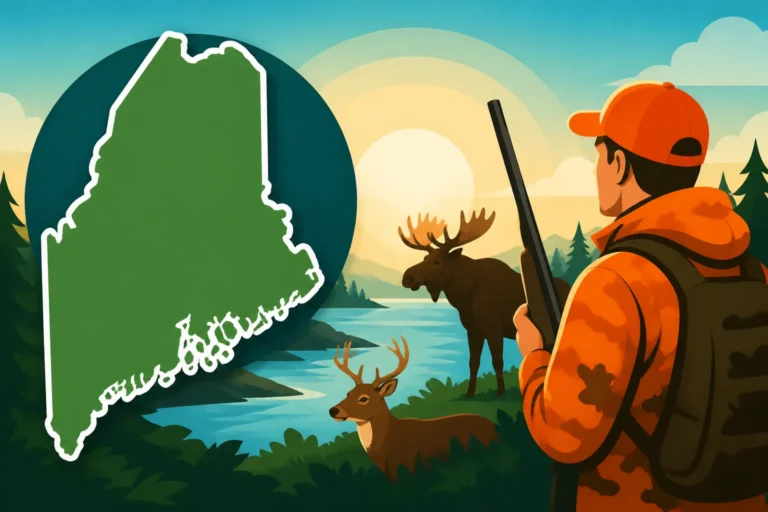
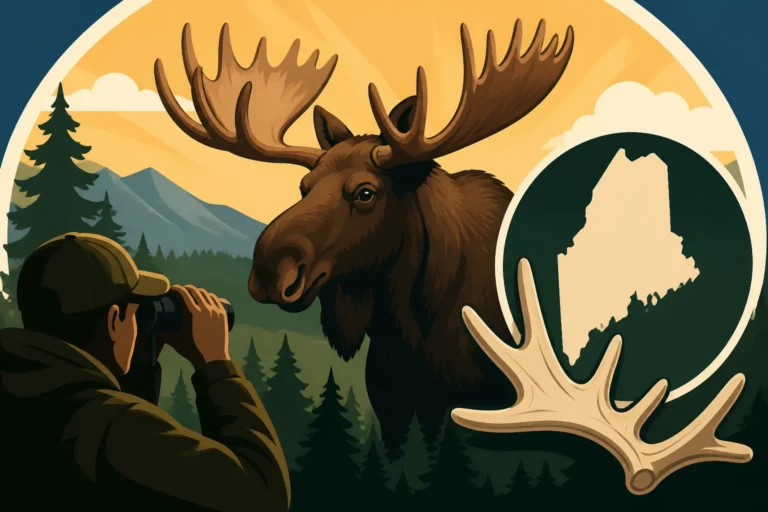
- Hunting: This is what most people immediately think of when they imagine a North Woods guide. A hunting endorsement allows you to lead clients on hunts for various game species, from deer and bear to moose and upland birds. This category demands extensive knowledge of Maine's hunting laws, firearm safety, wildlife biology, tracking, and game recovery. Guides often specialize further within this category, focusing on certain species or hunting methods, like Bowhunting Maine's Long Archery Season or Moose Hunting Maine's North Woods.
- Fishing: Guides with a fishing endorsement lead clients on angling excursions. This could mean fly-fishing remote trout streams, ice fishing on frozen lakes, or trolling for landlocked salmon. This requires deep knowledge of fish species, aquatic habitats, fishing regulations (both open water and ice fishing), and safe boating practices. For instance, understanding the nuances of how and where to fish certain species can make or break a trip.
- Recreational: This broad category covers a wide array of general outdoor activities that don't fall under hunting or fishing. Think of guiding clients on hiking trips, canoe/kayak excursions, snowshoeing, or backcountry camping. A recreational guide needs strong skills in navigation, wilderness first aid, survival, and a thorough understanding of Leave No Trace principles. This is particularly crucial for extended trips into remote regions like the Allagash Wilderness Waterway Corridor.
- Sea-Run Striped Bass: A specialized fishing endorsement for those focusing on anadromous striped bass in coastal waters.
- Whitewater: This endorsement is for guides leading trips on Maine’s challenging whitewater rivers, such as the Penobscot or Kennebec. It requires advanced swiftwater rescue certification, highly specialized paddling skills, and an intimate knowledge of river dynamics and safety protocols.
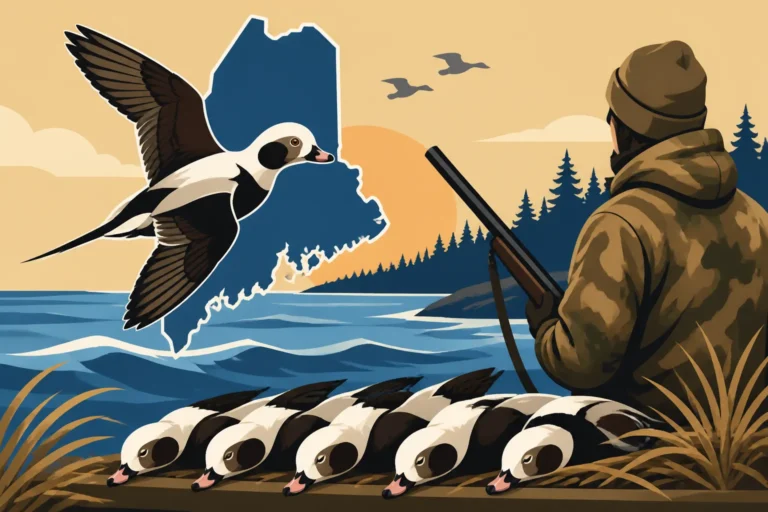
- Tidewater: This covers guiding activities in Maine's coastal and tidal zones, often involving sea kayaking, coastal birdwatching, or island camping. It demands knowledge of marine weather, tides, coastal navigation, and cold water survival. Guides might also be involved in activities like Sea Duck Hunting the Maine Coast if they also hold a hunting endorsement and appropriate federal migratory bird certifications.
It's entirely possible, and even common, for a guide to hold multiple endorsements, such as both hunting and recreational, allowing them to offer a broader range of services. Each additional endorsement typically requires demonstrating specific knowledge and passing relevant portions of the exams.
Why Choosing the Right Endorsement is Critical
Selecting the appropriate endorsement(s) is paramount for several reasons, directly impacting your legal ability to guide, your insurance coverage, and ultimately, your reputation. Trying to guide clients outside of your certified categories is illegal and incredibly dangerous, putting both you and your clients at severe risk. Imagine taking clients on a bear hunt in September when you only hold a recreational guide license; not only would you be breaking the law, but you'd be woefully unprepared for the specific safety and ethical considerations involved in hunting.
Furthermore, your endorsement dictates the scope of your expertise that you're legally recognized for. For instance, if you aim to lead multi-day expeditions deep into the unorganized territories that comprise much of the North Woods, you'll almost certainly need a strong recreational endorsement, in addition to any specialized hunting or fishing endorsements. These areas demand advanced survival and logistical planning. GoHunt can be a valuable tool for future and current guides to help hone their knowledge of specific game species and local regulations, but it is not a substitute for the official licensing process. The rigorous testing and legal backing of your license assure clients that you are a true professional, qualified for the challenges that Maine’s wilderness can present. This focus on specific expertise is part of what makes Maine's CWD-Free Status Explained so important; guides must understand biosecurity protocols to maintain the health of our deer and moose populations.
Comprehensive Requirements for Licensure
The path to becoming a Registered Maine Guide is designed to be challenging, ensuring that those who earn the title are truly capable. It involves a mix of foundational requirements, demonstrable skills, and a thorough examination process. This isn't a quick course you can breeze through; it's an investment in serious professional development.
Foundational Prerequisites and Background Checks
Before you can even think about the exams, you need to meet several fundamental criteria. First, you must be at least 18 years old. This isn't just an age requirement; it acknowledges the level of maturity and judgment expected from someone responsible for other people's safety in potentially hazardous environments. You also need to demonstrate good moral character, which the MDIFW assesses through a background check. Any history of serious violations, particularly those related to fish and game laws or violent offenses, could prevent you from obtaining a license. This safeguard is in place to protect the public and maintain the integrity of the guiding profession. After all, clients are entrusting their lives to you, often in remote settings.
Crucially, all applicants must hold current certification in First Aid and CPR. While a basic certification might suffice for some, many aspiring North Woods guides opt for Wilderness First Aid (WFA) or Wilderness First Responder (WFR) certifications. These advanced courses are specifically designed for remote environments where emergency medical services might be hours or even days away, covering scenarios far beyond what a standard urban first aid course would. Knowing how to manage a serious injury, perform advanced trauma care, or deal with environmental emergencies like hypothermia or heatstroke in the backcountry is absolutely non-negotiable for a guide. This commitment to client safety is one of the primary tenets of What a Registered Maine Guide License Requires truly entails.
Demonstrating Practical Skills and Knowledge
The written and oral examinations are where your practical skills and extensive knowledge truly come under scrutiny. The written exam is a comprehensive test covering:
- Maine Fish and Wildlife Laws: You must have an encyclopedic knowledge of hunting seasons, bag limits, fishing regulations, baiting laws, firearm restrictions, and more. This includes understanding the nuances of specific WMDs (Wildlife Management Districts) and their unique rules. For example, knowing the specific dates for Maine Firearms Season Dates versus Maine Archery Season Dates is crucial for planning and legal compliance.
- Navigation: Proficiency with a map and compass is essential, especially in the North Woods where GPS signals can be spotty or batteries can die. You'll need to demonstrate the ability to plot courses, read contour lines, identify terrain features, and use declination. While digital tools like GoHunt are fantastic for planning and general situational awareness, they are never a replacement for traditional navigation skills in a real emergency.
- Outdoor Survival and Bushcraft: This includes fire starting, shelter building, water purification, signaling for help, and understanding local edible and medicinal plants. A guide must be able to keep clients safe and comfortable in unexpected overnight scenarios.
- Wildlife and Natural History: Knowing the habits, habitats, and identification of Maine's diverse wildlife, including game species like deer, bear, and moose, as well as common flora and fauna.
- Emergency Preparedness: Beyond first aid, this covers trip planning, risk assessment, emergency communication protocols, and search and rescue techniques.
The oral exam, often the most daunting part for many, is a practical demonstration of your judgment and ability to apply this knowledge. You might be given hypothetical scenarios, such as "A client becomes disoriented during a Hunting the Rut in Early November in heavy fog, what do you do?" or "Your canoe overturns in swift water, and a client is injured – walk us through your response." The examiners are looking for clear, concise, and logical answers that reflect sound decision-making under pressure. They want to see that you can not only recall facts but also improvise and lead effectively when things go wrong. This is less about rote memorization and more about demonstrating genuine competence and experience, which aligns with the high standards for Maine's Hunter Education Requirements that guides often embody.
Maintaining Your Guide License and Ethical Considerations
Earning your Registered Maine Guide license is a significant achievement, but it's not the end of the journey. Maintaining your license and upholding the ethical standards of the profession are equally, if not more, important. The reputation of Maine guides as highly skilled and trustworthy professionals is built on the ongoing commitment of each individual guide to excellence and responsibility.
License Renewal, Continuing Education, and Best Practices
Maine Guide licenses typically need to be renewed every five years, and this isn't just a rubber-stamp process. While there isn't a formal "continuing education" credit system for all categories, staying current with best practices, regulations, and skill sets is implicitly required. Guides are expected to keep their first aid and CPR certifications up to date. Beyond that, many guides actively seek out additional training, like advanced wilderness medicine courses, specialized tracking seminars, or new technology workshops. The wilderness changes, regulations evolve, and new risks emerge; a good guide continually adapts and learns.
Furthermore, maintaining best practices extends to equipment and planning. This means regularly inspecting your gear—boats, vehicles, firearms, camping equipment—to ensure it's safe and functional. It involves meticulous trip planning, including detailed risk assessments, contingency plans for weather or emergencies, and proper communication with clients about expectations and safety protocols. A Registered Maine Guide is also expected to model ethical behavior, respecting wildlife, habitat, and other users of the outdoors. This might mean making tough calls, like canceling a trip due to unsafe weather, even if it disappoints clients. The long-term success of the industry relies on guides consistently demonstrating professionalism and a commitment to safety and conservation. For instance, any guide leading a trip must understand current laws regarding Maine Deer Registration Requirements and ensure all harvested game is properly tagged and reported.
Upholding the Reputation of Guiding in Maine
The collective reputation of Registered Maine Guides is something that has been carefully built over generations, steeped in tradition and trust. Each guide, in every interaction, contributes to this legacy. This means operating with the highest level of integrity, being honest with clients about expectations and potential challenges, and prioritizing safety above all else. It also means adhering strictly to all state and federal regulations, even when it might be inconvenient. Cutting corners or bending rules not only risks your license but tarnishes the image of all guides.
Think about the importance of client testimonials and word-of-mouth in the guiding world; a single negative experience due to negligence or unprofessionalism can have a ripple effect. Guides are also expected to be good stewards of Maine's natural resources, advocating for conservation and demonstrating responsible outdoor ethics to their clients. Whether you’re guiding a novice on their first upland bird hunt or assisting an experienced hunter in a specialized Hunting a Drawn Moose Zone in the North Woods, your professionalism, knowledge, and integrity are your most valuable assets. These are the qualities that lead to positive reviews, repeat business, and the continued respect of the Maine outdoor community. Guides should also be prepared to answer Questions to Ask a Maine Outfitter about their own experience, safety protocols, and success rates. The integrity of the guide community is reinforced by ensuring consistent, high-quality experiences for all who venture into the Maine wilderness with a professional by their side.
Disclaimer
Please note that the information provided in this guide is for informational purposes only and does not constitute legal advice. While we strive to be accurate, licensing requirements and regulations can change. It is always recommended to consult the official Maine Department of Inland Fisheries and Wildlife (MDIFW) website or contact them directly for the most current and authoritative information regarding Registered Maine Guide license requirements.