Maine Firearms Discharge Setback Distance
Few things can throw a wrench into an otherwise perfect hunting trip like the gnawing doubt about whether you're actually allowed to take that shot. Maine's firearms discharge laws, particularly the setback distances, can feel like a confusing maze, leaving many of us scratching our heads and worried about inadvertently breaking the rules. This guide is here to untangle those regulations, give you a clear understanding of what's expected, and help you hunt confidently and legally in the Pine Tree State.
Understanding the Foundation of Maine's Firearms Discharge Laws
Maine's hunting traditions are deeply rooted, but alongside that heritage comes a responsibility to ensure public safety and respect private property. The laws governing where you can discharge a firearm are designed precisely for this purpose. They're not just arbitrary rules; they're built to prevent accidents, minimize disturbances to homeowners, and maintain a peaceful coexistence between hunters and non-hunters. Ignoring them isn't just a legal risk; it's a risk to the very future of hunting access in our state.
The Maine Department of Inland Fisheries and Wildlife (MDIFW) works hard to balance these interests, but ultimately, it's up to each hunter to know and abide by the rules. We've all been there, standing in the woods, hearing a deer approach, and suddenly wondering, "Am I far enough from that camp down the road?" That hesitation is natural, but with a solid understanding of the law, you can turn that uncertainty into confidence.
The General Rule: 100 Yards from Dwellings
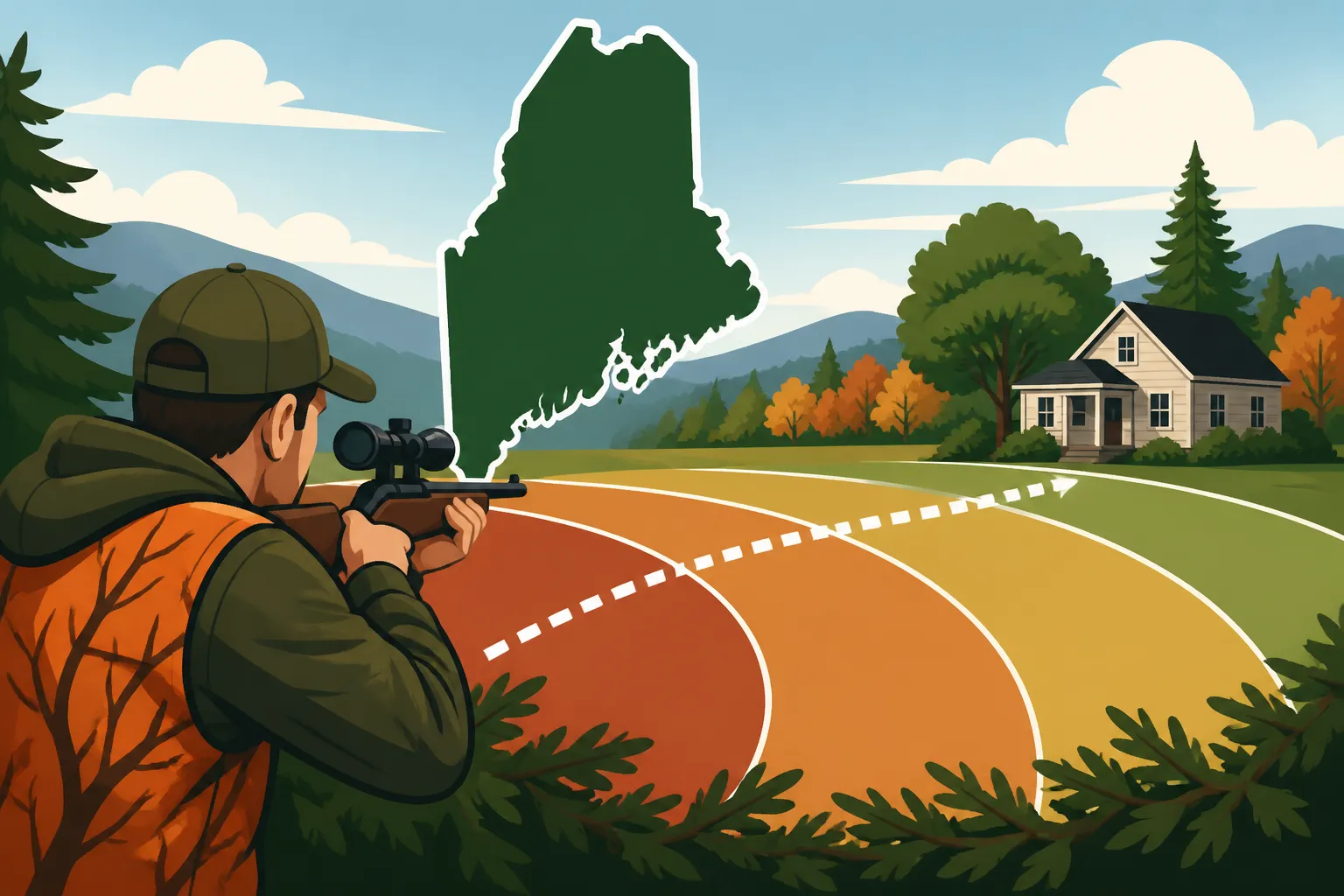
Let's cut right to the chase with the most critical rule you absolutely need to know: you cannot discharge a firearm or shoot a bow and arrow within 100 yards of a dwelling without the express permission of the owner. This is the bedrock of Maine's safety regulations.
Think about it this way: 100 yards is roughly the length of a football field. That's a significant distance, and for good reason. A bullet, even from a small caliber, can travel much farther than you might imagine, and stray arrows can easily cause damage or injury. The term "dwelling" is also crucial here. It's not just someone's primary residence. It includes any building that could reasonably be occupied, like a seasonal camp, a cabin, or even a hunting shack, whether someone is actually home at the moment or not. The law is about protecting the potential for habitation and property, not just the immediate presence of people. This means that charming little cabin tucked away in the woods, even if it looks abandoned, still falls under this rule unless you have explicit permission from its owner. This is where understanding Maine Trespass and Permission Law becomes vital, as knowing who owns the land and securing permission isn't just polite; it's legally necessary.
Public Ways and Roads: Keeping the Highways Safe
Beyond dwellings, Maine has specific regulations about discharging firearms near public ways and roads. You are not allowed to shoot a firearm or discharge a bow and arrow over or across any public way or within 10 feet of the paved portion of any public road. This rule applies to all firearms, from rifles to shotguns, and bows.
This regulation exists for obvious safety reasons. Imagine a stray bullet crossing a busy road or even a quiet country lane. The potential for a tragic accident involving passing vehicles or pedestrians is incredibly high. Even discharging a firearm parallel to a road, if it's too close, can be problematic due to ricochet or accidental trajectories. The "public way" definition is broad and includes not just state highways but also town roads, paved or unpaved, that are maintained for public travel. So, before you even think about setting up a stand near a logging road or a dirt track, make sure you know its status and that you are well clear of any travelled portion. This often comes into play when you're Hunting a Logging Road Edge, where you might be tempted to use the road itself for travel or vantage, but caution is paramount.
Navigating Exceptions and Specific Scenarios
While the 100-yard rule is the golden standard, there are nuances and specific situations that hunters often encounter. It's not always a black-and-white world, and knowing the exceptions and specific details can prevent a lot of headaches and legal issues.
Owner's Permission and Hunting on Your Own Land
This is where things can get a little more flexible, but still require diligence. The 100-yard rule specifically states "without the express permission of the owner." This means if you are the owner of the dwelling, or you have direct, explicit permission from the owner to hunt within 100 yards of their dwelling, then you can legally do so.
This is a huge relief for many Maine landowners who want to hunt their own property or allow friends and family to hunt close to their camp. However, "express permission" is the key. It means clear, undeniable consent. A casual nod or a vague "yeah, go ahead" might not cut it if there's ever a dispute. It's always a good idea to get permission in writing, or at least ensure there's no ambiguity, especially if you're on someone else's land. Tools like GoHunt can be invaluable here, helping you identify property lines and landowner information so you know exactly whose permission you need. If you're Hanging a Stand on a Private Land Field Edge, getting that permission squared away well in advance is crucial for a stress-free hunt.
For those hunting on their own land, the rules are generally more relaxed, as you are the owner giving yourself permission. However, you still have to abide by the public way rules and other general safety statutes. Your private land doesn't give you carte blanche to shoot recklessly; it simply waives the dwelling setback from your own dwelling. It's still good practice to inform neighbors if you'll be hunting close to a property line, even if it's perfectly legal. Remember, good neighbor relations are key to preserving hunting opportunities for everyone.
Specific Wildlife Management Areas WMAs and Public Lands
Maine boasts a fantastic network of Wildlife Management Areas (WMAs) and other public lands where hunting is permitted. The general firearms discharge setback distances usually apply here, too, but it's always wise to check for any specific local rules or restrictions.
Maine's WMAs, managed by MDIFW, are often designed for hunting and other recreational uses. However, some might have specific zones, such as safety areas around parking lots, campgrounds, or administrative buildings, where discharging firearms is prohibited or further restricted. For example, some WMAs might have designated areas for archery-only hunting during certain seasons, or specific rules for using ground blinds on WMAs that impact where you can discharge. It's not common for WMAs to completely override the 100-yard dwelling rule, as there are often private parcels or neighboring homes adjacent to public land.
When you're exploring Maine's State and Federal Public Land, always consult the specific WMA rules and regulations for that particular area before your hunt. Many state agencies publish detailed maps and regulations online, and a quick check can save you a lot of trouble. While MDIFW strives for consistency, local conditions can sometimes necessitate unique rules. Using resources like the GoHunt app or other mapping tools can help you visualize property boundaries and know what type of land you're on, reducing the risk of inadvertently violating discharge rules. Even if you're just Scouting With the Maine Hunting App on public ground, understanding the lay of the land, including any nearby private dwellings, is critical.
Practical Application and Avoiding Violations
Knowing the law in theory is one thing; applying it effectively in the field is another. The goal isn't just to stay legal, but to ensure safety for everyone involved. Here's how to integrate these rules into your hunting routine.
Scouting and Planning Your Hunt
This is perhaps the most crucial step in avoiding discharge violations. Before you even set foot in the woods with a firearm, spend time scouting your chosen hunting spot. This isn't just about finding deer sign; it's about understanding the landscape, identifying potential dwellings, and locating public ways.
- Maps, Maps, Maps: Modern mapping applications like GoHunt, along with traditional paper maps, are your best friends. Use satellite imagery to identify buildings, clearings, and roads. Pay close attention to property lines. What looks like an uninhabited forest might have a small camp just over the ridge. This is especially true when you're trying to figure out Finding Maine Property Lines in areas with mixed ownership.
- Boots on the Ground: Nothing beats firsthand knowledge. Walk the area, identify potential shooting lanes, and visually confirm distances. If you see a dwelling, physically measure (or pace) out 100 yards. Erring on the side of caution is always best.
- Neighbor Relations: If you're hunting near private land, consider making contact with the landowners, even if you're on public ground. A friendly introduction and an assurance that you understand and respect setback distances can go a long way. They might even offer you valuable insights into the area. This approach can be particularly helpful when you're Knocking on Doors in Aroostook Farm Country to gain permission.
By thoroughly scouting and planning, you can set up your stand or choose your still-hunting route with confidence, knowing that any shot you take will be legal and safe. This foresight also helps you plan your Entry Routes Through a Cut Cornfield or other tricky areas, ensuring you're never surprised by a dwelling you didn't know was there.
Consequences of Non-Compliance
It's vital to understand that violating firearms discharge setback distances isn't just a minor infraction; it carries significant legal consequences. These aren't just slaps on the wrist.
- Fines and Penalties: A violation can result in substantial monetary fines. Maine takes these safety regulations very seriously, and the penalties reflect that. The exact fine can vary depending on the severity of the offense and whether other laws (like reckless conduct) were also violated.
- License Suspension: Beyond fines, you could face the suspension or revocation of your hunting license, not just for the current season but potentially for multiple years. Losing your hunting privileges, sometimes even permanently, is a harsh reality for those who disregard these fundamental safety rules. Losing your license means you'll have to wait to apply for things like Maine Muzzleloader Permit Costs or even your basic Maine Hunting Licenses and What They Cost in future seasons.
- Criminal Charges: In serious cases, especially those involving property damage, injury, or perceived endangerment, you could face criminal charges. Reckless conduct with a dangerous weapon can lead to misdemeanor or even felony charges, which would have life-altering implications far beyond hunting.
- Negative Impact on Hunting Access: Every time a hunter is cited for a discharge violation, it fuels negative public perception of hunting. This can lead to increased restrictions, reduced access to private lands, and stricter regulations for all hunters. It’s a collective responsibility to maintain a good image for our sport. Knowing and adhering to regulations like these helps prevent Maine Wildlife Violation Penalties and preserves hunting for future generations.
| Scenario | Setback Distance Required (without permission) | Legal Ramifications |
|---|---|---|
| Discharge near a dwelling | 100 yards | Fines, License Suspension, Potential Criminal Charges |
| Discharge across a public way | Prohibited | Fines, License Suspension, Potential Criminal Charges |
| Discharge within 10 ft of road | Prohibited | Fines, License Suspension, Potential Criminal Charges |
| Hunting on own land | 0 yards (from your dwelling only) | Must still follow public way rules |
| Hunting with permission | 0 yards (from their dwelling only) | Permission must be explicit |
Common Misconceptions and Safety Best Practices
Even with the rules laid out, some common misunderstandings persist. Let's tackle those and reinforce the broader principles of hunting safety.
The "Unoccupied" Dwelling Myth
One of the biggest misconceptions is that the 100-yard rule only applies if someone is actually in the dwelling. Many hunters mistakenly believe that if a camp is clearly closed for the season, or if a house appears vacant, then the rule doesn't apply. This is absolutely false and a dangerous assumption.
As mentioned earlier, the law is designed to protect the dwelling itself and the potential for occupation, not just the immediate presence of people. Property can be damaged, even if no one is inside. Furthermore, appearances can be deceiving. A camp that looks unoccupied might have someone arriving later in the day, or a caretaker might be visiting. The burden of proof is on you, the hunter, to know the status and ownership of the property. Always assume a dwelling is occupied or could become occupied, and abide by the 100-yard rule unless you have explicit, confirmed permission from the owner. Don't risk a violation based on a guess.
Beyond the Law: Ethical Considerations and Neighbor Relations
While staying within the bounds of the law is paramount, there's also an ethical dimension to firearms discharge. Even if you are legally 101 yards from a dwelling, consider the impact of your actions on those around you.
- Noise and Disturbance: A gunshot, even if legal, can be startling and disturbing to non-hunters, homeowners, or even livestock. Being mindful of when and where you shoot, even when permissible, shows respect for your community.
- Perception: For many non-hunters, the sound of gunshots near their home can cause alarm, regardless of the legality. Building positive relationships with landowners and rural residents helps foster a more welcoming environment for hunters. If you're Hunting Small Private Tracts in Maine near residential areas, this becomes even more critical.
- Goodwill: Adhering to the spirit of the law, not just the letter, builds goodwill. This might mean walking a bit further, finding a different angle, or even passing on a shot if there's any doubt about potential impact or disturbance. We want to be seen as responsible stewards of the land and respectful neighbors, not as a nuisance or a threat. This is part of the larger hunter education philosophy, which every hunter should internalize, especially those who've gone through Maine Hunter Education Requirements.
Ultimately, these setback distances are about safety first and foremost. Always prioritize safety for yourself, other hunters, landowners, and the general public. By understanding and respecting Maine's firearms discharge laws, you're not just protecting yourself legally, you're helping to ensure that hunting remains a cherished and respected tradition in the Pine Tree State for generations to come.
Disclaimer
The information provided in this guide is for informational purposes only and does not constitute legal advice. While we strive to be accurate, hunting laws and regulations can change. It is your responsibility to consult the most current Maine Department of Inland Fisheries and Wildlife (MDIFW) regulations and any applicable local ordinances before engaging in any hunting activities. Always refer to official sources for precise legal requirements.