Hunting Small Private Tracts in Maine
For many hunters in Maine, the thought of finding good hunting ground often conjures images of vast public forests or sprawling timber company lands. But what happens when you don't have that kind of access, or when those popular spots are packed with other hunters? The frustration of limited space or crowded woods is real, and it can make pursuing your passion feel impossible. This guide is all about showing you how to unlock the hidden potential of small private tracts right here in Maine, often overlooked gems that can offer incredible hunting opportunities if you know how to find them and, more importantly, how to gain permission.
The Reality of Hunting Small Private Tracts in Maine
Let's be honest, the idea of hunting a few acres behind someone's house might not sound like big woods adventure, but for many Mainers, it's a lifeline to consistent hunting success. These small parcels, often dismissed by those chasing larger acreage, can be absolute magnets for deer, turkey, and even grouse, especially if they offer key resources like food, water, or dense cover. The biggest hurdle isn't the game; it's getting your foot in the door.
Understanding Maine's Implied Permission
Maine is pretty unique when it comes to land access, thanks to its long-standing tradition of implied permission. This means that unless land is explicitly posted with "No Trespassing" signs or otherwise restricted, you generally have permission to access it for outdoor recreation, including hunting. It’s a wonderful tradition that we all benefit from and must work hard to preserve. However, this implied permission often gets tricky when we're talking about small private tracts, especially those directly abutting homes or agricultural fields. While technically still applicable, the spirit of "implied permission" shifts when you're just a stone's throw from someone's kitchen window. It's not just about what's legal; it's about what's respectful and safe.
Often, landowners on these smaller parcels expect to be asked, even if their land isn't posted. They might have young children, pets, or just want to know who is on their property. Ignoring that expectation can quickly lead to access being revoked for everyone. My advice? When in doubt, always ask. It’s always better to be seen as courteous than presumptuous, especially on smaller, more residential parcels. Your efforts to build relationships will go a long way in securing long-term access.
Identifying Promising Small Tracts
So, how do you even begin to find these overlooked hunting havens? It takes a bit of detective work and some modern tools. Start by looking at aerial photos and topographic maps, either online through tools like GoHunt or even old-fashioned paper maps. You're looking for transitions: where woods meet fields, where dense cover bottlenecks into a travel corridor, or where small pockets of timber offer bedding close to suburban fringes. These small tracts often act as sanctuaries or critical travel routes for animals that live near human development.
Consider a small woodlot nestled between two agricultural fields in Aroostook County or a thick cedar swamp adjacent to a residential area. Deer, especially mature bucks, often seek out these "safe" zones, knowing they're less likely to be disturbed. Look for natural funnels, like a narrow strip of woods connecting two larger blocks of cover, or a beaver flowage edge that deer might use for travel. Even a small standing apple orchard can be a goldmine if you can get permission. Using the latest mapping technology, you can even find Maine property lines and identify specific landowners to approach. Don't overlook these smaller, fragmented pieces of habitat; they can be incredibly productive, especially during the rut when bucks are on the move.
Gaining Access and Building Relationships
Once you’ve identified a promising small tract, the real work begins: securing permission. This isn't just about knocking on a door; it's about making a positive impression and building trust. Remember, you're asking for a favor, and your approach can make all the difference.
The Art of Asking for Permission
Approaching a landowner can feel intimidating, but a respectful, well-prepared approach significantly increases your chances of success. Timing is key – don't show up on a Sunday morning during breakfast or late in the evening. Weekday afternoons or early evenings are often best. Dress neatly, but not formally; clean hunting clothes are perfectly acceptable. When you introduce yourself, be polite and direct. State your name, that you're a local hunter (if you are), and that you're interested in hunting their property. Be specific about what you want to hunt and when. For example, "Hello, my name is John Smith, and I live just a few miles down the road. I noticed you have some nice woods behind your house and was hoping to get permission to deer hunt there during the firearms season."
Always emphasize safety and respect. Explain that you'll respect their property, clean up any trash (even if it's not yours), and inform them when you'll be on their land. Offering to help with chores around their property – raking leaves, stacking firewood, or even just keeping an eye on things – can be a huge differentiator. Remember, it's a relationship you're trying to build, not just a one-time transaction. Sometimes, even if they say no, a positive interaction can leave the door open for future opportunities. Don’t be discouraged by a "no"; simply thank them for their time and move on to the next prospect.
Best Practices for Maintaining Access
Gaining permission is just the first step; keeping it is where true sportsmanship shines. First and foremost, always follow through on any promises you made. If you said you'd text them before you go, do it. If you offered to call them if you harvest a deer, make that call. Communication is paramount. If your plans change, let them know. If you notice something amiss on their property while you're out there—like downed fences or suspicious activity—report it to them. This shows you're not just there to hunt but that you genuinely care about their land.
Consider bringing a small token of appreciation, especially after a successful hunt. A gift of venison, a homemade pie, or even a gift card to a local store can go a long way in cementing a good relationship. My neighbor once shared some wild turkey breast he harvested on my back forty, and it made me feel great that he remembered me. Never take access for granted. Continuously demonstrate respect for their property, their privacy, and their rules. This diligent approach not only ensures your continued access but also helps to foster positive landowner relations for all hunters. You can learn more about Maine landowner relations program to understand the broader context of these interactions.
Tactics for Hunting Small Private Land
Hunting small tracts requires a different mindset than rambling through thousands of acres of public land. Here, every movement matters, every stand placement is critical, and low-impact strategies are key to success.
Maximizing Limited Space
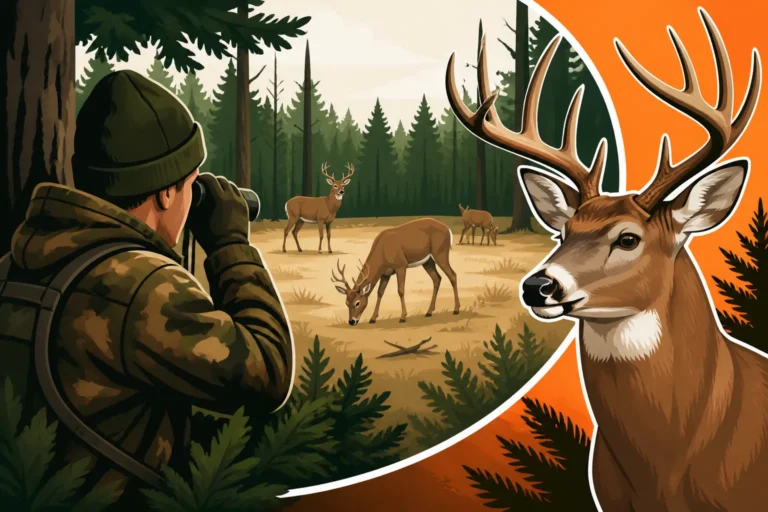
On small parcels, game animals are acutely aware of human presence. This means your scouting must be discreet. Instead of crashing through the woods, focus on quiet observation from a distance, using binoculars or even trail cameras strategically placed on game trails. One excellent tool for this is the GoHunt app, which allows you to digitally scout for pinch points, cover, and potential bedding areas without putting too much pressure on the land. Animals on these small parcels often bed very close to where they feed, utilizing every bit of available cover.
Stand placement is paramount. You need to identify key travel corridors between bedding and feeding areas, or escape routes they might use when pressured. Consider hunting a funnel between two woodlots or a thick hedgerow along a field edge. Pay close attention to wind and thermals, as deer will often circle to get downwind of perceived threats. On small properties, your entry and exit routes are just as important as your stand location; you don't want to spook deer walking to or from your spot. Sometimes, the most productive spot is a relatively small patch of cover that connects larger timber blocks, creating a natural hunting a funnel between two woodlots.
Specific Strategies for Whitetails
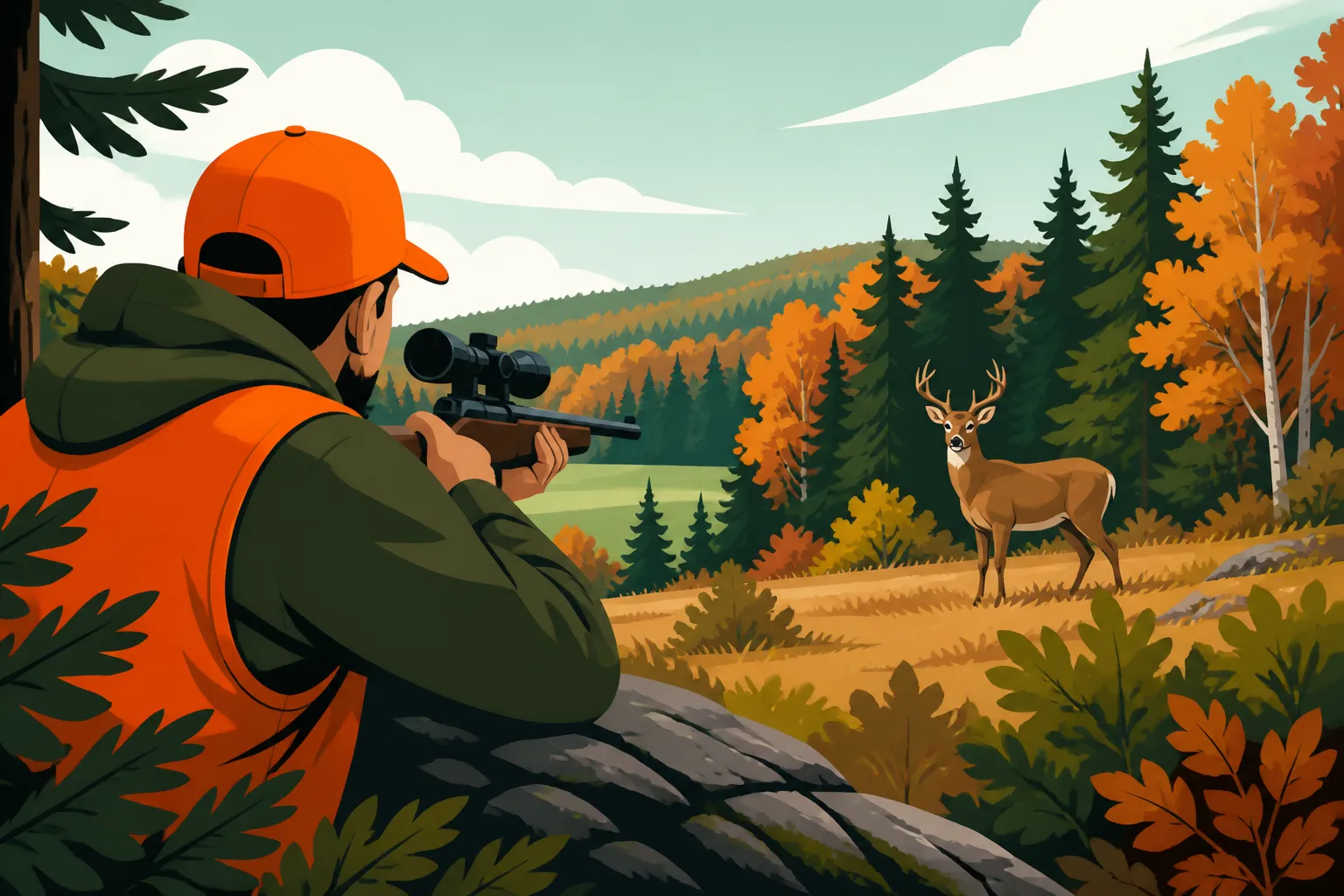
For whitetails on small private tracts, patience and quiet movement are your best friends. Still-hunting, a slow, methodical walk through the woods, can be incredibly effective. Take one or two steps, then pause for several minutes, scanning thoroughly for any movement or unnatural shapes. This allows you to blend into the environment and catch deer off guard. If the property has a distinct edge, like a field bordering thick cover, hunting the edge of the cover can yield great results. Deer often use these edges for both feeding and security.
If the parcel contains dense thermal cover, such as a thick spruce stand or a cedar swamp, consider where Maine bucks bed in big timber and how they might relate to smaller, dense cover on your tract. These areas provide protection from weather and predators. During the rut, rattling and grunting can be surprisingly effective on small parcels. The sounds carry well in the thick cover often found in these areas, and curious bucks might come to investigate. Just be mindful of rattling volume in thick spruce cover if you're close to a road or residences. Don't be afraid to hunt tight to known bedding areas, especially during midday, when bucks might be on their feet but still close to security cover.
Legalities and Respectful Conduct
Hunting small private tracts comes with a heightened responsibility to understand and respect the law, especially regarding boundaries and property rights. A mistake on a large public tract might be overlooked; on a small private parcel, it could cost you your access and potentially lead to legal trouble.
Understanding Posted Land Rules
In Maine, "Posted" land is land that explicitly forbids access through signs or purple paint markings on trees. As discussed, Maine's implied permission rule means unposted land is generally open, but it's crucial to understand what Maine posted land rules actually mean. Posted signs must be legible, indicate no trespassing, and be placed at intervals of not more than 100 feet. If a landowner has marked their property as "Posted," you absolutely do not have permission to enter, even to retrieve game.
Retrieving game from private land in Maine requires the landowner's permission if that land is posted. If you shoot a deer and it crosses onto posted property, you must contact the landowner and obtain permission before you pursue it. This can be a challenging situation, especially if you can't reach the landowner immediately. It's a prime reason to know your property boundaries meticulously and consider your shot angles carefully to avoid such scenarios. Using a tool like GoHunt or OnX Hunt to precisely locate finding Maine property lines is essential when hunting small tracts to prevent accidental trespassing.
General Hunting Ethics on Small Parcels
Beyond legalities, ethical considerations are amplified on smaller properties, particularly those near homes. Noise is a big one. Avoid excessive calling or loud movements, especially early in the morning or late in the evening when neighbors might be sleeping. Always have a safe backstop for your shots, meaning you know exactly what is behind your target and that it's clear of homes, roads, or other structures. Your bullet or arrow doesn't stop just because it hit a deer.
Respecting neighbors extends beyond the property you're hunting. Park your vehicle responsibly, not blocking driveways or mailboxes. Keep any harvested game out of immediate public view if possible when transporting it. It's about being a good ambassador for hunting. If a landowner grants you permission, you represent all hunters to them. One negative interaction can sour an entire community on hunting access. Always strive to leave the property better than you found it, demonstrating courtesy and responsibility in every aspect of your hunt.
Maximizing Your Success on Small Tracts
Successfully hunting small private tracts often comes down to attention to detail and a commitment to low-impact hunting. These aren't places where you can be careless with your scent or loud with your movements.
Gear Considerations for Tight Spaces
When hunting small private parcels, your gear choices can really make a difference. Opt for smaller, more portable tree stands or lightweight ground blinds that are easy to set up and take down quietly. A good quality pair of binoculars or a spotting scope can help you glass from a distance without entering the property and disturbing game. Scent control is absolutely critical; deer on small tracts are often highly pressured and quick to bust you if they catch your wind. Invest in good scent-eliminating sprays, carbon clothing, and meticulous hygiene.
Another often-overlooked piece of gear is a reliable mapping app, like GoHunt. This isn't just for finding property lines; it's invaluable for marking observed deer sign, potential stand locations, and safe entry/exit routes. You can even use it to identify hunting funnels between two woodlots that might be just a few yards wide. Having your property boundaries clearly marked on your phone can prevent accidental trespass and give you confidence in your hunting area. A quiet, compact climbing stand might be more practical than a large ladder stand that requires more effort to install and might be visible from nearby residences.
Timing Your Hunt for Optimal Results
On smaller properties, deer often become largely nocturnal once hunting pressure starts. This means your best opportunities will likely be during the first and last hours of daylight. Consider hunting the rut in early November, when bucks are less cautious and more apt to move during daylight hours, even in pressured areas. Even a small woodlot can hold a cruising buck looking for does. Midday sits can also be surprisingly productive, as deer might move between bedding areas or take advantage of a brief lull in activity.
Weather also plays a huge role. After a cold front, deer often become more active, feeding heavily to fuel their bodies. Hunting after a cold front can bring deer out on their feet. Don't underestimate the power of a quiet, drizzly day either; the rain often masks human scent and sound, allowing you to move more freely. For spring turkey hunting, these small woodlots can be excellent spots for calling an early May gobbler off the roost, especially if they are close to food sources like fields. Just be mindful of when Maine gobblers go quiet in late May and adjust your tactics accordingly. Remember, consistent presence without over-pressuring the area is key.
Common Questions and Considerations
Let's address some of the practical questions that often come up when considering hunting smaller private lands in Maine.
Weighing the Pros and Cons
It's helpful to compare the experience of hunting small private tracts against the more traditional large public land or vast timberlands. Each has its unique advantages and challenges.
| Feature | Small Private Tracts | Large Public/Timberland |
|---|---|---|
| Access | Requires landowner permission (implied or explicit) | Generally open, but may require fees (NMW) |
| Competition | Very low, once permission is secured | Can be high, especially in easily accessible areas |
| Game Pressure | Varies; often less direct pressure, but wary animals | High pressure in popular areas; low in remote areas |
| Flexibility | High, if landowner is amenable; specific rules may apply | Moderate, depends on regulations and terrain |
| Convenience | Often closer to home, shorter drives | Requires more travel, potentially remote access |
| Game Quality | Can be excellent, as deer seek sanctuary | Excellent in remote, less pressured areas |
| Ethics Focus | Extreme importance of landowner/neighbor relations | Focus on regulations, public image of hunters |
| Safety | Critical awareness of proximity to homes, roads | Focus on other hunters, terrain, remote dangers |
As you can see, while small tracts demand a higher level of social interaction and boundary awareness, they can offer unparalleled hunting experiences with less competition and often higher quality game, simply because those animals seek refuge there.
The Value of Relationships and Respect
Ultimately, the success of hunting small private tracts boils down to relationships. Treat the landowner's property as if it were your own, and their generosity with the utmost respect. This goes beyond just being polite; it means understanding their concerns, communicating openly, and even helping them out when you can. This is how you foster the positive traditions of Maine hunting that we all cherish. The ability to knock on doors in Aroostook farm country and walk away with a handshake and permission is a skill that pays dividends for years to come. Remember the old saying, "You don't just hunt the land, you hunt the landowner." Cultivating these relationships is truly at the heart of finding ground others walk past.
Final Thoughts on Hunting Small Private Tracts
Don't let the size of a property deter you. Small private tracts are often overlooked goldmines for hunters willing to put in the effort to gain permission and hunt respectfully. With the right approach, good scouting, and adherence to ethical practices, these areas can provide some of the most rewarding and consistent hunting opportunities Maine has to offer. So, grab your maps, polish your manners, and start knocking on some doors – you might just discover your next favorite hunting spot right around the corner.
Disclaimer
Please remember that hunting regulations and land access rules can change. Always consult the most current Maine Department of Inland Fisheries and Wildlife (MDIFW) regulations before heading afield. This guide provides general information and should not be considered legal advice. It is the hunter's responsibility to understand and abide by all applicable laws.