Why Winter Ticks Are Killing Maine Moose Calves
It’s truly disheartening to witness the profound struggles faced by Maine’s magnificent moose, especially our youngest calves. The increasing prevalence of winter ticks has turned what should be a time of growth and vitality into a perilous battle for survival for these animals. This isn't just an ecological footnote; it’s a tangible, heartbreaking reality for anyone who spends time in our forests and cares about the health of our iconic wildlife. This comprehensive guide will explore the devastating reasons why winter ticks are killing Maine moose calves, diving into their unique biology, the specific impacts on young moose, and the broader environmental factors contributing to this critical issue, alongside ongoing research and management efforts.
The Menace of the Winter Tick on Maine Moose
When we talk about ticks in Maine, most folks immediately think of deer ticks and the concerns around Lyme disease. But for our moose, there’s a different, far more insidious threat lurking in the woods: the winter tick, or Dermacentor albipictus. Unlike other ticks that spread diseases, the winter tick’s main weapon is sheer numbers and a life cycle perfectly synchronized to exploit its hosts.
Understanding the Winter Tick's Unique Life Cycle
The winter tick has a fascinating, if terrifying, life cycle that makes it particularly devastating to moose. Instead of requiring multiple hosts across different life stages, the winter tick completes its entire lifecycle on a single animal. This means that once a larva latches on, it stays on that same host through its nymph and adult stages, feeding continuously.
In the late fall, usually from September through November, tiny larval winter ticks, often numbering in the tens of thousands, will "quest" on vegetation. This means they climb up blades of grass, shrubs, or saplings, waiting for a passing animal to brush by. When a moose, particularly a calf, wanders through this infested vegetation, these tiny ticks swarm onto their fur. From that moment, they become permanent residents, feeding and growing on the same host through the harsh Maine winter. They mature, mate, and then the engorged females drop off in the spring, typically in March and April, to lay their eggs on the forest floor, perpetuating the cycle. This "one-host" strategy is a game-changer compared to deer ticks, which drop off between meals and life stages.
Why Moose Are Particularly Vulnerable to Winter Ticks
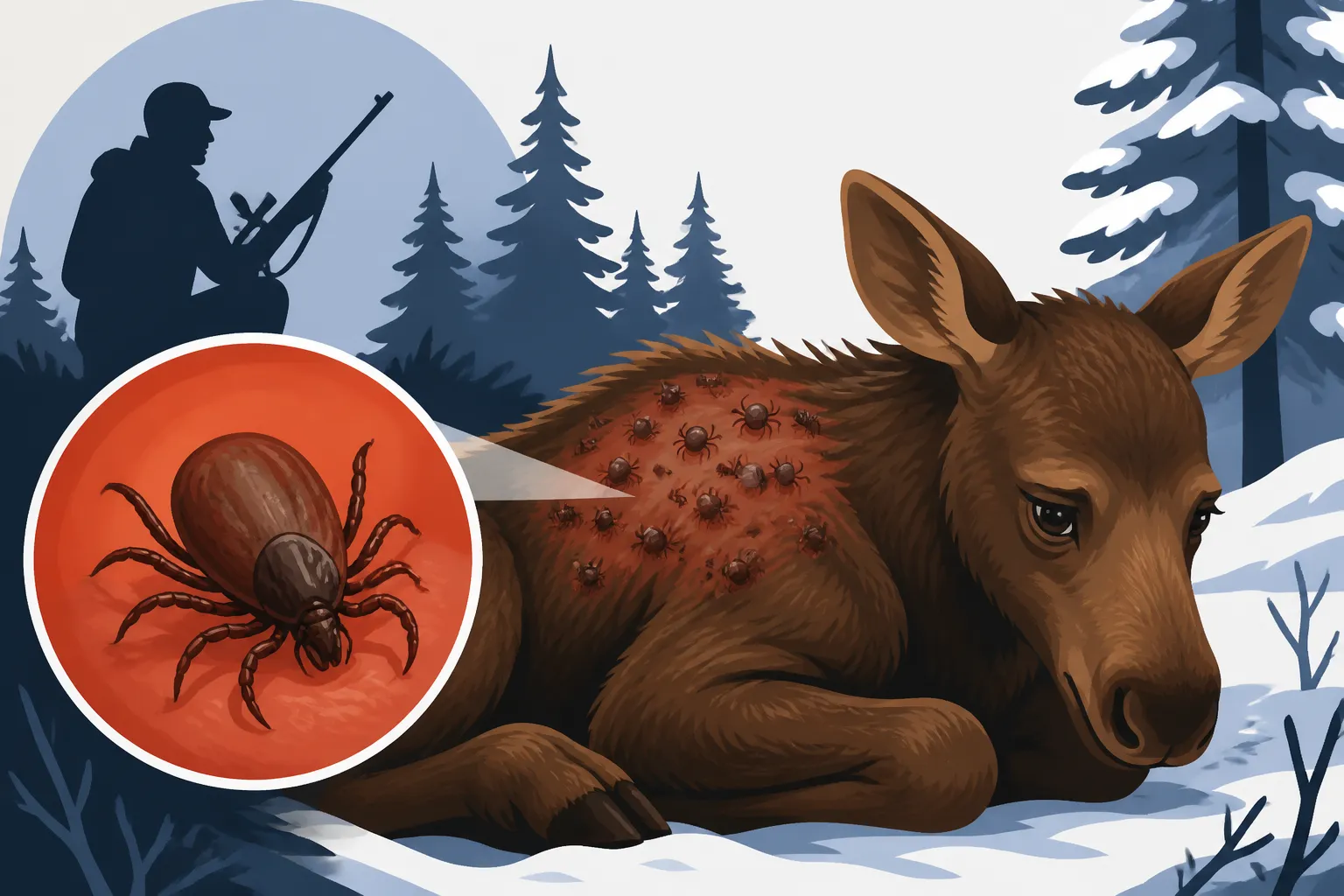
Moose, especially calves, are uniquely susceptible to the winter tick's onslaught. Unlike white-tailed deer, which have evolved defense mechanisms like self-grooming to remove ticks, moose haven't developed similar effective behaviors. Their massive size makes it difficult for them to groom all areas of their bodies, and their thick, dense winter coats provide ample shelter for thousands of ticks to hide and feed undetected for months. A single calf can carry upwards of 50,000 to 90,000 ticks, a staggering number that completely overwhelms their natural defenses.
Imagine being covered in that many parasites, all feeding on your blood, day and night, for months on end. The sheer physical burden is immense. While adult moose are larger and can often withstand a heavy tick load better than their offspring, the calves, still growing and relatively small, simply don't have the physiological reserves to cope. Their smaller body mass means the blood loss from thousands of feeding ticks has a far more profound and rapid impact, leading to severe anemia and often, death.
Devastating Impacts on Moose Calf Survival
The consequences of such a massive parasitic infestation are dire, directly contributing to the tragic decline in moose calf survival rates across Maine. It's a cruel process that plays out silently in our North Woods every winter.
The Blood Drain: Anemia and Weakness
The primary, most immediate threat posed by tens of thousands of winter ticks is severe blood loss. Each tick takes a tiny amount of blood, but when you multiply that by 50,000 or more, the cumulative effect is crippling. Calves, with their smaller blood volume, quickly become anemic. This anemia doesn't just make them tired; it severely weakens them, leading to lethargy and a drastic reduction in their ability to forage for food. Instead of browsing for essential nutrients to fuel their growth and maintain body heat, they become listless.
This constant blood drain impacts every aspect of their health. Their immune systems are compromised, making them more susceptible to other diseases or infections. They struggle to regulate their body temperature, especially during cold snaps, as their energy reserves are constantly depleted. This physiological stress means they often enter spring in a severely weakened state, unable to recover from the ordeal. Researchers meticulously track these impacts, with programs like the Maine Wildlife Disease Monitoring Program providing crucial data on the health of our herds. You can often find summaries of these findings on wildlife department websites or through reputable hunting news sources like GoHunt, which compiles conservation information.
The "Ghost Moose" Phenomenon and Behavioral Changes
Beyond the internal damage, the physical toll of winter ticks creates what biologists grimly refer to as "ghost moose." This term describes calves that have rubbed off large patches of their protective winter coat in a desperate, futile attempt to dislodge the irritating ticks. The result is a patchwork of bare skin, scabs, and broken hair, making them look pale, almost ghostly. This is a tell-tale sign of a severe infestation.
The loss of their winter coat is devastating in two ways. First, it directly contributes to hypothermia, as they lose the insulation critical for surviving cold Maine winters. Second, the constant itching and rubbing consume an enormous amount of energy that should be going towards growth and survival. Instead of focusing on browsing, these calves are preoccupied with scratching, often damaging their skin and creating open wounds prone to infection. This altered behavior, coupled with profound weakness, means they are less likely to escape predators, navigate deep snow, or find adequate food sources as spring approaches. It’s a vicious cycle where the ticks not only drain their blood but also strip them of their natural defenses against the elements and other dangers. The sheer number of ticks on a single animal is staggering; some studies have revealed How Many Ticks Infest a Maine Moose Calf, painting a vivid picture of the challenge.
Environmental and Ecological Factors at Play
While the winter tick is the direct killer, its devastating impact is magnified by larger environmental shifts and ecological dynamics within Maine's landscape. These factors create the perfect storm for tick populations to thrive and for moose to suffer.
The Role of Climate Change and Shorter Winters
One of the most significant environmental drivers behind the winter tick's rise is climate change, particularly as it manifests in milder, shorter winters in Maine. Historically, long periods of deep snow and sustained cold temperatures would suppress tick populations. Freezing temperatures and snow cover would reduce the survival rates of questing larvae on vegetation, and also impact engorged females trying to lay eggs. However, with milder temperatures, the tick season effectively lengthens. This means larvae can quest longer into the fall, increasing their chances of finding a host. Crucially, the earlier onset of spring means engorged female ticks drop off earlier and have more favorable conditions to lay their eggs, leading to more viable eggs hatching in the summer.
Less snow cover also plays a role. Snow can bury questing ticks, making it harder for them to reach a host. When the snowpack is reduced or melts faster, ticks have an extended window of opportunity. This environmental shift directly translates to higher tick burdens on moose each year, tipping the balance against the calves. It's a stark illustration of how seemingly small changes in weather patterns can have massive, cascading effects on wildlife populations.
Moose Density and Habitat Considerations
Another critical factor is moose density. Simply put, where there are more moose, there are more potential hosts for ticks. The winter tick relies on moose (or other cervids like deer, but moose are their preferred and most susceptible host) to complete its life cycle. If moose populations are high in a particular area, the likelihood of a larval tick finding a host dramatically increases. Maine has seen a significant increase in its moose population over the past few decades, a conservation success story that, ironically, has now contributed to this tick crisis. This dynamic is explored in efforts to reduce populations, such as What Moose Density Reduction Aims to Fix.
Habitat also plays a subtle but important role. Younger forests, often resulting from clear-cuts, provide abundant browse for moose, attracting them to specific areas and concentrating them. While this is great for moose nutrition, it also means that once ticks drop off and lay eggs, there’s a higher probability that those newly hatched larvae will find a host the following fall. These areas can become "tick factories," exacerbating the problem. The balance between providing good moose habitat and managing tick exposure is a complex challenge for wildlife managers, influencing strategies for areas like Moose Habitat in the North Woods.
Research, Monitoring, and Management Efforts
Maine's wildlife managers and researchers are not standing idly by. This problem is at the forefront of conservation efforts, involving intensive study and difficult management decisions aimed at protecting the long-term health of our moose herd. Understanding the nuances of these efforts is vital for anyone interested in the future of Maine's Moose Population Estimate.
Maine's Dedicated Research Initiatives
The Maine Department of Inland Fisheries and Wildlife (MDIFW), in collaboration with academic institutions like the University of Maine, has launched extensive, multi-year research projects to understand the full scope of the winter tick problem. This isn't just about counting dead calves; it's about a deep dive into the ecology of both the tick and the moose. Researchers are capturing and collaring moose calves, fitting them with GPS trackers that provide invaluable data on their movements, survival rates, and causes of mortality. These collars sometimes include sensors that can even detect when a moose dies, allowing biologists to quickly investigate the cause.
Furthermore, biologists conduct aerial surveys to estimate moose densities and monitor their distribution. They also collect blood samples and tissue from live-captured and deceased moose to assess their health, determine tick loads, and analyze other physiological indicators of stress and disease. This meticulous data collection is crucial for building comprehensive models that predict future population trends and the effectiveness of management strategies. Efforts such as Maine's Moose Density Reduction Study are direct outcomes of these research initiatives, seeking data-driven solutions. The insights gained from these studies are not just for scientists; they are often shared publicly through platforms like GoHunt, giving hunters and outdoor enthusiasts a deeper understanding of the challenges facing the species.
Moose Population Management: A Complex Balance
Given the strong link between moose density and tick loads, managing the moose population itself has become a critical, albeit controversial, management tool. The idea is that by carefully reducing moose numbers in certain areas, particularly in overpopulated zones, the overall density of hosts available for winter ticks is lowered. This, in theory, should lead to fewer ticks dropping off in the spring and, consequently, fewer ticks questing in the fall, reducing the parasitic burden on the remaining moose, especially calves. This is precisely the kind of difficult decision that comes from managing a large, iconic species.
This strategy involves adjusting the number of moose permits issued during the annual hunt, particularly targeting cow moose, which are the reproductive drivers of the population. It's a delicate balance: managing for a healthy moose population in the long term means making tough decisions in the short term, especially when it impacts opportunities for activities like Moose Hunting Maine's North Woods. The goal isn't to eradicate moose but to achieve a density that allows both the moose and their ecosystem to thrive without being overwhelmed by parasites. The long-term health of the herd and the sustainability of hunting opportunities, including the Maine Moose Lottery Application Process, depend on these proactive management efforts.
| Factor | Healthy Moose Calf | Tick-Infested Moose Calf |
|---|---|---|
| Coat Appearance | Full, dense, dark brown winter coat | Patchy, broken, pale, "ghostly" appearance |
| Energy Levels | Active, alert, strong foraging behavior | Lethargic, weak, reduced foraging, listless |
| Body Condition | Robust, good weight, healthy muscle mass | Emaciated, underweight, visible rib/hip bones |
| Blood Health | Normal hemoglobin levels, good oxygenation | Severe anemia, pale mucous membranes |
| Tick Load (Estimated) | Few to none | 50,000 to 90,000+ |
| Survival Probability | High | Very low, especially through winter/spring |
The Broader Implications for Maine's Iconic Moose
The challenges posed by winter ticks extend far beyond individual calf mortality. They touch upon the very fabric of Maine's ecosystem, threatening the long-term viability of our moose population and the rich heritage associated with this magnificent animal.
Long-Term Population Health and Genetic Diversity
When moose calf survival rates plummet year after year due to winter ticks, it creates a significant gap in what biologists call "recruitment"—the number of new individuals entering the adult breeding population. If this trend continues, the overall Maine Moose Population Estimate will inevitably decline over time. It's a slow but steady erosion of the herd. Beyond just numbers, there's a concern for the genetic diversity of the population. If certain genetic lines are more susceptible to ticks, or if only the most resilient survive, it could inadvertently create a genetic bottleneck, reducing the overall adaptability of the herd to future environmental changes or new disease pressures.
Furthermore, a population that is consistently stressed by high tick loads is a less healthy population overall. Cows that are carrying heavy tick burdens are less likely to conceive or carry calves to term, creating a compounding effect on reproduction. The long-term vision for Maine's moose is not just to maintain a certain number, but to ensure a robust, healthy, and genetically diverse population that can thrive for generations to come. This involves careful monitoring of trends, something that GoHunt and other outdoor platforms often highlight for their readers who care about wildlife.
The Future of Moose Hunting in Maine
For many Mainers and non-residents alike, the moose hunt is a deeply ingrained tradition, a bucket-list experience, and a vital component of wildlife management. The impact of winter ticks directly threatens the sustainability of this cherished activity. As calf mortality rises and the overall health of the herd declines, the state must adjust permit allocations to ensure the population isn't overharvested. This means fewer opportunities for hunters, and potentially a reduction in Maine Moose Hunt Success Rates.
The emotional toll is also significant. Hunters deeply value the animals they pursue, and the sight of a "ghost moose" or reports of high calf mortality are concerning for anyone passionate about Maine's wildlife. Managing a world-class big game species like the moose involves not just scientific data but also public perception and the desires of a dedicated hunting community. The future of the moose lottery, which defines What a Drawn Moose Zone Assignment Means for successful applicants, is intrinsically tied to the success of managing this tick problem. It's a sobering reminder that conservation is an ongoing, dynamic process, requiring constant vigilance and adaptability to protect the natural treasures we hold dear.
Disclaimer
Please remember that hunting regulations and wildlife management practices can change. Always consult the most current official Maine Department of Inland Fisheries and Wildlife (MDIFW) regulations and guidelines before planning any hunting activity or making decisions based on wildlife information. This guide provides general information and should not replace official sources.