Maine Annual Deer Harvest
Understanding the ebb and flow of Maine's deer harvest numbers can feel a bit like reading tea leaves, especially when you're deeply invested in the health of our whitetail herd and your chances of success each season. It’s more than just a tally; these figures tell a story about population trends, habitat conditions, and even the weather patterns that shaped the year. This guide will walk you through what those annual harvest reports really mean, how the data is collected, and why paying attention to these numbers can make you a more informed and strategic hunter here in the Pine Tree State.
Decoding Maine's Deer Harvest Data
For many of us who live and breathe hunting in Maine, the annual deer harvest report is eagerly awaited. It’s not just about bragging rights or comparing notes with your buddies; these numbers are a vital snapshot of our whitetail population's health and trends. But what exactly goes into those reports, and how does the state even gather all that information?
The Mechanics of Data Collection
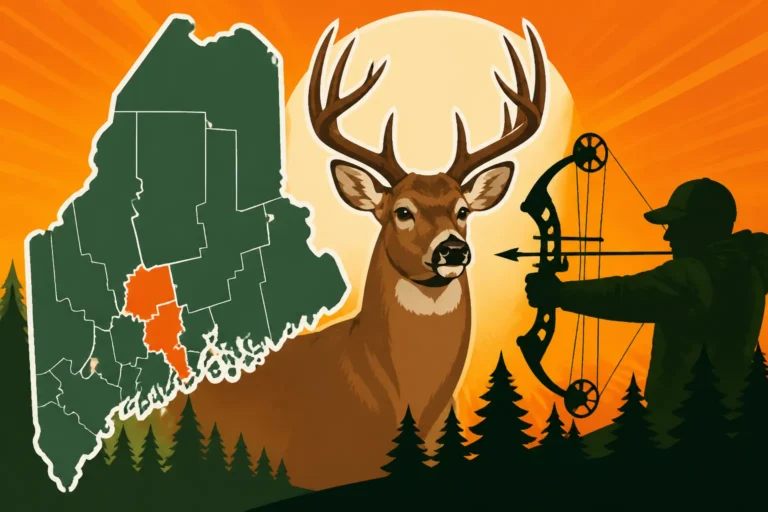
When you register your deer after a successful hunt, whether it's at a local registration station or increasingly, through digital means, you're not just confirming your harvest; you're contributing directly to this critical data pool. Each deer brought in is typically logged with information like the date of kill, the specific Wildlife Management District (WMD) where it was harvested, the sex of the deer, and sometimes even a rough estimate of its age or antler points. This granular detail allows biologists to paint a comprehensive picture. Without hunters diligently checking in their deer, the state wouldn't have the robust data necessary to make sound management decisions. It’s a partnership, really, between every hunter in the woods and the wildlife department.
The sheer volume of individual registrations builds into a massive dataset that allows for long-term trend analysis. When you look at the Maine Annual Deer Harvest, you're seeing the culmination of thousands of individual data points, each one a piece of the puzzle that informs our understanding of the herd. This is why every single deer registered matters, even if it feels like a small act in the moment.
Why These Numbers Matter to Hunters
Beyond the biologists, these harvest numbers are incredibly valuable for us, the hunters. They can offer insights into which areas might be holding more deer, whether a particular WMD is seeing an increase or decrease in its deer population, and even how successful different hunting methods or seasons have been. For example, if you see a dip in the buck harvest in a certain zone, it might prompt you to scout harder or consider a different approach next season. Conversely, a strong harvest in a particular area could indicate healthy deer numbers and good habitat, making it a promising spot for future hunts.
Many dedicated hunters, myself included, will pore over these reports, often cross-referencing them with personal observations and scouting notes. It’s a way to become a more effective and ethical hunter, ensuring that our efforts align with sustainable management practices. Platforms like GoHunt can sometimes aggregate this public data in user-friendly formats, making it easier for hunters to visualize trends and make informed decisions about where and when to focus their efforts.
Factors Influencing Annual Deer Harvest
The total number of deer harvested in Maine each year isn't a static figure; it's a dynamic result of many interconnected factors. Think of it like a complex recipe where a slight change in one ingredient can significantly alter the final dish. Understanding these influences can help us appreciate the challenges of managing a wild deer population and predict potential outcomes for future seasons.
Weather's Powerful Impact
Maine is known for its sometimes brutal winters, and severe weather can have a profound impact on our deer herd. A long winter with deep, persistent snow cover, especially when coupled with extreme cold, can be incredibly tough on deer. It limits their access to food, increases energy expenditure, and makes them more vulnerable to predators. In years following such harsh winters, it's not uncommon to see a dip in the annual deer harvest, as fewer deer survive to reproduce and grow. This impact is often most keenly felt in northern and eastern Maine, where deep snows are more consistent.
Conversely, mild winters can lead to higher fawn survival rates and generally healthier deer entering the next hunting season, which can, in turn, contribute to an increased harvest. The severity of winter is perhaps the single most unpredictable, yet significant, natural factor affecting our deer numbers. Beyond winter, things like a wet spring impacting fawn survival or even a very warm fall affecting deer movement during hunting season can also play a role, though typically to a lesser degree than winter severity. If you're wondering about specific impacts, checking out content on How Deep Snow Affects Maine Deer Survival can offer deeper insights.
Regulatory Changes and Hunter Effort
The Maine Department of Inland Fisheries and Wildlife (MDIFW) utilizes various regulatory tools to manage the deer herd, and these decisions directly influence harvest numbers. The most prominent example is the Maine Antlerless Permit System. By issuing varying numbers of "Any-Deer" permits (which allow hunters to take a doe), the state can directly control the harvest of female deer, which is crucial for managing population growth. In areas where deer numbers need to be reduced, more permits might be issued, leading to a higher antlerless harvest. Where populations are struggling, fewer or no permits might be allocated.
Beyond permits, changes in season lengths or specific weapon restrictions can also affect harvest numbers. For example, the popularity of the Maine's Four-Week Firearms Deer Season and its impact on overall harvest is considerable. And let's not forget hunter effort. If more people are out in the woods, or if hunters are spending more days afield, that naturally increases the potential for a higher harvest, assuming deer populations are stable. Economic factors, fuel prices, and even national events can subtly influence how many hunters are out there and for how long.
Habitat and Food Availability
The quality and quantity of available habitat and food sources are foundational to a healthy deer population, and therefore, to the annual harvest. Maine’s vast working forests, agricultural lands in Aroostook County, and diverse coastal zones all provide different types of habitat. Areas with abundant food sources – like acorn crops in hardwood forests, productive apple orchards, or ag fields – generally support healthier, more numerous deer. A poor mast crop year, for example, might mean deer are more dispersed, making them harder to find and potentially impacting the harvest.
Deer also rely on specific habitat types for winter cover, particularly in northern Maine. Dense conifer stands, often referred to as "deer wintering yards," are critical. If these areas are reduced due to logging without proper management, it can put stress on the deer herd, even if food is otherwise plentiful. Understanding these habitat dynamics is key to understanding where the deer are and, consequently, where they might be harvested. For insights into critical deer habitat, take a look at Maine Deer Wintering Yards Explained.
Regional Harvest Trends Across Maine
Maine is a massive state, and its deer population is far from uniform. What's happening with the deer herd in Aroostook County can be vastly different from the situation in southern or coastal Maine. Understanding these regional distinctions in harvest trends is crucial for any hunter looking to maximize their success or simply understand the landscape they hunt.
Northern and Western Maine
Historically, northern and western Maine have presented unique challenges for deer management. While known for their vast, wild landscapes, these regions often contend with harsher winters and, in some areas, lower deer densities. The harvest numbers here can fluctuate significantly year to year, heavily influenced by winter severity. When you're looking at the annual reports, you might notice that while trophy bucks do come out of these areas, the overall harvest might be lower compared to other parts of the state.
Hunters in these areas often experience more challenging conditions and longer distances between deer. The terrain is rugged, with vast tracts of industrial forest and remote wilderness. Despite these challenges, the appeal of hunting big woods bucks, often with less competition, draws many. When comparing zones, you might find useful information in Aroostook County Versus Southern Maine Deer to highlight these differences. For those focusing on where to find the biggest deer, resources like Best Maine WMDs for Big Bucks can provide useful context, although big bucks can come from anywhere with good habitat and genetics.
Central, Southern, and Coastal Maine
As you move south and towards the coast, the deer landscape shifts dramatically. These regions generally experience milder winters, have more fragmented habitat due to development, but also often benefit from more abundant and diverse food sources, including agricultural crops, suburban landscaping, and mixed woodlots. Consequently, these areas often boast higher deer densities and, as a result, higher overall harvest numbers. It's not uncommon to see specific WMDs in central or southern Maine consistently producing some of the highest deer harvests in the state.
The hunting pressure can also be higher in these more accessible areas, but the consistent presence of deer makes them popular. Antlerless permits are often more liberally issued in these zones to help manage expanding populations and address potential conflicts with human activity. Hunters looking at harvest data for these regions will often see more consistent numbers, though still influenced by factors like localized habitat changes or specific weather events.
The Nuance of WMD-Specific Data
While thinking in broad regions is helpful, the real detail comes from examining harvest data at the Wildlife Management District (WMD) level. Maine is divided into numerous WMDs, each with its own unique characteristics, deer population goals, and management strategies. One WMD might have a robust, growing deer herd, while an adjacent one could be more stable or even declining due to specific local pressures.
Hunters often use this WMD-specific data, sometimes found on official MDIFW sites or consolidated by hunting applications like GoHunt, to pinpoint areas that align with their hunting goals. Are you looking for high volume? You might target WMDs with consistently high overall harvest numbers. Are you after a mature buck? You'd look for WMDs known for producing older age class deer, often indicated by a higher proportion of antlered bucks in the harvest data. This detailed approach allows for a much more strategic planning of your hunts and a deeper understanding of localized deer dynamics.
The Importance of Hunter Participation in Data Collection
Every single hunter in Maine plays a crucial role in the state's deer management efforts. It's not just about filling your tag; it's about contributing to the collective knowledge that helps sustain our whitetail resource for future generations. When you participate responsibly, you're doing more than just being a hunter; you're being a steward.
Accurate Registration and Information
The cornerstone of Maine's deer harvest data is accurate and timely registration. When you harvest a deer, the act of registering it—whether online or at a physical station—is your direct contribution to wildlife management. It's not merely a bureaucratic step; it's how biologists gather the raw data needed to assess herd health, population estimates, and trends. Failing to register a deer, or providing inaccurate information, can skew these numbers, leading to less effective management decisions down the road. This diligence helps the MDIFW understand the Maine Deer Population Estimate and how it's changing.
Remember, the information collected is precise: the specific WMD where the deer was taken, the date, and the sex of the animal. This level of detail allows the MDIFW to make informed choices about antlerless permit allocations, season lengths, and other regulations specific to different areas of the state. It ensures that management efforts are targeted and appropriate for the local deer population, rather than relying on guesswork.
The Role of Hunter Reports and Observations
Beyond formal registration, the observations of hunters in the field are invaluable. While not part of the official harvest data, your notes on deer activity, observed deer health, fawn sightings, and even anecdotal evidence can provide context and contribute to the broader understanding of the herd. Many state agencies, including MDIFW, conduct surveys that ask hunters for their input on these kinds of observations. Take a moment to review the Maine Deer Registration Requirements to ensure you're always in compliance.
For example, noticing a high number of fawns late in the season could indicate a successful breeding year, while consistently seeing deer in poor condition might raise concerns about local food sources or disease. While these informal observations aren't scientific data, they form a qualitative layer that helps biologists interpret the quantitative harvest numbers and identify areas for further research or monitoring. Your eyes and ears in the field are an extension of the state’s wildlife monitoring efforts, making you a vital partner in conservation.
Ethical Hunting and Sustainable Practices
Ultimately, understanding and contributing to Maine's annual deer harvest data ties directly into being an ethical and sustainable hunter. We all want a healthy, robust deer population for years to come. By following regulations, registering our deer, and paying attention to the broader trends, we help ensure that the management decisions being made are based on the best available information. This stewardship is a fundamental part of the hunting tradition in Maine.
Whether you're hunting in the deep North Woods or a small woodlot near a more populated area, your actions contribute to the bigger picture. Knowing that your registered deer helps inform future seasons brings a deeper meaning to the harvest. It transforms a personal achievement into a contribution to the conservation of a treasured natural resource, ensuring that future generations will also have the opportunity to experience the thrill of White-Tailed Deer Across Maine.
Disclaimer
This article is for general informational purposes only and does not constitute professional advice. Laws, prices and regulations vary by location and change over time. Consult a qualified professional for guidance on your specific situation.