Maine Predator Impact on Fawn Recruitment
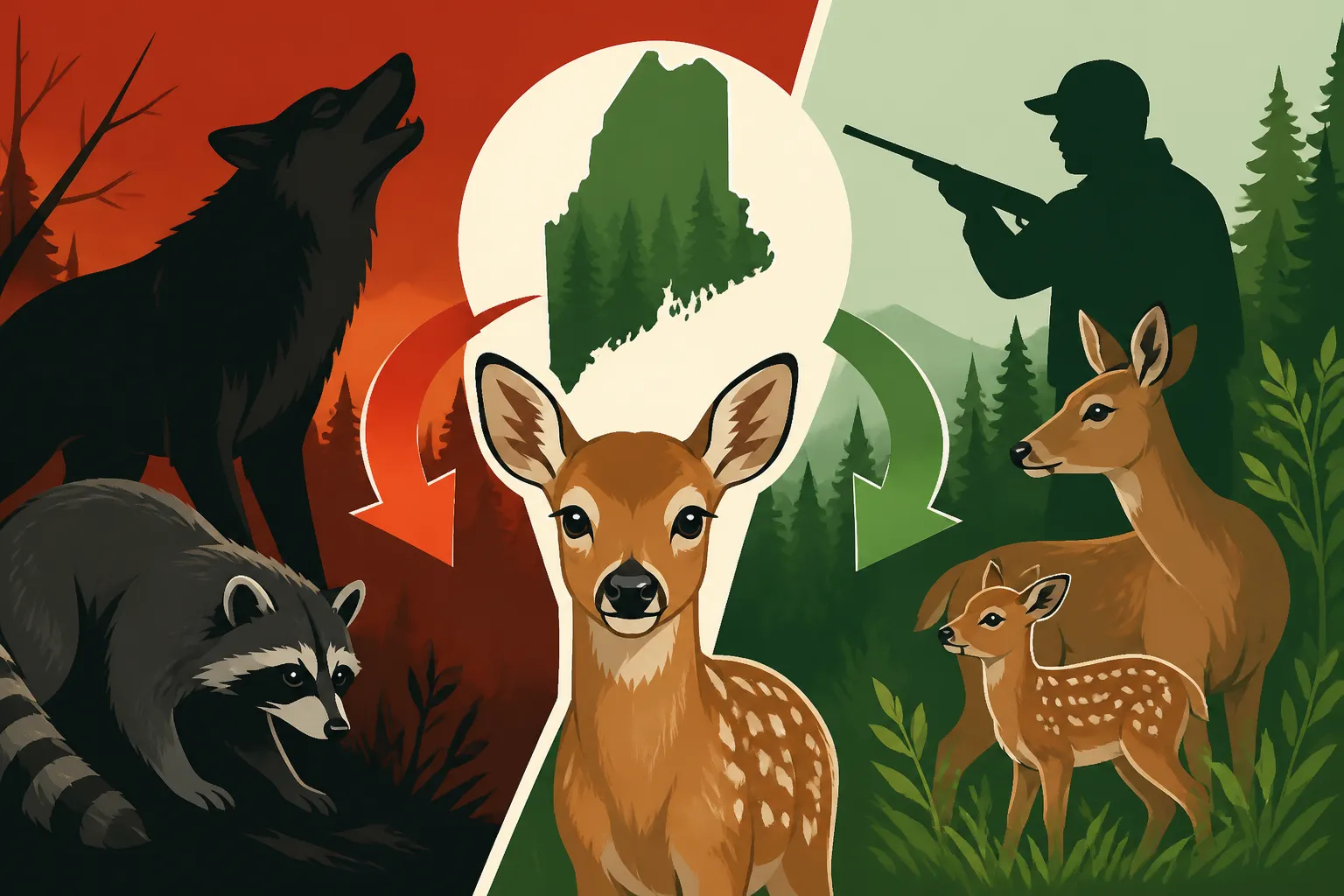
The health and growth of Maine's deer population hinge on a critical, often-overlooked factor: fawn recruitment. It’s a concept that directly impacts how many deer we see in the woods, how successful our hunting seasons are, and the overall vitality of the herd. While many elements play a role, from harsh winters to habitat availability, the influence of predators on newborn fawns is a constant, significant challenge that can leave many hunters scratching their heads about local deer numbers. This guide will delve into the intricate relationship between Maine's various predators and the survival rate of our youngest deer, exploring the challenges and what this means for the future of deer hunting in the state.
Understanding Fawn Recruitment and Why It Matters
Fawn recruitment is essentially the measure of how many fawns survive their first few months of life and make it to the fall hunting season, ready to contribute to the deer population. It's not just about how many fawns are born, but how many make it. For a deer population to remain stable or grow, enough new deer need to enter the herd each year to replace those lost to hunting, old age, disease, and other mortality factors. When fawn recruitment is low, the population can decline, even if the adult deer herd seems healthy.
What is Fawn Recruitment?
Think of fawn recruitment as the "next generation" metric for deer. It's the annual influx of young deer that survive long enough to be counted as part of the effective breeding population or the harvestable surplus. This period, usually from birth in late spring and early summer through their first autumn, is incredibly vulnerable. Fawns are small, relatively immobile, and have not yet developed the full suite of survival skills needed to evade predators or withstand environmental stressors. A strong fawn crop, followed by good recruitment, means a healthier, more robust deer herd down the line. It's the engine that drives population dynamics.
Why Fawn Recruitment is Critical for Maine's Deer Herd
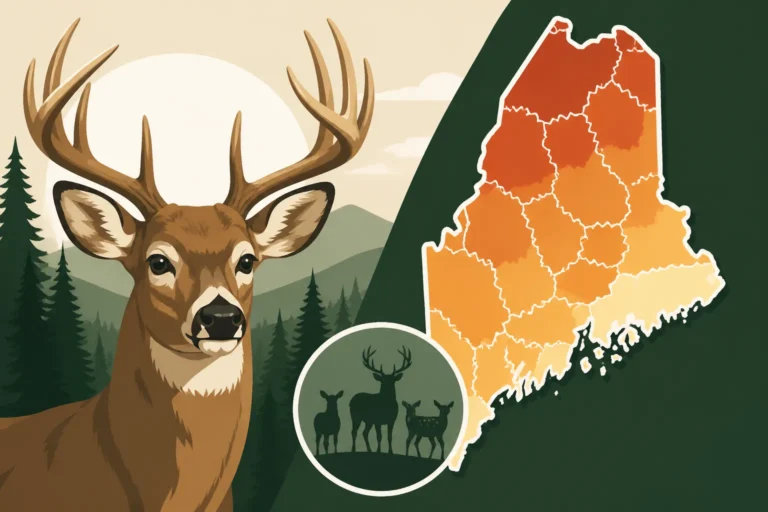
For hunters and wildlife managers alike, robust fawn recruitment is the bedrock of a healthy and sustainable White-Tailed Deer Across Maine population. Without it, even an optimal adult buck-to-doe ratio or excellent habitat can't sustain long-term growth. Maine's diverse landscape, from the dense North Woods to the more agricultural southern regions, presents varying challenges to fawn survival. In areas with historically lower deer densities, like much of northern Maine where deep snow can limit deer populations, strong recruitment is even more vital for recovery and stability. When recruitment falters, the overall Maine Deer Population Estimate can stagnate or decline, leading to fewer deer sightings, reduced hunting opportunities, and concerns for the long-term future of the herd. Data, often compiled from sources like the state's harvest reports or even observations shared on platforms like GoHunt, helps biologists understand these trends.
Key Predators of Fawns in Maine
Maine is home to a variety of carnivores, and while many have a broad diet, some are particularly impactful on young deer. Understanding who these predators are and their typical behavior helps paint a clearer picture of the challenges fawns face.
Coyotes: The Primary Threat
Without a doubt, the Eastern Coyote (often referred to as just "coyote" in Maine) stands out as the most significant predator of fawns in much of the state. These intelligent and adaptable canids are widespread, inhabiting virtually every corner of Maine, from deep wilderness to suburban fringes. Their opportunistic nature and efficient hunting techniques make them incredibly effective at finding and dispatching vulnerable fawns. Coyote populations thrive in many areas, and their expansion and adaptation across North America, including their Maine's Eastern Coyote Origins, have directly coincided with increased predation pressure on deer. A single coyote pack can account for a significant number of fawn mortalities in their territory, especially in late spring and early summer when fawns are literally hiding in plain sight.
Black Bears: Opportunistic Predators
While black bears are often thought of as berry and nut eaters, they are undeniably opportunistic carnivores, and a newborn fawn is an easy, protein-rich meal. How Many Black Bears Live in Maine suggests a robust and healthy population, meaning their presence is widespread. Bears typically emerge from their Maine Black Bear Denning Habits in the spring, often coinciding with the fawning season. A sow with cubs, in particular, will be highly motivated to find easily accessible food sources to support her growing family. While bears might not actively "hunt" fawns with the same systematic approach as coyotes, they will certainly take advantage of any fawn they stumble upon. Their sheer size and power mean a fawn has virtually no chance of escape once discovered.
Other Potential Predators
While coyotes and black bears are the big two, other predators can contribute to fawn mortality, though generally to a lesser extent. Bobcats, though smaller, are efficient hunters and will certainly take a fawn if the opportunity arises. Fishers, while primarily targeting smaller prey like snowshoe hare, are also fierce predators that could occasionally take a very young, unattended fawn. Even domestic dogs, if allowed to roam unchecked, can become a significant localized threat. The collective pressure from these various predators, combined with environmental factors, shapes Maine Fawn Survival Rates year after year. Hunters often get clues about predator presence through tracking software like GoHunt, which can help visualize habitat use and travel corridors where fawns might be most at risk.
How Predators Impact Fawn Survival
The impact of predators on fawn survival isn't just about the direct kill; it's a complex interplay of factors that affect the fawns' vulnerability and the does' ability to protect them.
Direct Predation and Vulnerability
Direct predation is the most obvious and devastating impact. Fawns, born with their characteristic spots as camouflage, instinctively "lie still" when threatened, relying on concealment rather than flight. This strategy works well against predators that hunt by sight, but less so against those with keen senses of smell, like coyotes and bears. Newborn fawns are especially vulnerable during their first few weeks of life, when they are largely immobile and dependent on their mother. A doe will typically hide her fawn in thick cover and move away to feed, returning periodically to nurse. This period of separation is when fawns are most exposed to predators. The sheer density of predators in a given area can greatly influence the odds. A higher Maine Coyote Range and Density in a particular WMD, for instance, often correlates with lower fawn recruitment.
Indirect Impacts and Stress
Beyond direct kills, predators can exert indirect pressure on fawns and their mothers. Constant predator presence can force does to choose less-than-ideal fawning cover, or to move their fawns more frequently, increasing the risk of detection. This added stress can also impact the doe's physical condition, potentially affecting milk production or her ability to adequately care for her fawns. For example, if a doe is frequently agitated by nearby coyotes, she might expend valuable energy she needs for lactation. This stress can weaken fawns, making them even more susceptible to disease, malnutrition, or environmental challenges. Even if a fawn isn't directly killed by a predator, the constant threat can contribute to a cascade of negative effects on its overall health and survival prospects. Observing deer movements and general health, perhaps through trail camera data or scouting apps like GoHunt, can sometimes provide insights into these indirect pressures.
Timing of Predation
The timing of predation is absolutely crucial. The vast majority of fawn mortality due to predators occurs within the first few weeks of life, typically from late May through June in Maine. This period is often referred to as the "fawning season." As fawns grow older, they become more agile, faster, and better equipped to escape danger. Their camouflage becomes less essential as they learn to follow their mothers and react to threats. By mid-summer, older fawns are much less vulnerable to predation. This concentrated period of vulnerability means that the effectiveness of predator populations during those critical few weeks significantly shapes the annual fawn recruitment numbers. Therefore, understanding spring and early summer predator activity is paramount to grasping Maine Deer Harvest Records and future population trends.
Management Strategies and Conservation
Managing the complex relationship between predators and prey in a state like Maine involves careful consideration of ecological balance, human impact, and long-term sustainability for both species.
Balancing Predator Populations
Wildlife managers in Maine are tasked with a delicate balancing act: maintaining healthy populations of both deer and their natural predators. Unlike some states, Maine does not typically engage in widespread, targeted predator control efforts specifically for deer management, preferring to rely on regulated hunting and trapping seasons for predator species. Hunting seasons for coyotes and trapping seasons for bobcats and fishers help to manage their numbers. However, balancing these populations is always dynamic. A particularly harsh winter for deer, for example, might mean increased predator pressure could have a more pronounced impact on an already struggling deer herd. Understanding these population dynamics, often through detailed surveys and data analysis available through resources like GoHunt, is crucial for informed decision-making.
Habitat Management for Fawn Cover
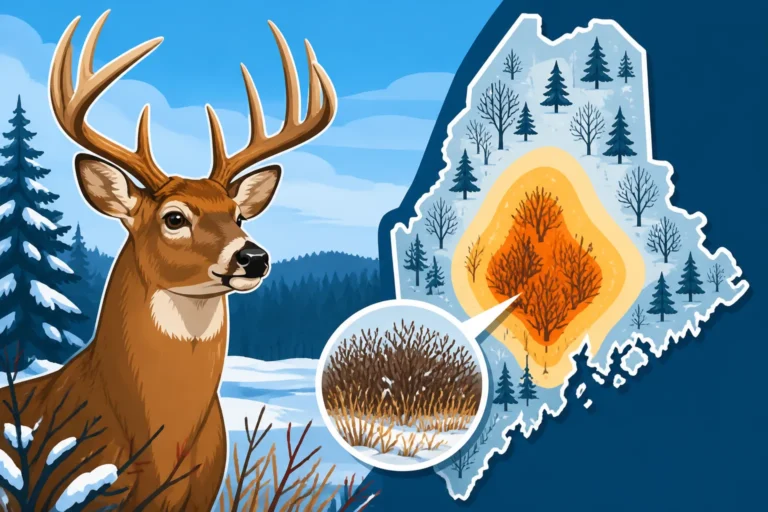
One of the most effective strategies for mitigating predator impact on fawns is through robust habitat management. Providing ample, dense fawning cover gives newborn fawns a better chance to hide and survive those critical first weeks. This means promoting healthy forest regeneration, maintaining diverse undergrowth, and recognizing the importance of areas like thick cedar swamps or brushy clear-cuts as protective havens. Maine Deer Wintering Yards Explained also highlights the need for secure areas during winter, which can help ensure does enter the fawning season in better physical condition, increasing the chances of successful fawn rearing. Landowners, whether private citizens or large timber companies, play a huge role here. Thoughtful timber harvesting practices that leave sufficient cover, or the establishment of Maine Wildlife Management Areas with diverse habitat structures, can directly benefit fawn survival.
Hunter Observations and Data Collection
Hunters are often the first line of defense in observing trends on the ground. When you're out in the woods, especially during spring turkey season or early scouting trips, paying attention to signs of predator activity and deer behavior can be invaluable. Reporting unusual predator sightings or observed fawn mortalities to the Maine Department of Inland Fisheries and Wildlife (MDIFW) helps biologists gather more localized data. Each Reading a Maine Harvest Report offers a snapshot of overall deer numbers, but individual observations contribute to a more nuanced understanding of specific WMDs. By working together, hunters and wildlife managers can better understand the complex factors affecting Maine Deer Antler Growth Timeline and overall herd health, ensuring that the legacy of hunting in Maine continues for generations to come.
| Predator Species | Primary Impact on Fawns | Peak Season of Predation | General Habitat |
|---|---|---|---|
| Eastern Coyote | Direct mortality, stress | Late May – Early July | Widespread, all habitats |
| Black Bear | Opportunistic direct mortality | Late May – Mid June | Forested areas, swamps |
| Bobcat | Occasional direct mortality | Late May – Early July | Dense cover, mixed woods |
| Fisher | Rare direct mortality | Late May – Early June | Mature forests, dense undergrowth |
Disclaimer
This article is for general informational purposes only and does not constitute professional advice. Laws, prices and regulations vary by location and change over time. Consult a qualified professional for guidance on your specific situation.