How Many Black Bears Live in Maine
It's a question many of us ponder when we're out in the woods, or even just planning our next hunting season: just how many black bears are actually roaming the vast forests of Maine? Pinpointing an exact number for a wild, elusive species like the black bear is always a challenge for wildlife biologists, but understanding their estimated population size and the factors that influence it is absolutely crucial for both conservation and successful hunting strategies. This guide will dive deep into how Maine's black bear population is estimated, what those numbers generally look like, and what it all means for hunters looking to pursue these magnificent animals.
The Art and Science of Estimating Maine's Black Bear Population
Counting wild animals, especially those as solitary and wide-ranging as black bears, isn't as simple as lining them up and doing a headcount. Wildlife agencies, like the Maine Department of Inland Fisheries and Wildlife (MDIF&W), employ a combination of sophisticated techniques to arrive at their population estimates. These methods are a blend of cutting-edge science and years of field experience, designed to give us the most accurate picture possible of the state's bear numbers.
Methods of Population Estimation
One of the primary techniques used is the capture-recapture method, often combined with DNA sampling. Think of it like this: biologists will bait trap bears, tranquilize them, collect a small tissue sample (often a hair follicle), and then release them. Each bear gets a unique "ID" from its DNA. Over a period, they'll repeat this process. By looking at the proportion of bears recaptured (or whose DNA is resampled) to those newly identified, they can extrapolate an estimate for the entire population within a study area. This gives a much more reliable snapshot than just casual sightings.
Another crucial piece of the puzzle comes from den studies. By tracking bears to their winter dens, biologists can gather data on reproductive rates, cub survival, and the overall health of the bear population. This direct observation provides invaluable insights that statistical models alone might miss. When you combine this with harvest data—the number of bears taken by hunters each year, along with their age and sex—a comprehensive model begins to emerge. Each bear harvested provides a data point, helping to inform researchers about the population's age structure and overall vitality.
Challenges in Counting Bears
Despite these advanced methods, it's important to remember that these are estimates, not precise counts. Black bears are incredibly intelligent, wary, and often inhabit dense, remote forestland that is difficult to access. Their wide home ranges mean they can cover significant distances, making it hard to track individual animals without advanced GPS telemetry. Weather patterns can also influence bear activity and, subsequently, the success of trapping or sighting efforts. A year with abundant natural food sources might see bears less interested in bait stations, while a lean year could bring them in more readily. These fluctuations in behavior add layers of complexity to the estimation process. Understanding these challenges helps us appreciate the scientific rigor behind the numbers we eventually see.
Maine's Thriving Bear Population: What the Numbers Tell Us
Maine is truly a black bear stronghold in the eastern United States. For hunters and wildlife enthusiasts, this is fantastic news. The state boasts one of the largest, if not the largest, black bear populations east of the Mississippi River, a testament to its vast forests and effective wildlife management.
General Population Estimates
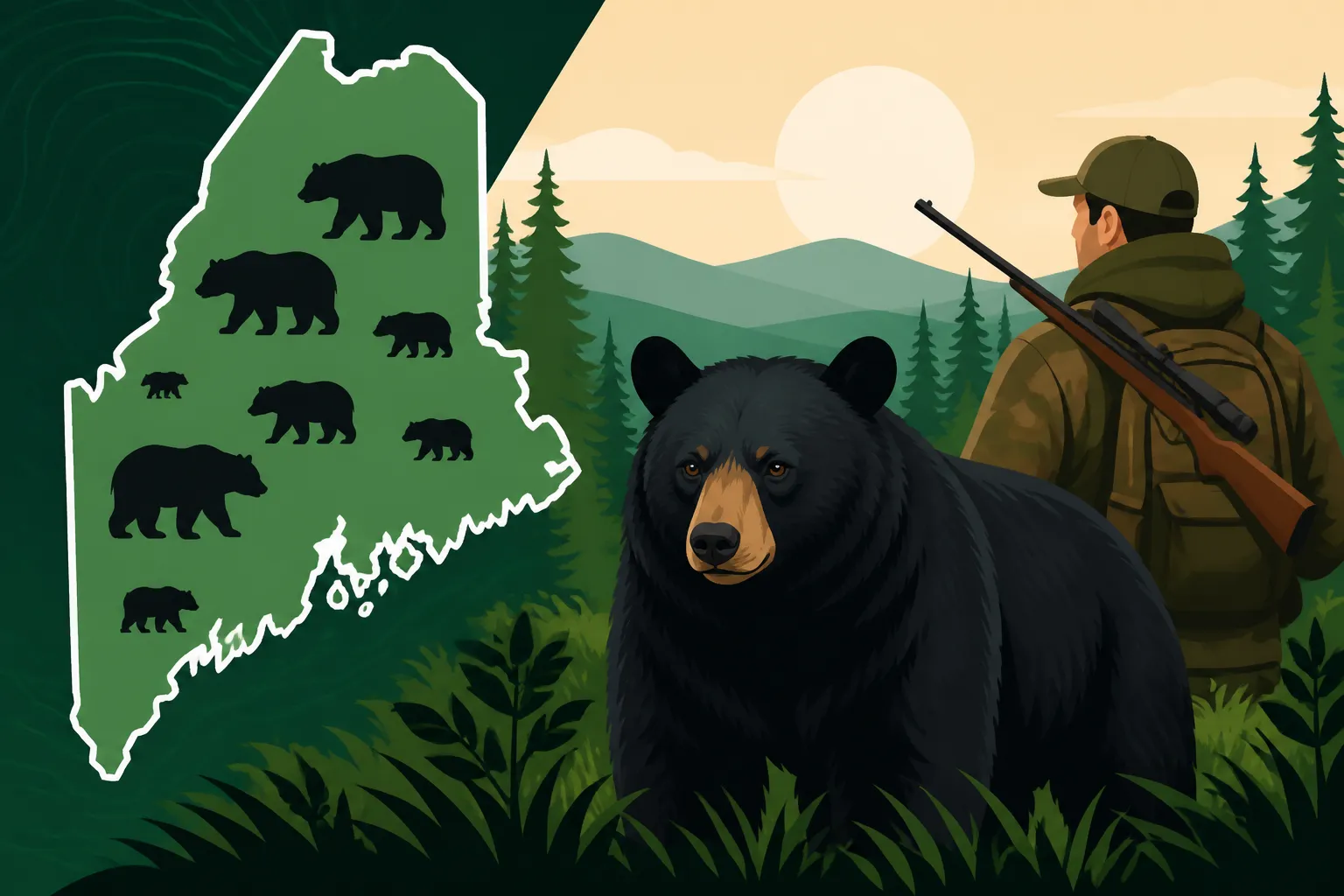
While exact figures fluctuate year to year based on various environmental factors and survey results, Maine's black bear population is generally estimated to be in the tens of thousands. Historically, estimates have placed the population in the range of 30,000 to 36,000 animals, and sometimes even higher. This robust number indicates a healthy and expanding bear population across much of the state, particularly in the vast, wild expanses of the northern and western regions. When you hear about Maine Bear Population Estimate, these are the kinds of numbers the experts are working with.
This isn't a stagnant number, though. Wildlife populations are dynamic, constantly ebbing and flowing with changes in habitat, food availability, and human interactions. However, the general trend for Maine's black bears has been one of stability or even growth over recent decades, a direct result of sound conservation practices and the resilience of the species in a suitable environment.
Factors Influencing Population Health
Several key factors contribute to Maine's thriving bear population. Firstly, the sheer amount of undeveloped forestland, especially in the North Maine Woods, provides ideal habitat. Bears need large tracts of diverse forest, offering a mix of hardwoods for mast crops (like acorns and beechnuts), softwoods for denning, and wetlands for berries and other forage.
Secondly, food availability plays a massive role. Years with strong mast crops or abundant berry harvests often lead to higher cub survival rates and healthier adult bears. Conversely, poor food years can result in lower reproductive success and increased bear conflicts with humans as bears search for alternative food sources. Learning about Maine Black Bear Denning Habits can give you further insight into their reproductive cycles and survival strategies during lean times.
Finally, effective wildlife management, including regulated hunting seasons, is critical. By carefully setting harvest limits and season structures, MDIF&W helps maintain a population that is healthy, ecologically balanced, and provides sustainable opportunities for hunters. Without this careful stewardship, bear populations could either become overpopulated in certain areas (leading to increased human-bear conflicts) or decline due to other pressures.
Managing Maine's Bear Resource for the Future
Maine's approach to black bear management is truly a national model, balancing robust conservation with responsible hunting opportunities. The MDIF&W employs a multi-faceted strategy to ensure the bear population remains healthy and sustainable for generations to come.
Sustainable Harvest Quotas
At the heart of Maine's bear management is the careful setting of harvest quotas and season structures. Biologists continually monitor population trends, reproductive rates, and cub survival to recommend appropriate harvest levels each year. This isn't about reducing the population indiscriminately; it's about maintaining a stable, healthy population within the carrying capacity of the habitat, while also providing recreational and economic benefits through hunting.
Maine offers a unique system for bear hunting, utilizing Maine's Three-Method Bear Season: baiting, hunting with hounds, and still-hunting/trapping. Each method is carefully regulated with specific season dates and rules designed to distribute hunting pressure and provide diverse opportunities while ensuring a sustainable harvest. For instance, the Maine Bear Bait Season Dates are set to capitalize on bears actively feeding before denning, while the Maine Hound Season Dates allow hunters with trained dogs to pursue bears, often in more challenging terrain. Additionally, the Maine Bear Trapping Season Dates provide another means of harvest, particularly in areas where other methods may be less effective.
Addressing Human-Bear Conflicts
A healthy bear population, especially one that is expanding, inevitably leads to increased interactions between bears and humans. MDIF&W works diligently to manage these conflicts, which can range from bears raiding bird feeders in suburban areas to more serious encounters. Education plays a huge role here, teaching residents how to live responsibly in bear country by securing attractants like trash and pet food.
Hunting also serves as a critical management tool in this regard. By allowing for a regulated harvest, hunting helps to manage bear numbers and disperse populations, reducing the likelihood of conflicts in areas with higher human density. This proactive management strategy helps prevent nuisance behaviors from escalating and fosters a more harmonious coexistence between people and bears across the state.
What Maine's Bear Numbers Mean for Hunters
For those of us who love to hunt black bears, Maine's robust population is incredibly encouraging. It translates directly into plentiful opportunities and generally good success rates, making Maine a premier destination for bear hunting.
Opportunities Abound
With a healthy and stable population, hunters can anticipate consistent opportunities each season. Whether you prefer the strategic challenge of still-hunting through thick cover, the fast-paced excitement of a hound hunt, or the patient observation of a bait stand, Maine offers avenues for every preference. The sheer abundance of bears means that whether you're a resident or a nonresident, you have a solid chance of encountering these magnificent animals.
If you're considering a guided hunt, the strong bear numbers also mean that reputable outfitters like those you might find on platforms like GoHunt often have good success rates for their clients. Being able to choose from a variety of hunting methods further enhances the experience, allowing hunters to pick a style that best suits their skills and preferences. Tools like GoHunt can also be invaluable for researching specific zones and understanding historical success rates in those areas, giving you an edge in planning.
Strategic Planning for Success
While the numbers are in our favor, success in bear hunting still comes down to preparation and understanding bear behavior. Knowledge of Maine Bear Harvest Numbers by Method can help you decide which hunting strategy might align best with your goals and the specific conditions of a given year. For instance, knowing that bears often pack on weight before winter can influence your timing, as bears are typically very active feeders in late summer and early fall. The Average Weight of a Maine Black Bear taken each year also speaks to the health and size potential of the animals in the state.
Scouting is paramount. This means understanding food sources, travel corridors, and denning areas. Technologies and resources, potentially including detailed mapping offered by GoHunt, can assist significantly in identifying prime habitat and potential bear sign, even before you step foot in the woods. These insights, combined with the assurance of a strong bear population, set the stage for a rewarding hunt.
Ultimately, Maine's black bear population isn't just a number; it's a living, breathing testament to successful conservation and a vibrant wild landscape. For hunters, it represents a cherished opportunity to engage with one of North America's most impressive big game animals in an environment where they truly thrive.
| Aspect of Bear Population | Description | Significance for Hunters |
|---|---|---|
| Estimated Size | Generally in the tens of thousands (e.g., 30,000+), making it one of the largest populations in the Eastern U.S. | High probability of encountering bears, robust hunting opportunities across various methods and regions. |
| Population Trend | Stable to increasing over recent decades. | Assures consistent hunting opportunities year after year; confidence in long-term sustainability. |
| Habitat Quality | Vast, diverse forestland with abundant food sources (mast, berries, wetlands). | Bears are healthy, often large, and distributed widely. Focus scouting on diverse habitat types. |
| Management Strategy | MDIF&W uses scientific data, harvest quotas, and varied hunting methods (bait, hounds, still-hunt/trap). | Predictable seasons and regulations; multiple options for pursuing bears; ensures population health for future hunting. |
| Harvest Success Rates | Generally favorable, especially compared to other states with smaller populations. | Good odds of success for prepared hunters; often higher success on guided hunts. |
| Conflict Management | Education and regulated hunting help manage human-bear interactions. | Hunting contributes to a balanced ecosystem, reducing nuisance issues and fostering acceptance of bears by the public. |
Disclaimer
This article is for general informational purposes only and does not constitute professional advice. Laws, prices and regulations vary by location and change over time. Consult a qualified professional for guidance on your specific situation.