Maine Goose Harvest Numbers
It can feel like a real mystery trying to pin down exactly how many geese are harvested in Maine each year. As hunters, we're keenly aware of the ebb and flow of bird populations, and we often wonder if what we're seeing in the field aligns with the bigger picture. This guide will take a deep dive into Maine's goose harvest numbers, explaining where this crucial data comes from, what it means for you as a hunter, and how these figures play a vital role in the conservation and management of these incredible waterfowl.
Understanding Maine's Goose Harvest Data
Trying to understand the intricate dance of migratory bird populations and hunter success can sometimes feel like trying to solve a puzzle with a few missing pieces. But for dedicated waterfowlers in Maine, knowing about the goose harvest isn't just about curiosity; it's about being informed, understanding the health of the resource we cherish, and making smarter decisions in the field. This data, often presented in reports and surveys, is the backbone of sustainable hunting in our state.
Why Harvest Numbers Matter for Hunters and Management
Harvest numbers aren't just dry statistics; they're a pulse check on the goose populations that either call Maine home year-round or grace our skies during their migrations. For us hunters, these figures can signal trends: are local Canada Goose populations thriving? Are we seeing more or fewer birds moving through the Atlantic Flyway? This information directly impacts the seasons we hunt, the bag limits we adhere to, and ultimately, our success. If harvest numbers dip consistently, it might suggest a population decline, prompting wildlife agencies to adjust regulations to ensure geese can rebound. Conversely, robust harvest numbers, especially for resident geese, can sometimes allow for more liberal hunting opportunities, like extended early seasons designed to manage local populations that can sometimes become a nuisance in urban and agricultural areas. It's a delicate balance, and these numbers help keep it in check, ensuring that future generations of hunters will have geese to pursue.
How Maine Collects Goose Harvest Information
You might wonder how on earth wildlife biologists keep track of every goose harvested across a state as vast and varied as Maine. The truth is, it's a sophisticated system, primarily driven by a partnership between state agencies and the U.S. Fish and Wildlife Service. The cornerstone of this data collection is the Migratory Bird Harvest Information Program, or HIP. Every hunter who plans to hunt migratory game birds in Maine, including geese, is required to register with HIP annually. When you register, you provide basic information and answer a few questions about your hunting activity from the previous season. This participation isn't just a formality; it's absolutely crucial, as it allows biologists to create a sampling frame.
From this frame, a portion of hunters are randomly selected to participate in a more detailed survey where they report their actual harvest, usually via mail or online. This might sound like a lot of work, but without it, the data wouldn't be nearly as accurate. The reported information, combined with other surveys like parts collection (where hunters submit wings or tail feathers for age and sex determination), allows experts to estimate total harvest numbers for various goose species. It's a testament to how every hunter's small contribution adds up to a comprehensive understanding of the resource. You can learn more about this by looking up Maine HIP Certification for Bird Hunters.
The Nuances of Goose Species in Maine's Harvest
When we talk about "goose harvest" in Maine, we're mostly talking about Canada Geese, but it's important to remember that not all Canada Geese are created equal in the eyes of management or the hunter. Maine hosts both a significant population of "resident" Canada Geese, which breed and live here year-round, and "migratory" Canada Geese, which funnel down from northern breeding grounds during the fall and spring. These two populations often have distinct management strategies and sometimes even different season structures or bag limits. For instance, early September seasons are typically designed to target abundant resident populations before the main push of migratory birds arrives.
Beyond Canada Geese, Maine hunters might occasionally encounter and harvest Snow Geese, particularly during their spring migration or if a few stragglers get mixed in with other flocks during the fall. However, Snow Goose harvest numbers are typically very low in Maine compared to Canada Geese. Understanding these distinctions is key because harvest data will often differentiate between resident and migratory Canada Geese, reflecting the specific conservation goals for each group. The sheer volume of Canada Geese, both resident and migratory, means they dominate the conversation when discussing goose harvest numbers in our state.
Deciphering Recent Maine Goose Harvest Trends
Anyone who has spent enough time out in the blind or stalking field edges knows that goose hunting isn't a static experience. Some years feel abundant, with flocks seemingly everywhere, while others are a grind, requiring more effort for fewer opportunities. These anecdotal observations often reflect broader trends in goose populations and harvest numbers that wildlife managers meticulously track. Understanding these trends helps us make sense of what we're seeing, and sometimes, even predict what might be coming down the pike for future seasons.
Overall Goose Harvest Fluctuations in Maine
Maine's goose harvest numbers, predominantly for Canada Geese, can fluctuate quite a bit from year to year. These aren't always dramatic swings, but subtle shifts that reflect a complex interplay of factors. For example, a few mild winters in a row might mean more resident geese survive, leading to a bump in local breeding populations and potentially higher harvest numbers in the early season. Conversely, a prolonged period of severe weather during migration, or even just during the hunting season itself, can scatter birds or push them quickly through the state, making them harder for hunters to intercept. This can result in a lower overall harvest.
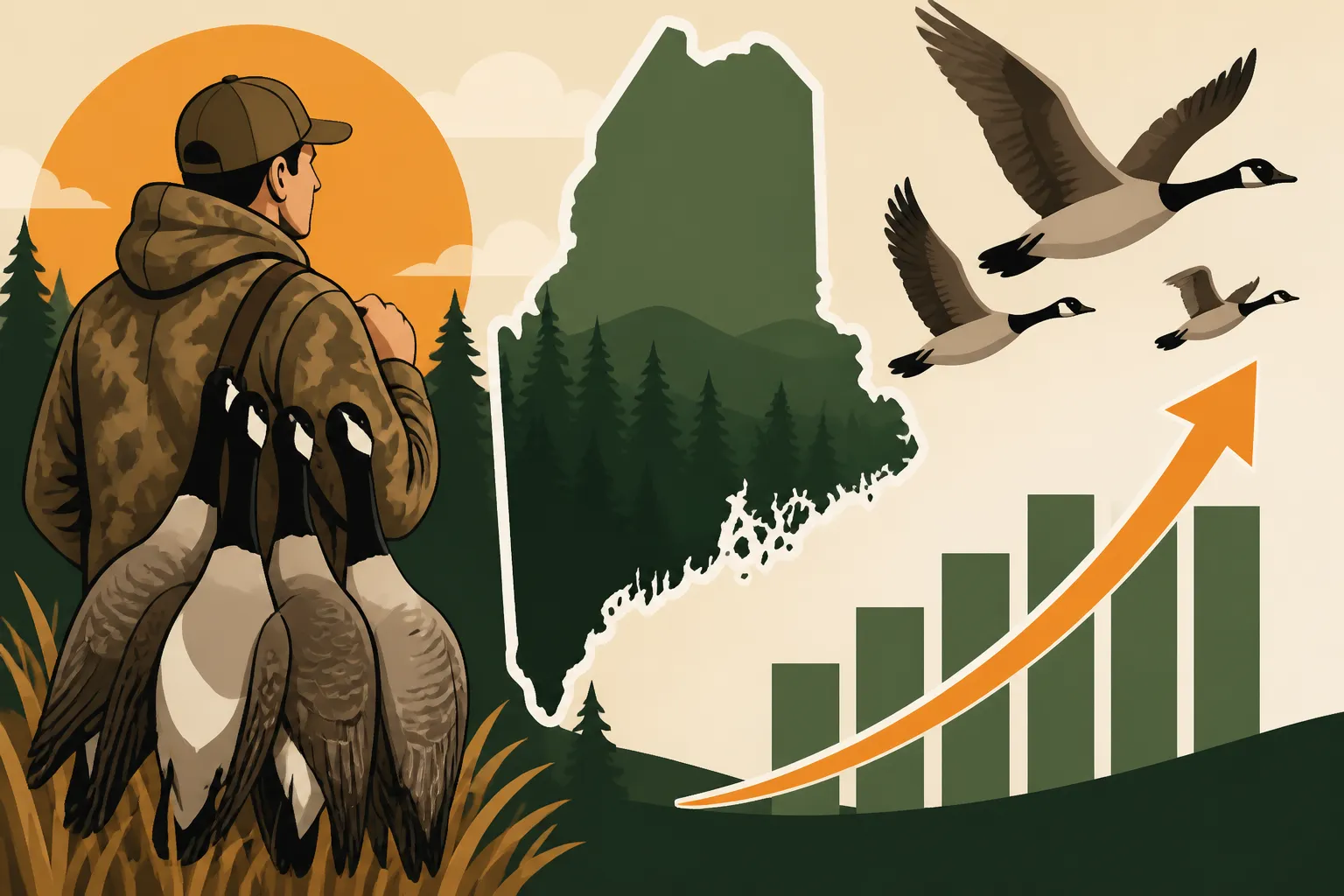
It’s not just about the birds themselves; it’s also about us. Hunter participation can influence these figures too. If more people are buying permits and heading out for geese, even if success rates per hunter remain stable, the total harvest can increase. Over the last decade, we've generally seen stable to slightly increasing trends in Maine's Canada Goose population and harvest, largely thanks to successful management strategies for the resident birds. These numbers give us a snapshot, helping us gauge the overall health of the resource and the effectiveness of current hunting regulations.
Resident Canada Goose Versus Migratory Goose Harvest
One of the most critical distinctions in Maine's goose management is between resident Canada Geese and their migratory counterparts. The early September season is specifically designed to target these resident birds, which have flourished across the landscape, often nesting in unexpected places like suburban ponds or agricultural fields far from traditional wilderness areas. The harvest numbers from this early season tend to be quite robust, as these birds are often less wary and more predictable in their movements. Hunters can often find excellent opportunities on Hunting a Green Field Planted for Deer or near local waterways.
When the regular migratory waterfowl seasons kick in later in the fall, we start seeing birds moving through from Canada and points north. The harvest of these migratory geese is far more dependent on weather patterns, the timing of cold fronts, and the availability of food sources along their flight path. Some years, we get a strong push of northern birds that stage in Maine for a good while, offering fantastic hunting. Other years, they might just pass through quickly. The overall harvest often shows a significant portion coming from the resident population, followed by a variable but still substantial contribution from the migratory flocks, especially in areas like Hunting Aroostook County Potato Country or Hunting Downeast Coastal Cover where they feed in agricultural fields or rest on coastal waters.
Impact of Weather and Habitat on Harvest Success
Weather is undeniably one of the biggest drivers of goose harvest success in Maine. Think about it: a warm, open fall means birds might not migrate as early or as concentratedly. They'll be spread out, making it harder to find large numbers. On the flip side, an early cold snap or a series of strong northwest winds can trigger massive migrations, pushing thousands of birds into the state over a short period. This can create incredible hunting opportunities, especially if those birds hold up in certain areas before continuing south.
Habitat also plays a crucial role. Geese are highly adaptable, but they still need food, water, and safe roosting areas. Changes in agricultural practices, such as more corn being left standing or new fields being planted, can draw birds in and hold them. Conversely, extensive development that reduces wetland habitat or increases human disturbance can push geese away from traditional areas. Heavy rainfall creating new sheet water in fields can offer resting spots, while drought conditions might concentrate birds on fewer available water bodies. Hunters who pay attention to these environmental cues, perhaps using a tool like GoHunt to scout current satellite imagery and weather forecasts, often have a better chance of intercepting geese, regardless of the overall harvest trend.
Factors Influencing Maine's Goose Harvest
Beyond simply reporting the numbers, it's essential to understand why those numbers are what they are. The goose harvest in Maine isn't determined by a single factor, but rather a complex web of ecological dynamics, human behavior, and management decisions. As hunters, appreciating these underlying influences not only deepens our connection to the resource but also helps us become more effective and ethical participants in its conservation.
Population Dynamics and Breeding Success
At the heart of any harvest number lies the health and abundance of the goose populations themselves. For migratory geese, their breeding success far to the north, often in the vast tundras of the Arctic, is paramount. A good breeding season—meaning favorable weather during nesting, ample food, and low predation—translates into a strong cohort of young birds joining the fall migration. These "young of the year" are often less wary than older birds and contribute significantly to hunter success. Conversely, a poor breeding season can mean fewer birds overall and a higher proportion of older, more experienced geese, making for tougher hunting.
For Maine's resident Canada Goose population, local breeding success is the key. These birds benefit from mild winters and readily available food and nesting sites, often in human-modified landscapes. Over the years, their populations have boomed, leading to expanded hunting opportunities to help manage their numbers. Biologists closely monitor these population trends, often using banding data through programs like Maine Waterfowl Banding Programs, to predict how many birds might be available for harvest. It's a testament to good conservation that these birds are so abundant now.
Hunter Participation and Effort
Even with a healthy goose population, the harvest still relies on hunters being out in the field. If fewer hunters are going out, or if those who are hunting aren't putting in the same level of effort (say, due to work schedules, bad weather, or simply less passion that season), the overall harvest numbers can naturally dip, even if there are plenty of geese around. Factors like fuel costs, equipment expenses, or even the general popularity of waterfowl hunting can subtly influence hunter participation.
However, increasing hunter effort can also drive up harvest numbers. Hunters who dedicate time to scouting, setting elaborate decoy spreads, or investing in specialized gear often have higher individual success rates. Tools like GoHunt can empower hunters by providing access to detailed aerial maps, public land boundaries, and even weather overlays, helping them plan their hunts more effectively and identify prime locations, whether that's Hunting a Clover Plot at First Light or Hunting a Beaver Flowage Edge at Dusk. When more hunters leverage such resources to maximize their time in the field, the collective harvest naturally increases. It really highlights how individual effort can contribute to the larger picture of harvest statistics.
Regulatory Changes and Bag Limits
Perhaps the most direct influence on goose harvest numbers, from a human management perspective, comes from regulatory changes. Wildlife agencies, both state and federal, constantly adjust seasons, zones, and bag limits based on population data, breeding success, and harvest trends. If a particular goose population is struggling, you might see a reduction in the daily bag limit or a shortening of the season to reduce overall harvest pressure. For instance, understanding Maine Duck and Goose Bag Limits is crucial because these numbers are dynamic, reacting to the biological needs of the birds.
Conversely, if a population, like Maine's resident Canada Geese, is robust and perhaps causing agricultural damage or nuisance issues, the season might be extended, or bag limits might be more liberal, especially during early seasons. The federal framework, which dictates the outer bounds of what states can set, is based on extensive scientific modeling. Maine then works within that framework to fine-tune its specific regulations, often differentiating between inland and coastal zones, or even within certain Maine Sea Duck Season and Zones, to meet localized management objectives while contributing to the overall Atlantic Flyway management goals. These regulatory decisions are not arbitrary; they are data-driven efforts to ensure sustainable hunting opportunities for years to come.
How Hunters Can Use Harvest Data
As hunters, we're naturally focused on the next sunrise hunt or the perfect decoy spread. But taking a moment to understand and even utilize goose harvest data can elevate our entire experience, making us not only more successful but also more informed and responsible stewards of the resource. It’s about looking beyond our immediate blind and seeing the bigger picture that these numbers paint.
Predicting Future Hunting Opportunities
While no data can give you a crystal ball to guarantee limits, understanding historical harvest numbers and trends can absolutely help you predict future hunting opportunities in Maine. If certain regions or Wildlife Management Districts (WMDs) consistently show higher goose harvests year after year, it's a strong indicator that these areas have either stable resident populations, attract significant migratory birds, or both. This knowledge can guide your scouting efforts, helping you focus your time where the birds are most likely to be. For example, if harvest reports show strong numbers in potato country, you might want to spend more time Hunting Aroostook County Potato Country.
You can also look for patterns related to specific weather events. If harvest numbers historically spike after the first significant cold front in November, that's a good time to be in the field. Tools like GoHunt can be incredibly useful here, allowing you to overlay historical data with current satellite imagery, identify potential feeding or roosting areas, and track weather patterns that influence goose movements. By studying past successes, you can refine your own hunting calendar and tactics, giving yourself a significant edge in finding birds.
Ethical Hunting and Conservation Considerations
Understanding goose harvest data also underscores the importance of ethical hunting practices and our collective role in conservation. When you fill out your HIP survey accurately, or when you truthfully report your harvest, you're contributing to the very data that informs management decisions. Inaccurate reporting can lead to skewed numbers, which in turn can lead to inappropriate season lengths or bag limits, potentially harming the resource or reducing future opportunities. Our honesty directly fuels the sustainability of waterfowl hunting.
Furthermore, harvest data often highlights the success of conservation efforts. The strong resident Canada Goose populations we enjoy today are a direct result of past management strategies and hunter support for conservation funding. By understanding these numbers, we reinforce our commitment to responsible hunting and continue to advocate for habitat preservation and sound wildlife management. It's a reminder that every goose we harvest is part of a larger, carefully managed system, and our actions as hunters are integral to that system.
Locating Hotspots and Optimizing Strategy
One of the most practical applications of harvest data for individual hunters is pinpointing potential hotspots and fine-tuning your hunting strategy. While general harvest numbers are useful, drilling down to more localized data, if available, can reveal which specific WMDs or types of habitat are most productive. For instance, are the highest harvest numbers coming from coastal salt marshes or inland agricultural fields? This can help you decide if you need to scout for Hunting a Tidal Flat at Dawn or focus on field edges.
Knowing where the geese are typically harvested in higher numbers helps you adjust your setup. If a WMD consistently shows high harvest, it might warrant more detailed scouting to find those specific fields or water bodies where birds are concentrating. You might then decide to try Setting Decoys on a Beaver Flowage if inland waters are key, or modify your spread for larger coastal flocks. By combining this data with real-time scouting and mapping tools like GoHunt, you can significantly optimize your efforts. Instead of just guessing, you're making data-informed decisions about where to go, when to go, and how to set up, ultimately leading to more rewarding days in the goose blind.
Here’s a snapshot of how goose harvest might fluctuate under different conditions:
| Year (Hypothetical) | Primary Weather Influence | Estimated Total Goose Harvest (Canada Geese) | Hunter Participation Trend | Average Birds Per Hunter | Notable Trends |
|---|---|---|---|---|---|
| Year 1 | Mild Fall, Late Migration | 18,500 | Stable | 2.5 | Strong resident goose harvest, but migratory birds passed through quickly. |
| Year 2 | Early Cold Snap, Heavy Snow | 23,200 | Slight Increase | 3.1 | Excellent migratory goose hunting in November; birds held longer due to abundant food. |
| Year 3 | Warm, Wet Fall, Spread Out Birds | 16,900 | Slight Decrease | 2.2 | Geese were widely dispersed, making them harder to pattern. Lower overall success. |
| Year 4 | Balanced Season, Consistent Flights | 20,100 | Stable | 2.8 | Good mix of resident and migratory harvest. Steady hunting throughout the season. |
Please remember, these numbers are illustrative to show potential trends and fluctuations rather than real-time data.
Disclaimer
This article is for general informational purposes only and does not constitute professional advice. Laws, prices and regulations vary by location and change over time. Consult a qualified professional for guidance on your specific situation.