Average Weight of a Maine Black Bear
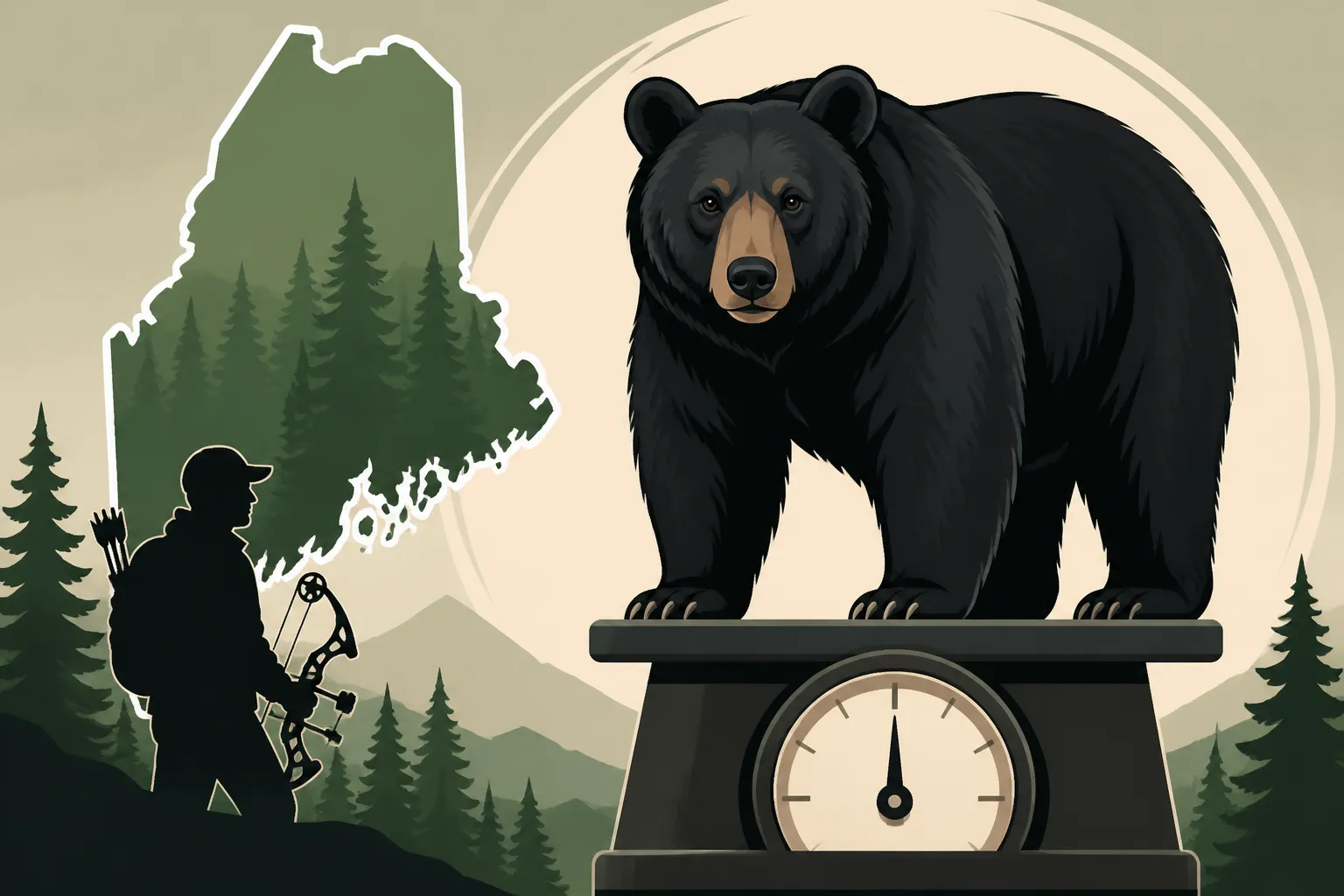
One question that often comes up, especially among hunters planning a trip or those who've simply glimpsed these magnificent animals in the Maine woods, is just how big is a black bear? We see pictures of massive bruins, but it's hard to get a real sense of the average. This guide will dive deep into the factors that determine a Maine black bear's weight, explore the typical ranges you might encounter, and discuss what these numbers mean for hunters and wildlife enthusiasts alike.
Demystifying the "Average" Maine Black Bear Weight
When we talk about the "average" weight of a Maine black bear, it’s important to understand that this isn’t a single, fixed number. Bears, much like people, vary significantly in size based on a multitude of factors. It's not uncommon to hear tales of truly enormous bears, but these are often the exceptions rather than the rule. Getting a realistic expectation helps both hunters and wildlife observers appreciate the true spectrum of these fascinating animals.
The Influence of Age and Sex
One of the most significant determinants of a black bear's weight is its age and sex. Younger bears, especially yearlings and two-year-olds, are still growing rapidly and typically weigh far less than a mature adult. A male bear, or boar, generally grows much larger and heavier than a female bear, or sow, of the same age. This is a common biological trait across many mammal species, where males develop greater musculature and bone structure.
For instance, a yearling sow might weigh in the neighborhood of 50-70 pounds, while a two-year-old boar could easily hit 150-200 pounds if food is plentiful. A mature sow, perhaps five or six years old, might consistently weigh 150-250 pounds, whereas a mature boar of the same age could easily push 300-400 pounds. These aren't hard and fast rules, of course, but general trends that wildlife biologists observe in the field when studying the Maine Bear Population Estimate.
As bears get older, they continue to put on weight until they reach their prime, which for boars can be anywhere from 7 to 12 years old. After that, their weight might stabilize or even decline slightly in their very senior years, especially if dental issues or injuries hinder their ability to forage effectively. Understanding these age and sex distinctions is crucial for anyone trying to gauge the size of a bear they encounter.
Habitat and Food Availability as Key Factors
A bear's environment and the abundance of food within it play a monumental role in how much weight it can pack on. Maine's diverse landscapes offer varying levels of nourishment. Bears in areas rich with agricultural crops like corn or oats, or those with dense stands of mast-producing trees (oaks, beeches), often grow larger than bears in more sparse, heavily forested regions. Think about the difference between a bear that can consistently raid apple orchards and one that relies solely on wild berries and grubs in a remote, high-elevation area.
The availability of protein, especially during critical growth periods for cubs and sub-adults, is also vital. While berries and nuts are key caloric sources, access to protein from insects, carrion, or even small mammals contributes to muscle and overall body mass. Areas with plentiful food sources allow bears to accumulate significant fat reserves, which are absolutely essential for surviving the long Maine winter during their hibernation period.
Factors like late frosts impacting berry crops, or a poor acorn year, can directly influence the average weight of bears in a given region in subsequent seasons. Wildlife managers closely monitor these environmental variables, as they can have a ripple effect on the health and size of the entire Black Bears in Maine population. A good mast crop can mean heavier bears come fall, while a lean year might see lighter animals entering their dens.
Genetic Predisposition and Regional Differences
While age, sex, and food are significant, genetics also play a role in a bear's potential size. Just like in humans or any other animal, some bears are simply predisposed to be larger than others due to their genetic makeup. This isn't always immediately obvious in the field, but over generations, certain bloodlines might produce larger individuals. This genetic potential interacts with environmental factors to determine the ultimate size a bear can achieve.
Furthermore, these factors combine to create regional differences in average bear weights across Maine. While anecdotal evidence and hunter reports suggest that bears in the more remote, less-pressured North Woods might trend larger due to age and less human interaction, bears in agricultural areas or suburban fringes can also become quite large if they exploit abundant food sources. There's a fascinating interplay between wilderness and human-altered landscapes that shapes How Many Black Bears Live in Maine and how big they get.
For example, a bear living in a more populated WMD (Wildlife Management District) might have more consistent access to human-related food sources, which, while potentially leading to conflicts, can also contribute to higher weights if they're not removed from the population. Hunters planning a trip might find it useful to use tools like GoHunt, which can help visualize different habitats and potential food sources across WMDs, offering clues as to where larger bears might be found.
Typical Weight Ranges Across Maine's Diverse Landscapes
Maine boasts a healthy and robust black bear population, and their size can vary considerably. It’s a pretty incredible feat for an animal to gain so much weight over a single season, preparing for denning. The typical weight ranges you might encounter depend heavily on where in the state you're hunting or observing, and the specific demographics of that local bear population.
North Woods Giants vs. Southern Maine's Suburb Dwellers
The popular image of a colossal black bear often conjures up visions of Maine's vast North Woods. These remote, sprawling timberlands generally have less human disturbance, allowing bears to age more gracefully and potentially reach larger sizes. It's in these areas that you're more likely to find a truly old, heavy boar that has survived many seasons. Average adult boars in the North Woods can certainly fall into the 250-400 pound range, with exceptional individuals pushing well beyond that.
In contrast, bears living closer to southern Maine's more developed areas, or even in rural agricultural zones, might have a different growth trajectory. While they may have access to high-calorie food sources from farms or residential areas, they also face different pressures. Hunting pressure might be higher in accessible areas, and bears might be removed from the population before reaching extreme old age. Still, a mature boar in these areas can easily reach 200-350 pounds, especially if they're regularly utilizing a consistent food source. It's a testament to the bear's adaptability that they thrive in such varied environments.
The distinction isn't always cut and dry; a particularly good mast year in southern Maine might lead to an influx of very heavy bears, just as a tough winter in the North Woods could result in lighter animals. Understanding these nuances helps temper expectations and appreciate the diversity within the state's bear population.
How Harvest Methods Can Skew Perception
Maine allows three primary methods for Maine's Three-Method Bear Season: baiting, hunting with hounds, and trapping. Each method can sometimes influence the perception of average bear size, simply because of the types of bears encountered and harvested.
For example, hunters using bait often target mature bears that are consistently visiting a bait site. These bears, especially large boars, can be very wary and are attracted to the reliable food source. This can sometimes lead to a higher percentage of larger bears being harvested by bait hunters. In contrast, Hunting Bear With Hounds in Maine can often lead to encounters with a broader range of bears, from sub-adults to mature animals, as the hounds pursue whatever scent trail they pick up. Trapping can also yield a mix of sizes, often capturing younger, more curious bears, but also capable of taking very large, dominant animals.
It's not that one method only takes big bears, but the success rates and opportunities can shape what hunters see and what weights are reported. This contributes to the overall Maine Bear Harvest Numbers by Method which can then be analyzed to understand population dynamics and average weights more broadly. When you look at the raw data, it's a blend of these different types of harvests.
Estimating Weight in the Field: A Hunter's Challenge
Accurately estimating a black bear's weight in the field is notoriously difficult, even for experienced hunters. Bears have a thick, shaggy coat that can make them appear much larger than they actually are. Their robust build, especially in the shoulders and hindquarters, also contributes to this illusion. What looks like a 400-pound bear through binoculars might actually be a very healthy 250-pounder once it's on the scale.
Hunters often rely on visual cues like the relative size of the head to the body, the thickness of the neck, and the sag of the belly. A large, blocky head, a thick neck that blends smoothly into the shoulders, and a heavy, "pregnant" looking belly are all indicators of a heavier, more mature bear. However, these are subjective and can be influenced by the bear's posture, distance, and lighting. It's a common experience for hunters to be surprised, often pleasantly, when their bear weighs in heavier than their initial estimate, but sometimes the opposite can happen too!
When planning a hunt, resources like GoHunt might offer maps or historical harvest data that can help set realistic expectations for the area you plan to hunt. But ultimately, field judging a bear's weight remains one of the most challenging aspects of bear hunting.
Here's a generalized table illustrating typical weight ranges, keeping in mind that individual bears can fall outside these averages:
| Category | Age Range (Years) | Typical Weight (Pounds) | Key Characteristics |
|---|---|---|---|
| Yearling | 1-2 | 50-120 | Still growing, slender build, often with mother |
| Sub-adult Sow | 2-4 | 100-180 | Rapid growth, may be reaching sexual maturity |
| Sub-adult Boar | 2-4 | 150-250 | Rapid growth, starting to fill out, larger frame than sows |
| Mature Sow | 5+ | 150-280 | Fully grown, often heavier when not denning with cubs |
| Mature Boar | 5-12+ | 250-450 | Peak weight, thick neck, broad shoulders, impressive size |
| Exceptional Boar | 8-15+ | 450+ | Very old, excellent genetics, consistent food source |
Beyond the Average: Exploring Record-Breaking Maine Bears
While the average weight of a Maine black bear gives us a good baseline, the stories and records of truly gigantic bears are what really capture the imagination. Maine has a reputation for producing some massive bruins, and these exceptional animals often become local legends.
The Legendary Big Bears of the Pine Tree State
Maine has consistently produced black bears that rank among the largest ever recorded. These aren't just "big bears"; these are true monsters that shatter the typical weight averages. We're talking about bears that tip the scales at over 500, 600, or even an astonishing 700 pounds. These incredible specimens are a testament to the robust Maine's CWD-Free Cervid Herd and ecosystem, as well as the longevity that some bears achieve in the vast timberlands.
What makes these bears legendary isn't just their weight, but often the stories behind their harvest. They become a benchmark for what's possible in the Maine woods. While precise figures can fluctuate, the fact that Maine consistently produces bears of this caliber is a source of pride for the state's hunting community and wildlife enthusiasts. These are the bears that inspire hunters to brave the elements, setting up a bait site before What Ends Maine's Bait Season on September 26 or running hounds through dense cover.
It’s important to remember that these giants are rare and represent the very top percentile of the bear population. Most hunters, even successful ones, will harvest bears within the average or above-average range, not necessarily a record breaker. But the potential for such an encounter is part of the allure of Black Bears in Maine.
What it Takes to Harvest a True Giant
Harvesting a record-book black bear in Maine is a combination of luck, perseverance, and often, extensive planning. These incredibly large bears don't get that way by being careless. They are often older, wiser, and more elusive. They've learned to avoid human contact and can be incredibly difficult to pattern. It might take years of scouting a particular area, understanding local food sources, and patiently waiting for the right opportunity.
A hunter might spend countless hours scouting via trail cameras, analyzing game trails, and monitoring Late-Season Food Sources for Maine Whitetails which can also attract bears, all in the hope of finding that one exceptional animal. For those who choose to Baiting Black Bears Legally in Maine, it means maintaining a site meticulously and often for many weeks before the season even opens, constantly checking for activity and trying to get a read on the bears visiting. It requires dedication to the craft and a deep understanding of bear behavior.
Some hunters even enlist the help of a Registered Maine Guide to increase their odds, leveraging the guide's local knowledge, experience, and resources. A guide can often identify areas known for producing larger bears and help implement strategies to target them effectively.
Preparing for Your Own Maine Bear Encounter
Whether you're hoping for a record-breaker or simply to harvest a healthy average bear, preparation is key for a successful and ethical hunt. Researching Maine Bear Harvest Numbers by Method can give you insight into past successes in different WMDs. Understanding the typical weight ranges helps you plan for the logistics of a harvest.
For example, if you anticipate the possibility of harvesting a 300+ pound bear, you need to think about how you'll get it out of the woods. This isn't a small deer; it's a substantial animal. Will you have help? Do you have the right equipment for dragging, quartering, or even packing out meat? Additionally, preparing for the hunt means understanding the seasons, licensing requirements, and any specific regulations for Maine's Three-Method Bear Season.
Always be prepared for the unexpected, and have a solid plan for after the shot. This includes knowing Handling a Bear Harvest Check-In procedures. The thrill of encountering a black bear in its natural habitat is an experience unto itself, and being prepared ensures that you can make the most of that opportunity, regardless of the bear's size.
Practical Considerations for Hunters: More Than Just a Number
For hunters, the average weight of a Maine black bear isn't just an interesting statistic; it has real, practical implications for every stage of the hunt, from planning to post-harvest. Understanding these logistics is crucial for a safe, ethical, and successful experience in the Maine woods.
Field Dressing and Extraction Logistics for Heavy Bears
Harvesting a black bear, especially a large one, is only half the battle. The next critical steps involve field dressing the animal and extracting it from the woods. A 200-pound bear is manageable for two strong individuals, but a 350-pounder, or even a 500-pound beast, presents a much greater challenge. Their dense muscle and fat can make them incredibly heavy and cumbersome to move.
Hunters need to plan for these logistics ahead of time. This might involve bringing a game cart, a sled (if snow is present, especially for Hunting Into the December Muzzleloader Close which can overlap with bear trapping), or having multiple people on standby to help with the drag. Quartering the bear in the field is often the most practical solution for larger animals, especially if you're deep in the woods. This involves breaking the bear down into manageable pieces to carry out, which is a skill in itself.
Thinking through these scenarios, and having the right tools like sharp knives, a bone saw, and game bags, can save immense effort and ensure the meat is handled properly. Neglecting this crucial step can lead to spoiled meat or an unnecessarily difficult and unsafe recovery. Always prioritize safety and efficiency when handling a large game animal.
The Importance of Accurate Reporting and Data
Every bear harvested in Maine contributes vital data to wildlife management efforts. When a bear is registered, information such as its weight, sex, and the method of harvest is recorded. This data is invaluable for biologists to monitor the health, population trends, and demographics of Maine's Bear Population Estimate. Accurate weights help paint a true picture of how the bear population is faring in different regions and how environmental factors might be influencing their growth.
For hunters, diligently and accurately reporting your harvest, including the weight, is a responsibility that benefits the entire wildlife community. It ensures that the state continues to make informed decisions about hunting seasons, bag limits (Maine's Two-Bear Bag Limit Explained), and management strategies to maintain a sustainable bear population for future generations. It's not just about compliance; it's about stewardship.
Tools like GoHunt, and official state resources, often compile this type of data, giving hunters a glimpse into the collective impact of their efforts and the overall status of Maine's black bear numbers. Participating in this data collection helps preserve the future of bear hunting in the state.
Planning Your Hunt Around Potential Bear Size
When you're envisioning your Bear Hunting Maine's Three Legal Methods adventure, considering the potential size of the bear you might encounter should factor into your planning. If you're targeting specific areas known for older, larger bears, your gear, strategy, and recovery plan might need to be adjusted.
For example, a hunter pursuing a record-class bear might spend more time scouting remote, hard-to-access areas where older boars are more likely to roam undisturbed. They might invest in heavier-duty packing frames or plan for a more extended stay in the woods to allow for proper retrieval. Conversely, someone focused on a general experience might prioritize areas with higher bear densities, where they're more likely to see a variety of animals, even if they aren't all giants.
Ultimately, whether you're dreaming of a 700-pound behemoth or content with a healthy 250-pound bruin, understanding the average weight of a Maine black bear empowers you to make informed decisions. It helps you prepare for the challenges, appreciate the success, and contribute to the ongoing conservation of this incredible species in the beautiful Maine wilderness.
Disclaimer
This article is for general informational purposes only and does not constitute professional advice. Laws, prices and regulations vary by location and change over time. Consult a qualified professional for guidance on your specific situation.