Maine Squirrel Harvest Numbers
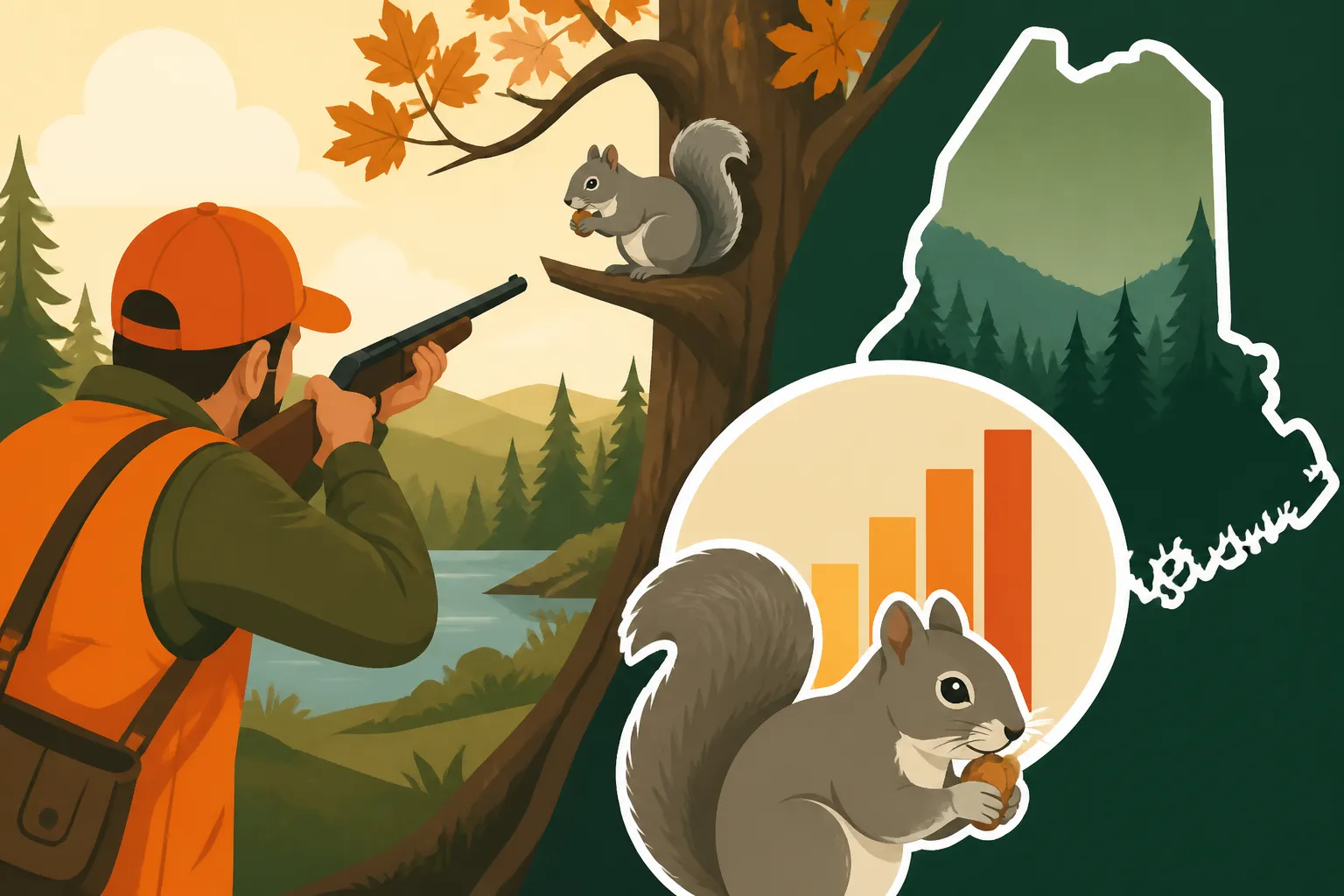
When you're out there in the Maine woods, you might be focused on bigger game, but anyone who truly loves the outdoors knows the thrill of a good squirrel hunt. It's often overlooked, but understanding the Maine squirrel harvest numbers is a fascinating way to gauge the health of our smaller game populations, habitat changes, and even the general activity of hunters. This guide will dive deep into what these numbers tell us, how they're collected, and why they matter to the broader hunting community here in Vacationland.
Understanding Maine's Squirrel Populations
Maine is home to a few species of tree squirrels that are commonly hunted, primarily the gray squirrel (which includes the black squirrel color phase) and the red squirrel. While they might seem like a small part of the ecosystem, their numbers and health are indicators of forest health, mast crop production, and predator-prey dynamics. Unlike deer or moose, which have very structured harvest reporting, squirrel harvest numbers often rely on different data collection methods, which can sometimes lead to misunderstandings about their true abundance.
Gray Squirrels: A Hardy and Adaptable Species
Gray squirrels are perhaps the most popular target for small game hunters in Maine. They're incredibly adaptable, thriving in both mature hardwood forests and suburban woodlots. Their diet of acorns, beechnuts, and other hard mast makes them particularly responsive to yearly fluctuations in food availability. A good mast year often means a boom in squirrel numbers the following year, which, of course, can translate into higher harvest potential. Conversely, a poor mast year can mean fewer squirrels, and consequently, a lower harvest. These creatures are truly woven into the fabric of our Maine woodlands, and watching them scurry through the autumn leaves is a quintessential experience.
Red Squirrels: The Energetic Pine Cone Hoarders
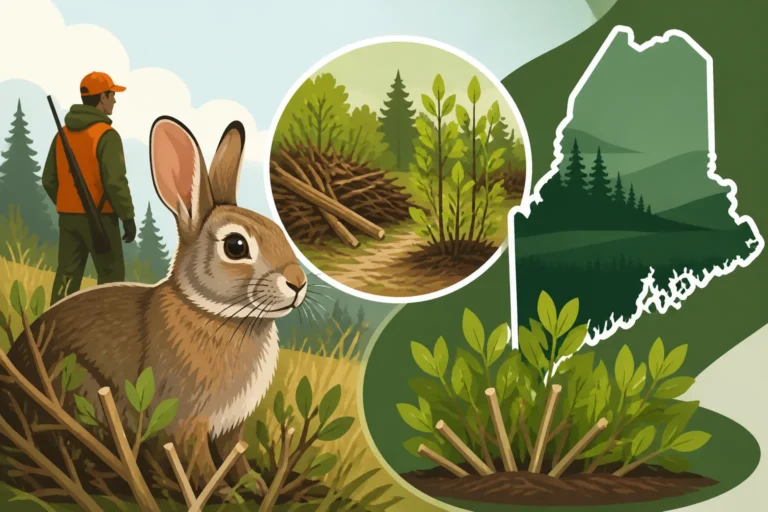
Red squirrels, smaller and more territorial than their gray cousins, are often found in coniferous and mixed forests. They’re notorious for their midden piles – huge collections of chewed pine cones – which are a clear sign of their presence. While often overlooked by hunters due to their size, they provide a challenging hunt and contribute to the overall small game experience. Their populations are generally more stable, less prone to dramatic swings based on mast crops compared to gray squirrels, simply because their primary food source, conifer seeds, tends to be more consistent year-to-year. This stability can offer a more reliable hunting opportunity, even if the individual take is smaller.
Factors Influencing Squirrel Harvest Numbers
The total number of squirrels harvested in Maine each year isn't just a random figure; it's a reflection of several interconnected environmental and human factors. From the bounty of the forest floor to the number of hunters heading out with their .22s, each plays a significant role in shaping these statistics. Hunters who leverage mapping apps like GoHunt can often find prime squirrel habitat by identifying mature oak and beech stands, which directly correlates to potential harvest success.
Weather and Mast Crop Fluctuations
Maine weather can be wild, and it plays a huge role in squirrel populations. A mild winter often means better overwinter survival for squirrels, leading to a larger breeding population in the spring. Conversely, a harsh winter with deep snow and prolonged cold can take a toll. But the real game-changer is the mast crop. Oaks, beeches, and hickories don't produce a heavy crop every single year. These "boom and bust" cycles directly impact squirrel reproduction and survival. A banner year for acorns means squirrels enter winter fat and healthy, producing more litters and larger litters in the spring. This ripple effect means more squirrels on the ground, and typically, more squirrels harvested. If you're scouting for deer in the fall, and you notice an abundance of acorns, you can bet the squirrel population is thriving, which is great news for Upland Bird and Small Game Hunting in Maine.
Hunter Participation and Effort
This might seem obvious, but the number of hunters actively pursuing squirrels directly impacts the harvest numbers. If more people are out in the woods, more squirrels are likely to be harvested, assuming the population is healthy. Maine has a strong tradition of hunting, and while deer and moose often grab the headlines, small game hunting is a foundational experience for many. Factors like fuel prices, the overall economy, and even cultural trends can influence how many people grab their shotguns or rimfires and head out. Sometimes, a slow deer season might even push more hunters to try their hand at small game, boosting the squirrel take. It's a great way to introduce new hunters to the sport or just enjoy a day afield with less pressure. Understanding Maine Hunter Education Requirements is the first step for anyone looking to get involved.
Habitat Availability and Quality
Squirrels need good habitat to thrive, and Maine offers plenty of it. Mature forests, especially those with a mix of hardwoods and softwoods, provide not only food but also crucial den trees for shelter and raising young. Changes in land use, such as extensive logging or residential development, can impact local squirrel populations. While Maine has vast tracts of undeveloped land, especially in the northern reaches, habitat quality can vary. A diverse forest with different age classes of trees and a strong mast component will support a healthier, more robust squirrel population. This is why conservation efforts and responsible forestry practices are so vital to maintaining healthy Maine Squirrel and Rabbit Populations.
Hunting Squirrels in Maine: Regulations and Best Practices
Before you head out into the Maine woods with visions of squirrel stew, it's crucial to understand the rules of the game and some best practices. Squirrel hunting, while often casual, still requires adherence to regulations to ensure sustainable populations and safe hunting for everyone. The Maine Small Game Season Rules provide the framework, and hunters should always check the most current regulations.
Maine's Small Game Seasons and Limits
Maine offers a generous season for squirrels, typically spanning several months through the fall and into the winter. This long season allows hunters ample opportunity to pursue them, often overlapping with deer and other upland bird seasons. While specific daily bag limits and possession limits are in place, they are usually quite liberal, reflecting the robust and productive nature of our squirrel populations. It's vital to check the latest hunting law book or the Maine Inland Fisheries and Wildlife website before each season, as regulations can change. Knowing when you can hunt and how many you can take responsibly is part of being a good steward of our wildlife resources.
| Species | Typical Season Start | Typical Season End | Daily Bag Limit (Example) |
|---|---|---|---|
| Gray Squirrel | Early September | End of February | 4 |
| Red Squirrel | Early September | End of February | 4 |
| Flying Squirrel | Not a game species | Not a game species | Prohibited |
Note: These dates and limits are illustrative examples. Always consult current Maine hunting regulations for precise dates and bag limits.
Finding Productive Squirrel Habitat
Squirrels are creatures of habit and food. To find them, you need to find their food sources and shelter. Look for mature hardwood stands, especially those with oak, beech, and hickory trees, which provide abundant mast. Creek bottoms and draws often hold good concentrations of squirrels as these areas tend to support a variety of food-producing trees and offer travel corridors. Timber company lands, often accessible to the public, can be prime spots, especially along old logging roads or clear-cut edges where new growth and mature trees meet. Using an app like GoHunt can help you scout aerial photos for these hardwood pockets and potential Hunting a Timber Company Access Road routes. Don't forget to consider water sources, as squirrels need to drink, and sometimes finding a good Hunting a Beaver Pond for Early Season Deer spot can also yield squirrels.
Ethical Hunting and Conservation
Even with small game, ethical hunting practices are paramount. This includes positive identification of your target, taking clean shots, and respecting property boundaries. Much of Maine's hunting occurs on private land with implied permission, so always be mindful of signage and the Maine's Private Land Access Tradition. If hunting on public land, such as one of the Maine Wildlife Management Areas, be aware of other users and adhere to all local rules, including Maine Public Land Hunting Hours. Squirrel hunting is a fantastic way to enjoy the outdoors, hone your hunting skills, and put some delicious wild game on the table, all while contributing to a healthy ecosystem through responsible harvesting. And don't forget, a valid Maine Hunting Licenses and What They Cost is always your first piece of gear.
Why Squirrel Hunting Matters in Maine
While trophy deer or a drawn moose permit might dominate hunting conversations, squirrel hunting plays a surprisingly significant role in Maine's hunting culture and conservation efforts. It's more than just a pastime; it's a vital connection to the land and a key component of our outdoor heritage.
A Gateway to Hunting for Newcomers
Squirrel hunting is often the entry point for new hunters, especially youth. The equipment is relatively inexpensive – often a .22 rifle or a small-gauge shotgun – and the learning curve is gentle. It teaches essential hunting skills like stealth, woodsmanship, patience, and marksmanship without the intensity or physical demands of big game hunting. It's a fantastic way to introduce kids to the outdoors and instill a love for hunting and conservation. Many experienced Maine hunters can recount their earliest hunting memories revolving around pursuing squirrels with a mentor, often a parent or grandparent, making it an invaluable family tradition.
Ecosystem Health and Monitoring
Believe it or not, monitoring squirrel harvest numbers, even informally, can give us valuable insights into the health of our forest ecosystems. A consistent decline in squirrel harvest numbers over several years, for example, could signal issues with mast crop production due to disease, climate change, or habitat degradation. Conversely, stable or increasing numbers suggest a healthy environment supporting these small mammals. They are a good barometer for the overall health of our hardwoods and the intricate food web within them. Every hunter, even those chasing small game, contributes to this larger picture by simply being out there and observing the health of the habitat.
The Pure Enjoyment of the Hunt
Ultimately, squirrel hunting offers a unique blend of challenge and relaxation. It's a chance to immerse yourself in the autumn woods, listen to the rustle of leaves, and observe nature up close. The simple satisfaction of outsmarting a cunning bushytail and bringing home some natural, organic meat for the table is incredibly rewarding. It fosters a deeper appreciation for our wild spaces and the game that inhabits them. It's a reminder that not every hunt needs to be about a record book animal; sometimes, the greatest value is simply in the experience itself. As a veteran lifestyle blogger, I can tell you that some of my most cherished memories in the Maine woods involve a crisp fall morning and the chatter of squirrels in the treetops.
Disclaimer
This article is for general informational purposes only and does not constitute professional advice. Laws, prices and regulations vary by location and change over time. Consult a qualified professional for guidance on your specific situation.