Maine Wildlife Disease Monitoring Program
It’s a natural worry for any hunter who cherishes Maine’s incredible wild places: what about the health of the deer, moose, and other game animals we pursue? You hear unsettling news from other states about wildlife diseases, and it’s completely understandable to wonder if those threats are creeping closer to home, or what Maine is doing to protect its invaluable wildlife. This guide is here to walk you through the robust efforts Maine undertakes to monitor and manage wildlife diseases, offering peace of mind and practical ways you can help safeguard our cherished hunting traditions.
Why Wildlife Disease Monitoring Matters to Hunters
When you dedicate time, effort, and passion to hunting in Maine, you invest deeply in the health of the landscape and its inhabitants. The thought of a widespread disease impacting our deer or moose populations isn't just an abstract biological concern; it’s a direct threat to our hunting heritage, our food source, and the very connection we feel to the wild. This isn't about fear-mongering, but about understanding a crucial aspect of responsible wildlife management that directly affects every hunter.
The Fear of the Unknown: What's Out There?
Let’s be honest, seeing headlines about Chronic Wasting Disease (CWD) in other states can stir up a lot of anxiety. You see images of emaciated deer and hear stories of mandatory testing, carcass restrictions, and even plummeting deer populations. It’s hard not to immediately think, "Could that happen here in Maine?" This isn't an irrational fear; it's a very real concern for hunters who understand the delicate balance of wildlife ecosystems. The uncertainty surrounding such diseases can dampen the excitement of the hunt and raise legitimate questions about the safety of wild game meat. We want to know that the animals we pursue are healthy, robust, and free from illnesses that could devastate populations or pose risks. This deep-seated desire for healthy wildlife is precisely why monitoring programs are so critical – they provide the data and the vigilance needed to protect what we value most.
Protecting Maine's Legacy: Healthy Herds for Future Generations
Our hunting traditions in Maine are built on the foundation of healthy, sustainable wildlife populations. Imagine a North Woods where moose numbers are dramatically reduced, or a central Maine landscape where deer are struggling with illness. Such scenarios are devastating to contemplate, not just for the current generation of hunters, but for all the future Mainers who dream of their first deer or moose hunt. The Maine Deer Herd Size is a testament to careful management and habitat. Wildlife disease monitoring isn't just about reacting to problems; it's about proactively protecting these populations, ensuring they remain vibrant and resilient. It means we can continue to hunt, share wild game with our families, and pass down these traditions with confidence. It's about preserving the wildness of Maine for every hunter, angler, and outdoor enthusiast who calls this state home or dreams of visiting.
Key Diseases Maine Monitors
Maine's wildlife biologists are constantly on alert, employing a variety of strategies to detect, track, and mitigate the spread of diseases that could impact our game animals. While some diseases garner more national attention, the state monitors a broad spectrum of health issues, understanding that a comprehensive approach is the best defense.
Chronic Wasting Disease CWD: Maine's Proactive Stance
Chronic Wasting Disease (CWD) is undoubtedly the most talked-about and feared wildlife disease in North America right now, especially concerning cervids like deer and moose. It's a progressive, fatal neurological disease affecting deer, elk, and moose, and it's caused by abnormal proteins called prions. The most concerning aspect is that it's always fatal, and there is no cure or vaccine. While the good news is that Maine remains one of only a handful of states in the Lower 48 with no detected cases of CWD in its wild cervid populations – a fact we take immense pride in, as discussed in Maine's CWD-Free Status Explained – this status is not accidental. It's the result of vigilant, long-standing monitoring.
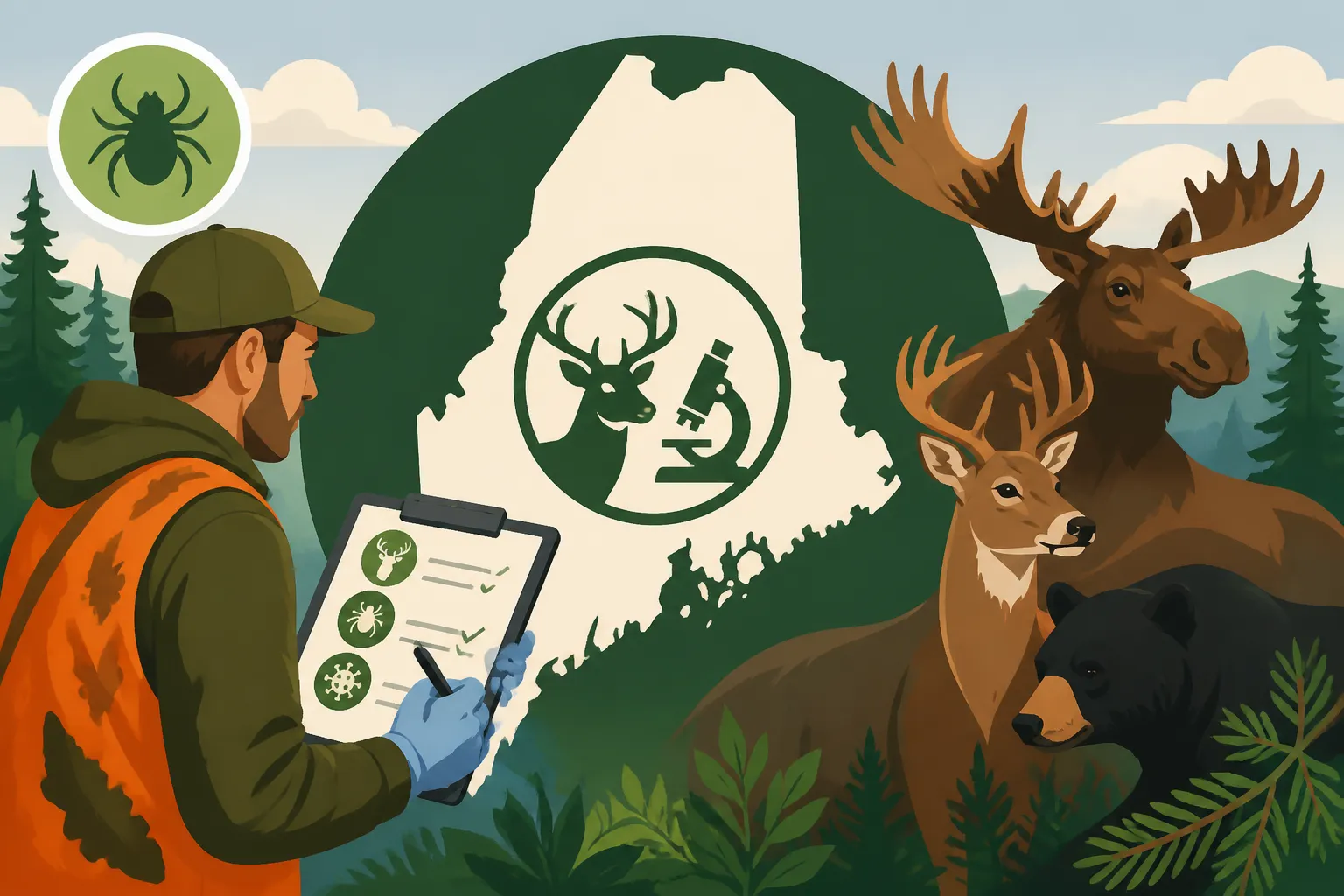
Maine has a robust surveillance program in place, primarily focusing on testing harvested deer and moose, especially those exhibiting any signs of illness, or those harvested near the state's borders where CWD has been found in neighboring provinces. Biologists routinely collect tissue samples (usually lymph nodes) from hunter-harvested animals at registration stations or through targeted surveillance efforts. This proactive testing allows the state to detect CWD early, should it ever arrive, and implement rapid response protocols to contain it. The dedication to this effort is immense, acknowledging that prevention and early detection are our strongest tools against this devastating disease. This focus on Maine's Chronic Wasting Disease Monitoring is a cornerstone of protecting our herds.
Other Important Wildlife Health Concerns
While CWD rightly gets a lot of attention, Maine’s wildlife health program extends far beyond it. Our biologists are also keeping a close eye on a range of other diseases and health issues that can affect different game species.
For instance, moose, while not susceptible to CWD, face a significant challenge from winter ticks. You've likely heard the stories or seen images of moose calves heavily infested with these parasites; understanding How Many Ticks Infest a Maine Moose Calf and Why Winter Ticks Are Killing Maine Moose Calves is a critical part of moose management. The disease monitoring program contributes data to understanding the impact of these ticks on moose populations and informing management strategies.
White-tailed deer can also be affected by other diseases such as Epizootic Hemorrhagic Disease (EHD), which can cause sudden die-offs, particularly during drought conditions when deer congregate around limited water sources. While not as widespread or persistent as CWD, EHD outbreaks are monitored closely. Rabies and distemper are also common viral diseases that can affect furbearers and other small game species, and reports of sick or unusually behaving animals are taken seriously as part of overall public and wildlife health surveillance. The monitoring program acts as an early warning system, helping to track these issues and understand their spread or impact on local populations, which is vital for the overall health of our diverse game species.
How Maine Gathers Data and What Hunters Can Do
Effective wildlife disease monitoring isn't a solitary endeavor; it’s a collaborative effort involving state biologists, conservation officers, and critically, the hunting public. Every hunter is an invaluable set of eyes and ears in the field, playing a direct role in maintaining the health of Maine’s wildlife.
The Role of Science and Surveillance
Maine's approach to data collection is multi-faceted, leveraging scientific methods and strategic surveillance. During hunting seasons, one of the primary ways data is collected is through mandatory or voluntary submission of samples from harvested animals. When you register a deer or moose, there might be biologists on hand at certain check stations, especially in high-priority WMDs or near border areas, asking for permission to collect lymph node samples for CWD testing. This isn't an inconvenience; it's a vital contribution to our collective defense.
Beyond active hunting season checks, the department maintains surveillance throughout the year. This includes investigating reports of sick or dead wildlife from the public, conducting necropsies (animal autopsies) to determine causes of death, and studying population health trends. For example, deer wintering yards might be monitored for signs of stress or unusual mortality, providing insights into the overall health of the herd. Wildlife health specialists work diligently to identify patterns, understand disease vectors, and assess risks, all of which directly inform management decisions that protect our hunting opportunities. The collection of this data informs reports like Reading a Maine Harvest Report, giving us critical insights into population health.
Hunter Involvement: You Are the First Line of Defense
As hunters, we spend more time observing wildlife in their natural habitats than almost anyone else. This makes us absolutely essential to Maine's wildlife disease monitoring program. You are the first line of defense, the crucial early warning system.
Here's how you can make a real difference:
- Report Sick or Unusual Animals: If you see a deer, moose, bear, or any other game animal acting strangely—stumbling, appearing emaciated, showing abnormal growths, or exhibiting aggressive behavior (especially with rabies concerns)—it’s imperative to report it. Don't assume someone else will. Contact the Maine Department of Inland Fisheries and Wildlife (MDIFW) directly. Be prepared to give a precise location, the species, and a detailed description of what you observed. Your timely report can trigger an investigation that might prevent a larger outbreak.
- Proper Carcass Disposal: This is huge for preventing the spread of diseases like CWD. If you harvest an animal in a state or province known to have CWD, do NOT bring high-risk parts (brain, spinal cord, bones, lymph nodes) back into Maine. Even within Maine, if you process an animal at home, ensure all carcass waste is disposed of in a landfill, not simply left in the woods, where it could potentially be consumed by other wildlife or spread pathogens.
- Participate in Surveillance Efforts: If you're asked to provide a sample from your harvested deer or moose at a check station, please do so. It’s a small effort with immense benefits. Knowing The Maine Deer Registration Deadline and fulfilling Maine Deer Registration Requirements is part of this responsible harvest, and sometimes includes the opportunity to contribute to disease monitoring.
- Stay Informed: Use resources like the MDIFW website, wildlife publications, and even hunting apps like GoHunt to stay updated on current wildlife health advisories, specific WMD concerns, or new regulations related to disease prevention. Knowing the rules about transporting carcasses, for example, is vital. You can also educate yourself on Why CWD Testing Still Matters in Maine and Where to Get a Maine Deer Tested for CWD.
Your active participation and responsible practices are not just helpful; they are fundamental to preserving the health of Maine's cherished wildlife and ensuring a vibrant hunting future.
| Disease | Primary Species of Concern | Key Symptoms to Watch For | Hunter's Role in Monitoring |
|---|---|---|---|
| Chronic Wasting Disease (CWD) | Deer, Moose | Emaciation, lethargy, drooling, abnormal behavior, lack of fear of humans | Report sick animals, proper carcass disposal, permit testing. |
| Winter Tick | Moose | Hair loss (especially neck/shoulders), emaciation, scratching | Report heavily infested animals, support management efforts. |
| Epizootic Hemorrhagic Disease (EHD) | Deer | High fever, swelling of head/neck, lameness, sudden death near water | Report sudden deer die-offs, especially in late summer/early fall. |
| Rabies/Distemper | Furbearers, other mammals | Aggression, disorientation, paralysis, foaming at mouth (rabies); nasal discharge, coughing, seizures (distemper) | Report unusually behaving or sick animals immediately to authorities. |
| Avian Influenza | Waterfowl, Wild Birds | Tremors, seizures, disorientation, sudden death | Report multiple sick or dead wild birds in an area. |
The Impact and Future of Maine's Monitoring Efforts
The unwavering commitment to wildlife disease monitoring in Maine isn't just about collecting data; it's about making informed decisions that have a tangible impact on our hunting opportunities and the health of our wild landscapes. It’s about securing the future for both the animals and the hunters who cherish them.
Sustaining Healthy Populations
Every sample collected, every sick animal reported, and every piece of research compiled feeds into a larger picture that helps Maine’s wildlife managers make crucial decisions. This information directly influences hunting regulations, such as specific antlerless permit allocations in certain areas, or potential restrictions on carcass importation, all designed to protect the overall health of the herd. Without this deep understanding of wildlife health, management would be flying blind, and our populations would be far more vulnerable to disease outbreaks.
The consistent monitoring provides baseline data, allowing biologists to quickly identify anomalies or emerging threats. For instance, if CWD were to ever be detected in Maine, the established surveillance network would enable rapid deployment of strategies to contain it, minimizing its impact on the Maine Deer Herd Size. This proactive, science-based approach is fundamental to ensuring that populations of deer, moose, bear, and other game remain robust, resilient, and healthy, ready to provide sustainable hunting opportunities for years to come. The goal is always to keep our game healthy and plentiful.
What Maine's CWD-Free Status Means for Hunters
Maine's current CWD-free status is a badge of honor, a testament to the collective vigilance of the state, its biologists, and its hunters. For us, this means several critical things. First and foremost, it means we can continue to hunt Maine’s deer and moose with confidence, knowing that the primary concern of CWD does not currently exist within our borders. This confidence extends to consuming wild game, as the absence of CWD means less worry about prion contamination. This is a huge relief for families who rely on venison or moose meat as a significant food source.
Secondly, it reinforces the importance of continuing our preventative efforts. This status isn't guaranteed forever; it requires ongoing commitment from every hunter. By understanding and adhering to regulations, especially those regarding the importation of cervid carcasses from other states, we all play a part in protecting this invaluable asset. This collaborative spirit, where hunters and wildlife managers work together, is what makes Maine’s outdoor heritage so special. Our collective efforts ensure that Maine's CWD-Free Cervid Herd remains a reality, allowing us to enjoy the traditions we hold dear without the looming shadow of this devastating disease. Keep up with official announcements through platforms like GoHunt and the MDIFW website to stay informed on any updates or changes to regulations designed to maintain this critical CWD-free status.
Disclaimer
This article is for general informational purposes only and does not constitute professional advice. Laws, prices and regulations vary by location and change over time. Consult a qualified professional for guidance on your specific situation.