Best-Eating Game in Maine
There's nothing quite like the satisfaction of bringing home wild game you've harvested yourself, but let's be honest, not every animal tastes the same on the dinner plate. Many new hunters, and even some seasoned folks, worry about "gamey" flavors or just aren't sure which species offer the most delicious meals. This guide is all about helping you navigate the culinary side of the Maine woods, highlighting the best-eating game animals and sharing tips to ensure your hard-earned harvest is truly a treat for the taste buds.
The Big Game Delights: Deer and Moose
When most people think of wild game, their minds often go straight to the larger animals, and for good reason! Maine's whitetail deer and the majestic moose offer some truly exceptional meat, provided you handle them right.
Whitetail Deer: The Versatile Table Fare
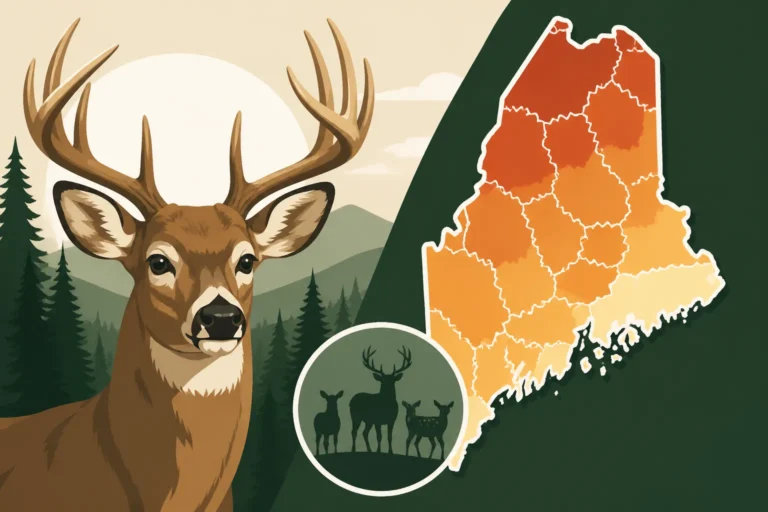
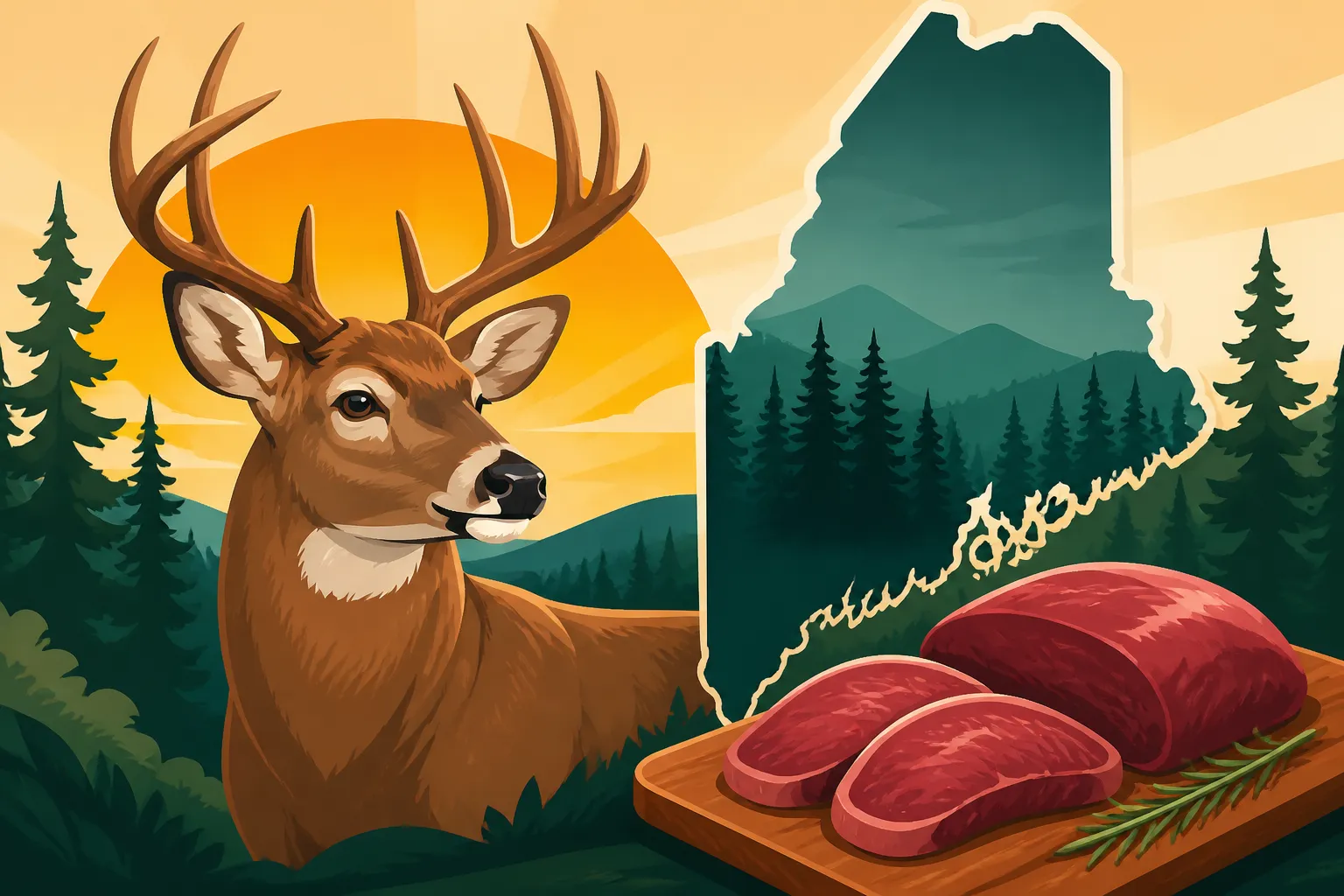
Oh, the whitetail deer! If you're hunting in Maine, chances are good you'll be after a deer. This animal is arguably the most popular big game species across the state, and its meat is incredibly versatile and delicious. From succulent backstraps seared in a hot pan to tender roasts and rich ground meat for chili or burgers, a well-cared-for whitetail can feed a family for a long time. The flavor is generally milder than many other wild game meats, especially compared to some species found out West, and it takes well to a wide variety of preparations.
To ensure the best flavor, quick field dressing is paramount. Getting those organs out and allowing the carcass to cool down as fast as possible makes all the difference. Think about the conditions when you're deer hunting; sometimes you're dealing with early season warmth, other times it's freezing. Proper cooling prevents spoilage and that strong, off-putting "gamey" taste that many folks associate with deer meat, often unfairly. Younger deer, especially fawns or yearlings (if legal and harvested ethically), tend to have the most tender and mild-flavored meat. Even a mature doe often tastes milder than a rutting buck, whose hormones can sometimes impart a stronger flavor. Many hunters agree that Maine Deer Weight Averages by Region vary greatly, impacting meat yield more than taste, but a healthy deer from a good habitat is always preferable.
Moose: North Woods Delicacy
If you're lucky enough to draw a Maine Moose Lottery Application Process permit, you're in for a truly magnificent culinary experience. Moose meat is often described as similar to lean beef, but with a richer, slightly sweeter, and distinctly wilder flavor. It's incredibly lean, meaning it's packed with protein and low in fat, which is great for health but requires a bit of care in the kitchen to prevent drying out. Think slow-cooking methods like stews, pot roasts, or grinding it for burgers and sausage. Because of its size, a successful moose hunt can fill multiple freezers, providing an abundance of high-quality meat.
Just like with deer, meticulous field dressing and prompt cooling are absolutely critical for a moose. Given their immense size and the often remote nature of moose country in Maine's North Woods, this can be a significant challenge. However, the effort is well worth it. Many hunters claim moose to be the finest eating wild game available, surpassing even venison for its unique richness and tenderness when prepared correctly. If you manage to get a moose, consider using a portion for slow-cooked dishes or even corning it for an incredible wild game Reuben. Remember to tag your kill and fulfill Maine Moose Application Fee requirements, then focus on meat care.
Feathered Favorites: Turkey and Upland Birds
Beyond big game, Maine offers a fantastic array of feathered creatures that can make for surprisingly delicious meals. These birds bring a different texture and flavor profile to the table, often requiring specific cooking techniques to shine.
Wild Turkey: Beyond Thanksgiving
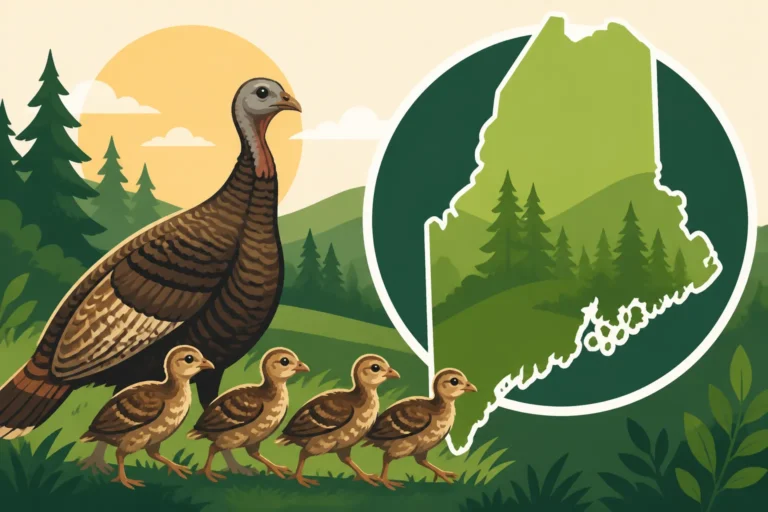
Wild turkeys in Maine are an incredible conservation success story, and their meat is a far cry from your domesticated Butterball. The breast meat of a wild gobbler or hen is lean, firm, and boasts a deeper, more robust flavor than farm-raised birds. It's excellent roasted, grilled, or cut into cutlets and pan-fried. Many hunters swear by brining wild turkey breasts before cooking to keep them moist and infuse flavor. The legs and thighs, on the other hand, are packed with connective tissue and are best suited for slow-cooking methods like braising, confit, or grinding for sausage. Don't discard them! When you're successful in Spring Turkey Hunting in Maine, remember that every part of that bird offers a unique culinary opportunity.
There are even specific WMDs with more generous bag limits, such as Hunting a Two-Bearded-Bird WMD in Spring or Hunting a Five-Bird Fall Turkey WMD, meaning more delicious birds for the freezer. A fresh wild turkey, properly plucked and dressed, is a true gourmet experience. It's a taste that speaks of the Maine woods, a flavor profile that's earned its place at many a hunter's table far beyond the traditional holiday feast.
Ruffed Grouse and Woodcock: Small but Mighty Flavor
For those who appreciate the delicate nuances of fine dining in the wild, ruffed grouse and American woodcock are true gems. These small upland birds, often pursued with pointing dogs in Maine's thick cover, offer some of the most sought-after table fare. Grouse, in particular, has a mild, almost nutty flavor, often described as a richer chicken. The breast meat is white and tender, perfect for quick pan-frying, roasting, or grilling. You'll find them in Grouse Hunting Maine Alder Runs or along logging roads.
Woodcock, while smaller, are equally prized for their dark, rich breast meat. They have a more distinct, earthy flavor that some compare to liver or squab, making them a unique gourmet treat. Due to their small size and delicate nature, both grouse and woodcock are best cooked quickly to prevent drying out. Think simple preparations that highlight their natural flavors: a quick sear in butter with herbs, or wrapped in bacon. Don't be fooled by their size; the flavor payoff is immense, making the effort of Woodcock Hunting Maine Covert Country incredibly rewarding.
Coastal Catches and Specialty Meats: Sea Ducks and Hare
Maine's diverse landscapes offer more than just forest-dwelling game. The rugged coast provides unique opportunities, and even the smallest game animals can surprise you with their deliciousness.
Sea Ducks: A Unique Flavor Profile
Now, let's talk about sea ducks – specifically, the likes of eiders, scoters, and long-tailed ducks that brave the rough coastal waters of Maine. Their diet of shellfish, marine worms, and crustaceans gives their meat a very distinct, often strong, "fishy" or "briny" flavor. This isn't for everyone, but for those who appreciate it, properly prepared sea duck can be incredibly rich and satisfying. The key here is proper handling and preparation. Unlike dabbling ducks, you often want to skin sea ducks rather than pluck them, as much of the strong flavor resides in the fat and skin. So if you're Hunting Scoters in Maine's Open Water, keep this in mind.
Brining, marinating, and slow-cooking methods are your best friends when preparing sea ducks. Recipes often call for ingredients like buttermilk, vinegar, or citrus to help temper the strong flavor, or strong spices to complement it. Many hunters also grind sea duck meat and mix it with pork fat for sausages, which can be absolutely fantastic. Don't let the unique flavor profile scare you off; with the right approach, a sea duck can be a memorable and truly wild meal, a testament to Maine's diverse hunting opportunities.
Snowshoe Hare: The Woods Rabbit
Often overlooked, the humble snowshoe hare provides surprisingly tasty and lean white meat. Found scurrying through Maine's thick spruce and fir stands, especially after a fresh snow, these animals offer a milder flavor than many other wild game species, often compared to domestic rabbit or even chicken. If you enjoy Snowshoe Hare Hunting With Beagles, you'll appreciate the culinary rewards.
Hare meat is incredibly versatile: it can be fried, stewed, roasted, or even made into a rich pâté. Because it's so lean, it benefits from slow cooking in moist heat, like in a stew or casserole, or by being wrapped in bacon or marinated if grilling or frying. Don't underestimate the snowshoe hare as a delicious wild food source, especially during the colder months when other game might be harder to come by. It’s an accessible and rewarding quarry for both new and experienced hunters.
Factors Affecting Game Flavor
The species of animal is only part of the equation when it comes to the eating quality of wild game. Several critical factors, many within the hunter's control, significantly influence how delicious your harvest will be.
Diet and Habitat
What an animal eats directly impacts its flavor. This is a fundamental truth in both domestic livestock and wild game. Deer, for example, that feed heavily on acorns, apples, and lush browse in agricultural areas often have a milder, sweeter flavor than deer from deep conifer forests where their diet might be more limited to browse with higher tannin content. Similarly, the "fishy" taste of sea ducks comes directly from their marine diet. An animal foraging on diverse and rich food sources generally produces better-tasting meat.
Consider scouting areas where game animals have access to prime forage. If you're looking for the best-tasting deer, focus on areas around orchards, clear-cuts with abundant new growth, or agricultural fields. Utilizing mapping tools like GoHunt can help you identify these types of habitats, giving you an edge in finding animals that are well-fed and therefore likely to yield excellent table fare. Understanding Late-Season Food Sources for Maine Whitetails can be crucial for selecting the best areas to hunt. The same principle applies to birds; grouse feeding on berries or aspen buds will taste different from those primarily eating conifer needles.
Field Dressing and Meat Care
This cannot be stressed enough: rapid and thorough field dressing and proper meat care are the single most important factors in determining the flavor and quality of your wild game. From the moment an animal hits the ground, the clock starts ticking.
- Cool Down Quickly: Get the internal organs out as soon as possible to allow the carcass to cool. Heat is the enemy of good meat. In warm weather, this might mean quartering the animal and getting it on ice immediately. In cold weather, simply getting it out of the field and hanging it in a cool, well-ventilated place can suffice.
- Cleanliness: Keep the meat clean. Avoid getting dirt, hair, or gut contents on the meat. If blood gets on the meat, wipe it off with a clean cloth or rinse with fresh water if available, then dry thoroughly.
- Aging: For deer and moose, controlled aging can significantly improve tenderness and flavor. This involves hanging the carcass in a cool, consistent temperature (ideatsly between 34-40°F) for several days to a week or more. This process allows natural enzymes to break down muscle fibers. Knowing about Aging Venison in Cold Weather can make all the difference.
- Butchering: Learn how to properly butcher your game or take it to a reputable processor. Proper cuts and handling in this stage prevent waste and preserve quality.
Failing in any of these steps can result in tough, off-flavored meat, regardless of the species. A well-placed shot and proper follow-up care are just as important for the dinner table as they are for the hunt itself.
Age and Gender
While not always in your control, the age and gender of the animal can influence meat quality. As a general rule, younger animals tend to have more tender and milder-flavored meat. A yearling buck will almost always be more tender than a mature, battle-scarred old monarch. Similarly, a hen turkey typically has more tender meat than a tough old gobbler.
When it comes to deer, the rut can also play a role. During the breeding season, bucks are often stressed, running hard, and their hormones are raging. This can sometimes impart a stronger, more intense flavor to their meat. Does, on the other hand, are generally less affected by this stress and often provide milder table fare. While you can't always choose the age or gender of the animal you harvest, being aware of these factors can help set expectations and guide your cooking methods. For instance, a tough old buck might be best suited for ground meat, sausage, or long, slow braises, while a tender yearling could be reserved for prime cuts like backstrap and tenderloin.
Remember, the goal is to honor the animal with both a clean harvest and excellent table preparation. Whether you're after the rich flavor of moose, the versatility of venison, the unique taste of a wild turkey, or the delicate goodness of grouse, Maine's wild game offers a bounty of delicious culinary experiences. Tools like GoHunt can support your scouting efforts to find the best habitat, but it's your commitment to proper field care that ultimately ensures the best meal.
| Game Species | Typical Flavor Profile | Best Cooking Methods | Tips for Best Flavor |
|---|---|---|---|
| Whitetail Deer | Mild, slightly sweet, lean | Roasting, grilling, frying, stewing, grinding | Quick field dress, cool rapidly, age properly (3-7 days) |
| Moose | Rich, lean beef-like, distinct wild | Slow-cooking (stews, roasts), grinding for sausage | Immediate and thorough field dress, rapid cooling of large mass |
| Wild Turkey | Robust, deeper chicken-like | Roasting, grilling, brining (breast); braising, confit (legs) | Brine breast meat, slow-cook tough leg/thigh meat |
| Ruffed Grouse | Mild, nutty, delicate | Quick pan-fry, roast, grill | Cook quickly to prevent drying, simple preparations |
| American Woodcock | Rich, earthy, distinct | Quick pan-fry, roast, wrapped in bacon | Small size, cook rare to medium-rare, don't overcook |
| Sea Ducks | Strong, briny, fishy (can vary) | Braising, stewing, grinding (often mixed with pork) | Skin, don't pluck; long brines/marinades; slow-cook methods |
| Snowshoe Hare | Mild, lean, white meat, rabbit-like | Frying, stewing, roasting (with added fat) | Cook slowly in moist heat or add fat to prevent drying |
Disclaimer
This article is for general informational purposes only and does not constitute professional advice. Laws, prices and regulations vary by location and change over time. Consult a qualified professional for guidance on your specific situation.