Spring Turkey Hunting in Maine
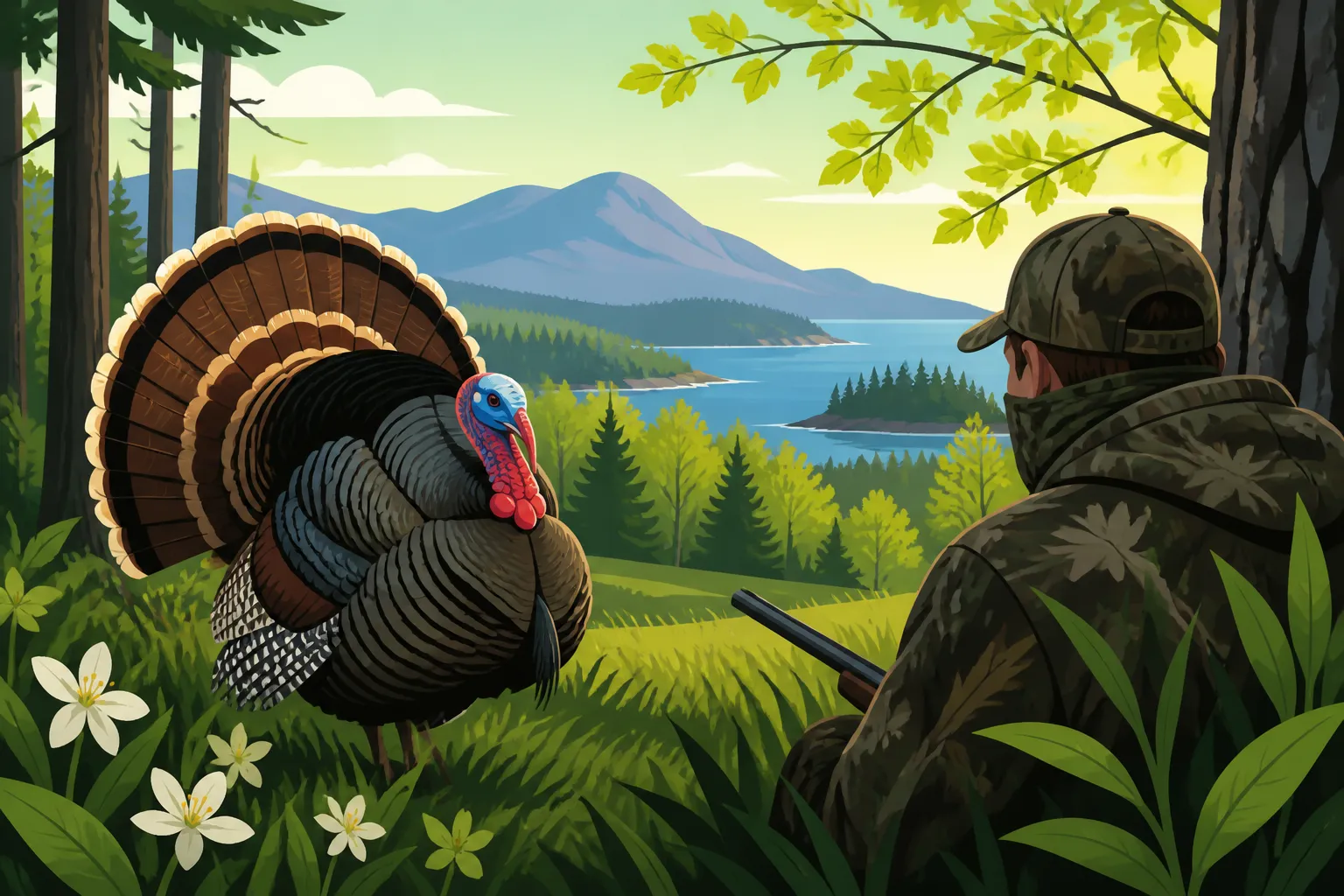
The crisp air of a Maine spring, the way the forest floor smells after the last of the snow has melted, and that heart-stopping gobble echoing through the trees – there's really nothing quite like spring turkey hunting in our state. But getting that big tom to commit can be a real challenge, leaving many hunters frustrated after calling in wary birds that hang up just out of range or simply vanish into thin air. This comprehensive guide will walk you through everything you need to know to increase your odds of success and truly enjoy the thrill of chasing wild turkeys across the diverse landscapes of Maine.
Understanding Maine's Spring Turkey Season Regulations
Before you even think about setting up a decoy or whispering a soft yelp, you've got to understand the rules of the road. Maine's turkey season, while generous, has specific regulations that are crucial for a safe and legal hunt. It’s not just about showing up with a shotgun; it’s about knowing the when, where, and how to ensure you’re doing everything by the book.
Season Dates and Zones
Maine's spring wild turkey season typically kicks off in early May and runs for several weeks, offering a fantastic opportunity to get out after a long winter. The statewide opening day is usually consistent, but it's always wise to double-check the Maine Department of Inland Fisheries and Wildlife (MDIFW) regulations booklet each year, as exact dates can shift slightly. The season generally provides a good chunk of time, allowing hunters to adapt to weather patterns and bird behavior as spring progresses.
However, the state is divided into various Wildlife Management Districts (WMDs), and while the season dates are usually uniform statewide for the spring hunt, the bag limits can differ significantly depending on which WMD you're in. Some areas might be designated as "one-bird WMDs," meaning you can only harvest a single bearded bird, while others are "two-bird WMDs," allowing for a second bearded bird. It’s absolutely essential to know your WMD and its specific rules before you head out. Don't assume that because your buddy hunted two birds down south, you can do the same up here in Aroostook. Always consult the official WMD map and regulations for the most up-to-date information for your hunting area. This geographical understanding is key to staying legal and making sure your hard-earned bird is a legitimate harvest.
Bag Limits and Permitting
The bag limit for spring turkey hunting in Maine is strictly limited to bearded birds only. This means you’re specifically targeting male turkeys, or rarely, a hen that exhibits male characteristics and grows a beard. The emphasis on "bearded" is a critical distinction that all hunters must understand to avoid accidentally harvesting a non-legal bird. The length of the beard, or the presence of spurs, can often help differentiate a mature gobbler from a jake, or a jake from a hen, but the beard is the primary legal identifier.
To even step foot in the woods for spring turkey, you'll need a valid Maine hunting license and a specific spring turkey permit. This permit, which comes with a modest fee, is your ticket to pursuing these fantastic birds. The rules for obtaining this permit are straightforward, and you can usually purchase it online through the MDIFW website, at most licensing agents, or by mail. For those looking to understand the process, delving into the specifics of Maine Spring Turkey Permit Rules can clarify any questions about acquisition. Again, remember that some WMDs allow you to take two bearded birds, while others are limited to one. If you're lucky enough to be hunting in a district with a two-bird limit, like those mentioned in Hunting a Two-Bearded-Bird WMD in Spring, you'll need to ensure you're aware of the requirements for that second bird, usually that it must be harvested on a separate day after the first. Conversely, if you're in a single-bird WMD, such as those covered in Hunting a One-Bird WMD in Spring, harvesting a second bird would be a serious violation. Always keep your permit and tags easily accessible while hunting.
Legal Weapons and Equipment
When it comes to bringing down a spring gobbler in Maine, you have a few legal options for weaponry, primarily shotguns and archery equipment. For shotguns, the legal calibers are generally 10, 12, 16, or 20 gauge. The choice of gauge often comes down to personal preference, recoil management, and effective range. While a 12-gauge is arguably the most popular for its versatility and ample stopping power, a 20-gauge can be a lighter, more maneuverable option, especially for younger hunters or those sensitive to recoil. Shot size is also regulated, with sizes 4, 5, 6, and 7 usually being legal. Many experienced turkey hunters swear by heavier loads of 5 or 6 shot for their dense patterns and penetration at ethical ranges.
Archery equipment, including traditional bows, compound bows, and crossbows, is also a legal and increasingly popular method for spring turkeys. Archery offers a unique challenge and a more intimate hunting experience, requiring hunters to get incredibly close to their quarry. Regardless of the archery equipment used, broadheads must be specific to hunting, and you'll want to ensure your setup is tuned for accuracy and penetration. It’s critical to remember that while a full strut gobbler decoy might look tempting, using a firearm or archery equipment when other hunters are around you and using similar aggressive decoy tactics can lead to dangerous situations. Safety should always be your number one priority, ensuring positive identification of your target and what lies beyond it before taking any shot, whether with a firearm or an arrow.
Pre-Season Scouting and Roosting Tactics
Spring turkey season in Maine isn’t just about the hunt itself; it’s largely won or lost in the weeks leading up to opening day. Pre-season scouting is absolutely critical, and neglecting it is like trying to navigate the North Woods without a map. Understanding where the birds are, what they’re doing, and their preferred hangouts will give you a significant edge.
Interpreting Roosting Behavior
One of the most exciting and effective ways to locate spring gobblers is by identifying their roosting sites. Turkeys typically fly up to roost in trees just before dark and descend shortly after dawn. This twilight period is your prime opportunity to listen for their tell-tale vocalizations. As dusk settles, listen for "fly-up" cackles and soft tree yelps as they prepare for the night. More importantly, listen for those booming gobblers at first light. Those early morning gobbles are their way of announcing their presence to the world, and more importantly, to the hens, signaling their location from the treetops.
When you’re out scouting, try to be in the woods well before sunrise or stay until after sunset. Position yourself in areas with good visibility and listening range, especially near suspected roosting habitat like large pines, mature hardwoods along river bottoms, or even taller trees on ridge lines. If you hear a gobbler, make a mental note, or better yet, drop a pin on your GoHunt app. Once you locate a consistent roost, you know where to focus your efforts for an opening morning setup. Understanding Calling an Early May Gobbler Off the Roost involves knowing exactly where he's starting his day and positioning yourself to intercept him before he hits the ground, or at least before he gathers his hens and marches off. However, remember that turkeys can change roost trees frequently, especially if pressured or disturbed, so recent scouting is always best.
Finding Key Habitat Areas
Beyond just roost trees, identifying the crucial habitat areas that turkeys frequent throughout the day is paramount. Turkeys are constantly on the move, cycling between feeding, strutting, and resting areas. Look for open agricultural fields, especially those planted with corn or other grains from the previous season, as these are major feeding grounds. Clear-cuts and regenerating forest edges provide excellent bugging areas and dense cover, which turkeys love. Mature oak ridges are goldmines when acorns are available, offering a reliable food source that can draw birds in from a distance.
Logging roads and old logging decks also serve as important travel corridors and strutting zones, especially during the breeding season. The relatively open ground makes it easy for gobblers to display for hens. Don't forget water sources either; turkeys need to drink, and sometimes these areas can funnel birds. Utilizing mapping tools like the GoHunt app can be invaluable here. Its satellite imagery and landowner information can help you pinpoint these prime habitat features, scout potential travel routes, and even identify private land boundaries where you might need to seek permission. By understanding the lay of the land and identifying these key areas, you're not just hoping for a chance encounter; you're setting up for success based on their predictable daily routines.
Reading Sign on the Ground
Turkeys are not particularly subtle, and they leave behind a wealth of clues about their presence and activity. Learning to read these signs on the forest floor is like reading a newspaper—it tells you who was there, what they were doing, and when. Fresh tracks in mud or soft dirt are one of the most obvious indicators. Gobbler tracks are typically larger than hen tracks, with longer middle toes, and you can often discern if it's a mature bird by the size.
Droppings are another key sign. Gobbler droppings are usually J-shaped or elongated, while hen droppings are often coiled or bulbous. The size can also give you an indication of the bird's age. Look for scratchings in the leaves and forest litter, especially under oak trees or in clear-cuts. Turkeys will vigorously scratch to uncover insects, seeds, and nuts. Patches of ruffled feathers, particularly large body feathers, can indicate a recent strutting zone where a gobbler has been displaying. Finding a "strut mark" – a slight, worn depression in the ground where a gobbler has been dragging his wingtips during his display – is an exciting discovery that tells you you’re in a core area. The fresher the sign, the closer you are to active birds. Combining these visual cues with vocalizations from roosting helps you piece together the puzzle of turkey movement and activity.
Calling Strategies for Maine Spring Gobblers
Turkey calling is often seen as an art form, and for good reason. It’s a nuanced skill that requires practice, patience, and the ability to adapt to the bird's mood. While there's no magic call that guarantees a gobbler every time, mastering various vocalizations and knowing when to use them is essential for success in the Maine woods.
Mastering Basic Turkey Calls
The foundation of any successful turkey hunter's repertoire lies in mastering a few basic calls: the yelp, cluck, purr, and putt. The yelp is perhaps the most recognized turkey sound, mimicking a hen looking for companionship. It can be long and drawn out or shorter and excited. Practice a series of yelps – three to five often works well – trying to make it sound natural and seductive. The cluck is a short, sharp note, often used as a reassurance call or to get a gobbler's attention. A few soft clucks can make a wary bird feel more at ease.
The purr is a soft, rolling sound, indicating contentment. Hens often purr while feeding or when they are close to other birds. This is a subtle but incredibly effective call for finishing a wary gobbler that’s just out of range. Finally, the putt is an alarm call—a sharp, abrupt note. If you hear a turkey putt, it means it's seen you or something it doesn't like, and it's time to freeze. To produce these calls, you'll typically use a pot call (slate or glass), a box call, or a mouth diaphragm call. Each has its own learning curve and unique sound. Pot calls are versatile and easy to learn, while box calls offer loud, realistic yelps. Mouth calls are excellent for hands-free calling but require significant practice to master. Consistency, rhythm, and realism are far more important than volume when you're trying to fool a sharp-eyed gobbler.
Aggressive vs. Submissive Calling
Knowing what to call is one thing, but knowing how and when to adjust your calling intensity is another. This is where the art of turkey calling truly shines. If you’ve located a hot gobbler that’s hammering back at every crow call, he’s likely looking for a hen, and an aggressive calling approach can be very effective. This involves louder, more excited yelps and cuts, often in longer series. Think of it as a hen making a lot of noise, trying to get his attention and challenge any other hens in the area. This can often bring a gobbler charging in, eager to investigate.
However, if you're dealing with a bird that's been pressured, heard every trick in the book, or seems to be hanging up just out of range, a submissive or soft calling approach might be the ticket. This means fewer, softer yelps, gentle clucks, and those all-important purrs. Often, the less you call, the more curious a wary bird becomes, especially if it believes a lone hen is just out of sight. Remember that sometimes the most effective calling strategy is to stop calling altogether. Many a gobbler has been sealed by patiently waiting for him to break, thinking the hen is moving away. Observing how a bird responds to your initial calls is key. If he’s hammering, keep that energy up. If he’s hesitant, back off, get softer, and let his curiosity get the better of him. For specific tactics on Decoy Placement for Pressured Maine Birds, adjusting your calling style is often coupled with a less aggressive visual setup.
Locator Calls and Their Use
Locator calls are your secret weapon for making a gobbler betray his position without giving away yours. These calls aren't meant to mimic turkeys but rather to provoke a shock gobble from a tom. The most common and effective locator calls are owl hoots, crow calls, and coyote howls. Turkeys, especially gobblers, have a natural tendency to respond to loud, sudden noises in their environment, often letting out a "shock gobble" to announce their presence. This response is instinctive and often occurs even when they're not actively gobbling at hens.
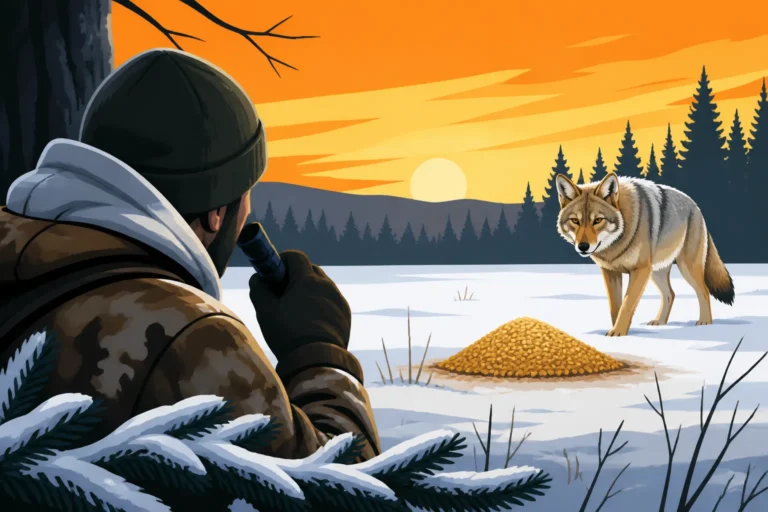
The best times to use locator calls are just before dawn when birds are on the roost, or throughout the day, especially in thick cover where visibility is limited. A sharp owl hoot just as the sun peeks over the horizon can often get a roosted gobbler to sound off, giving you his exact location. Similarly, a series of realistic crow calls or a piercing coyote howl (especially useful for Coyote Calling Maine Farm Country if you're out that way) can get a gobbler to announce himself during midday lulls. The key is not to overdo it. One or two calls, followed by a period of listening, is usually sufficient. Once you get a response, resist the urge to keep calling with the locator. Instead, switch to soft hen calls or make your move to get closer for a setup. Locator calls are tools for finding, not for luring, and they can significantly cut down on the time you spend blindly walking through the woods.
Decoy Setups and Strategies
Decoys are an integral part of spring turkey hunting for many, offering a visual element that can be the final piece of the puzzle to draw a gobbler into range. However, like calling, there's an art to using decoys effectively. Incorrect placement or using the wrong decoy can spook a wary bird faster than anything else.
Single Hen or Jake Decoys
Sometimes, less is more, and this is often true in the world of turkey decoys. A single hen decoy is a classic and highly effective setup, particularly in areas with wary birds or when you're trying to pull a gobbler away from real hens. A lone hen represents an easy opportunity for a gobbler looking to breed. Place her facing you, about 15-20 yards out, so that any incoming gobbler will likely approach her head-on, giving you a clear, unobstructed shot as he struts past or circles.
Adding a jake decoy to the mix can be a very potent strategy, especially when hunting dominant gobblers. A submissive jake, positioned near a hen decoy, can often enrage a mature tom, making him march in aggressively to assert his dominance. He sees a young interloper with one of "his" hens, and his protective instincts kick in. When using a jake, position him so the gobbler will approach him from the front or side, again giving you a good shot opportunity. One popular tactic, often called the "reaper" method, involves using a fan or small decoy to crawl towards a gobbler, though extreme caution and safety awareness are paramount when using such aggressive, visual tactics, especially on public land. Realistic decoys, like those from Avian-X or Mojo, with lifelike paint and posture, can make a huge difference in convincing a skeptical gobbler.
Full Strut Gobbler Decoys
The full strut gobbler decoy is the most aggressive visual tactic you can deploy, and it comes with both high rewards and significant risks. A full strut gobbler decoy mimics a dominant tom, complete with fanned tail feathers and puffed-up body. When a real gobbler sees this, he typically has two reactions: either he's a young, subordinate bird and will shy away, or he's a dominant tom and will charge in, ready to fight. It's this latter reaction that makes the full strut decoy so compelling.
The biggest reward is that when it works, it works spectacularly. A gobbler will often come in full strut, puffing and drumming, directly to the decoy, offering an undeniable shot. The risk, however, is two-fold. First, many subordinate gobblers will avoid confrontation, meaning you might scare off birds that would have otherwise come to a hen or jake setup. Second, and most critically, safety is a major concern. A full strut decoy, especially when paired with aggressive calling, can draw other hunters in who might mistake the decoy for a real gobbler. Always ensure you're in a safe, secluded area, ideally on private land where you know there are no other hunters, and position the decoy so that any shot fired at it would be taken away from your position. Never use a full strut decoy if you suspect other hunters might be in the vicinity.
Decoy Placement and Terrain Considerations
Effective decoy placement isn't just about setting them out; it's about thinking like a turkey and understanding the terrain. Generally, you want your decoys to be visible from a distance but also positioned to funnel the incoming gobbler into your desired shooting lane. In open fields or clear-cuts, place decoys about 15-20 yards from your blind or natural cover. This allows the gobbler to see them from afar and gives you enough room for a clean shot when he gets agitated by the "intruders."
When hunting wood edges or along logging roads, consider how the gobbler will approach. Turkeys are often wary of crossing open spaces, so setting decoys just inside the tree line or where a logging road makes a turn can be effective. Always face your decoys towards the direction you expect the gobbler to approach, or slightly quartering away. This allows the gobbler to see the decoy from a distance, but as he comes in, he'll often circle to face the "challenge," giving you a broadside or slightly quartering-away shot opportunity. Remember to clear any small obstructions in front of your decoys that could deflect a shot. The goal is to create an irresistible visual that draws the gobbler in and holds his attention long enough for you to make a clean, ethical shot. When Maine gobblers go quiet in late May, sometimes a strategic decoy setup can reignite their interest.
Hunting from Blinds and Still-Hunting Techniques
Whether you prefer the comfort and concealment of a blind or the mobile challenge of still-hunting, both methods have their place in Maine spring turkey hunting. Each approach demands different skills and considerations, and understanding when to employ one over the other can significantly impact your success.
Setting Up a Ground Blind
Ground blinds have become incredibly popular, and for good reason. They offer superior concealment, allowing you to move, stretch, and even check your phone without spooking birds. This makes them ideal for longer sits, particularly if you're hunting with kids or introducing new hunters to the sport. A good ground blind effectively hides your silhouette, masks small movements, and can help contain scents. Setting up a blind typically involves finding a strategic location with good visibility and clear shooting lanes, preferably overlooking a field edge, food plot, or known strutting zone.
The key to a successful ground blind setup is proper brushing in. Don’t just plop your blind down in the middle of a field. Use natural vegetation – branches, deadfall, even cornstalks if you're on farmland – to break up its outline and help it blend into the surroundings. Think about Brushing In a Blind on a Field Edge to truly make it disappear. Also, consider the sun's position throughout the day to avoid being silhouetted. While ground blinds offer excellent concealment, they do limit your mobility. Once you're set up, you're pretty much committed to that spot, so choose it wisely based on your pre-season scouting. If you're hunting posted-free land in areas with good turkey populations, using a ground blind on Posted-Free Land can be an excellent option for long, patient waits.
Natural Concealment and Ambushes
For hunters who prefer a lighter, more mobile approach, natural concealment is the way to go. This involves utilizing the natural features of the landscape to break up your outline and disappear into your surroundings. The golden rule here is to always sit with your back against a tree that's wider than your shoulders, ensuring you are completely blended into its silhouette. A big white pine or a gnarled oak, as discussed in Setting Up Against a Big White Pine, offers fantastic cover and stability.
Look for areas with dense undergrowth, blowdowns, or even large rocks that can provide a natural backdrop. The goal is to avoid being silhouetted against the sky or a lighter background. Wear full camouflage, including a face mask and gloves, as a turkey's eyesight is incredibly sharp. When a gobbler is approaching, remain absolutely still. Turkeys are excellent at detecting movement, but if you become part of the landscape, they will often walk right past you, even at close range. An ambush strategy relies on patience and careful positioning, allowing the gobbler to come to you rather than trying to force the issue. This works particularly well when you've patterned a bird's movement between a roost and a feeding area.
Run-and-Gun Tactics
Sometimes, patience just isn't cutting it, or you're dealing with gobblers that are simply not coming to the call. This is where the run-and-gun approach shines. This highly mobile and aggressive tactic is all about covering ground, trying to strike a gobbler, and quickly setting up for a shot. It's particularly effective when hunting large tracts of public land or private land where you have permission to roam, as detailed in Run-and-Gun Turkey Tactics on Private Land.
The strategy involves moving quietly through the woods, stopping periodically to call (often with a loud box or mouth call) to try and locate a vocal gobbler. Once you hear a response, immediately assess the terrain and close the distance as quickly and quietly as possible. Your goal is to get into a good setup position—perhaps against a large tree—before the gobbler loses interest or moves away. This often means quickly deploying a decoy or two and getting ready for a shot. It's a high-energy method that requires physical fitness, good woodsmanship, and quick decision-making. The beauty of it is that it allows you to cover vast amounts of ground and adapt to where the birds are, rather than waiting for them to come to you. However, extreme caution must be exercised, especially on public land, to be aware of other hunters and never move while a gobbler is approaching your position.
Advanced Tactics for Pressured or Hang-Up Gobblers
Every turkey hunter knows the frustration of a "hang-up gobbler"—a bird that gobbles its head off but simply won't come the last 50-100 yards. Maine's gobblers, especially later in the season or in heavily hunted areas, can become incredibly wary. To tag one of these cagey birds, you often need to employ more advanced tactics.
The "Cutting Off" Strategy
One of the most effective ways to deal with a gobbler that's heading in a direction you don't want him to go, or one that's stubbornly refusing to come to your calls, is the "cutting off" strategy. This involves predicting the gobbler's travel route and then silently circling ahead of him to set up an ambush. It takes good map skills, a keen understanding of turkey movement, and the ability to move swiftly and stealthily.
If you hear a gobbler consistently working his way down a ridge, for example, your goal is to get ahead of him and position yourself along his most likely path. This often means moving quickly through a dip or behind a rise where you won't be seen. Once you're in position, make a few soft, reassuring calls – maybe just a soft cluck and purr – to let him know a hen is there, but don't call aggressively. The idea is to intercept him as he naturally moves through the landscape, making him believe he’s just stumbled upon a hen. This tactic requires confidence and quick thinking, but when executed correctly, it can turn a frustrating situation into a successful harvest.
Box Canyon or Funneling Tactics
Maine's diverse terrain, with its rolling hills, deep ravines, and thick timber, offers excellent opportunities for "box canyon" or funneling tactics. This strategy relies on identifying natural choke points or terrain features that force turkeys into a predictable travel corridor. Look for narrow strips of timber between two open fields, a saddle between two ridges, or a deep ravine that birds will use to avoid larger obstacles.
The trick is to set up your position and decoys (if using them) at the mouth or narrowest point of this funnel, often on slightly elevated ground overlooking the approach. The idea is to create a situation where the gobbler has no choice but to pass through your effective shooting range if he wants to get to the "hens" (your calls and decoys). This tactic is particularly effective for those gobblers that tend to circle wide or hang up in open areas. By forcing them into a more confined space, you limit their ability to stay out of range or spot your movements. It takes careful scouting to identify these natural funnels, but once found, they can be highly productive spots year after year.
Post-Roost Roaming and Mid-Day Strategies
It’s a common misconception that prime turkey hunting is over by mid-morning. While the earliest hours can be explosive, many successful hunters tag their birds between 10 AM and 2 PM, especially When Maine Gobblers Go Quiet in Late May. After the morning fly-down and initial breeding activity, gobblers often "go quiet" and might be tending to hens or simply feeding. This is where a change in tactics comes in.
Instead of sitting and calling aggressively, switch to a more active "roaming" approach. This involves moving slowly and quietly through likely turkey habitat, such as feeding areas, open woods, or along field edges. Use soft, subtle calls—a few soft yelps, clucks, and purrs—to sound like a lone hen looking for company. You're trying to pique the interest of a gobbler that might have lost his hens or is just cruising for new ones. Often, you'll hear a faint gobble or see a bird strutting in an unexpected area. Mid-day is also a great time to hit logging roads or clear-cuts where gobblers love to strut in the sun. Be prepared for a quick setup, as mid-day encounters can happen fast. Patience, persistence, and a willingness to explore beyond the early morning rush are key to success during these quieter hours.
Safety and Ethics in Maine Turkey Hunting
Hunting in Maine isn't just about bagging a bird; it's about upholding a tradition of safety, respect for wildlife, and courtesy towards landowners and fellow hunters. These principles are especially critical during spring turkey season when camouflaged hunters and aggressive calling tactics demand heightened awareness.
Hunter Orange and Visibility
Maine has very specific regulations regarding hunter orange during the spring turkey season, and understanding them is paramount for your safety and the safety of others. While actively hunting from a stationary position (like a ground blind or sitting against a tree), you are not required to wear hunter orange. However, the moment you begin to move, you must wear a hat or vest that is at least 50% hunter orange. This seemingly small detail is critical, as it significantly reduces the risk of being mistaken for a turkey by another hunter.
My advice? Always have a hunter orange vest or hat readily accessible. When you're moving between setups, retrieving a decoy, or tracking a bird, put it on. It might seem like an inconvenience, but that flash of orange could be the difference between a successful hunt and a tragic accident. Turkeys don't see color the way humans do, so a momentary flash of orange while you're moving won't spook them. It’s a simple, non-negotiable safety measure that every hunter must embrace. Even though regulations don't require it while sitting, some hunters choose to wear a small piece of orange to signify their presence, removing it only when the moment of truth arrives. It's better to be overly cautious than regretful.
Identifying Your Target
This is arguably the most critical safety rule in spring turkey hunting. You must be 100% positive of your target before you pull the trigger or release an arrow. In Maine, you are only allowed to harvest bearded birds during the spring season. This means you need to clearly see the beard (or multiple beards, as some toms have) and confirm it’s a legal bird. Never shoot at movement, sound, or a patch of color. Always wait until the bird is clearly visible, and you can identify its sex and legal characteristics.
The danger arises when hunters, excited by a gobble or a flash of color, might mistake another hunter for a turkey, especially if that hunter is using a full strut decoy or crawling with a fan. This is why tactics like "reaping" (crawling with a fanned tail to entice a gobbler) should be used with extreme caution, ideally on private land where you're certain no other hunters are present. Always assume every sound or movement you hear could be another hunter. Before you take any shot, confirm it's a legal bird, and ensure you have a clear understanding of what's behind your target to prevent accidental shots beyond the bird. This ethical responsibility is yours alone, and it's what defines a responsible hunter.
Respecting Landowners and Fellow Hunters
Maine has a long and proud tradition of open land access for hunters, a privilege that hinges entirely on respecting landowners. Our "implied permission" tradition is a unique aspect of Maine hunting, but it comes with the responsibility of leaving no trace, closing gates, and respecting private property. Always ask for explicit permission if you're unsure or if land is clearly posted. Even on unposted land, a polite knock on the door can open up fantastic opportunities and build goodwill. Reviewing the Maine Landowner Relations Program can provide deeper insight into fostering these crucial relationships.
Beyond landowners, respecting your fellow hunters is also key. Spring turkey season can be crowded in popular areas. If you hear another hunter calling or a gobbler responding to their calls, give them plenty of space. Don't crowd them, try to cut in front of them, or interfere with their hunt. Public lands are for everyone, and a little courtesy goes a long way. This includes being quiet when approaching your hunting spot in the morning and leaving quietly in the evening. Keep your calls realistic and avoid excessive "shock gobbling" that might attract other hunters into your area. Maintaining a high standard of ethical behavior ensures that Maine's hunting traditions remain strong and accessible for generations to come.
Post-Harvest Care and Registration
The moment of truth—when you successfully tag a Maine gobbler—is exhilarating. But the hunt isn't truly over until the bird is properly cared for and legally registered. Proper post-harvest care ensures your hard-earned meat is delicious, and fulfilling registration requirements keeps you on the right side of the law.
Field Dressing Your Turkey
Once you've made your ethical shot and confirmed the bird is expired, the first step is field dressing. While some hunters prefer to transport the bird whole, especially in colder weather, removing the entrails promptly helps to cool the carcass and prevents spoilage, which is especially important during the warmer spring days. To field dress, simply make an incision from the breastbone down to the vent, being careful not to puncture the intestines. Reach in and remove all internal organs. You can also remove the crop, which is often full of whatever the bird was eating and can spoil quickly.
After removing the entrails, wipe out the cavity with paper towels or leaves if available. You want to promote airflow to cool the bird down as quickly as possible. If you're going to pluck the bird, you might also consider removing the head and feet at this stage, or at least bagging them. Some hunters also prefer to skin turkeys, though breast meat and leg meat with skin on generally cooks better. If you’re planning on getting your bird mounted, be extremely careful around the head and neck area, and consult with your taxidermist beforehand for specific instructions on how to handle the bird.
Transporting and Registering Your Bird
Immediately after harvesting your turkey, you must attach your tag to the bird. Maine’s regulations are clear: the tag must be securely affixed to the bird’s leg before you move it from the kill site. Fill out all the required information on the tag accurately and legibly. This physical tag is your proof of legal harvest and must remain with the bird until it is processed for consumption or taxidermy. For more details on the process, consult Maine Turkey Checking Requirements.
Next, you need to register your turkey with the MDIFW. This is a crucial step that provides vital data for wildlife management and is a legal requirement. In Maine, you have a few convenient options for registration:
- Online: Many hunters prefer to register their bird through the MDIFW’s online system, which is typically quick and easy.
- Phone: You can also call a dedicated hotline to register your bird.
- Registration Stations: Traditional registration stations are still available, usually at general stores or sporting goods shops, where you can present your bird in person.
It's important to register your bird within 18 hours of harvest. Be sure to understand Maine Turkey Tag Transport Rules as well to ensure your bird is legally transported from the woods to your home or a processor. Accurate and timely registration helps MDIFW monitor turkey populations and make informed decisions about future seasons and bag limits, contributing to the health of Maine's wild turkey resource.
Meat Care and Recipes
One of the greatest rewards of a successful hunt is the delicious wild game meat it provides. Turkey meat, especially from a spring gobbler, is lean, flavorful, and incredibly versatile. The primary cuts are the breast meat and the leg/thigh meat. Many hunters focus solely on the breast, but the legs and thighs, while tougher and requiring different cooking methods, are packed with flavor.
For the breast meat, careful removal prevents drying out. Once removed from the bone, it can be sliced into cutlets, pounded thin for schnitzel, or left whole for roasting or grilling. Brining the breast meat can help keep it moist and tender during cooking. When it comes to the legs and thighs, they are best slow-cooked, braised, or used in stews or ground for sausages. They contain more connective tissue, which breaks down beautifully with longer cooking times, yielding rich, moist meat. For inspiration, explore Cooking a Wild Turkey Breast and discover some fantastic ways to prepare your harvest. Proper cooling and refrigeration of the meat are critical immediately after processing. If you plan to freeze the meat, vacuum sealing is the best method to prevent freezer burn and preserve its quality for up to a year. Enjoying the fruits of your labor is the final, satisfying step in the entire hunting experience.
Maine's Spring Turkey Hunting Challenges
While the thrill of spring turkey hunting is undeniable, it's not without its unique set of challenges here in Maine. Our diverse landscape, fluctuating weather, and increasingly wary birds mean hunters often have to be adaptable and persistent. Understanding these hurdles beforehand can help you better prepare and adjust your strategies on the fly.
Weather Whims and Bird Behavior
One of the biggest variables every spring turkey hunter in Maine faces is the unpredictable weather. Early May can still see frosty mornings, sudden downpours, or even late-season snow flurries, contrasting sharply with warm, sunny days just a week later. These rapid shifts in weather directly impact turkey behavior. Cold, wet mornings might keep gobblers roosted longer, making them less vocal and slower to move. Heavy rains can make it difficult to hear distant gobblers and dampen their enthusiasm for strutting in open areas.
Conversely, warm, sunny days often mean more active birds, more gobbling, and more strutting. However, clear, still mornings can also make birds more alert and quicker to spot a hunter. The wind is another major factor; a strong breeze makes hearing distant gobbles nearly impossible and can make birds more wary. Hunters must be prepared for anything, from bundling up in layers to shedding them quickly. Always check the forecast, but be ready to adapt. On windy days, focus on protected leeward slopes or thicker cover where sounds might carry better, and birds might feel more secure. If the rain is coming down, target birds close to dense cover or along the edges of fields where they might still be visible.
Pressured Birds and Hunter Density
As spring turkey hunting continues to grow in popularity in Maine, so does the pressure on local bird populations, especially in easily accessible areas. Birds that have been called at, spooked, or shot at earlier in the season or in previous years become incredibly "call-shy" and wary. These pressured birds are the ones that gobble on the limb, fly down, gather their real hens, and vanish, never breaking strut to come to your calls. They're the ones that "hang up" just out of range, eyeing every tree and shadow for a hint of danger.
In high-pressure areas, you might also encounter other hunters, especially on public lands or popular timber company tracts. This increased hunter density means you need to be extra vigilant about safety, as discussed earlier. It also means your calling needs to be more subtle and realistic, avoiding aggressive tactics that might simply make an already wary gobbler run in the opposite direction. When hunting pressured birds, consider quieter, more reclusive areas, or focus on mid-day hunts when other hunters might have gone home. Patience becomes your greatest virtue, and sometimes, the best call is no call at all, letting curiosity draw the bird closer. Scouting private lands where hunter access is limited, or venturing deeper into less-traveled public areas, can also help mitigate the impact of hunter density.
Terrain and Accessibility Challenges
Maine's landscape offers incredible beauty but also presents its fair share of physical challenges for the turkey hunter. From the rocky, rolling hills of Western Maine to the dense, sprawling timberlands of the North Woods and the mixed forests of the central and southern regions, the terrain can be demanding. Steep inclines, thick alder swamps, tangled blowdowns, and extensive wetlands can make travel difficult, loud, and physically exhausting.
Accessibility can also be an issue. While Maine boasts vast amounts of accessible private timberland, navigating the network of logging roads and understanding public access points can be daunting without proper maps and planning. Tools like the GoHunt app become invaluable here, allowing you to see property boundaries, topographic features, and satellite imagery to identify potential travel corridors or challenging obstacles. Dragging a harvested turkey, even a seemingly small one, out of a cedar swamp or up a steep ridge can quickly become a monumental task. When planning your hunt, consider the physical demands of the terrain and how you'll manage a successful harvest. Don't underestimate the energy required to traverse Maine's rugged woods, especially if you're planning a full day of run-and-gun hunting or need to recover a bird from a remote area.
Conclusion
Spring turkey hunting in Maine is an experience unlike any other, a true testament to the beauty and challenge of our wild places. From the heart-stopping thunder of an early morning gobble to the intricate dance of calls and decoys, it's a season that demands preparation, patience, and a deep respect for the birds and the land. While the Maine woods can be unforgiving and the gobblers can be cagey, understanding the regulations, mastering your calling, refining your setup strategies, and always prioritizing safety and ethics will dramatically increase your chances of success. So, take the knowledge you’ve gained, head out into those awakening woods, and chase that thrilling gobble. May your mornings be loud, your setups be perfect, and your vest be heavy.
Disclaimer
The information provided in this guide is for general informational purposes only and does not constitute legal advice. Hunting regulations, season dates, and permit requirements in Maine are subject to change. Always consult the official Maine Department of Inland Fisheries and Wildlife (MDIFW) regulations booklet and website for the most current and accurate information before engaging in any hunting activities. Adherence to all local, state, and federal laws is the responsibility of the hunter.