Maine Moose Vehicle Collision Numbers
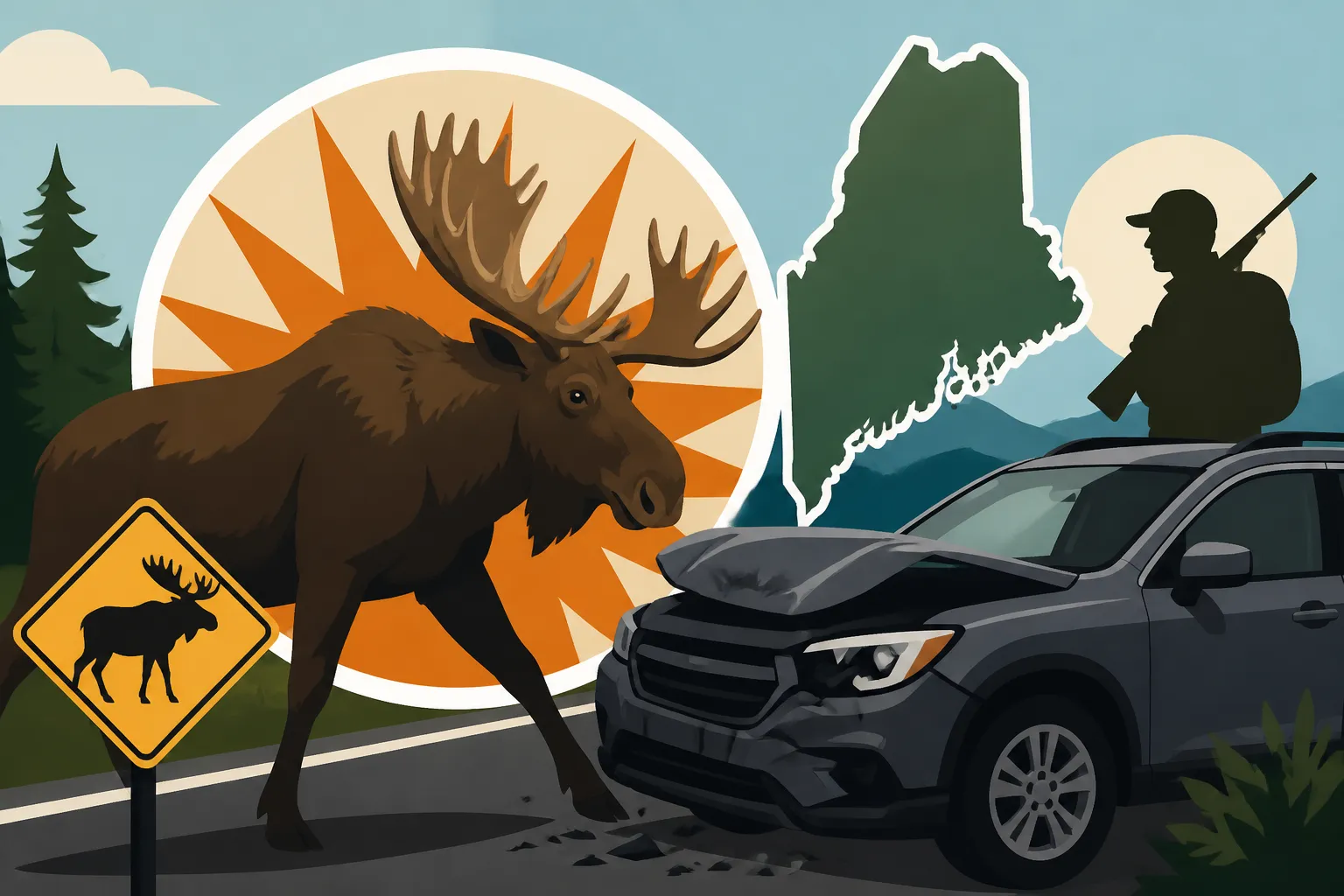
Anyone who has driven the quieter highways and winding backroads of Maine, especially at dawn, dusk, or after dark, has likely felt that cold knot of fear when considering a moose collision. These aren't just minor fender benders; hitting a moose can be absolutely catastrophic, often resulting in severe injury or even death, not to mention a totaled vehicle. This guide is here to shed light on the stark reality of moose vehicle collision numbers in our great state, helping you understand where and why they happen, and most importantly, what you can do to stay safer on the road.
The Stark Reality of Moose Collisions in Maine
There’s a certain majesty to seeing a moose in the wild, an experience many Mainers and visitors cherish. But that awe can quickly turn to terror when one of these massive animals suddenly steps out onto the pavement. The sheer scale of a full-grown bull moose, weighing well over a thousand pounds with long legs that tend to send its body crashing through your windshield on impact, makes these encounters incredibly dangerous. It's not just a statistic; it's a very real threat that looms on our roads, particularly in certain regions and during specific times of the year.
Why Moose Are Such a Hazard on Our Roads
Unlike a deer, which might go under your car in an impact, a moose's impressive height means its body often comes right through the passenger compartment. Imagine hitting a full-size refrigerator at highway speed—that’s roughly the kinetic energy involved. Their dark coats make them incredibly difficult to see at night, especially against the backdrop of dark timber or a cloudy sky. Add to that their often unpredictable behavior, whether they're ambling slowly or suddenly bolting, and you have a recipe for disaster.
Furthermore, moose are creatures of habit, often following traditional paths, even if those paths now intersect with a paved road. These animals don't understand traffic laws or the danger posed by oncoming vehicles. They are simply trying to get from point A to point B, perhaps to a water source, a feeding ground, or to escape biting insects. During certain times of year, like the rut, bulls are so focused on breeding that they pay even less attention to their surroundings, making them particularly reckless. Understanding Moose in Maine's North Woods and their movements is crucial for drivers.
The Human and Economic Toll of Collisions
The immediate human toll of a moose collision can be devastating. Fatalities, though thankfully not daily occurrences, are far from rare. Survivors often face serious injuries, from broken bones and head trauma to long-term psychological impacts. The sudden, violent nature of the crash is something no one forgets. Beyond personal injury, the economic impact is immense. Vehicles are frequently totaled, leading to complex insurance claims, lost transportation, and the cost of replacing a vehicle. Emergency services, from law enforcement and paramedics to tow truck operators and even wildlife officials, must respond, diverting resources and incurring significant costs. And, of course, there’s the loss of the magnificent animal itself, a blow to Maine's wildlife population, especially considering efforts to manage Why Winter Ticks Are Killing Maine Moose Calves and other threats.
Understanding the Data: Where and When Collisions Happen
When we talk about "numbers," we're really talking about patterns. Understanding these patterns—when and where moose are most likely to wander into traffic—is the first step toward prevention. Maine has vast areas of suitable moose habitat, and these animals are quite mobile, but certain environmental and behavioral factors concentrate their activity. Observing these trends can literally be a lifesaver. This data helps state agencies understand What Moose Density Reduction Aims to Fix in certain areas, which can indirectly affect collision rates.
Seasonal Peaks and Daily Danger Zones
Moose activity on roads isn't constant throughout the year; it ebbs and flows with the seasons and even the time of day.
- Spring and Early Summer: This is a particularly high-risk period. As snow melts, moose seek out fresh roadside vegetation, often salty runoff, which attracts them to the shoulders of highways. Calves are also born in late spring, and cows become more mobile with their young.
- Late Summer to Early Fall (The Rut): The moose rut, typically peaking in late September and early October, is another dangerous time. Bulls are actively searching for cows, often traveling great distances and crossing roads with less caution. Their focus is singular, making them less aware of vehicular traffic.
- Dawn and Dusk: Without a doubt, the periods around sunrise and sunset are the most perilous. Moose are crepuscular, meaning they are most active during these twilight hours. Combine their natural activity patterns with reduced visibility, and you have prime collision conditions. Many incidents also occur in the dark hours of the night.
Here’s a simplified breakdown of typical collision patterns:
| Time of Year | Peak Activity / Risk Factor |
|---|---|
| May – June | Calving season, roadside vegetation growth (salt), insect avoidance. |
| September – October | Moose rut (breeding season), increased bull movement, less caution. |
| Time of Day | |
| Dawn & Dusk | Natural activity peaks, low light conditions, hard to see dark coats. |
| Night | Very low visibility, moose blend into dark backgrounds. |
Geographic Hotspots for Moose Collisions
While moose can appear almost anywhere in Maine with suitable habitat, certain regions consistently report higher collision numbers. Generally, the further north you go, and the more undeveloped the landscape, the higher the likelihood of encountering a moose on the road. Where Maine's Moose Density Is Highest often correlates directly with collision hotspots.
- The North Woods: This is moose country, pure and simple. Routes like 11, 15, 159, and many of the more remote sections of larger arteries running through Aroostook, Piscataquis, and Somerset counties are infamous for moose sightings and, unfortunately, collisions. Areas surrounding major logging operations or large tracts of unbroken forest, as detailed when scouting Moose Habitat in the North Woods, are prime areas for moose movement across roads.
- Central Maine Corridors: Even in more populated central Maine, major north-south routes like I-95, Route 201, and Route 9 can have significant moose activity, especially where they pass through long stretches of forest or wetlands. The edges of towns and cities that border wilder areas can also see a surprising number of incidents. When you’re using mapping tools, perhaps like GoHunt, to plan a trip or just explore, pay close attention to the green swaths of forestland that hug our roadways; those are potential moose crossings.
- Western Maine Mountains: The vast wilderness of western Maine, especially around areas like the Rangeley Lakes region and the mountains of Franklin and Oxford counties, is another high-risk area. Roads that wind through this rugged terrain, such as portions of Route 16, Route 4, and Route 27, are known for moose encounters. Anyone planning Packing for a North Woods Moose Hunt should be especially vigilant on these roads.
Mitigating the Risk: Strategies for Drivers and Wildlife Management
Reducing moose collisions isn't just about statistics; it's about protecting human lives and conserving these iconic animals. It requires a two-pronged approach: making drivers more aware and proactive, and implementing effective wildlife management strategies. Even if you're not specifically hunting, understanding wildlife behavior can make you a safer driver, much like how Reading Aerial Photos for North Woods Deer helps hunters predict deer movement, it can help drivers anticipate moose.
Driver Awareness and Defensive Tactics
The single most important factor in preventing moose collisions is driver behavior. Vigilance and defensive driving can significantly reduce your risk.
- Slow Down, Especially at Night and in Moose Country: This is non-negotiable. Reducing your speed gives you more time to react. If you’re driving through known moose habitat, particularly at dawn, dusk, or after dark, consider dropping your speed by 10-15 mph below the posted limit. Remember that using high beams can actually make a moose appear to vanish in the light, so be prepared to dim.
- Scan the Road and Shoulders Constantly: Your eyes should be moving, looking for any glint, shape, or movement. Don't just look directly ahead; scan the ditches, tree lines, and open fields beside the road. If you see one moose, there's a good chance there's another nearby, especially a calf with its mother or a bull following a cow during the rut.
- Be Extra Cautious in High-Risk Areas and Times: Pay attention to moose crossing signs. They're there for a reason! Internal tools like GoHunt can help you visualize topographical features and dense cover that moose might use, giving you a predictive edge even if you're not actively hunting. Be especially wary during the spring and fall peaks.
- Know What to Do If a Collision Is Imminent: If you see a moose in your path, brake hard and steer straight. Swerving to avoid a moose often leads to hitting a tree, another vehicle, or rolling your car, which can be even more dangerous than hitting the moose itself. Aim for the tail if you must hit it, as this may minimize the impact of the moose's body coming through the windshield. It’s counter-intuitive, but sometimes the lesser of two evils is the only choice.
- What to Do After a Collision: If you do hit a moose, pull over immediately if safe to do so. Turn on your hazard lights. Call 911. Do NOT approach an injured moose; they are incredibly powerful and can be dangerous, even when wounded. Wait for emergency personnel to arrive.
State Efforts to Reduce Collisions
The Maine Department of Inland Fisheries and Wildlife (MDIFW) and the Maine Department of Transportation (MaineDOT) work together on various initiatives to mitigate moose collisions.
- Signage and Awareness Campaigns: MDIFW and MaineDOT place prominent "Moose Crossing" signs in high-risk areas. They also conduct public awareness campaigns, particularly before peak collision seasons, reminding drivers of the dangers and safe driving practices.
- Habitat Management: MDIFW manages moose populations through regulated hunting seasons, which helps control overall numbers and densities in different Wildlife Management Districts (WMDs). Managing How Many Moose Live in Maine and their distribution can affect how often they interact with roads.
- Roadway Design and Mitigation: MaineDOT considers wildlife crossings in new road construction and upgrades. While extensive fencing or overpasses are incredibly expensive and often impractical in Maine's vast wilderness, strategies like clear-cutting vegetation back from the roadside in certain hotspots can improve visibility, giving drivers and moose more time to react. Some areas may also feature rumble strips or flashing lights to alert drivers to potential dangers. The state also tracks moose population in Maine to inform these efforts.
- Data Collection and Analysis: Both agencies meticulously collect data on collision locations, times, and outcomes. This information is vital for identifying emerging hotspots and tailoring mitigation efforts effectively. Hunters using tools like GoHunt to scout Hunting a Katahdin Region Logging Road or Hunting a Powerline Cut Through the North Woods also contribute to a broader understanding of moose movement patterns, which can then be used to inform public safety.
By combining personal responsibility behind the wheel with ongoing, data-driven efforts from our state agencies, we can all work towards making Maine's roads safer for both people and our majestic moose. Stay alert, slow down, and enjoy the beauty of our wild state responsibly.
Disclaimer
This article is for general informational purposes only and does not constitute professional advice. Laws, prices and regulations vary by location and change over time. Consult a qualified professional for guidance on your specific situation.