Packing for a North Woods Moose Hunt
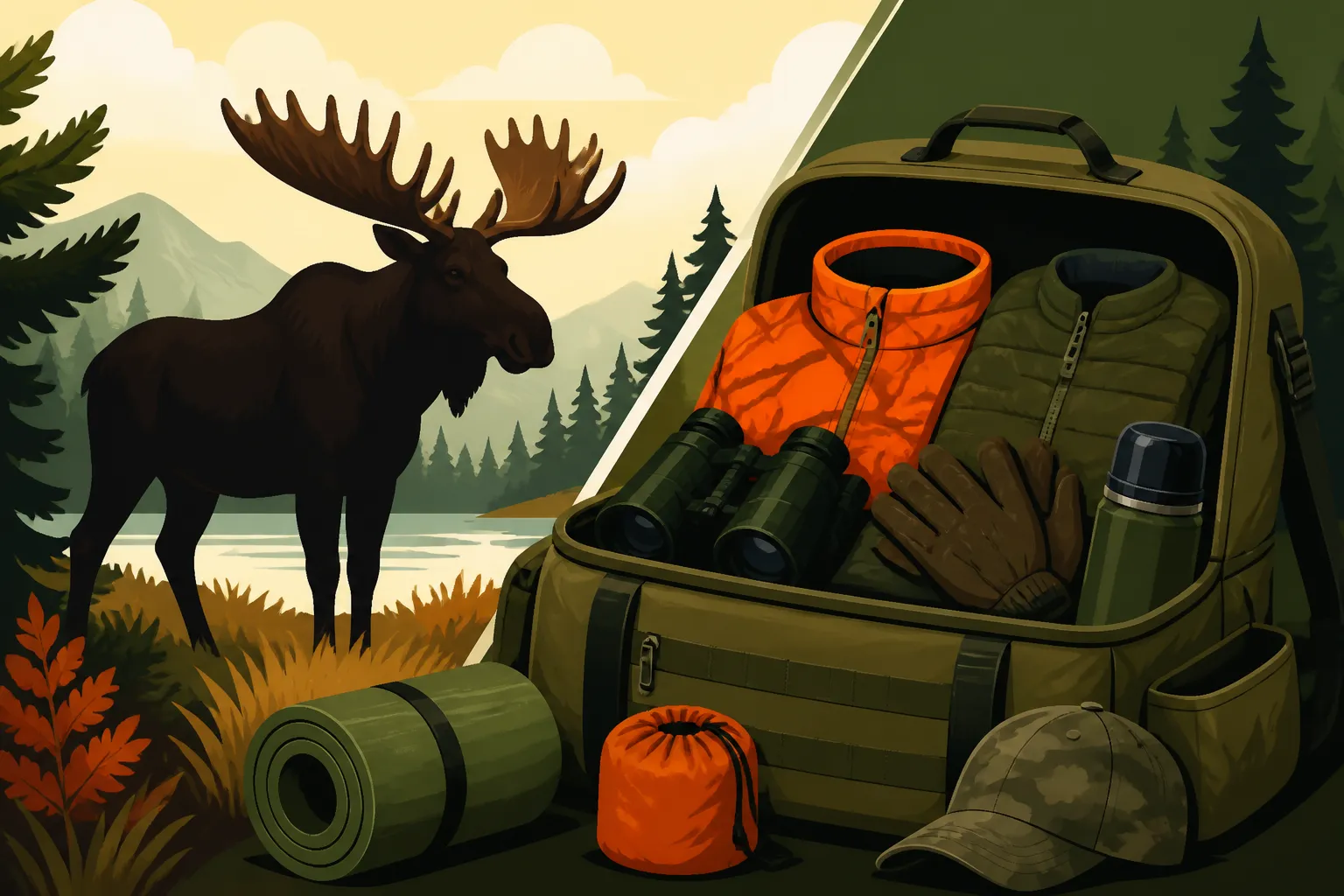
Planning a moose hunt in Maine's vast North Woods can feel like preparing for an expedition to another planet. The sheer scale of the wilderness, coupled with unpredictable weather and the formidable challenge of a Maine moose, means you can't just throw a few things in a bag and expect to be ready. This comprehensive guide will walk you through exactly what you need to pack to ensure you're prepared for every eventuality, from essential gear to camp comforts and crucial safety items, so you can focus on the hunt itself.
Essential Gear for a Successful Moose Hunt
When you're heading deep into the Maine North Woods for a moose hunt, your gear isn't just about comfort; it's about capability and safety. You're entering a vast, wild landscape where resources are scarce, and help can be hours away. Every item needs to serve a purpose, often multiple purposes, and be rugged enough to withstand the demanding conditions you're likely to encounter. This isn't the time to skimp or compromise on quality.
Firearms, Ammunition, and Optics
Choosing the right firearm for a Maine moose is paramount. While some opt for larger calibers, a well-placed shot with a common deer cartridge like .30-06 or .300 Win Mag is more than sufficient. The key is familiarity and accuracy. Bring a rifle you're comfortable shooting, one that you've practiced with extensively at varying distances to ensure ethical shot placement. Remember to zero your rifle before you leave home, and perhaps even confirm zero upon arrival at your base camp, as travel can sometimes shift optics. Don't forget a sturdy sling for carrying your rifle through thick woods, as you'll be doing a lot of walking.
Ammunition choice is equally critical. For moose, you want a heavy, well-constructed bullet designed for deep penetration and energy retention, such as bonded bullets or those with solid copper construction. Avoid lighter, frangible bullets intended for smaller game. Pack ample ammunition, not just what you think you'll need for the hunt itself, but also for any last-minute sighting in and certainly more than a few spare rounds. The remoteness means you won't be running to the local sporting goods store for more if you run short. Additionally, a small, portable cleaning kit for your rifle is a smart inclusion to keep it functioning optimally in wet or dusty conditions.
Optics are your eyes in the forest, and for moose, quality matters. A good pair of binoculars, at least 10×42, will save your legs by allowing you to glass distant clear-cuts, bogs, and timber edges for tell-tale signs of a moose. Rangefinders are nearly indispensable for ethical shot placement, especially in varied terrain where distances can be deceiving. Don't forget lens caps and a cleaning cloth to protect your optics from rain and dirt. Consider a compact spotting scope if you plan on extended glassing from a high vantage point, though for most hunters on foot, quality binoculars are sufficient. Make sure all your optics are waterproof and fog-proof, as Maine weather can change in an instant. Before you head out, tools like GoHunt can provide invaluable satellite imagery and topographic maps, helping you identify potential moose habitat and glassing locations even before you step foot in the woods.
Field Dressing and Game Recovery Tools
Once you've successfully harvested your moose, the real work begins. Moose are massive animals, and getting one processed and out of the woods is a monumental task. A sharp, durable knife is your most important tool here. Bring at least two: a sturdy fixed-blade knife for initial field dressing and skinning, and a smaller, sharper one for more precise work. A sharpening stone or compact field sharpener is also essential, as you'll be working through tough hide and tissue. Consider a gut hook knife or a dedicated game saw to help with opening the chest cavity and quartering the animal efficiently.
Game bags are non-negotiable for preserving the meat. Moose meat is highly prized, and proper handling in the field is crucial to prevent spoilage. Pack multiple large, breathable game bags—enough to cover all four quarters and the backstraps. These protect the meat from flies, dirt, and debris while allowing it to cool. A robust hoist system or a set of heavy-duty block and tackle can make lifting quarters much more manageable, especially if you're working alone or with a small team. Many hunters also bring a tarp or large plastic sheet to lay the meat on while quartering, keeping it clean. Remember, when you're done, you'll need to know all the ins and outs of Field Dressing a Moose in the North Woods.
Finally, for moving the animal, a heavy-duty sled or game cart can be a lifesaver, especially if you're hunting in an area with some open trails or logging roads. If you're deep in the timber, you'll be quartering the animal and packing it out, piece by piece. Strong rope, a small axe or hatchet, and even a heavy-duty tarp can aid in dragging or carrying meat to a vehicle. A headlamp or powerful flashlight with extra batteries is critical for any work that extends into the evening, which is highly probable when recovering a moose. Having a plan for Getting a Moose Out of the North Woods before you even leave camp is paramount.
Clothing and Layering Strategies for Maine Weather
Maine's North Woods in moose season—typically late September and early to mid-October—can throw every kind of weather at you in a single day. You might start with a crisp, frosty morning, see sunshine by midday, be caught in a driving rain or sleet shower by afternoon, and end with temperatures plummeting after sunset. The key to staying comfortable, safe, and focused on your hunt is a versatile layering system that allows you to adapt quickly to changing conditions.
Base Layers and Insulation
Your base layer is the foundation of your entire clothing system. Its primary job is to wick moisture away from your skin, keeping you dry and preventing dangerous chilling. Forget cotton; it absorbs moisture and holds it against your skin, making you cold once you stop moving. Opt for merino wool or synthetic materials. Merino wool is excellent because it's naturally antimicrobial, meaning it resists odor build-up over multiple days, and it provides warmth even when damp. Synthetics are often quicker drying and more budget-friendly. Pack at least two sets of base layers—a lightweight one for active walking and a mid-weight for colder days or sitting still.
Mid-layers provide the crucial insulation that keeps you warm. Depending on the forecast, you might need one or two of these. Fleece jackets, wool sweaters, or lightweight puff jackets filled with synthetic insulation are excellent choices. Again, avoid cotton. These layers should be easy to put on and take off as your activity level and the temperature fluctuate. For instance, while hiking strenuously through thick alders, you might only wear a base layer and a light mid-layer. But when you stop to glass a distant clear-cut or wait in a prime funnel area, you'll want to quickly add a thicker mid-layer to retain body heat. Don't underestimate the warmth a good vest can provide, keeping your core warm while allowing for full arm mobility.
Outerwear for Rain, Wind, and Snow
Your outer shell is your fortress against the elements. It needs to be completely waterproof and windproof to protect you from Maine's notoriously damp and blustery conditions. A good quality Gore-Tex or similar breathable membrane jacket and pants are worth the investment. Look for features like taped seams, waterproof zippers, and adjustable cuffs and hoods that can be cinched down tight. Your outer layers should be large enough to comfortably fit over all your base and mid-layers without restricting movement. Remember, a wet hunter is a cold hunter, and a cold hunter is a miserable hunter whose focus is compromised.
While blaze orange is a legal requirement during certain hunting seasons in Maine, especially the firearms season when moose is typically hunted, your outer shell needs to meet these visibility standards. For moose hunters during the general firearms season, a minimum amount of solid hunter orange needs to be visible. Check the current Maine Blaze Orange Requirements to ensure compliance. Many dedicated hunting apparel brands offer waterproof outer shells in blaze orange or with significant orange panels. Layering your blaze orange on the outside ensures maximum visibility to other hunters in the expansive North Woods. Even if you're not in a season requiring blaze orange, bright colors are a good safety measure in such vast areas, especially if you need to be found.
Consider packing an extra set of outer layers, especially pants, if your hunting plans involve multiple days of wet weather. Having dry clothes to change into at camp at the end of a long, rainy day can significantly boost morale and prevent hypothermia. Even if your primary rain gear is top-notch, a backup lightweight emergency poncho can be a smart addition for unexpected downpours or as a quick shelter.
Footwear and Hand Protection
Your feet are your transport, and keeping them warm, dry, and blister-free is critical for a successful moose hunt. Invest in high-quality, waterproof hunting boots that provide excellent ankle support. They should be well broken-in before your trip to prevent blisters. Insulation levels should match the expected temperatures; 400-800 gram insulation is generally a good choice for early to mid-fall moose hunts in Maine. Again, avoid cotton socks. Layer a thin synthetic or merino wool liner sock under a thicker wool blend hiking or hunting sock to wick moisture and provide cushioning. Pack at least three to four pairs of good socks, changing them daily or whenever they become damp. A fresh pair of socks can feel like a luxury after a long day of tracking.
Hand protection is often overlooked until fingers go numb. You'll need multiple pairs of gloves. A lightweight, form-fitting glove is useful for dexterity when handling your rifle, rangefinder, or calls. A warmer, insulated, and waterproof glove or mitten is essential for colder, wetter conditions or periods of inactivity. Many hunters opt for a "system" that includes a thinner shooting glove that can be worn inside a larger, insulated mitten, allowing them to quickly shed the outer layer for fine motor tasks. Make sure your gloves don't hinder your ability to operate your firearm safely. Consider a hand warmer pouch that attaches to your belt for those truly frigid days, providing instant relief for cold fingers.
Food, Water, and Camp Comfort Considerations
Hunting a moose in the North Woods is an incredibly physical endeavor, often involving long days of strenuous walking, challenging terrain, and potentially hauling hundreds of pounds of meat. Your body will be burning a massive amount of calories, and staying hydrated is not just about comfort, but about maintaining your energy, focus, and overall safety. Thinking about these essential comforts before you head out will make your experience significantly more enjoyable and sustainable.
Non-Perishable Food and Hydration
When packing food for a remote moose hunt, think high-energy, non-perishable, and easy to prepare. Dehydrated meals are excellent for their light weight and quick preparation—just add hot water. Pack a variety of these for dinners. For breakfasts, instant oatmeal, granola, or protein bars are quick and effective. Lunch often happens on the go, so pack things like trail mix, jerky, nuts, dried fruit, and energy bars that can be eaten without a stove. Don't forget coffee or tea if that's part of your morning ritual; it's a small comfort that can make a big difference in morale. Bring more food than you think you'll need, as delays or unexpected extra days in the woods can happen.
Hydration is even more critical. While Maine's North Woods is generally abundant with water sources, you should never drink directly from them without purification. Pack a reliable water filter or purification tablets. A Sawyer Squeeze filter or Katadyn BeFree filter are popular, lightweight options. A hydration bladder in your pack allows for continuous sipping throughout the day, which is far better than gulping down water only when you're parched. Carry at least 2-3 liters of water capacity on you at all times. In colder weather, it's tempting to drink less, but your body still needs a significant amount of water to function properly. Electrolyte packets can also be a good addition to replenish minerals lost through sweating, keeping cramps at bay during those long hauls. Before you go, studying detailed maps, perhaps using a tool like GoHunt, can help you identify reliable water sources near your planned hunting areas.
Sleeping System and Shelter
Your sleeping system is paramount to getting restorative rest after grueling days. A quality sleeping bag rated for temperatures at least 10-20 degrees colder than you expect will serve you well. Even if the days are mild, nights in the North Woods can dip significantly, sometimes well below freezing in late September and October. A sleeping pad is not just for comfort; it's vital for insulation from the cold ground. Closed-cell foam pads are durable and lightweight, while inflatable pads offer more comfort and better insulation but require more care.
Your choice of shelter depends on your style of hunt. If you're establishing a base camp and returning to it each night, a sturdy wall tent with a wood stove can provide immense comfort and a place to dry gear. If you're more mobile, a backpacking tent or even a sturdy tarp setup will be lighter and more versatile. Ensure your tent is fully waterproof and has a robust rainfly. Remember to pack a ground tarp or footprint to protect the tent floor from punctures and add another layer of moisture barrier. Good ventilation is also important to prevent condensation buildup inside your tent, which can lead to damp gear. For those planning a longer stay or deep wilderness adventure, consider some of the challenges and rewards of Hunting a North Maine Woods Checkpoint Tract.
Cooking and Camp Essentials
Even if you're eating mostly dehydrated meals, you'll need a reliable way to boil water. A compact backpacking stove like a Jetboil or MSR PocketRocket, along with a few fuel canisters, is perfect for quick hot meals and drinks. Don't forget a lighter or waterproof matches as a backup ignition source. A small, lightweight pot or mug for boiling water is sufficient, and a spork or long-handled spoon will complete your basic eating kit. A small biodegradable soap and sponge for cleaning can be a nice touch, but mostly, you'll be wiping things down and saving water.
Beyond food and cooking, other camp essentials contribute significantly to comfort and efficiency. A reliable headlamp with extra batteries is probably your most used item after your rifle. Pack a brighter lantern or larger camp light for general illumination around camp. Duct tape and paracord are wilderness problem-solvers; you can fix almost anything with them. Biodegradable wet wipes, hand sanitizer, and a small trowel for digging catholes are crucial for hygiene. A small foldable saw or axe can be useful for processing firewood if you have a wood stove or just for clearing small obstacles around camp. Having these small but critical items will ensure your camp is a place of rest and recovery, not an additional source of stress.
Navigating the North Woods and Safety Gear
The Maine North Woods is a truly wild and immense landscape. It's easy to become disoriented, even for experienced woodsmen. Getting lost, or worse, getting injured in such a remote area, can quickly turn a dream hunt into a nightmare. Packing the right navigation and safety gear isn't optional; it's absolutely essential for your well-being and, potentially, your survival.
Communication and Navigation Devices
In most of the North Woods, cell phone service is non-existent. Relying solely on your smartphone for navigation or emergencies is a critical mistake. A satellite communication device, such as a Garmin inReach or a Zoleo satellite communicator, is indispensable. These devices allow you to send and receive text messages, share your location with loved ones, and, most importantly, send an SOS message to emergency services from anywhere, regardless of cell service. Ensure your device is fully charged, and you have an active subscription before you leave home. Understand how to use it thoroughly, including its specific SOS features.
Beyond satellite communicators, traditional navigation tools are still vital. A reliable GPS unit (like a Garmin GPSMAP series) loaded with detailed topographic maps is a must. These units are generally more robust and have longer battery life than smartphones in cold weather. Crucially, always carry a physical map and a compass as backups. Know how to read a topographic map and use a compass. Batteries can die, electronics can fail, but a map and compass rarely do. Familiarize yourself with your hunting area using these tools and services like GoHunt's mapping features well in advance. Understanding the terrain, recognizing landmarks, and noting potential escape routes or logging roads are all part of responsible preparation. When thinking about navigating such vast areas, it’s also good to consider resources like Scouting With the Maine Hunting App for additional layers of information.
If you are hunting with a partner or group, two-way radios can be incredibly useful for short-range communication. FRS/GMRS radios can work within a few miles in open terrain, though their range can be severely limited in dense forest. These are great for coordinating drives or checking in with each other if you split up for a short period. Always establish a rendezvous point and check-in times, especially if communication might be spotty.
First Aid and Emergency Supplies
A comprehensive first aid kit is not something to skimp on. It should contain supplies for treating common hunting injuries like cuts, scrapes, blisters, sprains, and minor burns, as well as personal medications. Think beyond band-aids: include trauma dressings, ace bandages, antiseptic wipes, pain relievers, allergy medication, and any prescription medications you or your hunting partners might need. Consider taking a wilderness first aid course before your trip; knowing how to use your kit effectively is as important as having it.
Beyond medical supplies, a small survival kit can be a lifesaver. This should include items for fire starting (waterproof matches, lighter, fire steel, tinder), a small emergency blanket (mylar or wool), a whistle for signaling, and a small cutting tool. A powerful headlamp with extra batteries is critical, as darkness falls quickly in the woods. Always carry these essentials on your person, not just in your main pack, so they are accessible if you become separated from your gear. A signaling mirror can also be useful for attracting attention from aircraft or distant search parties.
Survival and Signaling Gear
When you're out in the deep woods, being prepared for the unexpected is paramount. A personal locator beacon (PLB) offers another layer of emergency signaling, typically with a longer battery life and fewer subscription requirements than satellite messengers, but usually only provides a one-way SOS signal. Many hunters carry both a PLB for dire emergencies and a satellite messenger for routine communication and less critical distress signals.
Blaze orange isn't just a legal requirement for safety during hunting season; it's a critical signaling tool if you become lost or need to attract attention. In addition to your required outer layer, consider packing an extra piece of bright orange fabric to tie to a tree or yourself if you need to remain stationary and signal for help. A loud whistle is also essential for signaling. Three short blasts is a universal distress signal. Never underestimate the power of sound in a vast, quiet forest.
Finally, think about basic survival knowledge. Knowing how to build an emergency shelter, start a fire in wet conditions, and procure safe drinking water can make all the difference if you find yourself in an unexpected overnight situation. Carrying a small, reliable compass and knowing how to use it with a printed map could literally save your life. For non-residents especially, being familiar with Maine's regulations and being able to quickly reach out for help is important, as is potentially understanding something like Maine Guide License Categories Explained if you ever consider hiring one.
Here’s a quick checklist of essential packing items for your Maine North Woods moose hunt:
| Category | Essential Items | Considerations |
|---|---|---|
| Hunting & Firearm | Rifle (or Bow/Muzzleloader) & Ammunition | Legal caliber, well-practiced, plenty of ammo |
| Binoculars, Rangefinder | Waterproof, fog-proof, adequate magnification (10x for binos) | |
| Hunting License, Tags, Permits | Physical copies, proof of Maine Hunter Education Requirements | |
| Knife(s), Sharpener, Game Saw, Game Bags | Sturdy fixed blade, smaller utility knife, adequate game bags | |
| Headlamp, Extra Batteries | Powerful, reliable, always accessible | |
| Clothing & Footwear | Layered Clothing (Base, Mid, Outer) | Merino wool/synthetic, waterproof/windproof outer shell, adequate Maine Blaze Orange Requirements |
| Waterproof Hunting Boots, Gaiters | Well-insulated, broken-in, good ankle support | |
| Wool/Synthetic Socks (multiple pairs) | Liner socks, heavy wool socks, change daily | |
| Waterproof Gloves/Mittens (multiple pairs), Liner Gloves | Dexterity for shooting, warmth for sitting still | |
| Warm Hat, Neck Gaiter | Retain body heat | |
| Camp & Food | Dehydrated Meals, High-Energy Snacks | Protein bars, jerky, nuts, dried fruit |
| Water Filter/Purification Tablets, Water Bottles/Bladder | Reliable, easy to use, ample capacity | |
| Backpacking Stove, Fuel, Cook Pot, Utensils | Compact, reliable, lighter/matches | |
| Sleeping Bag (rated for low temps), Sleeping Pad | Appropriate temperature rating, good insulation from ground | |
| Tent/Shelter, Tarp/Footprint | Waterproof, robust, appropriate for conditions | |
| Navigation & Safety | GPS Unit (with topo maps), Physical Map, Compass | Know how to use all three, batteries for electronics |
| Satellite Messenger (Garmin inReach/Zoleo) | SOS function, two-way communication, active subscription | |
| First Aid Kit (comprehensive), Personal Medications | Trauma dressings, pain relievers, blister treatment | |
| Fire Starter (multiple types), Whistle, Emergency Blanket | Waterproof matches, fire steel, loud whistle | |
| Duct Tape, Paracord | Essential for repairs and improvised solutions | |
| Personal Hygiene Items (biodegradable) | Wet wipes, hand sanitizer, trowel |
Disclaimer
The information provided in this guide is for general informational purposes only and is not intended as professional advice. Hunting regulations, safety protocols, and wilderness conditions can change. Always consult the most current regulations from the Maine Department of Inland Fisheries and Wildlife (MDIFW) and consider professional guidance from a Registered Maine Guide, especially for complex hunts like moose. Hunting in the North Woods carries inherent risks; proper preparation, training, and judgment are essential for a safe and successful experience.