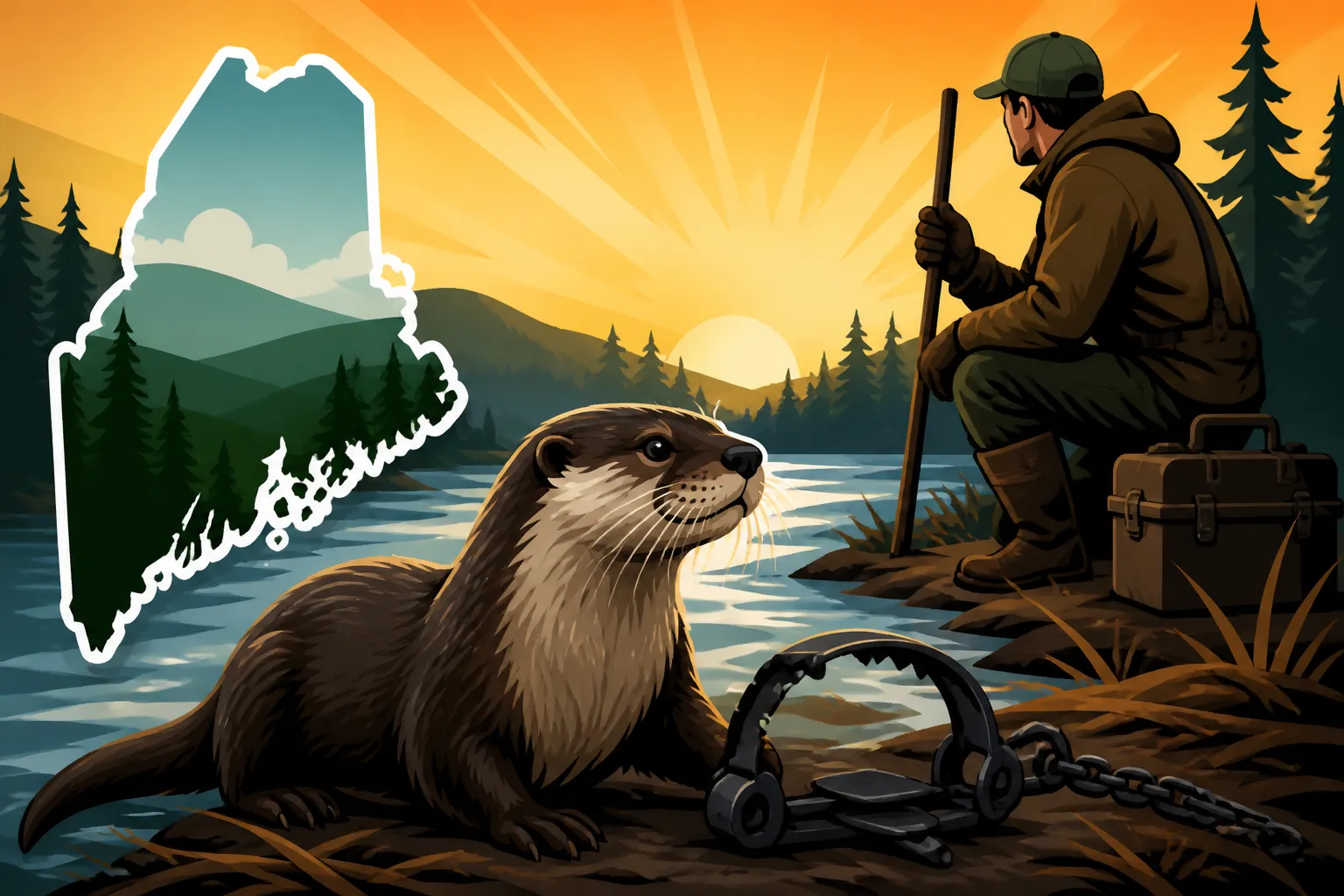
Maine River Otter Trapping Season
If you've ever felt overwhelmed by the sheer volume of rules and regulations that come with pursuing furbearers in Maine, you're certainly not alone. Trying to figure out the exact parameters for trapping specific species, like our elusive river otters, can feel like navigating a dense cedar swamp without a compass. This guide is here to shed some light on the ins and outs of Maine's river otter trapping season, helping you understand the regulations, ethical considerations, and practical steps to a successful and legal season.
Understanding Maine's Furbearer Management Framework
Maine takes its furbearer management seriously, and for good reason. Species like the river otter are vital components of our state's rich ecosystem, and ensuring their sustainable harvest is a top priority. Unlike some game animals with very distinct, short seasons, furbearer trapping seasons often span longer periods, but come with a different set of complexities, including trap types, placement rules, and reporting requirements. It's a different game than heading into the woods with a rifle, requiring a deep understanding of the animal and the law.
The Role of Trapping in Maine's Ecosystem
Trapping has a long and storied history in Maine, deeply woven into the fabric of our outdoor heritage. Beyond tradition, it serves as a critical wildlife management tool, helping to maintain healthy populations of furbearers and mitigate conflicts with human interests. River otters, while charismatic, can occasionally impact fish populations in certain areas or cause issues near private ponds. Responsible trapping helps keep these populations in balance with their habitat and other species. It's not just about the pelt; it's about stewardship. Our wildlife biologists rely on harvest data to monitor population trends and make informed decisions for future seasons.
General Furbearer Trapping License Requirements
Before you even think about setting a single trap, you need to ensure you're properly licensed. In Maine, trapping isn't something you can just decide to do on a whim. There are specific licenses required, and they differ for residents and non-residents. This isn't like a general hunting license; it's a specialized permit that acknowledges the specific skills and responsibilities involved in trapping. Typically, you'll need a basic trapping license, and often there are additional certifications required, especially if you're new to trapping. It's always best to check the current regulations published by the Maine Department of Inland Fisheries and Wildlife (MDIFW) to confirm what you need for the upcoming season. They usually have a dedicated trapping section on their website or in their annual rulebook, which you can also reference with mapping apps like GoHunt that integrate regulatory information. Remember, getting your license early saves a lot of headaches later on. Maine Trapping License Requirements outlines some of the broader aspects.
Maine River Otter Season Specifics
When it comes to river otters, the season structure can sometimes feel a bit convoluted, as it often varies by district or zone across the state. This zoning approach allows wildlife managers to tailor harvest levels to local population dynamics, ensuring that otters are sustainably managed everywhere from the bustling southern Maine watersheds to the vast, wild stretches of the North Woods.
Regional Zone Variations for Otter Trapping
Maine is divided into various Wildlife Management Districts (WMDs), and it's absolutely crucial to know which WMD you'll be trapping in, as season dates can vary significantly. Some WMDs might have a longer season, while others, perhaps with lower otter populations or different ecological conditions, might have a shorter window or even specific bag limits. It's not a one-size-fits-all approach. For example, inland WMDs might have a different season opener or closer compared to coastal WMDs where otters also frequent tidal areas. Always, and I mean always, consult the official MDIFW trapping guide for the current year to pinpoint the exact start and end dates for the specific WMD you intend to trap. This is where tools like GoHunt can be invaluable for overlaying WMD boundaries on a map.
Typical Season Dates and Bag Limits
While specific dates shift slightly year to year based on biological data and management goals, the river otter trapping season in Maine typically opens in late fall, often aligning with the freeze-up of smaller waterways, and can extend well into winter. This timing allows trappers to operate during periods when otter pelts are prime and ice conditions are more stable for water sets.
Bag limits for river otters are generally quite conservative, reflecting their population status and the desire for sustainable harvest. It's common to see a specific season bag limit, meaning you can only harvest a certain number of otters throughout the entire season, regardless of how many you might legally trap in a single day or week. These limits are designed to prevent overharvest and ensure a healthy breeding population for years to come. Exceeding your bag limit, even accidentally, is a serious violation.
Here’s a simplified look at how season variations might play out, but remember, always check current regulations:
| WMD Region | Typical Season Start | Typical Season End | Season Bag Limit (Example) | Common Trap Restrictions |
|---|---|---|---|---|
| Northern WMDs | Late October | Mid-December | 4 Otters | Foothold, body grip |
| Central WMDs | Early November | Late December | 3 Otters | Foothold, body grip |
| Southern/Coastal WMDs | Mid-November | Early January | 2 Otters | Foothold, body grip |
This table provides illustrative examples. Actual dates, limits, and regulations are subject to annual change by MDIFW.
It's also worth noting that specific WMDs might have different rules concerning trap size or type in certain areas, particularly near populated zones or in areas with high public use, to minimize incidental captures of non-target species. You might find some useful information by looking into Maine Fox and Bobcat Trapping Season as other furbearers often share similar regulatory frameworks.
Reporting and Tagging Requirements
Harvesting an otter isn't the end of your legal obligations; it's just the beginning of the reporting process. Maine has strict requirements for tagging and registering your furbearer harvests. This data is absolutely essential for MDIFW biologists to accurately monitor populations and ensure the health of the species.
Typically, after you've successfully trapped an otter, you'll need to dispatch it humanely and then tag it with a specific tag provided with your trapping license. This tag usually needs to be attached to the animal immediately. Following that, there's a specific timeframe—often within a few days—during which you must present the otter, or at least its pelt and a skull, to an authorized tagging agent. This agent will verify the harvest, collect necessary biological samples (like teeth for aging), and officially register your take. This isn't just a formality; it's a crucial part of wildlife conservation. Failing to tag or register your otter within the specified timeframes can result in penalties. Always know the nearest tagging agent to your trapping grounds and their operating hours before the season begins.
Effective River Otter Trapping Techniques
Trapping river otters is an art as much as it is a science. Otters are intelligent, curious, and incredibly agile animals, making them a formidable challenge for any trapper. Success hinges on a deep understanding of their behavior, habitat, and the legal and ethical ways to approach setting your traps.
Understanding Otter Behavior and Habitat
River otters are semi-aquatic mammals, spending much of their lives in and around water. They're incredibly playful and often leave clear signs of their presence, like slides on muddy banks or snow, scat piles (known as latrines), and well-worn trails leading to and from the water. They prefer areas with abundant food sources, like fish, frogs, and crayfish, and seek out secure denning sites in old beaver lodges, bank burrows, or hollow logs. Understanding these preferences is paramount.
When scouting for otter sign, look for confluence points where smaller streams meet larger rivers, beaver flowages, and along coastal areas where freshwater streams meet tidal zones. They are creatures of habit, often using the same travel routes and feeding areas repeatedly. Observing these patterns, especially before the season opens, will give you a significant advantage. Using a scouting app like GoHunt can help you identify these water features and potential travel corridors on a topographic map. Pay attention to pinch points, narrow stretches of water, or small culverts under roads – these are natural funnels where otters are likely to travel.
Trap Types and Setting Strategies
When it comes to river otters, the primary legal traps in Maine generally fall into two categories: body-grip (conibear style) traps and foothold traps. Each has its specific uses and legal requirements for size and placement.
Body-grip traps are designed for a quick, humane dispatch and are often set in underwater runs, submerged cubbies, or in narrow channels where otters are funneled. The key is to ensure the trap is completely submerged to prevent accidental capture of non-target species and to ensure a clean catch. There are strict regulations on the size of body-grip traps that can be used and where they can be set, particularly on land. For otter, common sizes might be a 220 or 330, but always verify the legal size limits for your specific WMD. When placing them, ensure they are secured to prevent the otter from pulling the trap away, and use natural or artificial guides to steer the otter directly into the trap's jaws.
Foothold traps are another option, particularly in areas where fully submerged body grips are difficult to set, or in dry land sets along known otter trails near water. These traps are designed to hold the animal without injury, allowing for release of non-target species. Maine regulations often specify minimum chain lengths, swivels, and legal jaw spread sizes for foothold traps used for furbearers. For otters, larger, robust foothold traps are usually preferred. When setting a foothold, it's critical to make a "blind set" where the trap is concealed along a natural travel path, or to use a baited set in a cubby or box. Securing the trap with a drown-proof setup in water is often employed to ensure the animal is humanely dispatched quickly after capture.
Regardless of the trap type, remember that ethics are paramount. Set traps thoughtfully, check them regularly (Maine law specifies how often traps must be checked, often every 24 hours), and prioritize humane handling and dispatch. Trapping Maine Furbearers provides more general insights that are certainly applicable to otters.
Navigating Regulations and Ethical Trapping Practices
Being a responsible trapper in Maine extends far beyond simply knowing the season dates and having the right equipment. It encompasses a deep respect for wildlife, a commitment to ethical practices, and an unwavering dedication to understanding and abiding by all applicable laws.
Public Versus Private Land Trapping Rules
One of the most significant distinctions you'll encounter is between trapping on public land and private land. Maine has a unique tradition of implied permission on private land, but this does not apply to trapping. For trapping on private land, you must obtain explicit permission from the landowner. This isn't just a courtesy; it's a legal requirement, and failure to do so can result in serious trespass charges. Always ask first, and ideally, get that permission in writing. Landowners appreciate being asked and informed of your activities.
On public lands, such as Wildlife Management Areas or Public Reserved Lands, the rules can vary. Some areas might have specific restrictions on trap types, setback distances from roads or trails, or require special permits. It's not enough to know it's "public land"; you need to understand the rules for that specific piece of public land. Checking with the managing agency (e.g., MDIFW or Bureau of Parks and Lands) for any site-specific regulations is always a wise move. Tools like GoHunt can help you identify land ownership, but it’s still your responsibility to verify local rules. Maine's Private Land Access Tradition further emphasizes this point.
Avoiding Non-Target Catches
A common concern in trapping is the potential for catching non-target animals, including pets or protected species. Responsible trappers go to great lengths to minimize this. Here are a few key strategies:
- Proper Set Location: Avoid setting traps in high-traffic areas where pets might roam, or near known habitats of protected species.
- Targeted Baits and Lures: While otters are curious, using baits specifically attractive to otters (like fish scraps or commercial otter lures) can help avoid attracting species like deer or domestic animals.
- Specific Trap Types and Placement: As mentioned, submerged body-grip traps are often set in ways that make it difficult for anything but an aquatic animal to trigger them. Setting foothold traps in cubbies or specially constructed enclosures can also reduce non-target captures.
- Quick Checks: Regularly checking your traps (at least every 24 hours, as required by law) ensures that any animal caught, target or non-target, is dealt with as quickly and humanely as possible. If you catch a non-target animal, you must release it unharmed if possible. Knowing how to safely handle and release various species is part of being a competent trapper.
Ethical Considerations and Conservation
Trapping, when done responsibly, is a highly ethical and sustainable activity. However, it demands a deep commitment to animal welfare and conservation. This means using properly sized and functioning traps, ensuring humane dispatch, and respecting the land and its resources. It also means accurately reporting your catches and contributing to the scientific data that helps manage furbearer populations.
Conservation is about the long game. By adhering to regulations, practicing selective harvesting, and constantly seeking to improve your skills and knowledge, you ensure that future generations will also have the opportunity to engage in this rich tradition. Every trapper plays a role in maintaining the health and abundance of Maine's river otter population. Your actions reflect on the entire trapping community, so always strive to uphold the highest standards.
Disclaimer
This article is for general informational purposes only and does not constitute professional advice. Laws, prices and regulations vary by location and change over time. Consult a qualified professional for guidance on your specific situation.