Maine Lynx Population and Protection Status
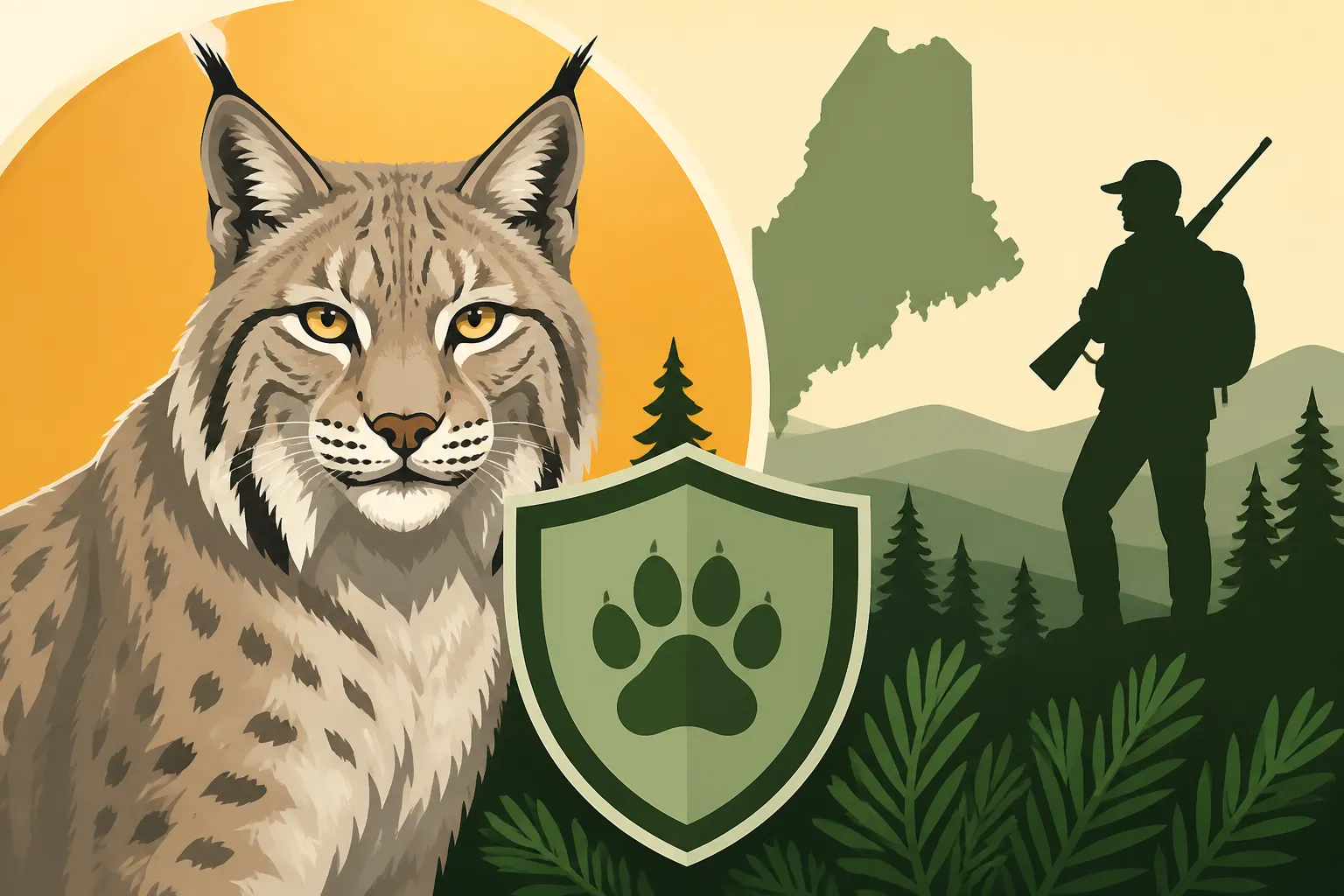
For many of us who cherish the deep woods of Maine, there's a certain mystique about the creatures that truly define wilderness. One of the most captivating, yet often unseen, is the Canada lynx. You might wonder how these elusive cats are faring in our vast forests, what their numbers look like, and what their protected status means for the landscape we all share, especially as hunters and outdoor enthusiasts. This guide will delve into the current status of Maine's lynx population, their critical protection, and how we, as stewards of the land, play a role in their future.
The Elusive Maine Lynx: An Overview of Population and Range
Seeing a lynx in the wild is truly a once-in-a-lifetime experience for most Mainers. These beautiful cats are incredibly secretive and blend seamlessly into their snowy environment. Understanding their population and where they roam is crucial for their continued survival and for all of us who spend time in their habitat.
Current Population Estimates and Trends
For decades, the Canada lynx population in Maine has been a topic of interest and intensive study. Unlike deer or moose, which can be estimated through various counts and harvest data, counting lynx is a formidable challenge due to their solitary nature and the vast, dense territories they inhabit. However, biologists employ methods like snow tracking, remote cameras, and even genetic sampling from hair snags to get a clearer picture. Historically, lynx were thought to be scarce or even extirpated from Maine, but significant efforts in the late 20th and early 21st centuries revealed a stable, if not growing, population, particularly in the northern and western parts of the state.
While exact numbers fluctuate and are difficult to pin down definitively, the general trend indicates a re-establishment and expansion of lynx presence in suitable habitat. This isn't a massive explosion in numbers, but rather a healthy recovery in areas where their primary prey, the snowshoe hare, thrives. The interconnectedness of habitat across the northern New England states and into Canada also plays a role, with lynx dispersing from larger populations in neighboring areas. When you're out Scouting a North Maine Woods Checkpoint Map, keep in mind that you're entering some of their prime territory.
Critical Habitat in Maine
Lynx aren't just any cat; they are highly specialized predators, and their habitat preferences reflect this. In Maine, their critical habitat is largely defined by dense, regenerating spruce and fir forests – often the result of past logging operations or natural disturbances like fires. This thick, young growth provides the perfect cover for snowshoe hares, which are the cornerstone of the lynx's diet. If there are no hares, there are no lynx. It's that simple.
These areas are often found in the sprawling industrial forests of northern Maine, places like Aroostook County, Piscataquis County, and parts of Somerset and Penobscot counties. The deep snows of these regions also favor lynx, thanks to their oversized, "snowshoe-like" paws that allow them to move silently and efficiently over powder that would bog down other predators, like their bobcat cousins or coyotes. When you're Reading a North Woods Deer Yard or driving through recent timber cuts, you're looking at potential lynx country. Areas with dense understory, often along a logging road edge, create the perfect bunny bunkers where snowshoe hares can hide and forage, which in turn attracts lynx.
Understanding Lynx Protection Status in Maine
The presence of Canada lynx in Maine is a testament to the wildness of our state, but it also comes with a significant responsibility regarding their protection. Their status is not just a matter of state law, but also federal mandates, ensuring these unique felines have a place in our ecosystem.
Federal and State Listings
The Canada lynx holds a unique and important designation under the federal Endangered Species Act (ESA), where it is listed as "threatened" in the contiguous United States, including Maine. This federal protection means that activities that could harm lynx or their critical habitat are subject to stringent review and regulation. It's not just about direct harm to an individual animal; it extends to habitat modification that could indirectly impact their survival. This listing drives much of the conservation planning and management efforts in Maine.
At the state level, Maine complements these federal protections. The state works closely with federal agencies to monitor lynx populations, identify critical habitats, and implement management strategies that minimize human impact. This dual layer of protection ensures that the lynx, with its specific habitat and prey needs, is given serious consideration in land use decisions and forestry practices. It’s a good reminder that our wilderness areas, especially in the North Woods, are home to species that require a delicate balance to thrive. Maine's CWD-Free Status Explained often focuses on deer, but wildlife health and habitat are crucial for all species, including lynx.
Hunting Regulations and Accidental Encounters
Given their threatened status, Canada lynx are absolutely off-limits to hunting in Maine. There is no open season for lynx, and any deliberate take is a serious federal and state offense with substantial penalties. This clear prohibition is critical for their recovery and ongoing protection. It means that as hunters, we need to be extra vigilant and educated about wildlife identification, especially when afield in lynx country.
Occasionally, a hunter might encounter a lynx, and while rare, it's possible for an inexperienced hunter to mistake a lynx for a bobcat, which does have a regulated trapping season in Maine. This is where education becomes paramount. It's incredibly important to know the difference between the two species. If you're fortunate enough to see a lynx, consider it a special moment and leave it undisturbed. If, by some extremely rare chance, an accidental take were to occur (for example, mistaking it for another species), it is imperative to immediately report the incident to the Maine Department of Inland Fisheries and Wildlife. Honesty and prompt reporting are key in such a sensitive situation. Resources like GoHunt often highlight the importance of species identification for all hunters, ensuring everyone understands what they are pursuing and what is protected.
| Feature | Canada Lynx | Bobcat |
|---|---|---|
| Size | Larger, longer legs, bigger paws | Smaller, shorter legs, smaller paws |
| Fur Color | Grayish-brown, often frosted look, less spotting | Reddish-brown, distinct black spots or stripes |
| Ear Tufts | Prominent, long black tufts | Shorter, less prominent tufts |
| Tail | Short, black tip all around | Short, black on top only, white underneath |
| Paws | Very large, heavily furred (like snowshoes) | Smaller, less furred |
| Cheek Ruff | Distinct, long sideburn-like fur | Less pronounced |
| Habitat | Dense spruce-fir forests, deep snow | More adaptable; woods, swamps, farmlands |
| Primary Prey | Snowshoe Hare (highly specialized) | Rabbits, rodents, deer, birds (generalist) |
This table highlights the key differences that every Maine hunter should be aware of, especially those hunting small game like snowshoe hare or trapping in northern Maine.
The Snowshoe Hare Connection: Key to Lynx Survival
You can't talk about Maine's lynx without talking about snowshoe hares. These two species are inextricably linked, perhaps more so than any other predator-prey relationship in our forests. Understanding this connection is vital to appreciating lynx conservation efforts.
Why Snowshoe Hares are Vital
Snowshoe hares are not just a food source for the Canada lynx; they are the food source. Studies have shown that snowshoe hares can make up 70-90% of a lynx's diet, especially during winter months. This extreme dietary specialization means that the health and abundance of the snowshoe hare population directly dictate the success and density of lynx in a given area. When hare populations are high, lynx thrive and reproduce successfully. When hare numbers decline, lynx populations inevitably follow, sometimes with a year or two lag.
This strong dependence is a double-edged sword for lynx. On one hand, it has driven the evolution of their unique physical adaptations, like those enormous paws and keen eyesight, making them supremely efficient hare hunters. On the other hand, it makes them vulnerable to factors that affect hare populations, such as habitat loss or significant changes in weather patterns affecting hare survival. This is why when we discuss lynx conservation, we're often talking about hare conservation at the same time. The health of the hare population is a direct indicator of whether lynx can make a living in a particular patch of woods. It's a prime example of the delicate balance of our forest ecosystems, a concept often explored by data platforms like GoHunt that emphasize habitat analysis. Snowshoe Hare Hunting With Beagles is a popular pastime in Maine, and responsible harvesting keeps populations healthy without impacting lynx.
Habitat Management for Hare and Lynx
Given the critical link between lynx and snowshoe hares, much of the habitat management aimed at supporting lynx focuses on creating and maintaining prime hare habitat. What does that look like? Think thick. Hares need dense, regenerating evergreen cover, particularly spruce and fir, to evade predators like coyotes, bobcats, and various raptors. These areas provide both food and concealment.
Forestry practices can be a significant tool here. Thoughtful timber harvests, especially those that create a mosaic of different-aged stands, can produce the necessary young, dense growth that hares (and thus lynx) rely on. Clear-cuts that regenerate thickly, especially with conifers, are often prime hare nurseries a few years down the line. Conversely, overly mature, open forest stands, while great for some species, offer little to a snowshoe hare. Sustainable forest management that considers the needs of this entire food web is paramount. So, when you're out Hunting a Clear-Cut Regrowth Edge for deer, remember you're also walking through potential prime lynx and hare habitat. Maintaining a balance in forestry operations, ensuring a mix of dense young stands and older timber, is essential for the long-term health of both species.
The Hunter's Role in Lynx Conservation
As hunters and outdoor enthusiasts, we are often the eyes and ears of the woods. Our presence in the field makes us uniquely positioned to contribute to wildlife conservation, and this certainly extends to the protection of the Canada lynx.
Identification and Awareness
One of the most immediate and impactful ways hunters can help lynx conservation is through proper identification. We've touched on this already, but it bears repeating: knowing the difference between a lynx and a bobcat is crucial. While both are beautiful, native felines, only the bobcat has a hunting/trapping season in Maine, and even then, its harvest is regulated. Mistaking a lynx for a bobcat could lead to serious legal consequences and, more importantly, a setback for a federally protected species.
Before heading into areas known for lynx, take a moment to review the key identification characteristics: the lynx's larger size, longer legs, enormous paws, prominent ear tufts, and the completely black tip on its short tail. Use resources like the Maine Department of Inland Fisheries and Wildlife's guides or even online tools from GoHunt to brush up on your knowledge. This isn't just about avoiding a fine; it's about being a responsible, ethical hunter and steward of Maine's incredible biodiversity. The more aware and educated we are, the better we can protect these magnificent creatures.
Reporting Sightings and Protecting Habitat
Beyond identification, hunters can actively contribute to lynx conservation by reporting sightings. If you're lucky enough to spot a Canada lynx in the wild, whether it's crossing a logging road, stalking a hare in a thicket, or just glimpsing its ghost-like form in the distance, documenting that encounter can be valuable. Agencies rely on these observations to better understand population distribution and density, especially in areas where formal surveys are less frequent. Take a photo or video if safely possible, note the location (GPS coordinates are best!), time, and any unique behaviors, then report it to the Maine Department of Inland Fisheries and Wildlife.
Furthermore, we all have a role in protecting and advocating for lynx habitat. This means understanding the importance of those dense, regenerating spruce-fir stands for snowshoe hares and, by extension, lynx. When evaluating land use or forestry proposals in lynx country, remember that a healthy forest ecosystem, rich in primary prey, is essential for their survival. Supporting sustainable forestry practices and advocating for the preservation of critical wintering areas and travel corridors helps ensure these magnificent cats continue to roam Maine's wild places for generations to come. Maine's Wildlife Disease Monitoring Program might focus on deer and moose, but healthy habitats are the first line of defense against disease for all species, including lynx.
Disclaimer
This article is for general informational purposes only and does not constitute professional advice. Laws, prices and regulations vary by location and change over time. Consult a qualified professional for guidance on your specific situation.