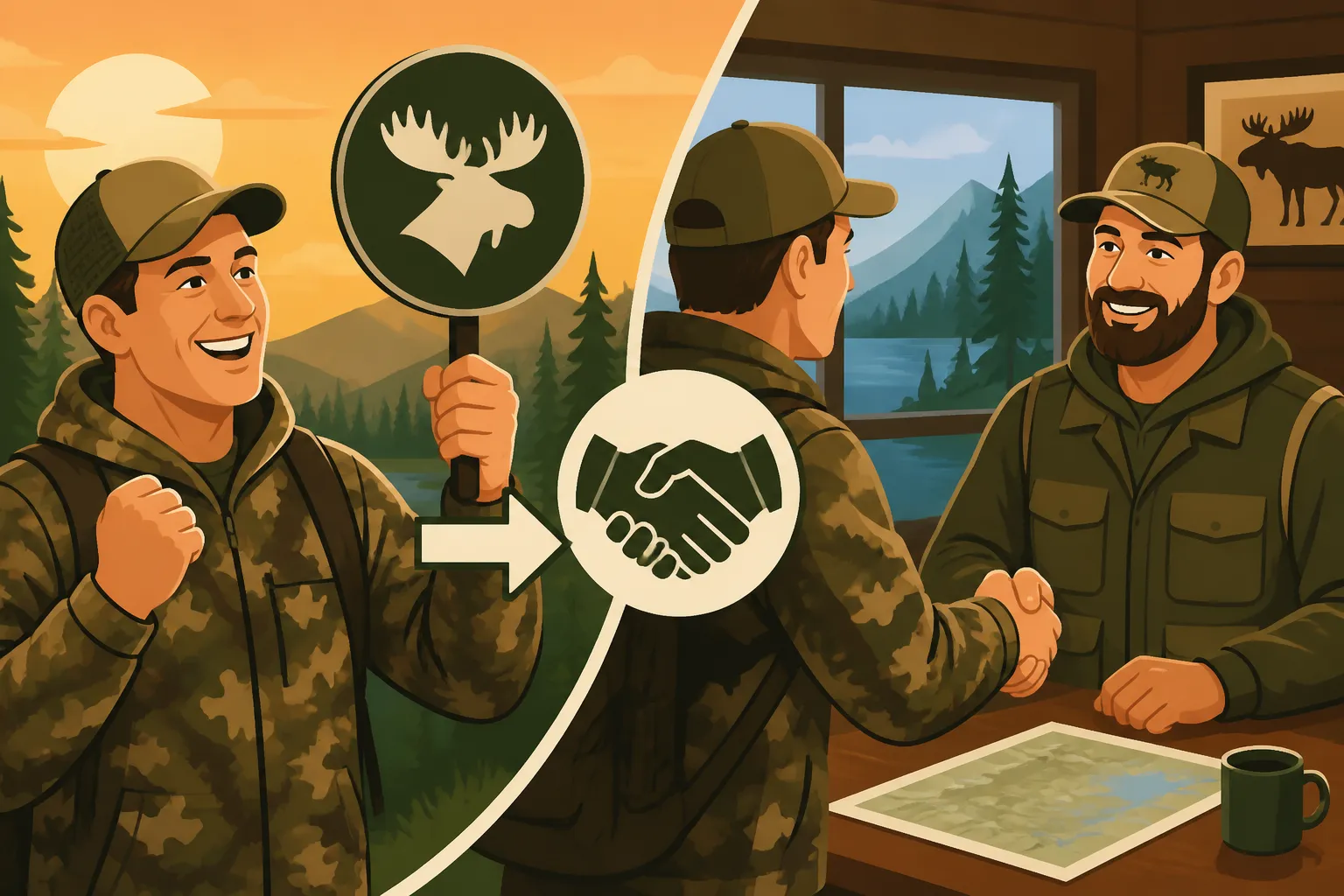
Booking a Guide After Winning the Moose Auction
Winning a Maine moose auction permit is an incredible achievement, a true once-in-a-lifetime opportunity for many. That initial rush of excitement often quickly turns into a whirlwind of logistics, especially when you realize the next crucial step: finding the right guide to help you capitalize on this amazing tag. This guide will walk you through everything you need to know about securing an experienced Registered Maine Guide to make your auction moose hunt a successful and unforgettable adventure.
Understanding Your Moose Auction Permit and the Need for a Guide
Securing a moose permit through the Maine moose auction isn't like drawing a regular lottery tag. It's often a significant investment, with the funds going to support conservation efforts in the state. This unique permit comes with its own set of considerations, and recognizing the value a seasoned guide brings to the table is paramount.
The Unique Nature of an Auction Permit
Unlike the thousands of permits drawn in the annual Maine moose lottery, auction permits are fewer in number and are often secured by individuals (or groups) willing to bid a substantial amount. These permits frequently offer a broader scope in terms of zones or weeks, sometimes even allowing for an "any-bull" harvest that might be restricted in general lottery zones. The charitable aspect is a huge draw, knowing your investment directly benefits Maine's wildlife. However, the higher financial commitment means there's often added pressure—and desire—to ensure the hunt is as successful as possible. You've invested in a dream, and now it's time to make it a reality.
Why a Registered Maine Guide is Invaluable for Auction Hunts
Hunting moose in Maine is a physically demanding and logistically complex endeavor. These animals are immense, the terrain can be unforgiving, and the weather is notoriously unpredictable. A Registered Maine Guide brings an unparalleled depth of local knowledge, years of experience tracking and calling moose, and the practical know-how to handle everything from camp setup in remote areas to the incredibly challenging task of field dressing and extracting a thousand-pound animal from the North Woods. For an auction permit, where your personal investment is so high, a guide isn't just a luxury; they are often the key to maximizing your chances of success and ensuring a safe, enjoyable, and efficient hunt. They know the subtle nuances of Moose Habitat in the North Woods and can often predict animal movement patterns that an outsider would completely miss.
The Timeline: When to Book Your Guide
You've won! Congratulations! Now take a deep breath, and then get ready to move quickly. The period immediately following the moose auction results is a critical window for securing your guide.
Immediate Action After Winning
This isn't a "think about it for a few weeks" kind of situation. As soon as those auction results are official, and you know you've secured a permit, you need to hit the ground running. The most sought-after guides, especially those with a proven track record in specific Wildlife Management Districts (WMDs) or during prime hunting weeks, book up incredibly fast. Many guides even have repeat clients who re-book years in advance. Delaying this process can mean missing out on the best talent and potentially settling for someone less experienced, which isn't ideal after the investment you've made in an auction permit. Have your funds ready, be prepared to make quick decisions, and start making calls. You can also explore reputable online platforms like BookYourHunt or GoHunt, which often list available guides and allow you to quickly send out inquiries to multiple outfitters.
What to Look for in a Guide Who Understands Auction Hunts
Choosing the right guide is about more than just finding someone with a valid license. You need a guide whose experience aligns with the unique demands of a Maine moose hunt, particularly one secured through an auction. First and foremost, look for a guide with extensive experience in the specific WMD that your auction permit is valid for. Local knowledge of the terrain, logging road access, and moose patterns within that zone is invaluable. Inquire about their success rates, not just overall, but specifically for moose hunters. Ask about their approach to field dressing and extraction; getting a moose out of the woods is often harder than finding one! Are they equipped with ATVs, Argos, or horses, or do they rely solely on brute strength and manpower? Consider their communication style – are they responsive, clear, and easy to talk to? Reviews from previous clients, often found on platforms like BookYourHunt, can offer candid insights into their professionalism and effectiveness. Don't be shy about asking for references, and always verify their Registered Maine Guide license status.
Navigating the Booking Process and Expectations
Once you've identified potential guides, the next phase involves direct communication, asking the right questions, and setting clear expectations. This is where you lay the groundwork for a successful partnership.
Initial Contact and Interviewing Potential Guides
Don't settle for the first guide who says they're available. Reach out to several potential guides and treat the initial conversations like an interview. This is a significant investment of time and money, and you want to ensure a good fit. Some critical questions to ask include:
- What's included in your moose hunt package? This needs to be crystal clear. Does it cover lodging, meals, transportation during the hunt, and initial field dressing and extraction? What about tracking dogs if necessary, or caping services for a taxidermist?
- What are your daily rates or package prices? Understand the total cost and any potential hidden fees.
- What are your success rates for moose hunters in my WMD? Be wary of guarantees; hunting is never a sure thing, but a high opportunity rate is a good sign.
- How do you handle meat and trophy logistics? This is huge. A large moose needs careful handling to preserve the meat and cape. Do they have cold storage? Do they assist with transportation to a butcher or taxidermist?
- What kind of camp setup do you offer? Is it a remote tent camp, a wall tent, a cabin, or a sporting camp? Understanding the creature comforts—or lack thereof—is important. Some guides operate out of established Maine Sporting Camps Explained.
- What's your pre-hunt scouting process? How do they prepare for your arrival?
- What's your cancellation policy? Life happens, so understand the terms for deposits and refunds.
- What gear do I need to bring? They should provide a detailed list.
Be sure to discuss your own physical capabilities, hunting style preferences (e.g., still-hunting, calling), and expectations for the hunt. An honest conversation upfront can prevent misunderstandings later.
Understanding Contract Details and Inclusions
Once you've settled on a guide, they should provide a written contract. Read it thoroughly! This document is your safeguard and outlines the agreed-upon services. Common inclusions in a guided moose hunt package might be:
- Lodging: Often a remote cabin, wall tent, or local motel/sporting camp.
- Meals: Typically all meals provided during the hunt dates.
- Transportation: From a designated meeting point to the hunting area, and daily transportation within the hunting grounds.
- Guide Services: Their time, expertise, and equipment for the duration of the hunt.
- Field Dressing & Initial Extraction: Getting the moose processed in the field and moved to a vehicle-accessible location.
However, it's equally important to understand what is not typically included, as these costs can add up quickly:
- Licenses and Permits: Your actual moose permit, hunting license, and any other required tags are almost always your responsibility. Remember to review Maine Hunting Licenses and What They Cost.
- Meat Processing: While the guide will field dress, full butchering and wrapping is usually an extra cost.
- Taxidermy: Costs for hide tanning and trophy mounting are separate.
- Personal Gear: Your clothing, boots, firearm or bow, ammunition, optics, and personal items are yours to provide.
- Tips: Tipping your guide is customary and highly recommended for good service. Discuss appropriate amounts with your guide or refer to industry standards.
- Travel to Maine: Your transportation to the state and to the guide's meeting point is your responsibility.
A good contract will explicitly detail these points. Don't hesitate to ask for clarification on any item. Remember, a guide provides an experience and maximizes your opportunity for a harvest; a guaranteed kill is unrealistic and unethical.
Preparing for Your Guided Moose Hunt
With your guide booked and details ironed out, it's time to shift your focus to personal preparation. A successful moose hunt is a partnership, and you need to hold up your end of the deal.
Physical and Mental Preparation
Moose hunting in Maine, even with a guide, can be incredibly demanding. You might be hiking miles through thick spruce-fir forests, traversing boggy terrain, or climbing steep ridges, often in cold, wet conditions. Don't underestimate the physical challenge of navigating the vastness of the North Maine Woods Gate System. Start a fitness regimen well in advance. Focus on cardio, strength training (especially your back and legs), and flexibility. Spend time walking in your hunting boots to break them in and identify any potential hot spots. Mentally, prepare for long days, potential discomfort, and the possibility that you might not harvest a moose, despite everyone's best efforts. The experience itself is the reward.
Gear, Logistics, and Communication with Your Guide
Your guide will likely provide a gear list, but here are some general categories to consider:
- Layered Clothing: Maine weather can change in an instant. Think wool or synthetic base layers, insulating mid-layers, and a waterproof/windproof outer shell. Blaze orange is legally required during firearms seasons; check How Much Blaze Orange Maine Requires.
- Footwear: Sturdy, waterproof, insulated hunting boots are non-negotiable. Break them in thoroughly.
- Optics: Binoculars are essential for spotting moose in heavy cover or across clear-cuts. A rangefinder is also useful.
- Firearm/Bow: Ensure your weapon is sighted in and you are proficient with it. Practice shooting from various positions you might encounter in the field.
- Safety Gear: A headlamp, first-aid kit, compass/GPS, and emergency fire starter are always good ideas.
Communicate openly and honestly with your guide. If you have any physical limitations, dietary restrictions, or specific preferences, let them know well in advance. Confirm your travel plans to Maine, your expected arrival time, and the designated meeting point. Consider reviewing resources like Packing for a North Woods Moose Hunt to ensure you haven't forgotten anything crucial. The more information your guide has, the better they can tailor the hunt to your needs and maximize your chances of success.
Guide Selection Factors for Maine Moose Auction Hunters
When choosing a guide for your highly anticipated Maine moose auction hunt, there are several key factors to weigh. This table summarizes some of the most critical elements to consider to ensure you pick the best partner for your adventure.
| Factor | Description | Why It's Important for Auction Hunts |
|---|---|---|
| WMD Specific Experience | The guide's intimate knowledge of your specific Wildlife Management District (WMD) – terrain, access points, moose patterns, and historical hot spots. | Your auction tag is tied to a specific zone; a guide who knows that WMD like the back of their hand is invaluable, maximizing your limited time in the field. |
| Moose Extraction Logistics | The guide's plan and equipment for field dressing, quartering, and safely extracting a massive moose from potentially remote, difficult terrain. | A moose can weigh over 1,000 pounds. Getting it out efficiently and preserving the meat is a monumental task. Understanding their methods (e.g., ATV, Argos, winch) is critical. |
| Communication & Personality | How well the guide communicates before, during, and after the hunt. Do your personalities mesh? Are they patient, experienced, and encouraging? | You'll spend significant time together. A good rapport and clear communication are crucial for managing expectations and enjoying the overall experience, especially with the high investment of an auction tag. |
| References & Reviews | The availability of recent references from past moose hunting clients and positive, detailed reviews on platforms like BookYourHunt or GoHunt. | Vetting their track record provides confidence in their abilities and professionalism. Hearing from others who had similar experiences can be reassuring. |
| Services Included & Contract Clarity | A comprehensive written contract detailing what is explicitly included (lodging, meals, transport, field care) and excluded (licenses, processing, taxidermy, tips). | With a high-value auction permit, you need absolute clarity on costs and services. No surprises. Ensure all expectations regarding the hunt's scope are explicitly laid out. |
| Safety Protocols | The guide's emphasis on hunter safety, emergency preparedness, and general first-aid knowledge in a remote setting. | The Maine woods can be unforgiving. A guide who prioritizes safety ensures your well-being, allowing you to focus on the hunt without unnecessary worry. |
| Pre-Hunt Scouting | The guide's commitment to scouting your WMD prior to your arrival, looking for fresh sign, rubs, and active feeding areas. | Pre-hunt scouting significantly boosts your chances, ensuring you hit the ground running in promising areas rather than spending valuable hunt time searching for fresh sign. |
By carefully considering these factors, you can significantly increase your odds of booking a guide who not only helps you fill your auction tag but also provides an unforgettable Maine hunting experience. It's an investment, but a well-chosen guide truly can make all the difference.
Disclaimer
This article is for general informational purposes only and does not constitute professional advice. Laws, prices and regulations vary by location and change over time. Consult a qualified professional for guidance on your specific situation.