Rattling and Grunting Maine Bucks
Rattling and grunting techniques help Maine deer hunters attract mature bucks during late October and mid-November rut windows.
Close the distance.
Archery, muzzleloader, and firearm techniques — calling, stand placement, still-hunting, spot-and-stalk, and the weapon rules that change at the state line.
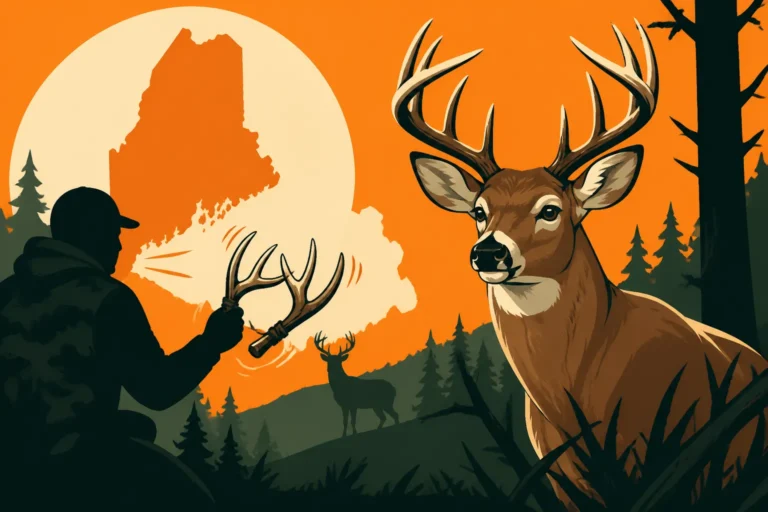
Rattling and grunting techniques help Maine deer hunters attract mature bucks during late October and mid-November rut windows.
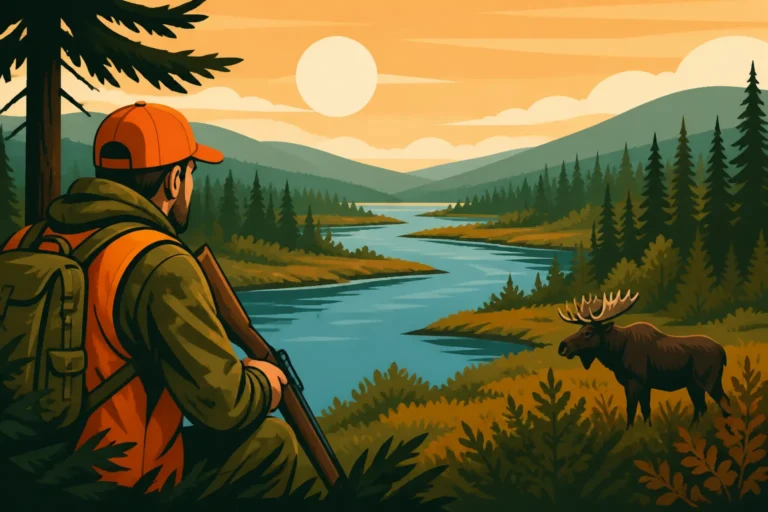
Maine deer and moose hunting along the Allagash Wilderness Waterway requires navigating remote waterways and complex wilderness regulations.
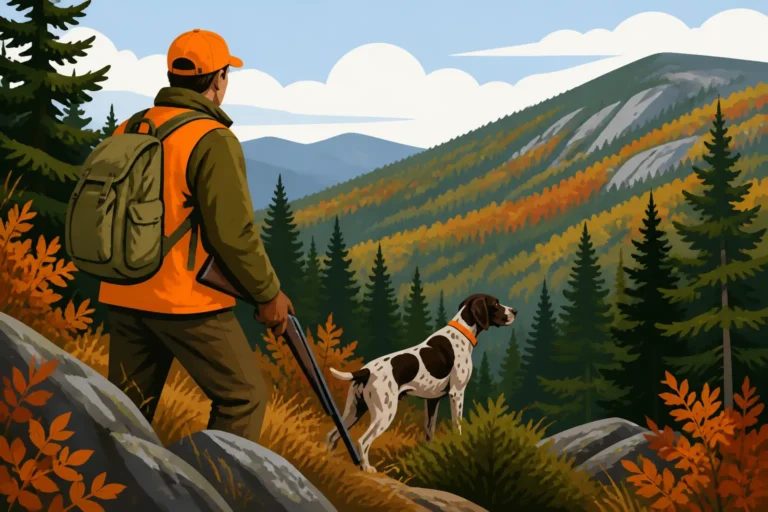
Still-hunting western Maine mountain slopes requires moving quietly, reading rugged terrain, and identifying core deer habitat.
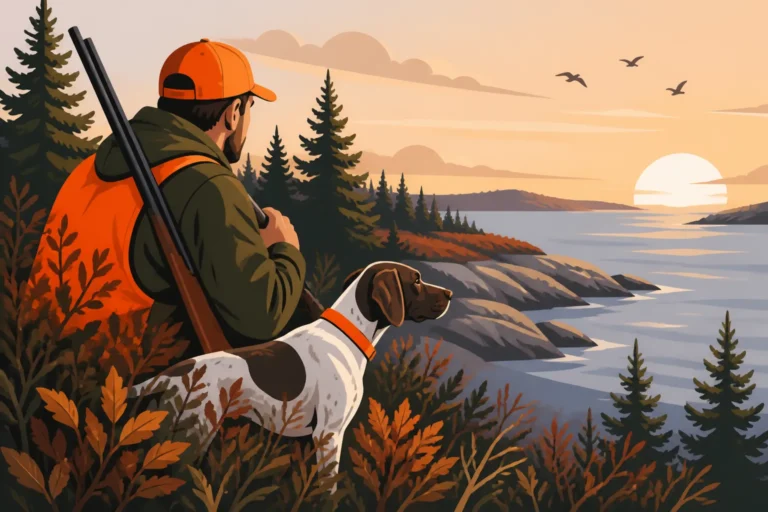
Downeast Maine coastal hunting strategies explain how to navigate tides, dense spruce forests, and rugged granite shorelines.
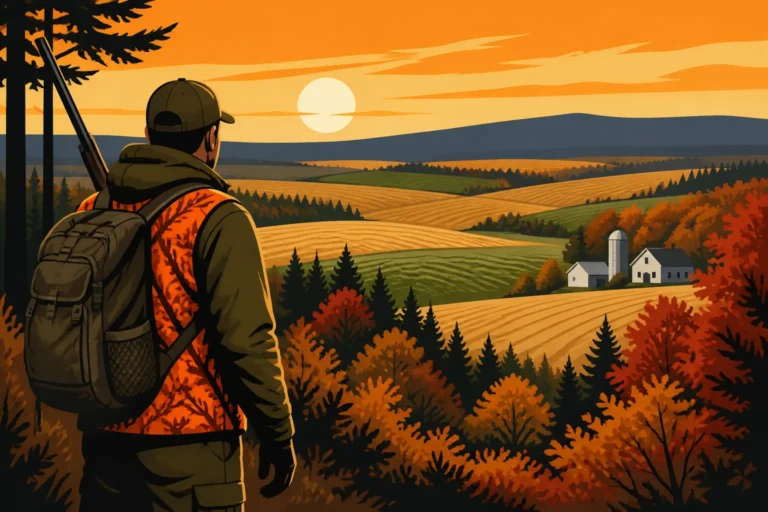
Still-hunting Aroostook County farmland requires specific strategies for navigating open landscapes and agricultural food sources.
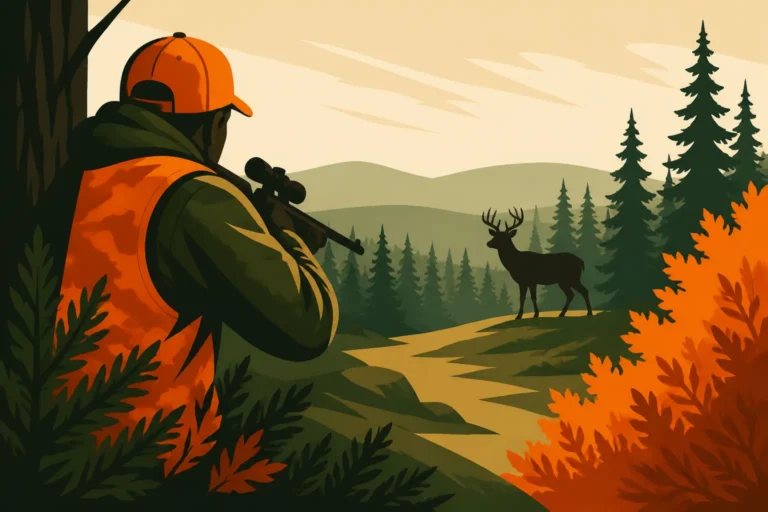
North Maine Woods checkpoint tract access rules, private timber company management, and gate fees for hunters in this forest.
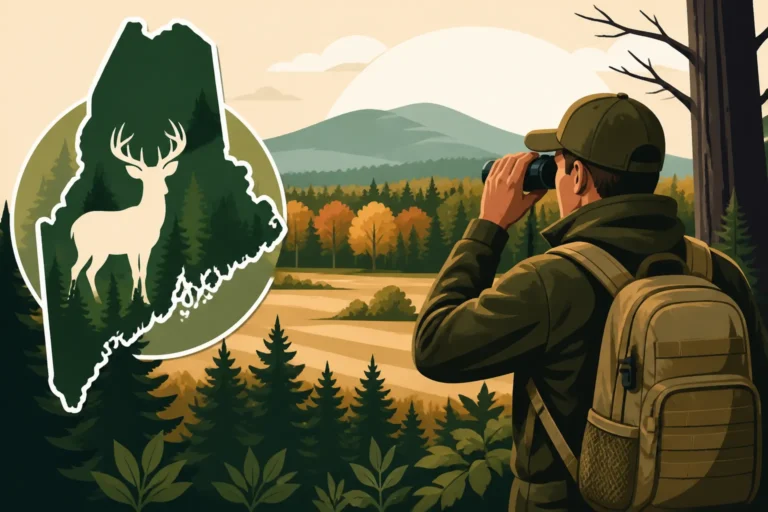
Maine private land scouting methods help hunters navigate implied permission traditions, posted signs, and respectful landowner relationships.

Maine trapping regulations, required licenses, season dates, and legal trap placement methods for furbearers are explained.
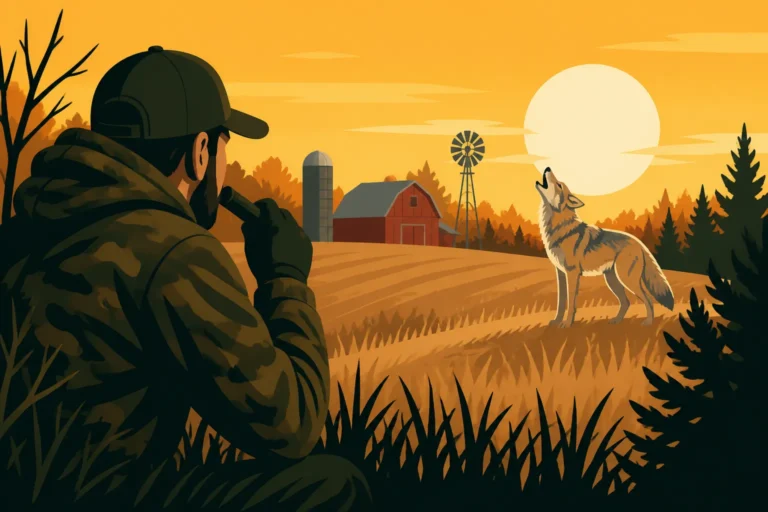
Coyote calling in Maine farm country helps farmers and hunters track predator behavior and movement patterns effectively.
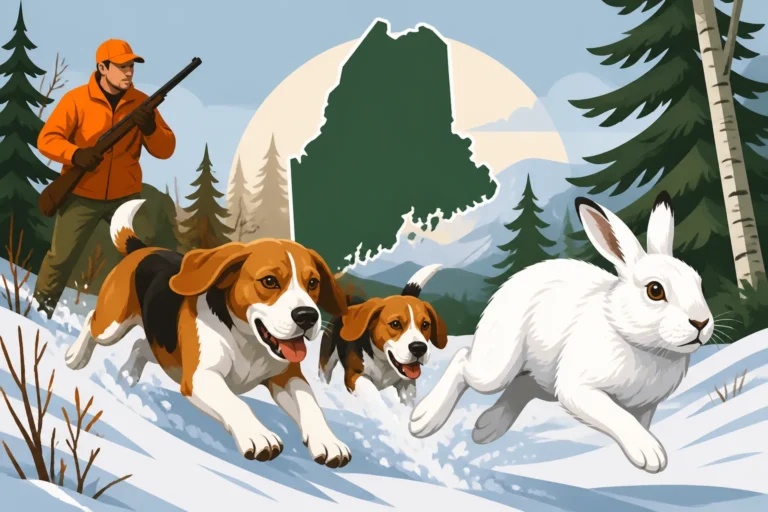
Maine snowshoe hare hunting with beagles transforms difficult winter tracking into a successful adventure in dense forests.