Hunting Downeast Coastal Cover
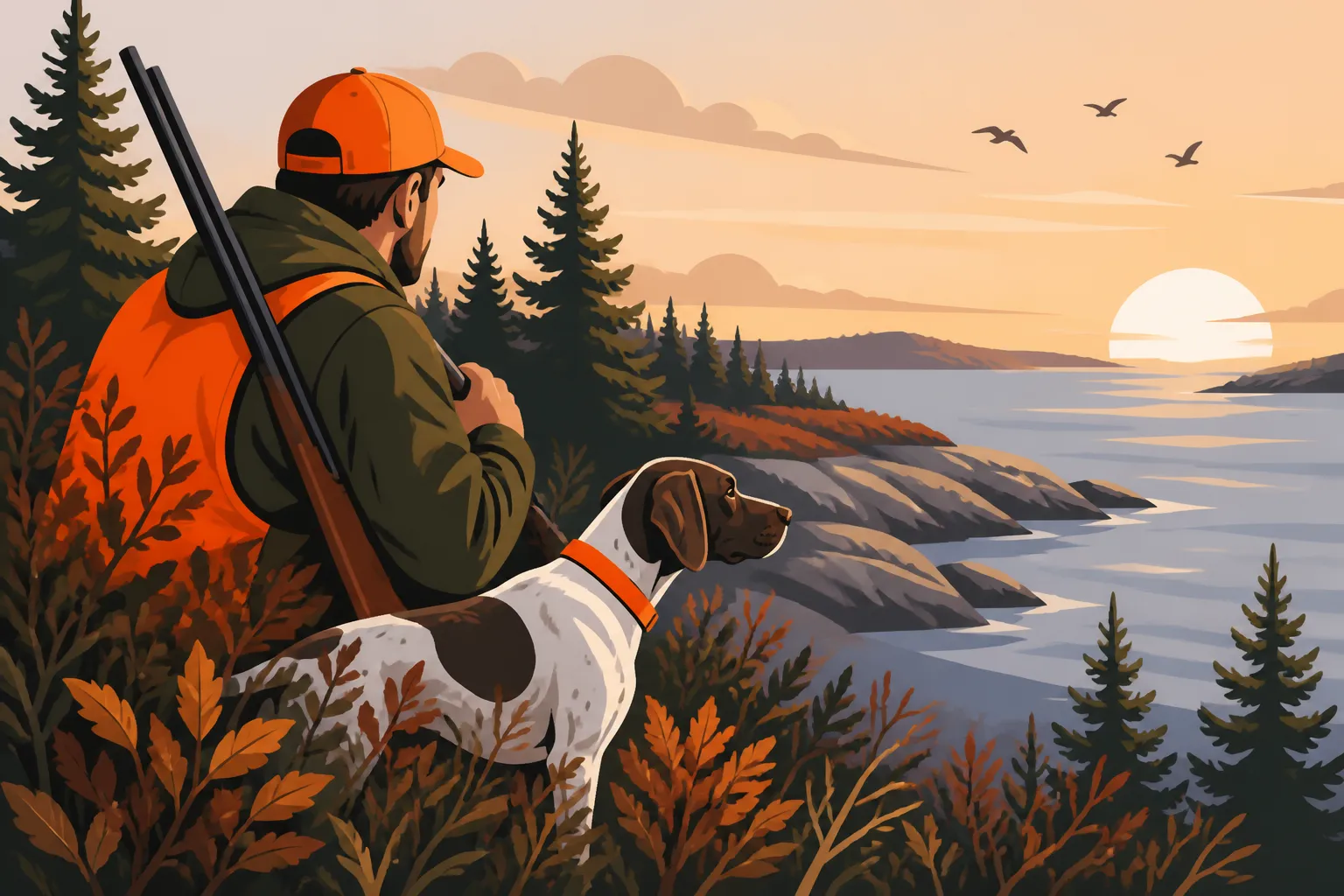
Hunting the Downeast coast of Maine presents a unique set of challenges and incredible rewards, a far cry from the expansive North Woods or the rolling farmlands of Aroostook. The dense, often impenetrable coastal cover, combined with the relentless influence of the tides, can feel utterly overwhelming if you're used to more traditional hunting grounds. This guide will peel back the layers of frustration and reveal how to successfully navigate and hunt the distinctive, rugged beauty of Downeast Maine's coastal environment.
Understanding the Unique Downeast Coastal Environment
The Downeast region, stretching from Penobscot Bay to the Canadian border, is a world unto itself when it comes to hunting habitat. It's a rugged tapestry woven from spruce-fir forests, granite outcroppings, vast blueberry barrens, and an intricate coastline riddled with tidal flats, salt marshes, and countless islands. This isn't your typical big timber country; it demands a different mindset and approach.
The Influence of Tides and Saltwater Marshes
One of the most defining characteristics of Downeast coastal hunting is the pervasive influence of the ocean's tides. Twice a day, the landscape transforms, revealing vast expanses of mudflats, sandbars, and rocky ledges at low tide, only to submerge them hours later. These tidal areas, particularly the expansive saltwater marshes, are critical food sources and travel corridors for a surprising array of wildlife. Deer will often utilize the firmer edges of these marshes, especially during low tide, to travel around dense thickets or access pockets of browse they couldn't reach otherwise.
Understanding the tide charts isn't just a suggestion; it's a fundamental safety and hunting strategy. Getting caught by a rising tide on an unfamiliar marsh can be dangerous, potentially cutting off your access or stranding you on a small island. Beyond safety, knowing the tides allows you to predict game movement. For example, ducks and geese will feed heavily on exposed flats at low tide, while deer might be pushed out of lower-lying areas as the water comes in. Planning your approach and exit based on the tide is paramount for success and safety.
Mixed Forest Types and Dense Thickets
Unlike the predominantly hardwood or pine forests inland, Downeast coastal cover is a mosaic of mixed forest types. You'll find dense stands of spruce and fir, particularly near the shore, interspersed with white pine, hemlock, and pockets of deciduous trees like oak, maple, and birch. What truly defines it, though, are the incredibly thick, often impenetrable tangles of regrowth, alder swamps, and blackberry brambles. These dense thickets, frequently found at the edges of clear-cuts or along old logging roads, provide unparalleled thermal and escape cover for deer, bears, and other game.
Hunting these areas often feels less like walking through a forest and more like pushing through a green wall. Visibility can be severely limited, sometimes to only a few yards, making still-hunting a slow, deliberate affair. These thickets are where many local deer spend their days, feeling secure from predators and hunters alike. Mastering the art of moving silently through this dense undergrowth, pausing frequently to listen and observe, is a skill honed over many frustrating hours.
Navigating Rocky Shorelines and Islands
The Downeast coastline is famous for its rugged, granite shorelines, plunging directly into the cold Atlantic. Between the mainland and the horizon, hundreds of islands dot the seascape, from tiny rock outcroppings to large, forested parcels. Many of these islands, both public and private, offer fantastic hunting opportunities, particularly for deer and sea ducks. However, accessing them requires specialized equipment and a keen understanding of marine conditions.
Navigating these rocky shorelines means paying constant attention to your footing, especially when wet from spray or rain. Slippery seaweed, loose rocks, and sudden drop-offs are common hazards. For island hunting, a reliable boat, proper navigation tools, and a full suite of safety gear are non-negotiable. Even on the mainland, stretches of the coast are best accessed by boat or kayak, allowing you to bypass dense, privately owned shoreline and reach hidden coves or public parcels that are otherwise inaccessible. Always be mindful of currents, wind, and sudden weather changes that can turn a calm morning into a treacherous afternoon.
Key Game Species Found in Downeast Coastal Cover
While the environment is unique, the game here is as diverse as it is challenging. Don't let the dense cover fool you; plenty of opportunities exist for the persistent hunter.
Whitetail Deer Adaptation to Coastal Habitats
Downeast whitetail deer are a testament to adaptation. They thrive in these coastal environments, utilizing the dense spruce-fir thickets for bedding and thermal cover, and foraging in the blueberry barrens, abandoned apple orchards, and the edges of tidal marshes. While the deer density might not be as high as in some of Maine's southern WMDs, the deer that do call this rugged coast home are often hardy and intelligent, having learned to evade predators in the unforgiving landscape.
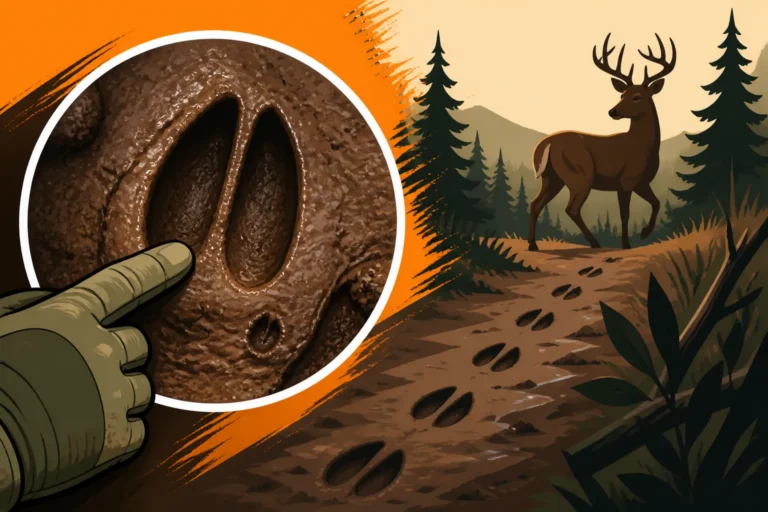
They'll often stick to the thickest cover, moving only during low light, and their travel patterns are heavily influenced by the availability of food and the necessity of navigating water. You'll find their tracks along muddy creek bottoms leading to tidal flats, through dense alder runs, and occasionally in the snow of a quiet spruce stand. Learning to identify these patterns and understand their movements relative to food sources like abandoned fruit trees or regenerating clear-cuts is key. Hunters often find great success by focusing on transition zones where dense cover meets a more open food source or a natural travel corridor like a small ridge or an old logging road.
Upland Birds and Small Game Opportunities
Beyond deer, Downeast coastal cover offers fantastic opportunities for Upland Bird and Small Game Hunting in Maine. Ruffed grouse and American woodcock thrive in the mixed forest edges, particularly where young alders and other deciduous growth meet thicker conifer stands. The numerous small clear-cuts, often left to regenerate, create ideal habitat for both species. Finding grouse often means walking old logging roads and the edges of these regenerating cuts, where they feed on berries and buds.
Woodcock, on the other hand, are migratory birds that pass through Maine in significant numbers, often preferring the soft, moist soils found along small streams, beaver flows, and the edges of coastal swamps. Their distinctive "singing grounds" in spring give away their presence, but in the fall, they can be found tucked into the alders and aspen stands. Snowshoe hare are also plentiful in the dense spruce and fir thickets, providing exciting winter hunting opportunities. These small game species offer a different pace of hunt and are a great way to experience the unique Downeast landscape even when deer hunting isn't the primary focus.
Waterfowl and Sea Ducks Along the Edge
For those drawn to the water, the Downeast coast is a prime destination for waterfowl hunting, especially Sea Duck Hunting the Maine Coast. Eiders, scoters, and long-tailed ducks (old squaw) winter in massive numbers along Maine's rugged coastline, feeding on mussels and other marine invertebrates. Hunting these birds often involves specialized equipment, including sturdy boats, numerous decoys, and a willingness to brave cold, often rough, conditions.
Beyond sea ducks, a variety of dabbling and diving ducks can be found in the more sheltered coves, estuaries, and inland freshwater ponds that dot the coastal plain. Black ducks, mallards, and various mergansers are common, offering diverse hunting experiences. Careful scouting is essential to find consistent concentrations of birds, and setting up blinds that blend seamlessly into the rocky shore or marsh edge is critical for success. Remember, migratory bird hunting requires specific state and federal stamps, so always ensure you have all your Maine Migratory Bird Certification in order before heading out.
Scouting and Accessing Coastal Hunting Areas
Effective scouting in Downeast Maine is far from a leisurely walk in the woods; it's an exercise in resilience and strategic planning. The challenges of dense cover and limited access mean you need to be thorough and prepared.
Utilizing Maps and Aerial Imagery for Coastal Reconnaissance
Before you even step foot in the woods, modern mapping tools are your best friend. Services like GoHunt, along with satellite imagery and topographic maps, are indispensable for pinpointing potential hunting spots in Downeast coastal cover. Look for variations in terrain: areas where thick spruce-fir gives way to more open hardwoods, the edges of blueberry barrens, old clear-cuts, or the winding paths of tidal creeks. Pay close attention to subtle elevation changes, as even a small ridge can act as a natural travel corridor for deer moving through otherwise flat, dense terrain.
When examining aerial photos, identify areas that provide the kind of dense cover deer crave. These often appear as dark, unbroken green patches. Then, look for "breaks" in that cover – old logging roads, small fields, or the edges of marshes – where deer might transition to feed. Understanding Reading Aerial Photos for North Woods Deer principles can be adapted here, focusing on the specific coastal features. Over time, you'll start to recognize patterns from the air that translate to productive hunting spots on the ground.
Identifying Key Food Sources and Travel Corridors
Downeast deer rely on a variety of food sources throughout the season. Early in the fall, they might be found in apple orchards, both cultivated and abandoned, or in patches of wild berries. As the season progresses, they'll shift to browse, acorns (where oak is present), and the lingering availability of Late-Season Food Sources for Maine Whitetails like cedar or hemlock browse. Scouting for these food sources is crucial. Look for droppings, tracks, and signs of browsing on preferred vegetation.
Travel corridors in Downeast coastal cover are often dictated by the terrain. Deer will use the path of least resistance: old logging roads, game trails along the edges of clear-cuts, small ridgelines, or the firmer ground bordering a swamp or marsh. On the coast, these corridors might also include paths through coastal spruce thickets that lead to fresh water or specific feeding areas. Finding a funnel where several of these travel routes converge, or where dense cover pinches down, can be an excellent location for a stand or blind. Be prepared to push through some serious brush to find these hidden gems.
Navigating Access Points and Landowner Permission
Access to prime Downeast hunting grounds often hinges on Getting Landowner Permission in Maine. While Maine has a strong tradition of implied permission on unposted private land, the coastal region often features more subdivided parcels, private residences, and posted properties. Always assume you need permission unless you are absolutely certain it's public land. Knocking on doors, being polite, and offering to share game or help with chores can go a long way in securing access.
Before your hunt, use mapping apps like GoHunt to clearly delineate property lines and identify potential access roads or trails. If hunting islands, verify ownership and permission status beforehand, as many are privately held. If you encounter posted land, respect the landowner's wishes without exception. Understanding Maine Trespass and Permission Law is critical for ethical and legal hunting. Many areas have limited public access, such as some of the smaller Maine Wildlife Management Areas or portions of Public Reserved Lands, so be sure to investigate these options.
Effective Hunting Strategies for Downeast Cover
Hunting Downeast coastal cover demands a flexible approach, combining elements of still-hunting, stand hunting, and even small drives, depending on the game and terrain.
Still-Hunting and Stand Placement in Dense Thickets
Given the nature of the dense cover, still-hunting becomes an art form. This isn't about covering ground quickly; it's about moving at a snail's pace, taking one or two steps, then pausing for several minutes to scan, listen, and truly absorb your surroundings. Think of yourself as a shadow, blending into the environment, letting the woods reveal themselves to you. Pay attention to wind direction and thermals, which can be tricky near the coast, often influenced by the cold ocean.
When it comes to stand placement in these thickets, forget about towering over the canopy. Often, a stand only needs to be 10-15 feet high to give you a clear shot over the immediate brush. Focus on pinch points, funnels, or areas where game trails converge. A natural transition zone, like the edge of a Hunting a Coastal Spruce Thicket and a blueberry barren, can be ideal. Concealment is paramount; ensure your stand is brushed in effectively, breaking up your outline against the dense background. Given the thick cover, shot opportunities might be fleeting and close-range, so practice quick, precise shooting.
Driving Small Woodlots and Island Edges
For deer in particularly dense, localized cover like small woodlots, peninsulas, or smaller islands, a well-executed deer drive can be highly effective. This typically involves two or more hunters: one or two "drivers" who slowly push through the cover, and "posters" positioned strategically at known escape routes. Communication is vital, often using radios or pre-determined signals. The goal isn't to blast through the woods, but to quietly encourage deer to move towards the posters.
When planning a drive, consider the terrain and wind. Deer will often try to circle back or escape downwind. On an island, the escape routes are more defined, often pushing deer towards the water's edge or a narrow neck of land. Safety is paramount; clear communication, understanding shooting lanes, and knowing where everyone is at all times are non-negotiable. This method is often employed when attempting to push a deer from a cedar swamp or particularly gnarly section of timber.
Decoying and Blind Hunting Waterfowl on Tidal Flats
Waterfowl hunting, especially for sea ducks, requires a specialized approach. Decoying Eiders Off the Maine Coast or other sea ducks involves setting up large spreads of rugged decoys, often anchored in strong currents. Your blind needs to be well-concealed, blending seamlessly with the rocky shore, a clump of seaweed, or a small island outcrop. Layout boats are also a common tool for hunting in open water, allowing hunters to position themselves close to feeding areas.
For puddle ducks in marshes or sheltered coves, a more traditional blind built from natural vegetation or a portable ground blind is effective. Understanding duck flight paths, especially in relation to the tide and wind, is crucial. Birds will often follow predictable patterns along the coast, flying low over water or along the edge of tree lines. Position your decoys to give them a natural landing zone within shooting range, and ensure your calling is realistic and timed appropriately. Always be aware of other boat traffic and safe shooting zones, especially in popular coastal areas.
Essential Gear and Safety Considerations for Coastal Hunts
Hunting Downeast coastal cover isn't just about strategy; it's about being prepared for the elements and the unique challenges this environment throws at you.
Clothing and Footwear for Wet, Rugged Terrain
The coastal weather in Maine can change on a dime, often swinging from calm sunshine to thick fog, rain, or even snow in a matter of hours. Layering is key. Start with a moisture-wicking base layer, add insulating layers, and top it off with waterproof and windproof outerwear. Materials like Gore-Tex or similar breathable waterproof fabrics are your best friends. Expect to get wet, whether from rain, sea spray, or pushing through dew-laden brush.
Footwear is perhaps the most critical gear choice. Waterproof, ankle-supporting boots are essential for navigating rocky terrain, muddy tidal flats, and wet forests. Many coastal hunters opt for knee-high rubber boots or even waders, especially when traversing marshes or crossing shallow tidal creeks. Given the rough ground, good traction is paramount to prevent slips and falls. Always pack an extra pair of dry socks and a change of clothes in a dry bag, just in case.
| Feature | Downeast Coastal Deer Sign | Interior Maine Woods Deer Sign |
|---|---|---|
| Rub Lines | Often on stunted spruce or fir, small diameter, low to the ground, sometimes on bayberry bushes. | More typically on larger saplings (maple, birch, pine), higher on the trunk, more defined. |
| Scrapes | Found along edges of marshes, old two-tracks, blueberry barren fringes, often under a low-hanging branch of a conifer. | Along logging roads, ridge lines, field edges, under branches of deciduous trees. |
| Trails | Wind through dense spruce/fir thickets, follow rocky ridges, parallel tidal creeks, sometimes through marsh grasses. | Generally follow contours, ridge lines, connect food/bedding, often more defined in mature timber. |
| Droppings | Often found near dense cover, transition zones, or old apple trees. Diet may include more coastal vegetation. | Found near mast crops (acorns), cedar swamps (winter), agricultural fields, varied forest browse. |
| Beds | Tucked deep into impenetrable spruce thickets, on small knolls overlooking marshes, sheltered from coastal winds. | Often in thick conifer stands, on ridge points, or in clear-cuts with dense regeneration. |
| Food Sources | Blueberry barrens, wild apples, cedar/hemlock browse, marsh grasses/forbs, occasionally seaweed. | Acorns, beechnuts, maple/birch browse, agricultural crops (corn, hay), clover plots. |
Navigation Tools and Emergency Preparedness
Getting lost in the dense, monotonous coastal cover or on a fog-shrouded island is a real possibility. A reliable GPS unit or a smartphone with robust offline mapping capabilities (like GoHunt) is essential. Carry a physical compass and map as a backup, and know how to use them. Mark your starting point and significant landmarks. Understand Maine Public Land Hunting Hours if you're on public property, as trespassing after hours can lead to issues.
Always carry a fully charged phone, but don't rely on cell service, which can be spotty or nonexistent in many Downeast areas. A satellite messenger device (like a Garmin InReach or Spot device) is a wise investment, allowing you to send emergency messages even without cell service. Pack a whistle, a fire starter, a first-aid kit, extra water, and high-energy snacks. Letting someone know your exact hunting plan, including your expected return time and specific area of operation, is an absolute must.
Understanding Tides and Marine Weather Safety
As mentioned, the tides are a critical factor in coastal hunting. Always check the tide charts for your specific area before heading out. Understand the difference between high and low tide, and plan your movements accordingly. Getting stranded by a rising tide can quickly turn a hunting trip into a survival situation.
Marine weather can be unforgiving. Sudden squalls, dense fog, and strong winds can appear with little warning. If you're hunting from a boat, ensure it's seaworthy and properly equipped with all required safety gear: life jackets for everyone, flares, a horn, and a marine radio. Monitor weather forecasts closely, and if conditions look questionable, err on the side of caution and stay ashore. No game animal is worth risking your life.
Disclaimer
Please note: Hunting regulations, license requirements, and season dates in Maine are subject to change. Always consult the official Maine Department of Inland Fisheries & Wildlife (MDIFW) website or their most current hunting lawbook before planning any hunt. This guide is for informational purposes only and does not supersede official state regulations.