Hunting a Muzzleloader Tag After Firearms Closes
Maine late-season muzzleloader hunting regulations, WMD dates, permit requirements, and deer tagging rules explained for hunters.
Close the distance.
Archery, muzzleloader, and firearm techniques — calling, stand placement, still-hunting, spot-and-stalk, and the weapon rules that change at the state line.

Maine late-season muzzleloader hunting regulations, WMD dates, permit requirements, and deer tagging rules explained for hunters.

Maine firearms deer season spans four weeks to balance herd management, spread out hunting pressure, and maximize hunter opportunities.

Maine deer hunting strategies during poor acorn years, including how to find alternative food sources and track nomadic whitetail movement.
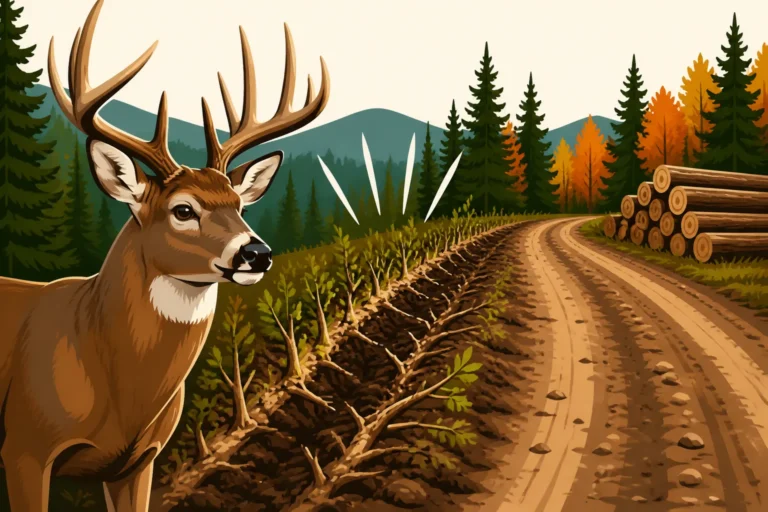
Active buck scrape lines along Maine logging roads provide hunters with concrete strategies to locate mature whitetail deer.
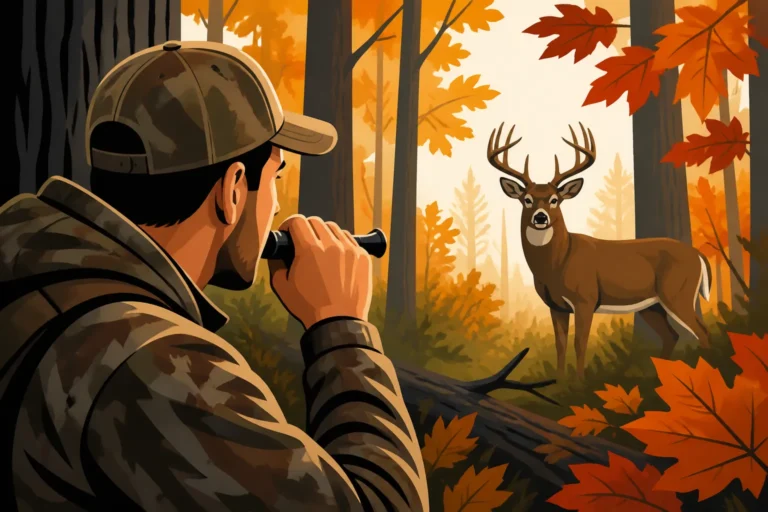
Grunt calls in mature Maine hardwoods require subtle timing to bring wary bucks into range during early November without spooking them.
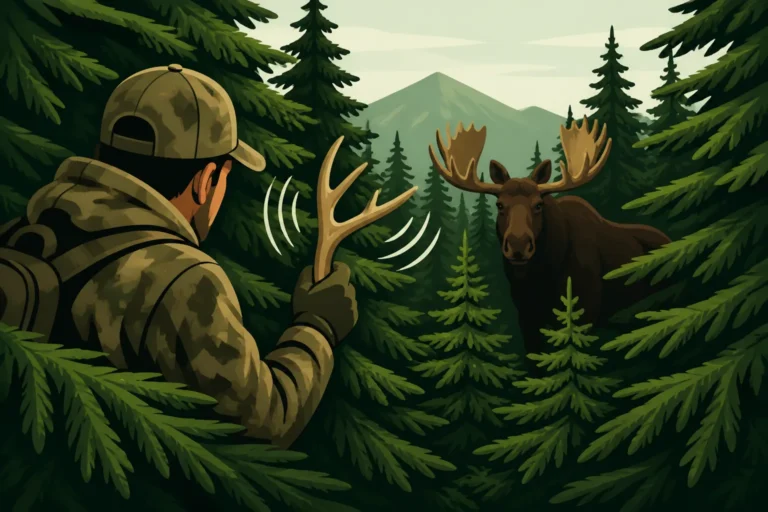
Adjusting rattling volume in thick Maine spruce cover helps hunters pull wary bucks out of dense evergreens and deep timberlands.
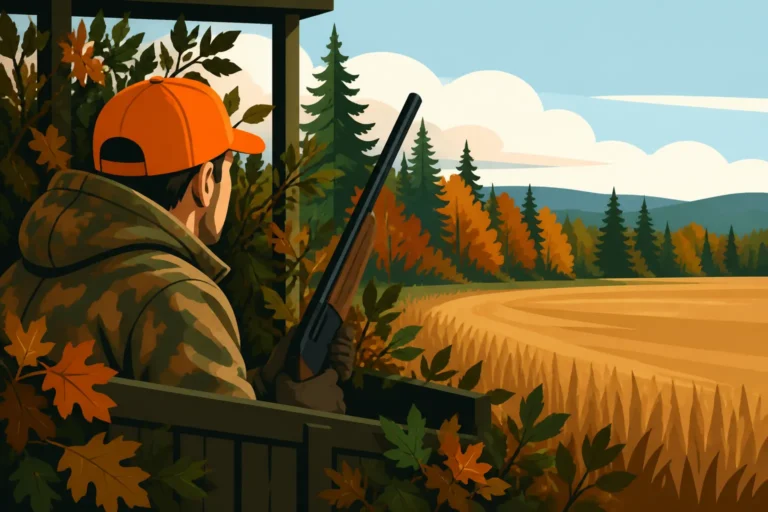
Maine ground blind camouflage techniques and native vegetation selection help hunters conceal setups against wary deer on field edges.
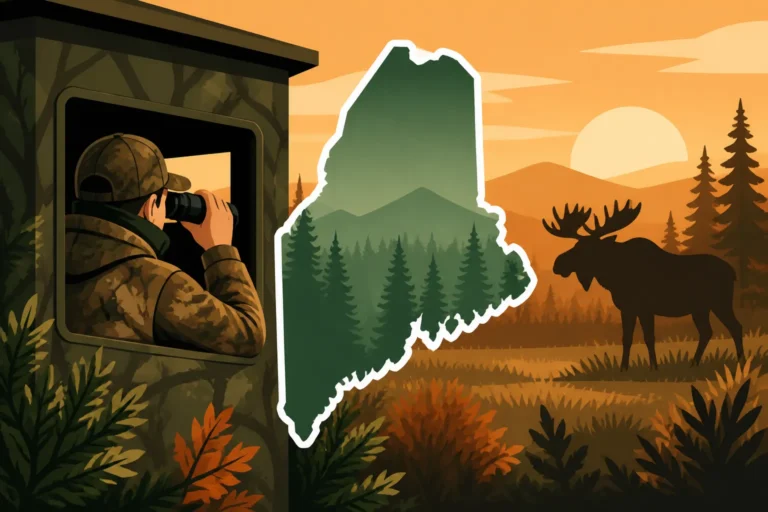
Maine hunting land access traditions and ground blind usage help hunters utilize unposted private property legally and respectfully.
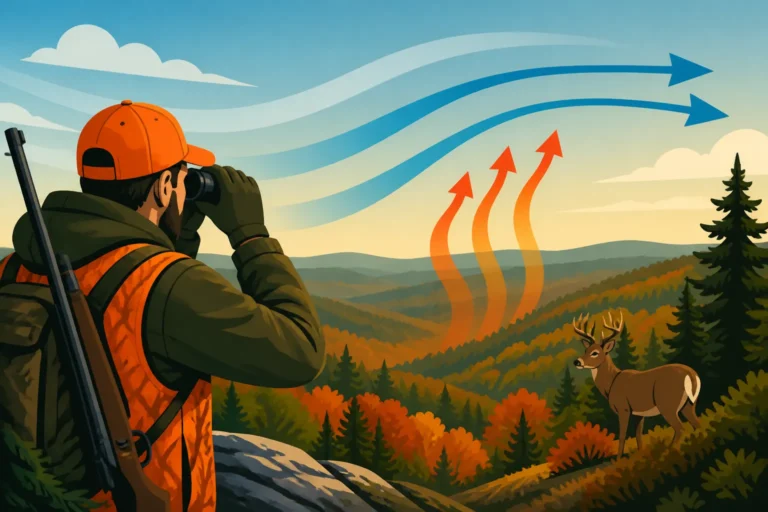
Wind and thermal currents in Maine hill country, explaining how topography, ridges, valleys, and milkweed seeds affect hunting scent.

Maine apple orchards serve as high-energy food sources that attract whitetail deer during archery and firearms hunting seasons.