Hunting a Maine Coastal Island for Waterfowl
Hunting Maine’s coastal islands for waterfowl isn't for the faint of heart, but for those who brave the elements, it offers an incredibly unique and rewarding experience. This guide will walk you through the nitty-gritty of planning, executing, and staying safe on a remote island waterfowl hunt, helping you understand the unique challenges and incredible rewards of pursuing sea ducks and other coastal birds in this wild environment.
Why Hunt Coastal Islands for Waterfowl?
There’s a special kind of hunter drawn to the raw, untamed beauty of Maine’s coastline, especially when it comes to chasing waterfowl. The very idea of setting up on a remote island, surrounded by nothing but the vast Atlantic and the cries of gulls, is an adventure in itself. It's a different world from marsh hunting or setting up on an inland lake, and it demands a whole new level of preparation and respect for nature.
The Allure of Remote Hunting
For many of us, the appeal of hunting coastal islands lies in the sheer solitude and the feeling of stepping back in time. You’re often miles from the nearest road, let alone another human. It’s an opportunity to truly disconnect and immerse yourself in the wild. Unlike some of the more accessible hunting grounds, these islands offer an untouched feeling, a chance to experience Maine's rugged beauty in its purest form. The birds you encounter here are often less pressured, presenting unique challenges and exciting opportunities. It's not just about filling a limit; it's about the entire journey, the planning, the boat ride, the battle against the elements, and the quiet satisfaction of a hard-earned bird. This sense of remoteness is exactly what keeps hunters coming back year after year, seeking that ultimate coastal experience.
Target Species and Unique Habitat
Maine's coastal islands are prime real estate for a variety of sea ducks, making them a true paradise for the dedicated diver hunter. You’re primarily targeting Common Eiders, Scoters (Black, Surf, and White-winged), and Long-tailed Ducks. These species thrive in the turbulent, salty waters around these islands, finding abundant food sources like mussels, clams, and various marine invertebrates on the rocky ledges, tidal flats, and mussel beds that encircle these landmasses. The islands themselves offer vital resting areas, shelter from harsh winds, and loafing spots between feeding forays.
The specific geography of a particular island—its exposure to the open ocean, the presence of sheltered coves, the depth of surrounding waters, and the type of ledges it boasts—will often dictate which species frequent it most. For example, Eiders on the Maine Coast often prefer more exposed, rocky areas where they can dive for mussels, while Scoters on the Maine Coast might be found in slightly more sheltered bays or further offshore. Long-Tailed Ducks Wintering Off Maine are often found a bit further out from shore in deeper waters but will utilize island features for rest. Understanding these habitat preferences is key to selecting the right island and setting up your spread effectively. It’s a dynamic environment, constantly shifting with tides and weather, which means every hunt is a new puzzle to solve.
Navigating Access and Planning Your Island Adventure
Venturing out to a coastal island isn't a spur-of-the-moment decision. It requires meticulous planning, a deep understanding of marine conditions, and proper respect for property rights. Skipping these steps can lead to anything from a frustrating day of no birds to a genuinely dangerous situation.
Researching Island Ownership and Permission
One of the first and most critical steps before even thinking about packing decoys is to thoroughly research the ownership of the island you intend to hunt. Maine's coast is a patchwork of private islands, state-owned islands, islands managed by conservation organizations like the Maine Coast Heritage Trust, and federal lands. Unlike the mainland's implied permission tradition, island ownership can be tricky, and trespass is a serious offense. You simply cannot assume access.
Tools like GPS mapping apps, such as onX Hunt, are absolutely invaluable here. They allow you to overlay property lines onto detailed satellite imagery and nautical charts, helping you identify who owns what. Once you've pinpointed the owner, you must make an effort to contact them and secure explicit permission. Even for seemingly uninhabited islands, there's almost always an owner. Some private owners are generous, while others prefer their property remain undisturbed. State-owned islands generally allow public access, but it's always wise to check with the Maine Department of Inland Fisheries and Wildlife or the Bureau of Parks and Lands for any specific regulations or restrictions for a given location. Don't be that hunter who ruins access for everyone else by ignoring these critical steps. It’s not just about legality; it’s about common courtesy and ensuring future hunting opportunities. If you're unsure about the process, checking out Getting Landowner Permission in Maine or Do You Need Written Permission in Maine? can offer more guidance.
Understanding Tides, Weather, and Boat Safety
The Maine coast is beautiful but unforgiving, and understanding its dynamics is paramount to a safe and successful island hunt. Tides, weather, and boat safety aren't just suggestions; they are non-negotiable considerations.
First, tides. You absolutely need to consult tide charts for your specific area. A high tide might allow easy access to an island's rocky shore, but a rapidly falling tide can leave your boat stranded on a mudflat or exposed ledge for hours, or even overnight. Conversely, a rising tide can swamp a low-lying decoy spread or cut off your egress route. Understanding the tidal range and timing your arrival and departure accordingly is crucial. This is especially true if you plan on Decoying Eiders on a Falling Tide or hunting other species that feed heavily during specific tidal movements.
Second, marine weather. Coastal weather can change in a heartbeat. A calm morning can quickly turn into a raging gale with heavy seas, fog, or freezing rain. Always check the marine forecast meticulously before you leave and have a way to monitor it throughout the day. Never take unnecessary risks. A small craft advisory, even a distant one, should give you serious pause. Hypothermia is a real and deadly threat in Maine's cold waters, even in mild air temperatures.
Finally, boat safety. Your boat is your lifeline. It must be seaworthy, properly maintained, and equipped for offshore conditions. This means having all required safety gear (life jackets for everyone, flares, sound-producing devices, throw cushions, fire extinguisher), a reliable engine (and ideally, a kicker motor), a VHF radio, and a GPS. Let someone know your float plan – where you're going, when you expect to return, and who is with you. Overloading your boat or venturing too far offshore in an underpowered or ill-equipped vessel is a recipe for disaster. The ocean demands respect, and a failure to plan is a plan to fail.
Essential Gear and Setup for Island Hunts
Once you’ve navigated the planning and access hurdles, it’s time to think about what you’ll need to bring to make your island hunt effective and, crucially, safe. This isn’t a run-and-gun deer hunt; specialized equipment is necessary for the unique challenges of the marine environment.
Specialized Decoys and Spreads
Hunting sea ducks around coastal islands demands a specific type of decoy and a thoughtful approach to spread design. Traditional puddle duck decoys simply won't cut it in the often-rough, current-swept waters. You need heavy-keeled, robust decoys that can ride the waves and withstand strong currents without flipping or dragging away. Many serious sea duck hunters opt for specialized diver decoys, often larger than typical blocks, that mimic the darker, more robust appearance of eiders, scoters, or long-tailed ducks.
The way you rig and deploy your decoys is also critical. Long lines are a popular choice, allowing you to string multiple decoys together on a single main line with short leaders. This setup makes deployment and retrieval more efficient and helps keep your spread intact in challenging conditions. Rafts of decoys, mimicking a group of birds resting on the water, can also be highly effective. Consider the currents and the prevailing winds when setting your spread; you want your decoys to look natural and visible, often positioning them "up current" from your blind so incoming birds will naturally swim or fly towards them. Pay attention to the water depth, too – you don’t want your decoys grounding out on shallow ledges, nor do you want them so far offshore that they are hard to see or retrieve. Some hunters also use flags or spinning-wing decoys to attract attention from afar, but their effectiveness can vary greatly with wind and sea conditions.
Critical Clothing, Safety, and Survival Gear
Maine’s coastal weather is notoriously fickle and can turn from sunny to sideways sleet in a matter of minutes. When you’re miles from shore on an exposed island, proper gear isn't just about comfort; it's about survival. Layering is absolutely paramount. Think in terms of a moisture-wicking base layer, insulating mid-layers (fleece or down, even synthetic materials are excellent if they get wet), and a completely waterproof and windproof outer shell. This includes waterproof pants, a durable jacket, and sturdy, insulated, waterproof boots. Many hunters also swear by a full floating suit or dry suit, which provides both insulation and buoyancy in case of an accidental dip into the frigid Atlantic.
Beyond clothing, a comprehensive safety and survival kit is non-negotiable. This should include:
- Dry Bags: To keep all your essential electronics, extra clothing, and food completely dry.
- Emergency Signaling: A reliable VHF marine radio (even if you have a cell phone, service can be spotty on islands), flares, an air horn, and a signaling mirror.
- First-Aid Kit: Well-stocked with supplies for cuts, scrapes, hypothermia, and any personal medications.
- Navigation: A GPS unit (handheld or marine chartplotter) with up-to-date charts, and a backup compass and paper chart.
- Repair Kit: Tools for minor boat repairs, spare prop, shear pins, and extra fuel.
- Fire Starter: Waterproof matches, lighter, or a ferro rod.
- Headlamp/Flashlight: With extra batteries, crucial if you're retrieving birds after dark or launching/landing in the predawn gloom.
- Food and Water: More than you think you'll need, in case you get stranded.
Remember, a mishap on a remote island is far more serious than one on an inland pond. Self-reliance is key. You might also consider bringing a Layout Boat Hunting the Maine Coast if your specific hunting situation calls for it, but always be aware of the added safety considerations that come with smaller craft on open water.
Here’s a quick overview of essential gear:
| Category | Item | Notes |
|---|---|---|
| Decoys | Heavy-keeled Sea Duck Decoys | Eider, Scoter, Long-tailed Duck; at least a dozen. |
| Long Lines/Anchor System | For efficient deployment and retrieval in current. | |
| Extra Anchors/Weight | For securing boat, decoys, or blind in high winds/currents. | |
| Clothing | Layered Insulating Clothing | Wicking base, fleece/down mid-layers. |
| Waterproof/Windproof Outerwear | Jacket, pants, gloves, hat. | |
| Insulated Waterproof Boots | Waders or tall rubber boots. | |
| Floating Suit / Dry Suit | Highly recommended for cold water safety. | |
| Boat & Safety | Seaworthy Boat (with kicker) | Reliable engine, appropriate for marine conditions. |
| PFDs (Life Jackets) | One for every person on board, easily accessible. | |
| VHF Marine Radio (and cell phone) | Essential for communication, NOAA weather updates. | |
| GPS & Paper Chart/Compass | Primary navigation and backup. | |
| Flares, Air Horn, Signaling Mirror | Emergency signaling devices. | |
| First-Aid Kit | Comprehensive, waterproof container. | |
| Dry Bags | To protect electronics, clothing, food. | |
| Anchor & Line | Adequate size for boat and conditions. | |
| Bilge Pump | Manual and/or electric. | |
| Tool Kit & Spare Prop/Shear Pins | For emergency repairs. | |
| Fire Extinguisher | Marine approved. | |
| Throw Cushion/Ring | For overboard recovery. | |
| Hunting Acc. | Shotgun & Ammunition | Non-toxic shot (steel, bismuth, tungsten) is mandatory. |
| Hard-Sided Gun Case | Protects firearm from salt spray. | |
| Cooler/Game Bag | For harvested birds. | |
| Binoculars | For scouting distant birds, checking offshore conditions. | |
| Retriever Dog (if applicable) | With a dog vest for protection. | |
| Headlamp/Flashlight | With extra batteries. | |
| Thermos with Hot Drinks | Essential for warmth. | |
| High-Energy Snacks & Water | More than you think you need. |
Executing Your Hunt and Ethical Considerations
With all the planning and gear in place, the moment you’ve been waiting for arrives. But the hunt itself on a coastal island presents its own set of challenges, from finding the perfect blind spot to safely retrieving your birds in potentially rough seas.
Blind Placement and Shot Angles
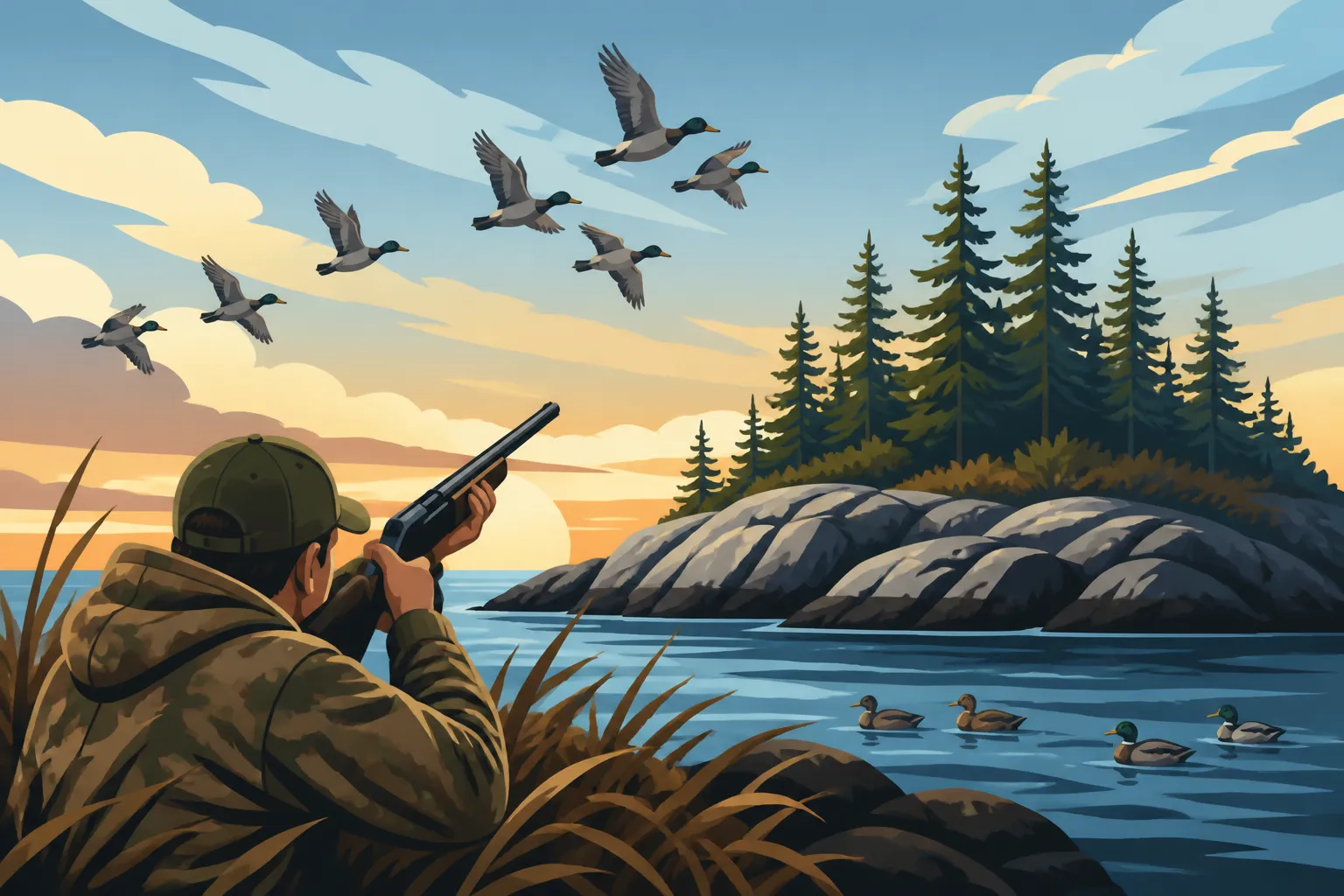
Unlike a cozy marsh blind, island hunting often means working with what nature provides. Look for natural cover that breaks up your silhouette against the sky and blends with the island's features. This could be a cluster of spruce trees, a rise in the rocky shore, or even large boulders. The key is to be concealed from incoming birds, which will often approach low over the water. Position your blind so you have good visibility of your decoy spread and an unobstructed shooting lane.
Consider the prevailing winds and how they influence bird flight paths. Ducks almost always land into the wind, so understanding its direction will help you predict their approach and set up for optimal shot angles. You want birds working into your spread, ideally within easy range, but also in a position where retrieval is feasible. If you're using a small boat as a blind, anchoring it securely in a strategic location is critical. Also, think about the angle of the sun at different times of the day; you generally want the sun at your back, making it harder for birds to spot you and easier for you to see them. Getting this setup right is a delicate balance of concealment, shot opportunity, and safe retrieval.
Retrieval Challenges and Responsible Hunting
Retrieving downed birds in the open ocean around a rocky island is often the most challenging part of the hunt, and it’s where safety truly comes into play. A strong current can quickly sweep a bird away, and rough seas make boat maneuvering tricky and dangerous. This is why having a well-trained retriever dog can be an absolute game-changer. A good dog, outfitted with a protective vest for the cold water, can often reach birds that would be impossible or unsafe for a human to retrieve.
If you don't have a dog, your boat becomes your primary retrieval tool. Never, ever take unnecessary risks to chase a downed bird. No duck is worth a life. Make sure your boat operator is experienced in rough water and that you have a reliable gaff or long-handled landing net to scoop birds from the water. Always have a clear plan for retrieval before you take a shot. Consider the direction of the current and wind; if a bird is going to drift quickly into dangerous rocks or out to sea, it might be better to let it pass.
Responsible hunting also extends beyond retrieval. Adhere strictly to Maine Sea Duck Bag Limit and Maine Sea Duck Coastal Zone Line regulations. Be mindful of your impact on the environment. Pack out absolutely everything you pack in, including spent shotgun shells, food wrappers, and any other trash. Leave no trace that you were there, preserving the wild beauty of these islands for future generations and ensuring continued access for responsible hunters. A truly successful island hunt is one where you come home safe, with birds in the bag, and the island left just as pristine as you found it.
Disclaimer
This article is for general informational purposes only and does not constitute professional advice. Laws, prices and regulations vary by location and change over time. Consult a qualified professional for guidance on your specific situation.