Maine Mentored Youth Hunting Rules
The desire to pass on the traditions of hunting, the quiet moments in the woods, and the satisfaction of ethical harvesting runs deep for many Maine hunters. However, taking a youngster afield for the first time can feel like a monumental task, especially with the weight of ensuring safety and adhering to all the regulations. Maine's Mentored Youth Hunting Program is specifically designed to ease this transition, offering a structured, safe, and legal pathway for young, aspiring hunters to experience the outdoors under the watchful eye of an experienced mentor. This guide will help you understand every aspect of these crucial rules, so you can focus on building lifelong memories.
Understanding Maine's Mentored Youth Hunting Program
The Mentored Youth Hunting Program in Maine is a true gem, crafted with the understanding that learning to hunt is best done hand-in-hand with someone who already knows the ropes. It's not just about pulling a trigger; it's about understanding the land, respecting wildlife, and embracing the ethics that define responsible hunting. This program allows young folks, even those who haven't completed their full hunter education course yet, to gain practical, real-world experience.
What is Mentored Youth Hunting?
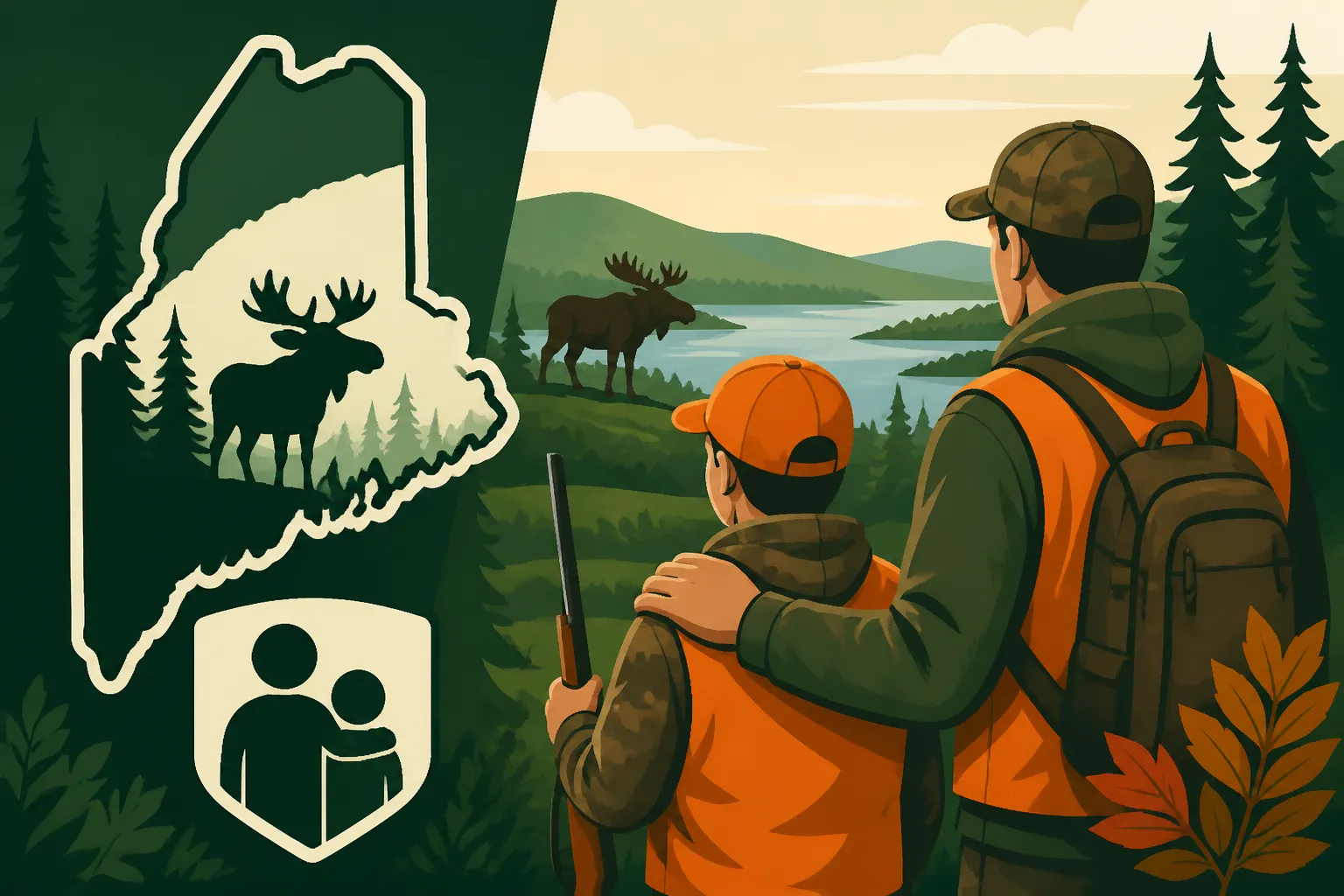
At its core, mentored youth hunting is a carefully supervised experience where a licensed adult hunter takes an unlicensed youth into the field. The adult acts as the "mentor," and the youth is the "apprentice hunter." This isn't just a casual outing; there are specific legal requirements regarding proximity, supervision, and safety that both parties must adhere to. The goal is to provide hands-on training that goes beyond what can be taught in a classroom, giving the apprentice a taste of what hunting truly entails—from scouting to tracking and ethical shot placement. It's about bridging the gap between theory and practice, building confidence, and instilling a deep respect for nature.
The Philosophy Behind the Program
Maine's Department of Inland Fisheries and Wildlife (MDIFW) designed this program with several key philosophies in mind. First and foremost is safety. By requiring direct, constant supervision, the program minimizes risks inherent in hunting, especially for those new to firearms or archery equipment. Secondly, it's about education. While a full hunter education course covers vital topics, nothing replaces the practical wisdom passed down from an experienced hunter in the field. This mentorship fosters a direct learning environment, allowing for immediate questions and real-time instruction on everything from animal behavior to reading the wind. Lastly, it’s about preserving Maine’s rich hunting heritage. Many of us grew up learning from our parents, grandparents, or other family members, and this program ensures that tradition can continue, even if formal hunter education hasn't been completed yet. It allows for that crucial first step into the hunting world without undue bureaucratic hurdles, ensuring that the passion for the outdoors can be ignited early.
Age Requirements for Apprentice Hunters
One of the most appealing aspects of Maine's Mentored Youth Hunting Program is its flexibility regarding age. Unlike some states that have higher age minimums, Maine allows very young individuals to participate as apprentice hunters. Specifically, a person under 16 years of age can participate. This means that a child as young as 10 or 12, who might be bursting with curiosity about hunting but isn't yet old enough or ready for the full Hunter Education course, can still join in the experience. However, it's critical to note that the mentor must be at least 18 years old and hold a valid Maine hunting license for the species being hunted. The younger age limit for apprentice hunters allows parents and guardians to introduce their children to hunting at an age when they are often most receptive to learning and establishing a connection with the outdoors, fostering a bond over shared experiences.
Eligibility and Requirements for Mentors and Apprentices
The success and safety of the Mentored Youth Hunting Program hinge on clear guidelines for who can participate and what their responsibilities are. It’s not just about showing up with a youngster; both the mentor and the apprentice have specific criteria they must meet to ensure a legal and meaningful experience.
Mentor Qualifications and Responsibilities
Becoming a mentor in Maine's program is a significant responsibility, and rightfully so. To qualify as a mentor, you must be at least 18 years of age and possess a valid Maine hunting license for the current year and for the specific type of game being hunted. For example, if you're mentoring for deer, you need a valid deer hunting license. If it's turkey, you need a valid turkey permit. This ensures that the mentor is already a legal, knowledgeable hunter. Beyond the license, the mentor's responsibilities are paramount. They must remain within a direct, unaided verbal communication distance of the apprentice at all times while hunting. This isn't just about being in the same general area; it means being close enough to give immediate instructions, correct errors, and ensure safety without shouting or using electronic devices. The mentor is also legally responsible for any game harvested by the apprentice hunter, including tagging and registration, even though the apprentice may assist. Furthermore, the mentor is expected to instill ethical hunting practices, wildlife identification skills, and responsible firearm or bow handling. They are the primary teacher, safety officer, and role model all rolled into one.
Apprentice Hunter Eligibility
For the apprentice hunter, the eligibility is quite straightforward. The program is open to individuals under 16 years of age. The crucial point here is that they do not need to have completed a hunter education course or possess a standard hunting license. This is the cornerstone of the mentored program, allowing early entry into the field. However, they must obtain an "Apprentice Hunter License." There are no residency requirements for the apprentice, meaning non-resident youth can also participate, making it a great option for families visiting Maine who want to introduce their kids to hunting. The program is designed to be accessible, fostering a love for the outdoors from a young age, before the commitment of a full hunter education course is required. It's also important to note that while the apprentice doesn't need formal education, the mentor is responsible for ensuring the apprentice understands and follows all safety rules and hunting regulations.
The Apprentice Hunter License
The Apprentice Hunter License is a specific type of permit that enables a youth to participate in the mentored program. It's a foundational document that signifies their legal ability to hunt under direct supervision. This license is generally inexpensive and can be purchased through the MDIFW online portal, at local licensing agents, or by mail. When you're looking into Maine hunting licenses and what they cost, you'll find this option clearly listed. Unlike a full hunting license, it explicitly states that the holder must hunt under the direct supervision of a qualified mentor. This license is valid for all legal hunting seasons for which the mentor holds a valid license, except for the moose lottery. It acts as the apprentice's formal permission slip to be in the field, making sure that while they are learning, they are doing so within the bounds of the law. It’s a crucial step that demonstrates a commitment to the program and allows the state to track participation and ensure compliance. Remember to carry proof of this license when afield!
| Requirement / Role | Mentor | Apprentice Hunter |
|---|---|---|
| Minimum Age | 18 years old | Under 16 years old |
| License Required | Valid Maine hunting license for species hunted (e.g., Maine's Four-Week Firearms Deer Season, Spring Turkey Hunting in Maine, etc.) | Apprentice Hunter License |
| Hunter Ed Req. | Yes (unless exempt by age or prior license) | No, but mentor must have it or be exempt |
| Supervision | Must be within direct, unaided verbal communication distance, legally responsible for apprentice's actions | Must remain within direct, unaided verbal communication distance of mentor, follow all mentor instructions |
| Legal Game | Any game for which mentor is licensed and in season | Any game for which mentor is licensed and in season |
| Blaze Orange | Required as per regulations | Required as per regulations |
| Harvest Tagging | Mentor is legally responsible for tagging and registration | Apprentice may assist, but mentor ensures compliance (e.g., Maine Deer Registration Requirements) |
Key Rules and Regulations for Mentored Hunts
Hunting in Maine, especially with a young apprentice, requires a thorough understanding of the regulations to ensure both safety and legality. The state has put specific rules in place for mentored hunts that differ slightly from solo or adult-only hunts.
Direct Supervision and Proximity
This is perhaps the most critical rule of the Mentored Youth Hunting Program: the mentor must maintain direct, unaided verbal communication with the apprentice hunter at all times while hunting. What does "direct, unaided verbal communication" actually mean in the field? It means you should be close enough that you can speak to your apprentice in a normal tone of voice and they can hear and understand you without yelling or needing any electronic devices like radios or cell phones. This isn't a distance you can measure in feet; it's about being able to react instantly to a situation, whether it's giving an instruction, calling out a safety concern, or helping with shot placement.
Think of it this way: if your apprentice spots a deer and you need to tell them to wait, confirm it's a legal animal, and guide them on where to aim, you need to be right there, able to whisper or speak softly without startling the animal. If you're separated by a thick stand of alders, a small ridge, or even a heavy gust of wind, you're likely too far apart. This rule ensures constant oversight, which is vital for teaching correct techniques, instilling proper judgment, and ensuring that safety protocols are followed without fail. It also prevents the apprentice from making independent decisions that could lead to an unsafe situation or a violation of hunting laws.
Legal Weapons and Bag Limits
When it comes to legal weapons, an apprentice hunter can use any legal firearm, bow, or crossbow permitted for the specific hunting season, as long as the mentor is also legally permitted to use that weapon and the apprentice is deemed capable and safe by the mentor. This means if you're hunting during Maine's November Firearms Deer Season, your apprentice can use a rifle, shotgun, or muzzleloader (provided they are legally allowed to possess and operate it under your direct supervision). For archery seasons, they can use a bow or crossbow. The key is that the apprentice is being directly supervised by the mentor, who ultimately bears responsibility for the safe handling and legal use of the weapon.
Regarding bag limits, the apprentice hunter's bag limit for any species is absorbed by the mentor's bag limit. This means that if the mentor has a bag limit of one deer, and the apprentice harvests a deer, that deer counts towards the mentor's single deer limit. It's not an extra tag. This prevents a mentor and apprentice from doubling up on game beyond what one licensed hunter is allowed. For example, in a Maine's WMD-Based Turkey Bag Limits area, if the mentor has a two-bird limit for the spring season, and the apprentice takes a gobbler, the mentor now only has one bird left to harvest. This rule reinforces that the apprentice is hunting under the mentor's privileges and not as an independent hunter with their own separate limits.
Blaze Orange and Safety Protocols
Safety is paramount, and Maine's blaze orange requirements apply fully to both mentor and apprentice during appropriate seasons. When you're out during any firearms deer season or during the moose season, both the mentor and the apprentice must wear an article of solid hunter orange clothing (not camouflage orange) that is clearly visible from all sides. For detailed specifications, refer to Maine Blaze Orange Requirements. This isn't just a suggestion; it's a legal requirement designed to make hunters highly visible to each other, drastically reducing the risk of accidental shootings.
Beyond blaze orange, general hunting safety protocols are critical. The mentor is responsible for teaching and enforcing these. This includes:
- Positive Identification: Always be 100% certain of your target and what is beyond it.
- Muzzle Control: Keeping the firearm pointed in a safe direction at all times.
- Treat Every Firearm as Loaded: Even if you think it's unloaded, handle it as if it could discharge.
- Keep Finger Off Trigger: Until you are ready to shoot, keep your finger outside the trigger guard.
- Clear Line of Sight: Ensure no obstacles are between you and your target.
- Awareness of Surroundings: Being mindful of other hunters, non-hunters, and property lines.
The mentor must also ensure that the apprentice is physically capable of handling the chosen weapon safely and effectively. This might mean starting with smaller calibers or different equipment until the apprentice builds confidence and proficiency. The goal is to create a safe learning environment where habits formed early on are good habits for life.
The Benefits of Mentored Youth Hunting
The Mentored Youth Hunting Program isn't just about getting a tag filled; it's about investing in the future of hunting and conservation. The benefits extend far beyond the immediate experience in the woods, shaping individuals and safeguarding a cherished tradition.
Fostering Safe and Ethical Hunters
One of the most profound benefits of this program is its ability to directly foster safe and ethical hunters from a young age. Instead of learning solely from books or videos, apprentices learn in real-time, in real-world scenarios. A mentor can instantly correct a mistake in muzzle control, explain why a particular shot angle isn't ethical, or demonstrate proper field dressing techniques. This hands-on, immediate feedback is invaluable.
When an apprentice is taught about shot placement, tracking, and recovery by an experienced mentor, they learn to value the animal and ensure a quick, humane harvest. They learn patience, observation skills, and the importance of following up on a shot. This direct education instills a deeper understanding of responsibility, not just towards the game, but towards the environment and other hunters. They learn that being a hunter means being a steward of the land, understanding wildlife populations, and respecting all living things. These foundational lessons are crucial for developing individuals who will become responsible, conscientious members of the hunting community for decades to come, far beyond their initial youth hunting experiences.
Passing Down Maine's Hunting Heritage
Maine has a deep and proud hunting tradition, a heritage intertwined with its natural landscape and the rugged spirit of its people. Hunting has always been more than just a sport here; it's a way of life, a connection to the land, and often a source of food for families. The Mentored Youth Hunting Program plays a vital role in ensuring this heritage continues.
For many families, hunting is a multi-generational activity, a way to connect with ancestors and pass on valuable skills and stories. This program provides an official framework for that informal tradition, allowing parents, grandparents, aunts, uncles, or family friends to directly introduce the next generation to the joys and responsibilities of the hunt. It's about sharing camp stories, teaching woodsmanship, and experiencing the quiet beauty of a Maine sunrise from a deer stand. This continuity helps preserve not just the act of hunting, but the cultural values, ethical codes, and conservation principles that come with it. By actively engaging youth, Maine ensures that future generations will appreciate the outdoors, understand wildlife management, and continue to advocate for conservation efforts.
Building Confidence and Outdoor Skills
Beyond the immediate goal of hunting, the program is incredibly effective at building an apprentice's confidence and developing essential outdoor skills. Imagine a young person, perhaps initially hesitant, learning to identify deer tracks, understanding how wind affects scent, or quietly navigating through a dense spruce forest. These are not just hunting skills; they are invaluable life skills.
An apprentice learns patience waiting for game, resilience when faced with cold weather or long treks, and problem-solving when navigating unfamiliar terrain. They gain a deeper appreciation for the natural world, learning about different tree species, animal sign, and the delicate balance of ecosystems. Successfully harvesting an animal under a mentor's guidance can be a monumental confidence booster, teaching them that with effort, preparation, and skill, they can achieve challenging goals. The sense of accomplishment from participating in the harvest, from field dressing to packing out game, is empowering. These experiences foster independence, a connection to nature, and a robust set of outdoor competencies that will serve them well throughout their lives, whether they continue hunting or simply enjoy other outdoor pursuits.
Getting Started: Steps to a Successful Mentored Hunt
Embarking on a mentored hunt with a young apprentice is an exciting adventure, but success lies in thorough preparation and thoughtful execution. It's more than just grabbing your gear; it's about planning, teaching, and ensuring a memorable, safe, and legal experience.
Pre-Season Preparation and Planning
The groundwork for a successful mentored hunt begins long before opening day. This isn't just about scouting for deer sign; it's about preparing the apprentice for the physical, mental, and ethical aspects of hunting.
- Hunter Education (Optional, but Recommended): While not required for the apprentice to participate in the mentored program, encouraging them to take a hunter education course when they are ready is a fantastic idea. It will solidify their understanding of safety, ethics, and regulations, setting them up for their unsupervised hunting future. You can find out more about Maine Hunter Education Requirements if you want to plan for that next step.
- Physical Conditioning: Hunting often involves walking, sometimes over uneven terrain, in varying weather. Ensure your apprentice is physically prepared for the demands of the hunt. Short hikes with gear, even in the backyard, can help.
- Range Time: Before ever stepping into the woods, extensive range time is crucial. The apprentice needs to be comfortable and proficient with their chosen weapon. Start with small calibers or air rifles to build confidence, then move to the actual hunting firearm or bow. Emphasize proper stance, sight picture, trigger control, and above all, constant muzzle awareness. Make it fun, but stress the seriousness of safe handling.
- Gear Check: Ensure the apprentice has appropriate clothing for the weather, including proper layering, sturdy boots, and the mandatory blaze orange. Don't forget essentials like water, snacks, a small first-aid kit, and a headlamp if hunting near dusk or dawn.
- Location Scouting: Just like any hunt, understanding your hunting area is key. Look for traditional deer travel routes, feeding areas like acorn flats or apple orchards (if Hunting a Standing Apple Orchard), and bedding cover. Have a plan B, C, and D for different wind directions or if your primary spot is occupied.
Thorough pre-season prep reduces stress, builds confidence, and ensures a safer, more enjoyable experience for everyone involved.
OnX and Mapping Tools for Mentors
In today's hunting world, technology can be an invaluable asset, especially when teaching a new hunter. Mapping applications like GoHunt (a popular platform often associated with western hunts, but representing the class of mapping apps) or OnX Hunt are fantastic tools for mentors. These apps provide detailed satellite imagery, topographic maps, and crucial land ownership data, making it easier to scout and navigate.
Before you ever set foot in the woods, you can sit down with your apprentice and visually scout potential hunting areas. Show them how to identify different cover types, locate old logging roads (ideal for Grouse Hunting a Logging Road Edge), identify property boundaries, and understand terrain features using contour lines. You can mark waypoints for proposed stand locations, food sources, and retrieve routes. During the hunt, these apps can help you stay oriented, track your movements, and, most importantly, identify the precise moment you cross onto private land where you might need specific permission, a crucial aspect of Maine's Private Land Access Tradition. Teaching your apprentice how to use these digital tools not only enhances their safety and navigation skills but also allows them to become more engaged in the planning process, fostering a deeper understanding of the hunting area. Always remember, however, that technology is a supplement, not a replacement for traditional compass and map skills, and certainly not for common sense and woodsmanship.
Post-Harvest Responsibilities
The hunt doesn't end when an animal is harvested; in fact, some of the most critical lessons happen afterward. The mentor is legally responsible for ensuring all post-harvest requirements are met, but involving the apprentice in every step is essential for their learning.
- Field Dressing: This is a crucial skill. Guide your apprentice through the process of field dressing the animal, explaining why each step is necessary for meat preservation. While it might seem messy, it's a fundamental part of respectful harvesting. You might even refer to articles like Field Dressing a Deer in Cold Weather if conditions are tough.
- Tagging: Maine law requires immediate tagging of the harvested animal. The mentor will be responsible for attaching their tag to the animal. Explain to the apprentice the importance of this step and how the tag information corresponds to the animal taken.
- Registration: All harvested deer, bear, and moose in Maine must be registered. You can do this at an official registration station or, increasingly, through online systems or the MDIFW app. Involving the apprentice in the registration process, whether it's physically going to a station or using the app, teaches them about compliance and data collection for wildlife management. You can find more details on Registering a Maine Deer Online. This process reinforces the legal responsibilities that come with harvesting an animal and connects the individual act of hunting to broader conservation efforts.
- Meat Care: Discuss and demonstrate how to care for the meat from the field to the table. This could include quartering, proper cooling, and transport. This practical lesson drives home the fact that hunting is about food first and foremost, emphasizing the value of the animal's life.
These post-harvest duties are where many of the most important ethical lessons are solidified, teaching the apprentice responsibility, respect, and the full cycle of the hunt.
Common Questions and Misconceptions
When discussing a program like Mentored Youth Hunting, it's natural for questions to arise, and sometimes there are misconceptions about how it works or what it entails. Let's clear up some of the common ones.
Mentored Hunting vs. Hunter Education
A frequent point of confusion is the relationship between the Mentored Youth Hunting Program and the standard Hunter Education course. It's crucial to understand they are not interchangeable, but rather complementary pathways.
The Mentored Youth Hunting Program is designed as an entry point for youth under 16 who have not yet completed Hunter Education. Its primary purpose is to allow these young individuals to gain hands-on, practical experience under strict, direct adult supervision. It offers a taste of hunting, allows for in-field learning of skills and ethics, and aims to ignite a passion for the sport before requiring the full classroom commitment. The Apprentice Hunter License is a temporary measure, valid only under specific supervised conditions.
On the other hand, the Hunter Education course is a comprehensive program that covers firearm safety, hunting ethics, wildlife identification, game laws, first aid, and survival skills in a structured classroom and field setting. It's mandatory for anyone (with a few age-based exceptions, often for those born before a certain date) who wishes to purchase a standard hunting license and hunt unsupervised in Maine. While an apprentice hunter doesn't need it initially, they will need to complete Hunter Education once they turn 16 or wish to hunt independently.
Think of mentored hunting as an apprenticeship—learning on the job with a master. Hunter education is the formal vocational training that certifies you to work on your own. Both are valuable, but they serve different purposes in a hunter's journey. Many mentored youth, having had a positive experience, are then highly motivated to complete their Hunter Education course, solidifying their commitment to becoming lifelong, responsible hunters. For more details on the formal requirements, see Maine Hunter Education Requirements.
Handling Difficult Situations and Ethical Dilemmas
Hunting, particularly when mentoring a young person, can present various difficult situations and ethical dilemmas. How a mentor navigates these moments is pivotal to shaping the apprentice's understanding of responsible hunting.
One common scenario is a missed shot or a poorly placed shot. It's disheartening, but it happens. The mentor's role is not to scold, but to teach. This is where patience and persistence come in. If an animal is hit but not recovered immediately, the mentor must lead the apprentice through the tracking process, explaining blood trail signs, how long to wait, and the dedication required for ethical recovery. This could involve Blood Trailing After Dark in Maine if circumstances require. The lesson here is about perseverance, respect for the animal, and the commitment to recover what you've harvested.
Another dilemma might involve passing on an animal. Perhaps the apprentice is eager, but the shot isn't clean, the light is fading, or the animal is too far away. The mentor must explain why it's better to pass, prioritizing a humane harvest over filling a tag. This teaches restraint, good judgment, and the ethical responsibility to only take shots that are high-probability for a quick, clean kill.
Encountering other hunters or non-hunters is also a real-world situation. The mentor can teach the apprentice how to politely interact, share the woods, and understand public access etiquette. This builds a sense of community and respect for others who recreate outdoors.
These moments, though challenging, are critical teaching opportunities. They move beyond the mechanics of hunting to the heart of what it means to be an ethical hunter, reinforcing values like patience, perseverance, and respect for wildlife. A good mentor doesn't shy away from these moments but embraces them as part of the learning process.
Finding Mentors and Opportunities
While many mentored hunts happen within families, what if a youth doesn't have an experienced hunter in their immediate circle? Finding a mentor or opportunities can seem daunting, but there are resources available.
- MDIFW Resources: The Maine Department of Inland Fisheries and Wildlife (MDIFW) is an excellent first point of contact. They often have programs or can connect individuals with organizations that facilitate mentored hunts.
- Conservation Organizations: Groups like the National Wild Turkey Federation (NWTF), Ducks Unlimited (DU), Quality Deer Management Association (QDMA), and the Maine Sportsman's Alliance frequently host youth events and can sometimes help connect aspiring youth hunters with mentors. These organizations are deeply invested in Passing Down Maine's Hunting Heritage and often have initiatives for youth.
- Local Rod and Gun Clubs: Many local shooting ranges and sportsmen's clubs in Maine are fantastic community hubs. They often have members willing to mentor, host youth shooting events, or can point you to local opportunities. Don't be shy about reaching out and asking about youth programs.
- Friends and Family Networks: Sometimes, a mentor can be found through extended family or friends of the family who hunt. Spreading the word about a child's interest can often uncover willing mentors within your existing social circles.
- Registered Maine Guides: While often associated with paid hunts, some Registered Maine Guides might offer specialized mentoring programs or be willing to share advice on finding opportunities for youth. Getting acquainted with Hiring a Registered Maine Guide is helpful here.
When seeking a mentor, it's important to find someone who not only has hunting experience but also possesses the patience, teaching ability, and strong ethical foundation necessary to be a good role model. Clear communication between the youth's guardians and the potential mentor about expectations, safety, and goals is paramount to a successful partnership.
Disclaimer
Please remember that hunting regulations can change. While this guide aims to provide accurate and up-to-date information regarding Maine's Mentored Youth Hunting Rules, it is your responsibility to verify all current laws and regulations with the Maine Department of Inland Fisheries and Wildlife (MDIFW) before participating in any hunting activity. Always consult the official Maine Hunting and Trapping Rules and Regulations booklet, or the MDIFW website, for the most current information.