Maine Waterfowl Banding Programs
Maine waterfowl banding programs track migration routes, estimate population sizes, and inform sustainable hunting regulations and bag limits.
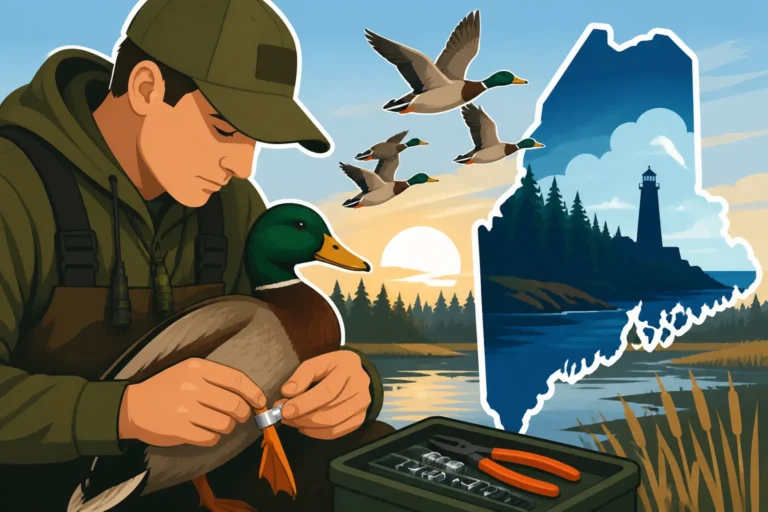
Maine waterfowl banding programs track migration routes, estimate population sizes, and inform sustainable hunting regulations and bag limits.
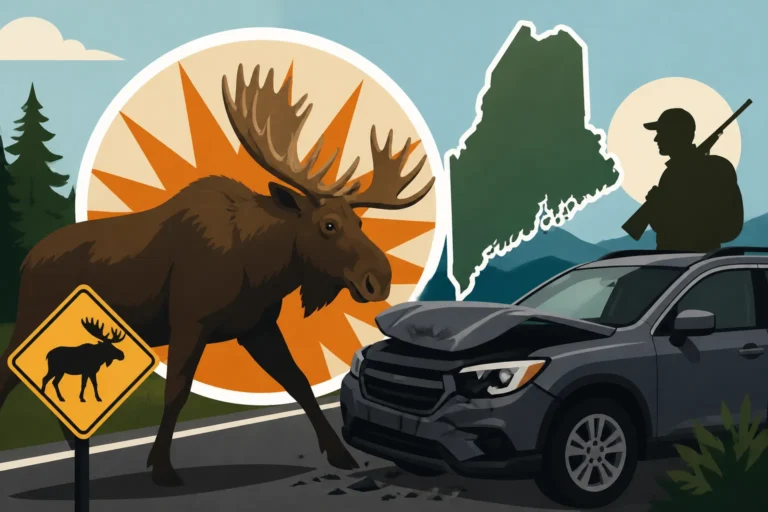
Maine moose vehicle collision numbers reveal regional dangers, seasonal accident patterns, and how drivers can stay safer on roads.
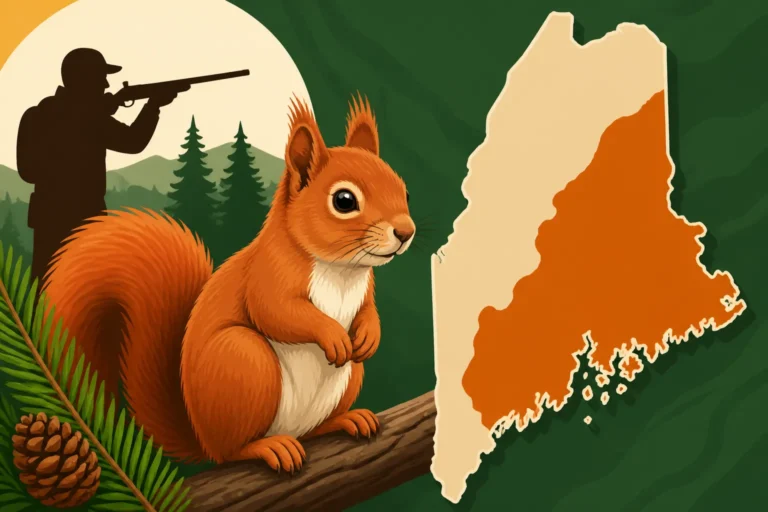
Maine red squirrel distribution across coniferous and mixed forests, explaining habitat preferences, local populations, and foraging behavior.
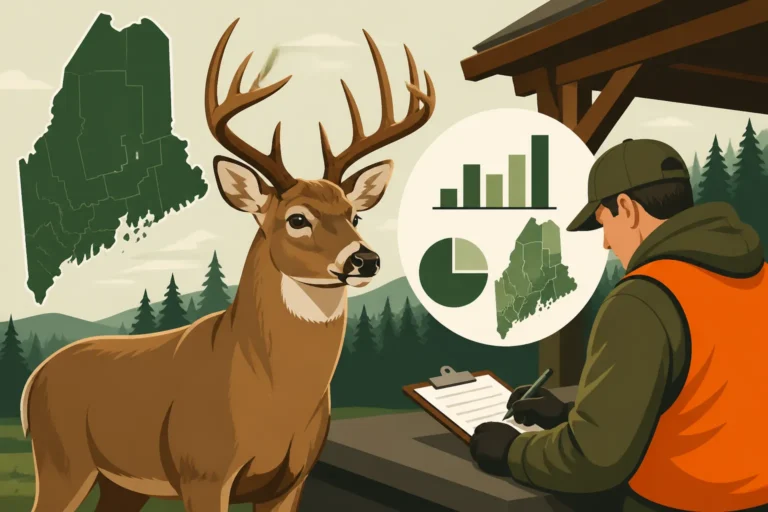
Maine wildlife area deer check station data reveals deer sex, antler measurements, and weights for hunters and biologists.
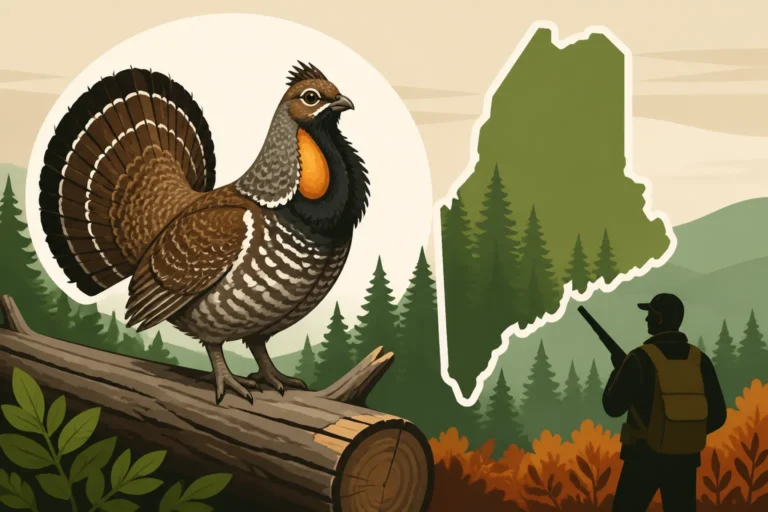
Maine drumming log surveys use spring listening stops along established roadside routes to track ruffed grouse population trends.
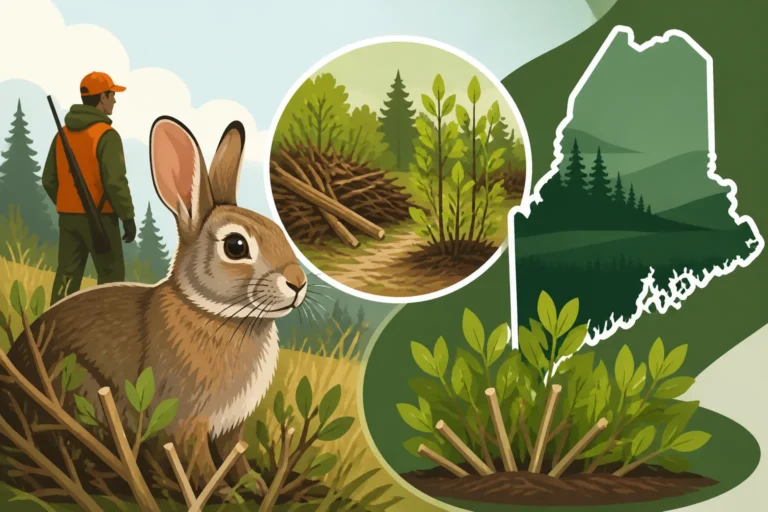
Maine rabbit habitat restoration projects address declining snowshoe hare and cottontail populations caused by development and forest maturation.
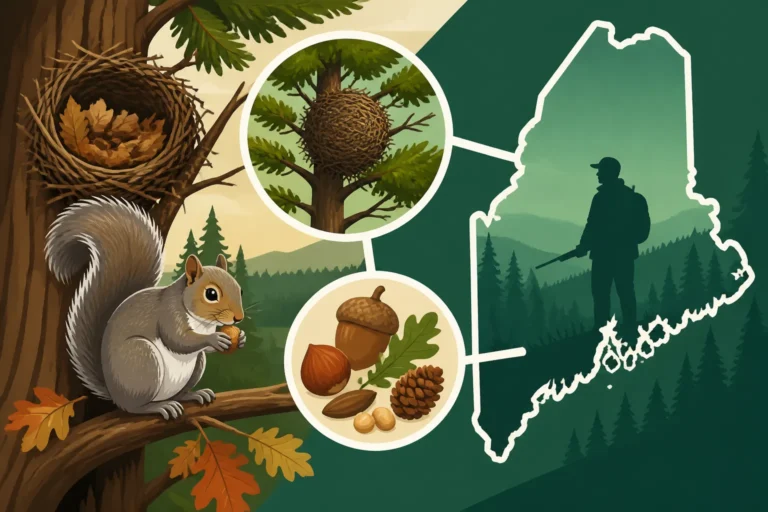
Maine squirrel nest counts and annual mast crop success explain local population cycles and winter survival rates.
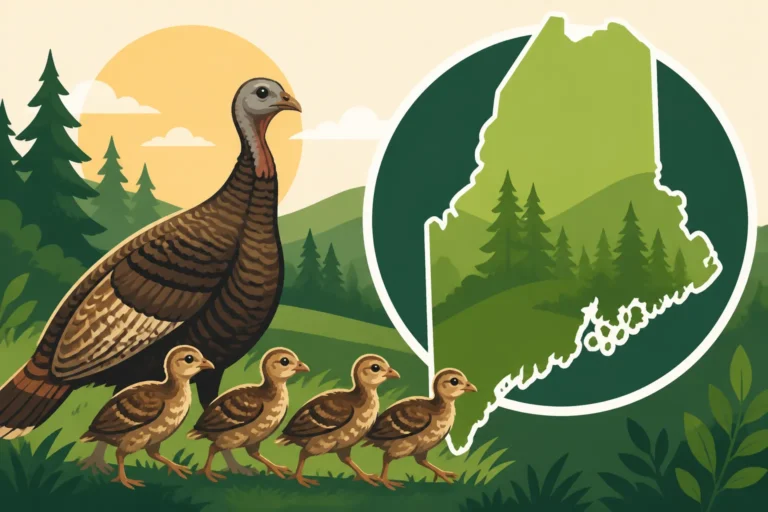
Maine turkey brood survey results reveal the annual poult-to-hen ratio, tracking population health and regional hunting prospects.
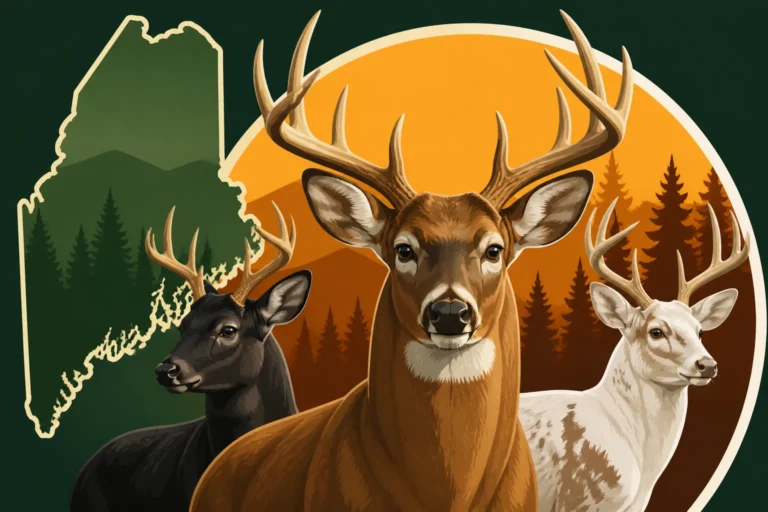
Maine whitetail color phase rarities involve genetic mutations causing piebald, albino, leucistic, or melanistic coats and biological traits.
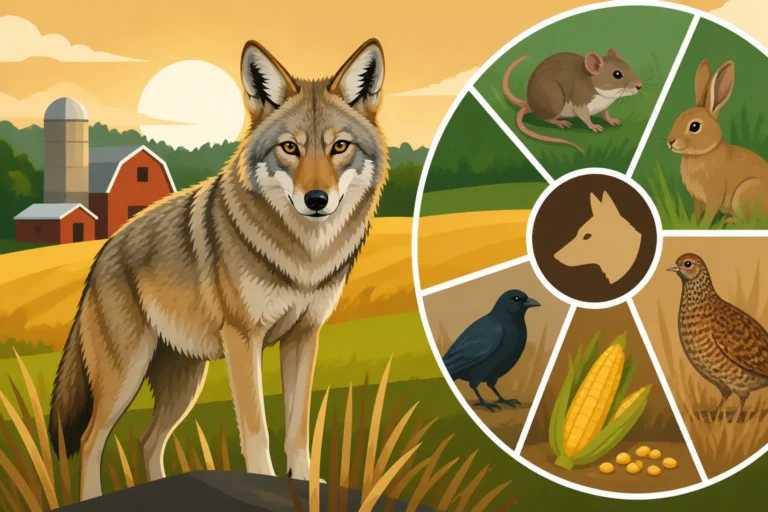
Maine coyote diets in agricultural regions include mice, voles, rabbits, deer, crops, and scavenged farm waste materials.