Maine’s CWD-Free Cervid Herd
Maine cervid herd protection efforts and chronic wasting disease prevention methods keep deer, moose, and elk populations safe.
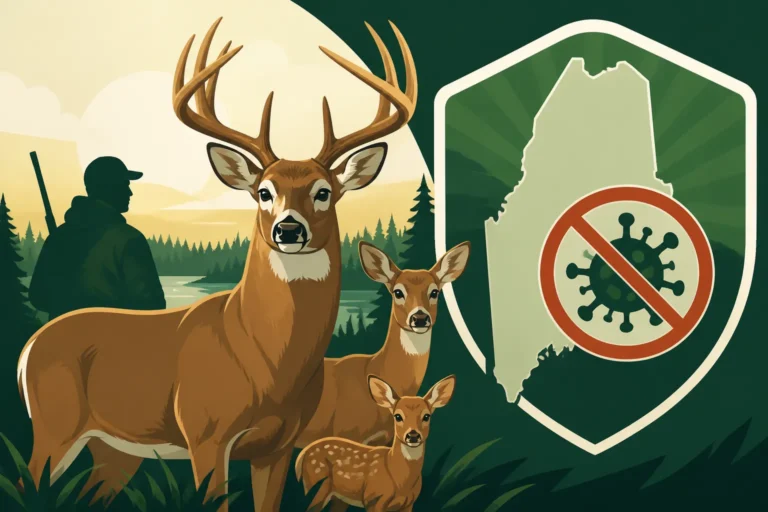
Maine cervid herd protection efforts and chronic wasting disease prevention methods keep deer, moose, and elk populations safe.
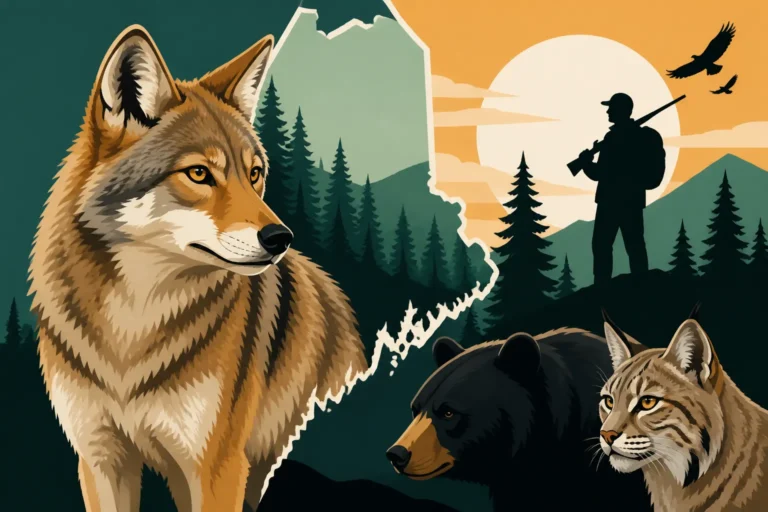
Maine eastern coyotes weigh thirty to sixty pounds, preying on snowshoe hares, voles, mice, and deer across the state landscape.
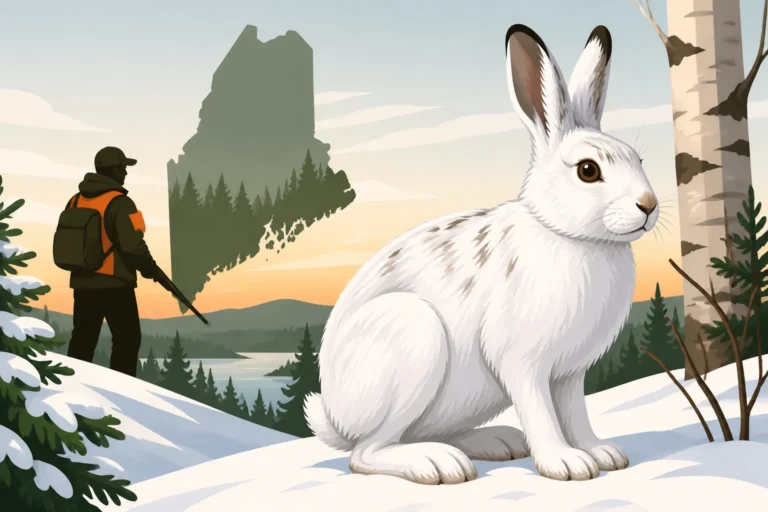
Snowshoe hare hunting in Maine requires understanding winter habits, camouflage, and tracking tactics in dense coniferous forest habitats.
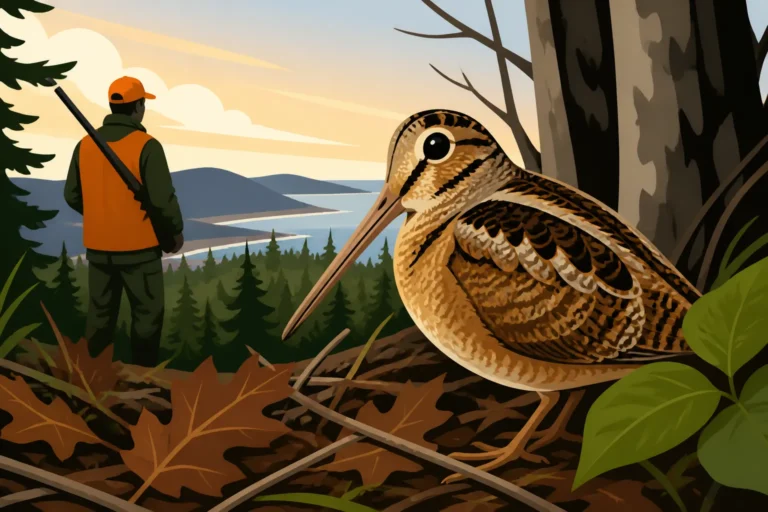
American woodcock habits, physical traits, and Maine habitats explain how hunters locate these elusive woodland shorebirds successfully.
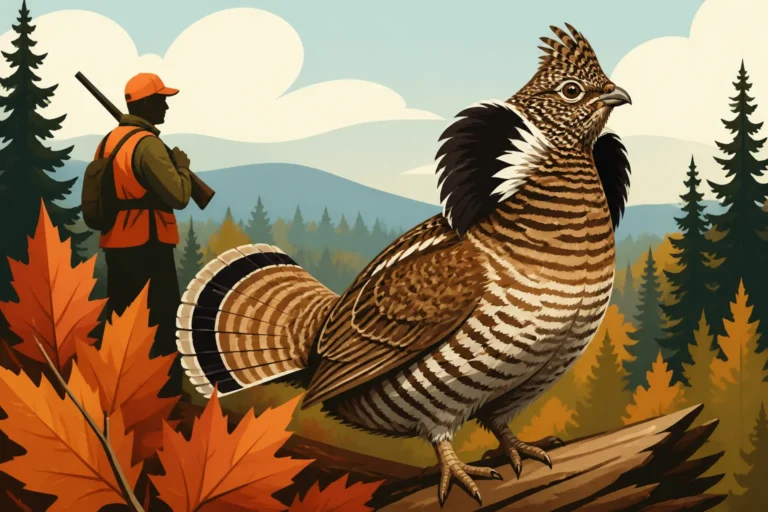
Ruffed grouse hunting in Maine offers autumn forest traditions, sudden flushes in popple stands, and fast shotgun shooting.
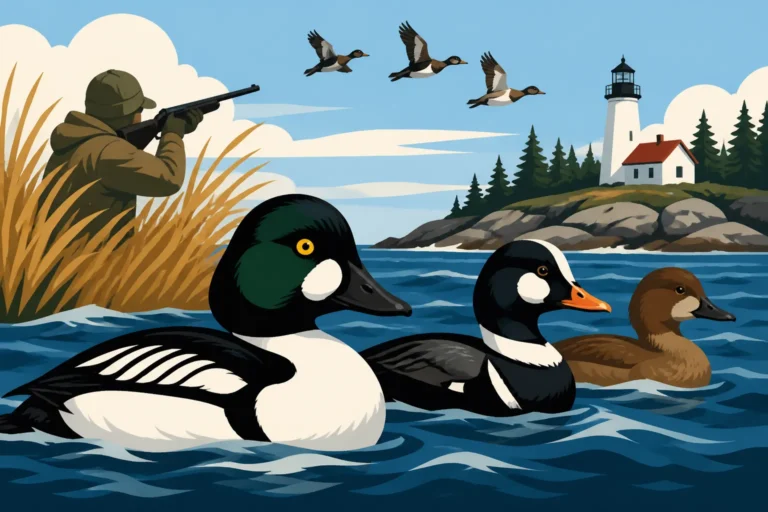
Maine sea duck hunting involves eiders, scoters, and long-tailed ducks across challenging ocean waters and strong tides.
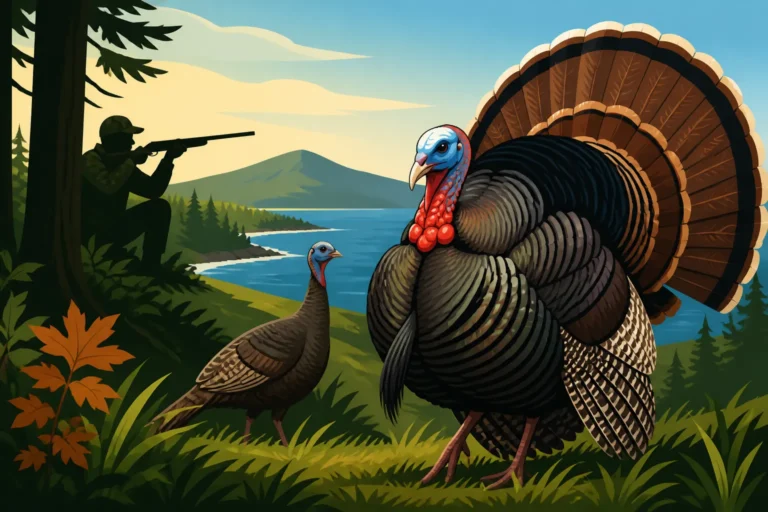
Wild turkey history and hunting in Maine explains the 1980s reintroduction efforts, population growth, and modern hunting seasons.
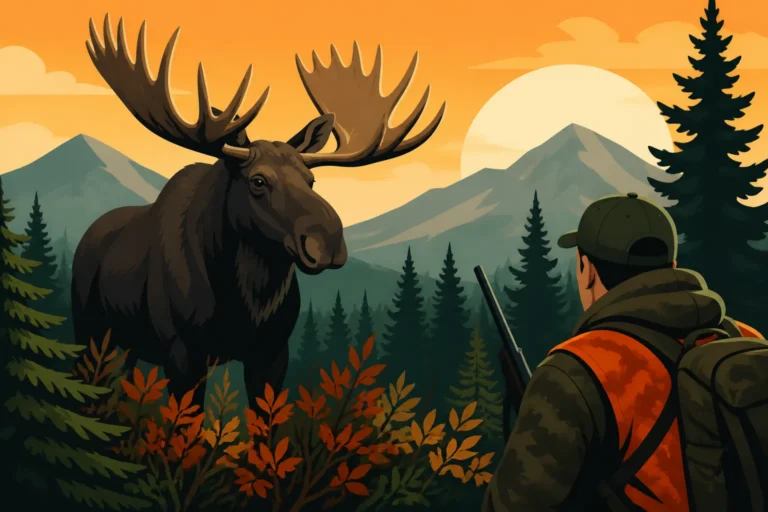
Maine moose populations, managed by the state department, thrive in northern and western timberlands, wetlands, and regenerating forests.
Maine black bear population numbers, habitat distribution, management strategies, and annual harvest trends explained by wildlife officials.
White-tailed deer population trends, regional density differences, and winter survival factors across Maine habitats explained.