Coyotes and Predators in Maine
There's a lot of mystery and sometimes a bit of fear surrounding Maine's predator population, especially the elusive coyote, and it can be tough to know what's fact or fiction. Understanding these animals is crucial for both hunters and outdoor enthusiasts, as they play a vital role in our ecosystem and directly impact the health of game species. This comprehensive guide aims to peel back the layers on these essential animals, helping you understand their history, behavior, and ecological significance in the Pine Tree State.
The Eastern Coyote: Maine's Resilient Predator
The eastern coyote (Canis latrans var.) is undoubtedly the most talked-about predator in Maine, often sparking debates and strong opinions among hunters and landowners alike. These intelligent canids have carved out a significant niche in our wild landscapes, proving incredibly adaptable and resilient. Their presence is a constant factor in wildlife dynamics across the state, from remote northern timberlands to the edges of suburban developments.
Origin and Adaptation
The story of the eastern coyote's arrival in Maine is a fascinating tale of ecological succession and genetic adaptation. Historically, Maine was home to Eastern wolves, but these larger canids were extirpated by the late 19th and early 20th centuries due to habitat loss and intense persecution. This left a significant void in the ecosystem's predator guild. As coyotes expanded their range eastward from the Great Plains, they hybridized with residual wolf populations and even domestic dogs along the way. This genetic mixing endowed them with larger body size, a broader diet, and a remarkable ability to thrive in diverse environments, from dense forests to agricultural lands and even semi-urban fringes. You can dive deeper into their lineage by exploring the history of Maine's Eastern Coyote Origins.
These animals are not merely Western coyotes that migrated; they are a unique, hybridized subspecies perfectly suited for the Northeastern landscape. They typically weigh more than their Western counterparts, often tipping the scales at 30-50 pounds, with some individuals exceeding 60 pounds, making them formidable hunters. Their larger size allows them to tackle bigger prey, including deer, which Western coyotes rarely do with the same efficiency. This adaptability has allowed them to colonize every corner of Maine, establishing a strong, widespread population.
Their success is also linked to their incredibly flexible diet and social structure. While often solitary, coyotes can hunt in small packs when pursuing larger game, which is a testament to their intelligence and cooperative hunting abilities. They have an uncanny ability to learn and adjust to human pressures, making them a perpetual presence in Maine's outdoors. This remarkable adaptability is precisely why they are such an integral part of the state's wildlife narrative today.
Behavior and Ecology
Understanding the behavior of Maine's eastern coyotes is key to appreciating their role in the ecosystem. They are primarily nocturnal or crepuscular, meaning they are most active during dawn and dusk, though it's not uncommon to see them during the day, especially in less disturbed areas or when food is scarce. Their highly developed senses of smell and hearing make them incredibly efficient hunters, capable of detecting prey from considerable distances. Their distinctive howls, yips, and barks are a familiar sound in the Maine wilderness, often signaling territory boundaries or communicating within a pack.
Coyotes are opportunistic omnivores, and their diet is incredibly varied, shifting with the seasons and availability of prey. In spring and summer, they consume a lot of small mammals like snowshoe hare, voles, and mice, along with birds, insects, and even fruits and berries. As fall and winter approach, their diet often shifts to larger prey, particularly white-tailed deer. They primarily target fawns in the spring and deer weakened by winter conditions or disease in the colder months. This natural culling process, while sometimes controversial among hunters, plays a role in keeping deer herds healthy by removing less robust individuals.
Their social structure typically revolves around a breeding pair, which maintains a territory that can range from a few square miles to over a hundred, depending on food availability. While they might tolerate their grown offspring for a period, young coyotes eventually disperse to find their own territories. This dispersal is crucial for population spread and genetic exchange. Observing their behavior requires patience and a keen eye, as they are masters of stealth and evasion, especially in areas with human activity.
Other Key Predators in Maine
While the eastern coyote often dominates conversations about Maine's predators, our state is home to several other fascinating and important carnivores that contribute to the rich tapestry of our wildlife. Each plays a distinct role, often overlapping with or complementing the coyote's niche. Understanding this diverse cast of characters helps us appreciate the complexity of Maine's ecosystems.
Black Bears
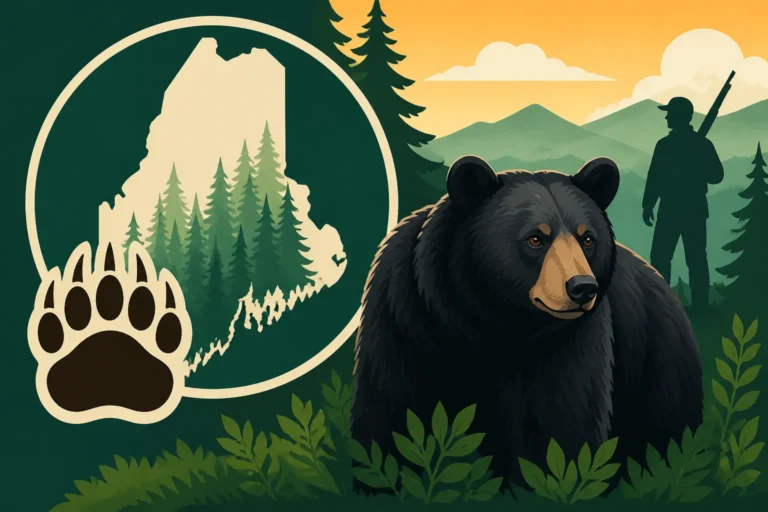
Maine boasts the largest black bear population in the eastern United States, a testament to its vast forests and abundant food sources. Unlike the opportunistic coyote, black bears are true omnivores with a diet that is overwhelmingly plant-based, especially during spring, summer, and fall. They forage extensively on berries, nuts, roots, and grasses, supplementing this with insects, carrion, and occasionally, small mammals or fawns. While they can be predators, their primary role is not that of a dedicated hunter of large game. Their sheer size, however, makes them a force to be reckoned with.
Black bears are denning animals, spending the winter months in a state of torpor, which significantly impacts their active predation window. When they are active, typically from April to November, they are highly solitary, except for mothers with cubs. Their impact on game species is usually localized and opportunistic; they might predate on a fawn if encountered, but they are not systematically hunting mature deer or moose with the same efficiency as a coyote pack. Their scavenging habits are also critical for ecosystem clean-up, removing deceased animals from the landscape. Find out more about Maine Bear Population Estimate to understand their prevalence.
Their intelligence and adaptability also mean they can quickly learn to associate humans with food, leading to conflicts in residential areas or campsites. Proper food storage and waste management are crucial for minimizing these interactions and ensuring both human and bear safety. Maine's strong conservation efforts and managed hunting seasons have ensured a healthy and robust bear population, allowing these magnificent creatures to continue their vital role in our wilderness.
Bobcats
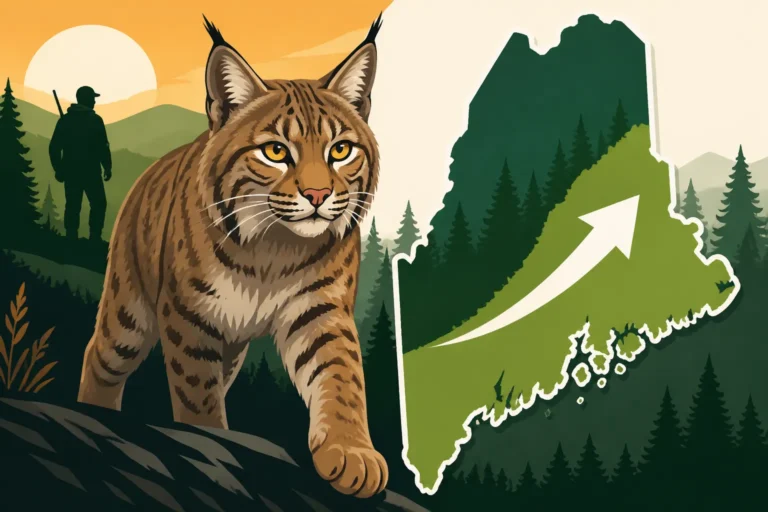
The bobcat (Lynx rufus) is another beautiful and often elusive predator found throughout Maine, though their secretive nature means they are rarely seen. These medium-sized felines are smaller than lynx (which are found primarily in northern Maine's deep coniferous forests) but possess a similar stealthy hunting prowess. They typically weigh between 15-30 pounds, with males being larger than females, and are recognizable by their short, "bobbed" tail, tufted ears, and spotted coats that provide excellent camouflage in varied habitats.
Bobcats are highly efficient hunters, specializing in small to medium-sized prey. Their primary diet consists of snowshoe hare, rabbits, squirrels, and various ground-nesting birds, but they will also take mice, voles, and occasionally fawns if the opportunity arises. They are masters of ambush, using their keen eyesight, hearing, and incredible agility to stalk and pounce on unsuspecting prey. Their territories can be quite large, especially for males, and they often use scent marking to communicate with other bobcats in the area.
Understanding the Maine Bobcat Population Trends shows that these cats are doing well, a testament to the healthy prey base in many areas. While they certainly impact local small game populations, they generally do not pose the same perceived threat to deer herds as coyotes. Their solitary nature and preference for dense cover make them a true ghost of the forest, a quiet but potent force in maintaining ecological balance, especially among lagomorph and rodent populations.
Fisher and Fox
Maine is also home to several smaller yet incredibly effective predators, including the fisher (Pekania pennanti) and various fox species, primarily the red fox (Vulpes vulpes) and, less commonly, the gray fox (Urocyon cinereoargenteus). These animals, though often overlooked in discussions about "apex" predators, exert significant pressure on specific prey populations and contribute to the overall health of the ecosystem.
The fisher, a member of the weasel family, is a formidable hunter known for its long, slender body and dark fur. Historically, fishers faced declines due to overtrapping and habitat loss, but through careful management, their populations have rebounded, making them a success story in Maine's conservation efforts. They are one of the few predators agile enough to consistently hunt porcupines, making them an important natural control on those notoriously spiny rodents. Their diet also includes snowshoe hare, squirrels, mice, and birds. You can learn more about Maine Fisher Trapping Trends to understand their population dynamics.
Red foxes, with their striking red coats and bushy tails, are arguably the most recognizable canids after coyotes. They are highly adaptable and thrive in a variety of habitats, from deep woods to open farmlands and even suburban areas. Their diet is incredibly diverse, consisting mainly of small rodents, rabbits, and birds, but they are also opportunistic, readily consuming insects, fruits, and carrion. While they will compete with coyotes for some prey, they often target smaller animals and are themselves sometimes prey for coyotes. The less common gray fox is unique for its ability to climb trees, an adaptation that allows it to escape larger predators and access tree-dwelling prey. These smaller predators play a crucial role in regulating rodent and small mammal populations, preventing overgrazing and the spread of disease.
| Predator | Typical Weight (lbs) | Primary Diet | Social Structure | Habitat |
|---|---|---|---|---|
| Eastern Coyote | 30-50 | Deer, small mammals, carrion, fruit | Breeding pair, small packs | All habitats, highly adaptable |
| Black Bear | 150-400 | Berries, nuts, insects, carrion, occasional fawns | Solitary (except mothers with cubs) | Forests, swamps, mountainous areas |
| Bobcat | 15-30 | Snowshoe hare, rabbits, squirrels, birds, fawns | Solitary | Forests, swamps, rocky areas, dense cover |
| Fisher | 5-15 | Porcupines, snowshoe hare, squirrels, rodents | Solitary | Coniferous and mixed forests |
| Red Fox | 8-15 | Rodents, rabbits, birds, insects, fruit, carrion | Solitary or small family groups | Varied, from deep woods to farmland |
Predator Impact on Maine's Game Species
The presence of predators, especially coyotes, is a constant and often contentious topic among Maine hunters. While nature is designed to find balance, there's no denying that predators have a direct and significant impact on the populations of game species we cherish. Understanding this relationship is crucial for appreciating the complexities of wildlife management in our state.
Deer Populations
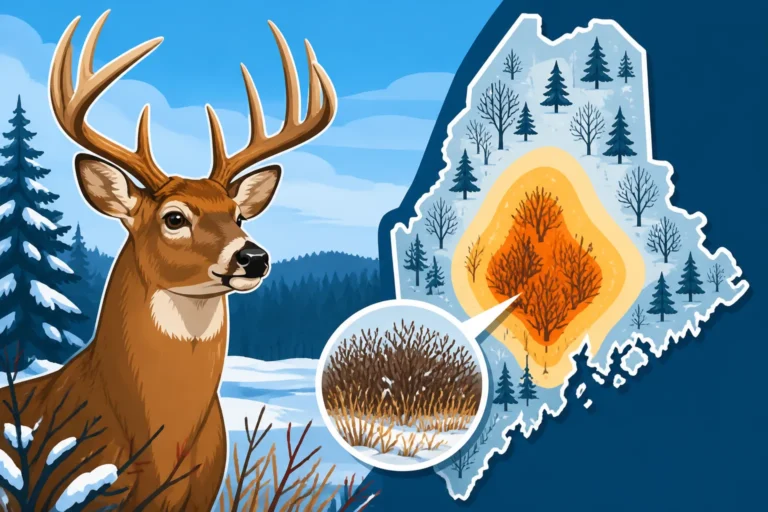
For many deer hunters in Maine, the eastern coyote is viewed as a major limiting factor for white-tailed deer populations, particularly in regions where deer densities are already low. It's a valid concern. Research has shown that coyotes are significant predators of fawns, especially during their vulnerable first few weeks of life. A high coyote density can lead to reduced fawn recruitment, meaning fewer young deer survive to adulthood to contribute to the breeding population. This impact can be particularly pronounced in areas with harsh winters where deer enter spring in a weakened state. Learning about Maine Deer Herd Size helps put this into perspective.
However, it's also important to consider the broader ecological picture. Coyotes often target the weakest and sickest individuals, playing a role in natural selection. By removing unhealthy animals, they can help prevent the spread of disease and improve the overall genetic fitness of the deer herd over time. While the immediate impact of losing fawns to coyotes is felt, the long-term effects are more complex. Other factors like habitat quality, winter severity, and vehicle collisions also significantly influence deer numbers. Understanding Maine Fawn Survival Rates is key to appreciating the pressures on young deer.
In areas where deer populations are struggling, such as parts of northern Maine with severe winters and limited wintering yards, coyote predation can indeed exacerbate the problem. Conversely, in southern and central Maine, where deer populations are generally more robust and habitat is richer, the herd is often better equipped to absorb some level of predation pressure. It's a delicate balance that wildlife managers constantly monitor, recognizing that predator control is just one tool in a much larger management toolbox.
Moose Calves
While adult moose are massive and generally impervious to coyote predation, their calves are vulnerable, particularly during their first few weeks after birth. Eastern coyotes, and occasionally black bears, can prey on young moose calves. This impact is especially relevant given the ongoing concerns about Maine's moose population, primarily due to the devastating effects of winter ticks.
Winter ticks attach to moose in the thousands, slowly draining their blood and leading to weakness, anemia, and even death, especially in calves. When a calf is already weakened by a heavy tick load, it becomes an easier target for opportunistic predators like coyotes or bears. So, while predators are part of the natural cycle, the added pressure of severe winter tick infestations can make calves particularly susceptible to predation, contributing to lower survival rates. This complex interaction between parasites and predators is a major focus for Maine's wildlife biologists.
The Maine Department of Inland Fisheries and Wildlife (MDIFW) has been conducting extensive research, including a study on Why Winter Ticks Are Killing Maine Moose Calves, to understand these dynamics. While the primary driver of moose calf mortality is often tied to tick burdens, coyote predation can be a compounding factor. It's a stark reminder that ecosystems are interconnected, and a problem in one area (like tick overpopulation) can indirectly amplify the impact of another factor (like predation). Understanding Maine Moose Population Estimate allows us to grasp the overall context of these challenges.
Small Game and Upland Birds
Beyond deer and moose, Maine's predators also significantly influence populations of small game and upland birds. Coyotes, foxes, bobcats, and even fishers all rely on smaller prey species as a substantial part of their diet. Snowshoe hare, rabbits, ruffed grouse, and woodcock are all on the menu for various predators, creating a constant evolutionary pressure that shapes the behavior and distribution of these game species.
Snowshoe hare and rabbit populations are a critical food source for virtually all of Maine's terrestrial predators, from coyotes and bobcats to foxes and fishers. The cyclic nature of snowshoe hare populations, for instance, often directly correlates with predator populations; when hare numbers are high, predators thrive, and as hare numbers eventually decline, predator populations may follow. This predator-prey dynamic is a classic ecological pattern that plays out year after year in Maine's forests.
Upland birds like ruffed grouse and American woodcock also face predation pressure, particularly on nests and young chicks. Foxes, coyotes, and even raccoons and skunks can be highly destructive to ground-nesting bird nests. While adult birds are often more adept at evading predators, the vulnerability of their eggs and offspring means that predator presence can influence nesting success rates. Habitat plays a huge role here; dense cover can offer some protection, but the constant threat means that only the most vigilant and adaptable birds raise their broods successfully.
Hunting and Trapping Predators in Maine
For many Mainers, managing predator populations through hunting and trapping is an important tradition and a recognized tool for wildlife management. It allows individuals to directly engage with the ecosystem and can sometimes provide benefits to local game populations. However, the effectiveness and ethics of various predator management techniques are often subjects of extensive debate and scientific study.
Coyote Hunting Strategies
Hunting coyotes in Maine can be a challenging but rewarding pursuit, requiring patience, skill, and knowledge of their behavior. One of the most common and effective strategies is calling. Coyote calling involves imitating the sounds of prey animals (like a distressed rabbit or fawn) or other coyotes (howls, barks) to lure them into shooting range. This often happens at first light or last light, when coyotes are most active, but can be effective at any time of day depending on conditions and location. You can learn more about specific techniques in Coyote Calling Maine Farm Country.
Another popular method, particularly in winter, is baiting. Placing carrion or other attractants can draw coyotes to a specific location, though hunters must be aware of baiting regulations. Stand hunting, where hunters position themselves in an area with known coyote activity, often near deer trails or farm fields, is also common. Night hunting for coyotes is legal in Maine with specific restrictions, often requiring lights and electronic calls, but it's important to understand and adhere to Night Hunting Rules for Maine Coyotes to ensure safety and compliance.
The goal for many coyote hunters isn't just sport; it's often viewed as a way to reduce local predator pressure on deer, especially in areas where deer populations are struggling. While anecdotal evidence from hunters often points to this benefit, the scientific community notes that coyote populations are remarkably resilient, and localized hunting efforts often have a limited long-term impact on overall population numbers due to their reproductive capabilities and dispersal rates. Nevertheless, it remains a popular and legal activity that provides outdoor recreation and contributes to wildlife monitoring through harvest data.
Trapping Furbearers
Trapping is another historical and still widely practiced method of predator and furbearer management in Maine. Trapping specifically targets species like coyotes, foxes, bobcats, and fishers, providing valuable pelts while also managing their numbers. Trappers play a crucial role in managing wildlife, often providing the most accurate data on furbearer populations through their harvest efforts and observations in the field. This method requires specialized knowledge, skill, and adherence to strict regulations regarding trap types, placement, and checking frequency.
Modern trapping techniques emphasize humane practices, with approved trap types designed to hold animals without causing undue injury. Trappers often use lures and baits, combined with a deep understanding of animal behavior and travel patterns, to set traps effectively. For instance, a trapper targeting a fisher might set a cubby set near a known travel corridor, using a bait that appeals specifically to that species. You can gain more insight into this practice by looking at Trapping Maine Furbearers.
The economic incentive of fur historically drove much of the trapping effort, but today, many trappers participate for the tradition, the challenge, and their commitment to wildlife management. Trapping can be particularly effective at reducing localized predator populations, which can benefit prey species in specific areas. However, like hunting, its broader impact on statewide predator numbers is part of ongoing scientific review and management discussions. Trappers are often passionate conservationists who spend countless hours in the woods, acting as another set of eyes and ears for wildlife agencies.
Regulatory Considerations
Engaging in predator hunting or trapping in Maine comes with a clear set of responsibilities and legal requirements. The Maine Department of Inland Fisheries and Wildlife (MDIFW) sets the regulations, which are designed to ensure sustainable populations, promote ethical practices, and ensure public safety. For hunters, this includes specific season dates, bag limits (if any), legal methods of take, and blaze orange requirements. Non-residents, for example, often face different licensing fees and sometimes stricter regulations than residents.
For trapping, the regulations are even more detailed, covering specific trap sizes, types, setting locations, distance from dwellings, and mandatory trap check intervals. All trappers must complete a mandatory trapper education course before obtaining a license, ensuring they understand ethical practices, species identification, and legal requirements. There are also specific rules about reporting harvests, which is crucial data for MDIFW to monitor furbearer populations and make informed management decisions.
Staying informed about the latest regulations is paramount. MDIFW publishes an annual hunting and trapping law book, and updates are often available on their website. Using reliable tools like the GoHunt app can provide quick access to regulations and land ownership maps, which are invaluable for staying compliant. Ignoring these regulations can lead to fines, loss of privileges, and can undermine the conservation efforts that benefit all wildlife. Respect for the law and the resource is fundamental to responsible hunting and trapping in Maine.
Living and Coexisting with Maine's Predators
While predators are a fascinating and integral part of Maine's wild landscapes, their presence inevitably leads to interactions with humans. From protecting pets and livestock to understanding how to behave during an encounter, learning to coexist safely and respectfully with these animals is essential for anyone living in or visiting rural Maine.
Minimizing Conflicts
The vast majority of interactions between humans and predators in Maine are harmless, with most wild animals actively avoiding people. However, conflicts can arise, particularly when predators become accustomed to human-provided food sources. The most effective way to minimize these conflicts is to eliminate attractants. This means securing garbage cans with tight-fitting lids, never leaving pet food bowls outside, and keeping barbecue grills clean. Even bird feeders can attract small prey animals like squirrels and mice, which in turn draw in predators like foxes and coyotes.
For those with pets, especially in rural or semi-rural areas, supervising outdoor animals is critical. Coyotes, foxes, and even bobcats can view unsupervised cats and small dogs as potential prey. Keeping pets on a leash, especially during dawn and dusk, or ensuring they are in secure, fenced enclosures, drastically reduces the risk. Livestock owners face unique challenges, and implementing robust fencing, using guardian animals (like llamas or certain dog breeds), and bringing livestock into secure barns at night can provide significant protection against predation.
Beyond direct attractants, understanding predator behavior can help. If you see a coyote or fox frequently in your yard, hazing them (making loud noises, waving your arms) can help reinforce their natural fear of humans. This is especially true for young, naive animals. The key is to make your property as unappealing as possible for these animals, sending a clear message that easy meals are not to be found there.
Understanding Predator Dynamics
A deeper understanding of predator dynamics can help alleviate some of the common fears and misconceptions surrounding these animals. Predators are not inherently "mean" or "evil"; they are simply fulfilling their ecological role within the food web. Their primary motivation is survival and feeding themselves and their young. When they come into conflict with humans, it's often because human activity has inadvertently created opportunities for them.
For instance, a coyote that approaches a residential area isn't necessarily aggressive; it might be investigating a scent or be a young, curious animal. True aggression from a wild predator towards a human is exceedingly rare. However, any wild animal, if cornered, injured, or protecting young, can act defensively, which is why maintaining a respectful distance is always advised. If you encounter a predator and it doesn't immediately flee, make yourself look large, make noise, and slowly back away. Never run, as this can trigger a chase response.
The interconnectedness of the ecosystem means that managing one species often affects others. For example, a severe winter that decimates a deer herd might lead coyotes to seek other food sources, potentially increasing their presence near human settlements. Tools like GoHunt can help track general wildlife patterns and identify areas with higher predator activity based on habitat features. Recognizing that predators are a natural and necessary part of Maine's environment, and adapting our behaviors accordingly, allows for a more harmonious coexistence.
Dispelling Common Predator Myths
Maine's predators, particularly the eastern coyote, are often subjects of intense speculation and folklore. Unfortunately, many of these stories are based on misunderstanding, fear, or outdated information. Dispelling these common myths is crucial for fostering a more informed and realistic perspective on these vital animals.
The "Wolf-Hybrid" Myth
One of the most persistent myths surrounding the eastern coyote is that they are primarily wolf-hybrids, often implying a more aggressive or "super-predator" nature. While it is true that eastern coyotes have some genetic material from wolves and domestic dogs, calling them "wolf-hybrids" in the common understanding of the term is misleading and often sensationalized. As discussed earlier in Maine's Eastern Coyote Origins, their genetic makeup is complex, a product of historical hybridization as they expanded eastward into former wolf territories. This genetic blending occurred over generations, resulting in a distinct, stable population with its own unique characteristics.
They are not first or second-generation crosses, nor are they a specific species created by recent human intervention. They are eastern coyotes, adapted through natural selection and a unique evolutionary path. They are larger than Western coyotes, and this larger size and varied diet is often attributed to that genetic legacy, but they are not "half-wolf" in the way some people imagine. The term "coywolf," while scientifically descriptive of their mixed ancestry, is often misinterpreted in popular culture to imply something more monstrous than what they actually are.
This myth often fuels unnecessary fear and misunderstanding. While eastern coyotes are formidable predators, their behavior is consistent with other wild canids. They are primarily wary of humans and prefer to avoid conflict. Understanding their true nature, rather than succumbing to sensationalized labels, is the first step towards rational coexistence and management.
Over-Estimating Predator Impact
Another common misconception, particularly among hunters, is that predators are solely responsible for declines in game populations. While predators certainly have an impact, attributing entire population downturns to them often oversimplifies a much more complex ecological reality. In Maine, deer populations, for example, are influenced by a multitude of factors, including severe winter weather, habitat availability and quality, disease, road mortality, and hunter harvest rates.
For instance, an especially harsh winter can significantly weaken deer, making them more susceptible to predation. If habitat quality is poor, offering less forage or thermal cover, deer are already stressed before predators even come into play. Even factors like Maine Deer Vehicle Collisions can remove more deer from the landscape than predators in some areas. Wildlife biologists consistently point to habitat and weather as the primary drivers of deer population dynamics, with predation acting as a secondary, albeit important, factor.
Over-estimating predator impact can lead to calls for widespread predator eradication, a strategy that is largely ineffective and often counterproductive. Ecosystems are resilient, and removing one predator often allows another to thrive, or leads to an increase in the prey species that then suffer from overpopulation, disease, and habitat degradation. A balanced perspective recognizes that predators are a natural and necessary component of a healthy ecosystem, and their impact must be considered alongside all other limiting factors to truly understand game population trends.
Conservation and Management Efforts
Managing Maine's diverse predator populations is a complex task, balancing ecological health with the interests of hunters, trappers, and landowners. The Maine Department of Inland Fisheries and Wildlife (MDIFW) plays a central role, utilizing scientific research, public input, and adaptive management strategies to ensure sustainable populations for both predators and their prey.
MDIFW's Role
The MDIFW is the primary agency responsible for the conservation and management of all wildlife in Maine, including its predators. Their role is multifaceted, encompassing research, monitoring, regulation development, and public education. Biologists conduct extensive field studies to estimate predator populations, track movements, and assess health. For example, they monitor Maine Coyote Range and Density through various methods, including track counts, remote cameras, and harvest data provided by hunters and trappers. This data is critical for understanding population trends and making informed management decisions.
The department also develops and enforces hunting and trapping regulations for predators, setting season dates, methods of take, and bag limits. These regulations are not static; they are reviewed and adjusted periodically based on scientific data, public feedback, and conservation goals. The MDIFW aims to manage populations in a way that respects their ecological role while also mitigating conflicts with human interests, such as livestock protection or deer management. They are also responsible for public education, providing resources to help Mainers coexist with wildlife and understand the rationale behind management decisions.
Ultimately, the MDIFW strives for a balanced approach, recognizing that predators are essential to the health and vitality of Maine's ecosystems. Their work is grounded in science and informed by a deep understanding of the unique ecological conditions of the Pine Tree State. Their commitment ensures that Maine's wild landscapes will continue to support a healthy diversity of species for generations to come.
Research and Monitoring
Effective predator management relies heavily on continuous research and monitoring efforts. MDIFW biologists and partner organizations are constantly collecting data to better understand predator ecology, population dynamics, and their interactions with other wildlife. This includes studies on diet, reproductive success, movement patterns, and survival rates. For instance, collar studies on coyotes can reveal valuable information about their territory size, hunting habits, and interactions with deer.
Monitoring also involves analyzing harvest data from hunting and trapping seasons. When hunters and trappers register their take, the MDIFW collects data on age, sex, and location of harvest. This data provides invaluable insights into population health, recruitment rates, and geographical distribution. Without the cooperation of the hunting and trapping community, much of this crucial data would be unavailable. This information feeds directly into models that help predict future population trends and guide management strategies.
Furthermore, long-term monitoring programs track environmental changes, such as habitat alteration, forest succession, and climate patterns, which can all influence predator and prey populations. By integrating all these data points, researchers can develop a more comprehensive picture of Maine's predator dynamics and how they fit into the broader ecological puzzle. This commitment to scientific inquiry ensures that management decisions are based on the best available information, rather than speculation or anecdote.
Disclaimer
The information provided in this guide is for general informational purposes only and is not intended as legal advice. Hunting and trapping regulations in Maine are subject to change. Always consult the official Maine Department of Inland Fisheries and Wildlife (MDIFW) regulations booklet or website for the most current and accurate information before engaging in any hunting or trapping activities. Safety should always be your top priority.