Booking a Two-Species Upland Package
Trying to decide between chasing ruffed grouse or American woodcock amidst Maine's stunning fall foliage can feel like an impossible choice, especially when you only have a limited amount of time. Many passionate upland hunters grapple with how to experience the best of both these incredible birds without having to plan separate trips or compromise on the quality of their hunt. This guide is here to walk you through the ins and outs of successfully booking a two-species upland hunting package in Maine, ensuring you maximize your adventure in the Pine Tree State and create lasting memories.
Why Consider a Two-Species Upland Package in Maine?
Maine truly is an upland hunter's paradise, offering vast tracts of varied cover that hold not just one, but often multiple desirable game bird species. For those traveling a distance or with limited time off, the idea of bagging both grouse and woodcock on a single trip is incredibly appealing. It’s about more than just filling a cooler; it's about immersing yourself in the full breadth of the Maine upland experience.
The Allure of Diverse Hunting Opportunities
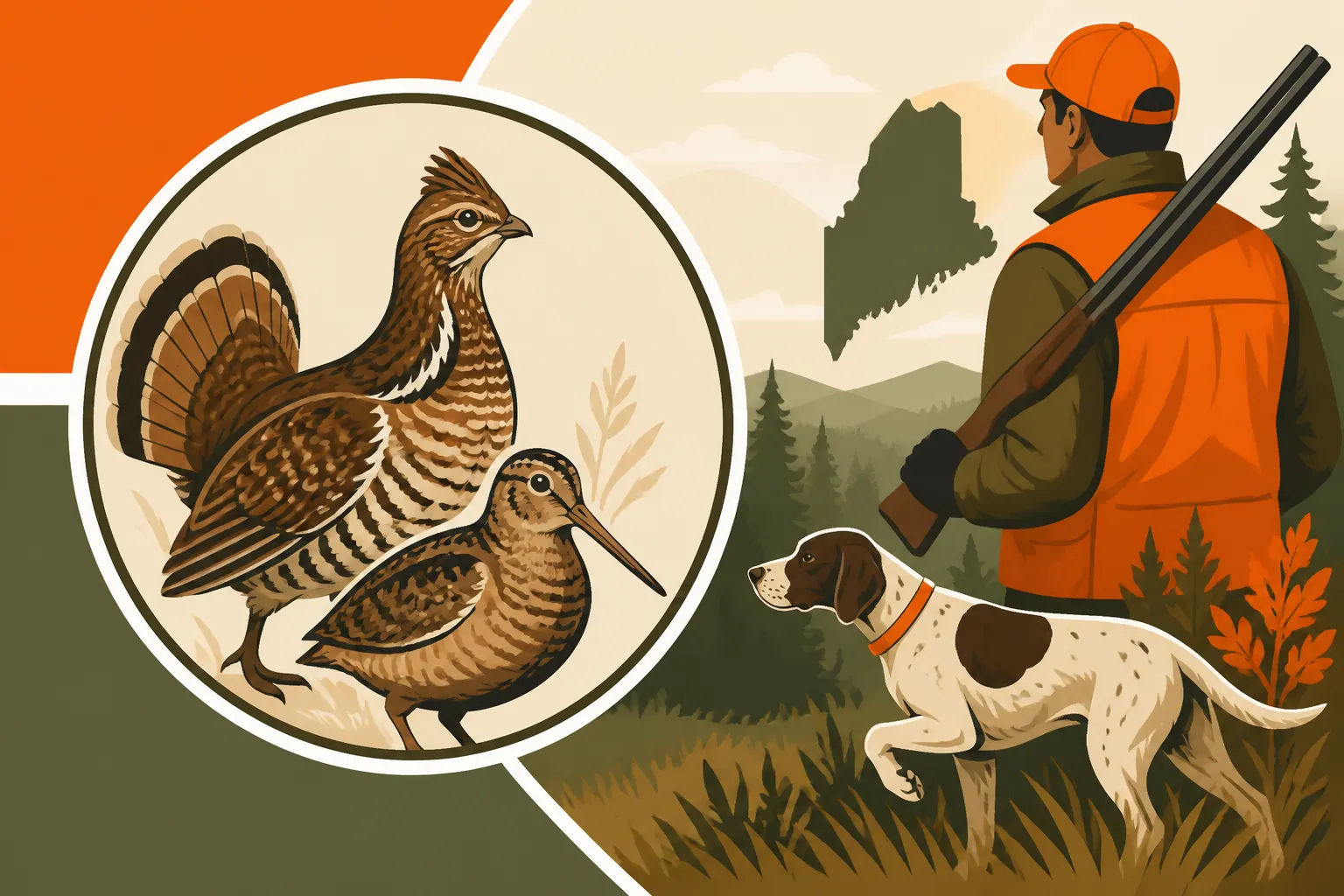
Imagine a crisp October morning, the leaves a riot of red and gold, your bird dog working diligently through a thick alder run. One moment, you're bracing for the explosive flush of a ruffed grouse, a veritable king of game birds, as it thunders through the hardwoods. The next, your dog goes on point in a wetter, boggy section, signaling the presence of a secretive American woodcock, a long-billed migrant that offers a completely different, often more deliberate, shot opportunity. This kind of dynamic hunting keeps you on your toes and showcases the incredible biodiversity Maine offers. It’s never a dull moment when you’re shifting gears between these two distinct but often co-habitating species.
Having the chance to pursue two different birds in the same general area, sometimes even in the same coverts, adds a layer of excitement and challenge that a single-species hunt might lack. It’s an opportunity to test your shooting skills against different flight patterns and to watch your dog adapt to varied scents and bird behaviors. This diversity is precisely why so many hunters, once they experience a Maine upland combo, find it hard to go back to anything less.
Maximizing Your Time and Investment
Let's be realistic: travel, lodging, and taking time away from work or family represent a significant investment for any hunting trip. When you bundle the pursuit of two species into one package, you're essentially getting double the experience for a single travel commitment. This efficiency is a huge draw for busy hunters who want to make every moment in the field count. Instead of planning a grouse trip one year and a woodcock trip another, you can knock them both out in one fell swoop, often in areas where their habitats naturally overlap.
Furthermore, many outfitters design these two-species packages with efficiency in mind, leveraging their knowledge of local coverts to move between prime grouse habitat and productive woodcock bottoms seamlessly. This means less wasted travel time between locations and more precious hours with your boots on the ground and your dog's nose to the scent. It also allows you to fully appreciate the subtle differences in landscape that each bird prefers, deepening your understanding of Maine's diverse ecosystems. You'll find that many reputable guides are experts at Grouse Hunting Maine Alder Runs and also adept at finding those secretive Woodcock Hunting Maine Covert Country haunts.
Understanding Common Two-Species Packages
While the concept of a "two-species upland package" sounds straightforward, the specifics can vary significantly between outfitters and regions in Maine. It’s crucial to understand what these packages typically entail, especially concerning the primary species pursued and the overall structure of the hunt. This knowledge empowers you to choose a package that aligns perfectly with your hunting goals and expectations.
Grouse and Woodcock Combos
The classic and most popular two-species upland package in Maine focuses on ruffed grouse and American woodcock. This combination makes perfect sense ecologically, as both birds thrive in similar, albeit slightly different, types of transitional forest habitat. Grouse are often found in older growth edges, aspen stands, and mixed hardwoods, while woodcock prefer younger, wetter alders, dogwood thickets, and regenerating clear-cuts. The beauty is that these habitats frequently intertwine, especially along stream bottoms, old logging roads, and abandoned farm fields.
A typical grouse and woodcock combo hunt will involve covering varied terrain, often with a good bird dog. Your guide will likely lead you through dense alder bottoms for woodcock in the morning or late afternoon, when these migratory birds are most active, then transition to more open hardwood ridges or young growth for grouse flushes. Success in these hunts relies heavily on the guide's intimate knowledge of the local land and current bird movements. It’s a dynamic hunt where you might encounter either species at any moment, creating an exciting unpredictability that upland hunters crave. The timing is also key; generally, these hunts are best from late September through mid-October when both Maine Grouse Season Dates and Maine Woodcock Season Dates are open and migrants are plentiful.
Expanding Beyond the Classic Duo
While grouse and woodcock dominate the two-species upland scene, some specialized outfitters or custom packages might offer opportunities to combine these with other small game or even other bird species, depending on the season and location. For instance, in certain areas, you might find options to add snowshoe hare to your upland bird hunt, particularly later in the fall when the leaves are down, and early snows might make tracking easier. Hare hunting often involves beagles, adding another dimension to your trip.
It's less common to see true "three-bird" upland packages in Maine that include, say, pheasants or chukars, as these are typically stocked birds found on private game preserves rather than free-ranging in the wild coverts that hold grouse and woodcock. However, if you are looking for a highly customized experience, a dedicated Hiring a Registered Maine Guide might be able to tailor a unique itinerary for you. Always be clear about your expectations when discussing any unconventional multi-species package with an outfitter, and ensure they have the necessary permits and access for all desired game.
Key Considerations When Booking Your Hunt
Booking a guided hunt, especially one as specialized as a two-species upland package, requires careful planning and research. You're not just buying a hunt; you're investing in an experience, and you want to ensure it aligns with your expectations and provides good value. Don't rush into a decision; taking the time to vet outfitters and understand the nuances of their offerings will pay dividends once you're in the field.
Vetting Outfitters and Asking the Right Questions
Choosing the right outfitter is arguably the most critical step in ensuring a successful and enjoyable two-species upland hunt. Start by looking for outfitters who explicitly advertise grouse and woodcock combo hunts, as this indicates their expertise in both species and the necessary habitat. Platforms like BookYourHunt can be a good starting point to browse options and read initial reviews, giving you a broad overview of what's available across different regions of Maine. Once you've identified a few potential candidates, it’s time to dig deeper.
Here are some essential questions to ask:
- Experience & Specialization: How long have they been guiding upland hunts, and specifically two-species combos? Do they primarily focus on wild birds, or do they also offer preserve hunts?
- Guide-to-Client Ratio: What is the typical guide-to-client ratio? A smaller ratio often means more personalized attention and better hunting opportunities.
- Bird Dogs: Do they provide seasoned bird dogs, or are hunters expected to bring their own? If they provide dogs, what breeds do they run, and what is their training philosophy? If you're bringing your own dog, what are their policies regarding hunter-provided canines? Many outfitters specialize in Booking a Bird Dog Guide Service, which can be a huge asset.
- Success Rates: While no reputable outfitter can guarantee a kill, ask about their typical flush rates for grouse and woodcock. This gives you a realistic expectation of bird encounters, not just birds in the bag.
- References: Always ask for references from past clients who have done a similar two-species package. Follow up with these references to get firsthand accounts of their experience.
- Land Access: What kind of land do they hunt? Is it private, leased timber company land, or public land? Understanding their access can give you insight into potential hunting pressure and habitat quality.
- Safety Protocols: What are their safety procedures, especially regarding firearms, navigating challenging terrain, and first aid?
Remember, a good outfitter will be happy to answer all your questions thoroughly. Be wary of any outfitter who seems evasive or makes overly grand promises. Resources like GoHunt can also offer forums or articles where you can glean more insights into specific outfitters or regions.
Logistics and What's Included in Your Package
Once you've narrowed down your choice of outfitter, it's vital to get a clear understanding of exactly what your two-species upland package includes and what you'll be responsible for. Ambiguity here can lead to frustrating surprises.
A comprehensive package typically covers:
- Guided Hunting: The services of a professional Registered Maine Guide for the agreed-upon number of hunting days.
- Dogs: The use of the outfitter's trained bird dogs.
- Meals & Lodging: Often, packages are all-inclusive, meaning comfortable accommodations at a sporting camp or lodge, and three meals a day. Always clarify the type of lodging (e.g., private cabin, shared bunkhouse) and meal arrangements.
- Field Transportation: Transport to and from hunting coverts.
- Bird Cleaning & Storage: Some outfits will handle basic bird cleaning and provide cold storage for your harvest.
What's usually not included:
- Hunting Licenses & Permits: You will almost always be responsible for purchasing your own Maine Hunting Licenses and What They Cost, including the relevant small game and migratory bird permits. Don't forget your Federal Duck Stamp for woodcock!
- Ammunition: Bring your own preferred upland loads.
- Personal Gear: Your shotgun, boots, clothing, and any personal hunting accessories.
- Gratuities: Tipping your guide is customary and expected. Discuss this upfront so you can budget appropriately.
- Alcoholic Beverages: Most camps are BYOB.
- Taxidermy & Meat Processing: If you want a bird mounted or professionally processed beyond field dressing, that's typically an additional cost.
Make sure to receive a detailed written agreement or itinerary outlining all inclusions and exclusions. This protects both you and the outfitter.
Timing Your Trip for Optimal Success
Timing is everything in upland hunting, particularly when pursuing migratory birds like woodcock. While Maine's small game season typically runs from October well into December, the sweet spot for a two-species grouse and woodcock combo hunt is generally from late September through mid-October.
Here's why:
- Peak Fall Foliage: The weather is usually crisp and pleasant, and the scenery is breathtaking – a major bonus for any hunter.
- Woodcock Migration: This period often coincides with the peak of the American woodcock migration through Maine. While some resident woodcock are present earlier, the influx of birds from Canada and northern Maine dramatically increases opportunities.
- Grouse Activity: Ruffed grouse are still widely distributed and active, before deep snows concentrate them into specific wintering coverts. The foliage, while beautiful, can be thick earlier in September, making shooting challenging. By late September/early October, enough leaves have dropped to open up shooting lanes while still providing plenty of cover for the birds.
- Weather Stability: You're generally past the warmest days of early September, and typically ahead of the really harsh, deep cold that can arrive in late October or November. This makes for more comfortable hunting for both you and your dogs.
Booking your trip during this prime window often means securing your spot well in advance, sometimes a year or more out, especially with highly sought-after outfitters. When considering dates, also keep in mind the specific Maine Small Game Season Rules and verify that both species are open during your planned visit.
| Package Type | Typical Inclusions | Hunter Responsibilities | Best Time to Book (Relative) |
|---|---|---|---|
| Grouse & Woodcock Combo | Guided hunt, dogs, lodging, meals, field transport | Licenses, ammo, personal gear, tips, alcohol | 6-12 months out |
| Semi-Guided Upland | Guided access/maps, possibly dog assistance | All above, plus primary dog handling | 3-6 months out |
| Day Hunt (Single Species) | Guided hunt, dogs, lunch (sometimes) | All above, often no lodging/dinner | 1-3 months out |
| Custom Multi-Species | Negotiable, often includes specialized gear | Highly variable, confirm every detail | Highly variable |
Making the Most of Your Maine Upland Adventure
Once the booking is complete and the dates are set, your focus shifts to preparing yourself and your gear for the hunt. A successful upland hunt is a combination of good planning, proper equipment, and a respectful attitude towards the game and the land.
Gear Essentials and Dog Considerations
A two-species upland hunt means being prepared for varying coverts and potentially different shooting scenarios. Your gear needs to be up to the task.
Shotgun: A lightweight, fast-swinging shotgun in 12, 16, or 20 gauge is ideal. Over-and-under or side-by-side shotguns are traditional and effective, but pump or semi-automatic actions are also common. Ensure your gun is choked appropriately for fast-flushing birds in dense cover, typically improved cylinder or skeet.
Ammunition: Bring plenty of light field loads (e.g., 7.5 or 8 shot) for woodcock, and slightly heavier loads (e.g., 6 or 7.5 shot) for grouse. Non-toxic shot is not required for upland birds in Maine, but check specific regulations if you plan to hunt near water where waterfowl might be present, or if your outfitter has specific policies.
Clothing: Layers are key! Maine weather can change quickly in the fall. Waterproof and briar-resistant pants or chaps are essential for navigating thick cover. A good upland vest or game bag, comfortable walking boots with ankle support, and blaze orange (check How Much Blaze Orange Maine Requires) are non-negotiable. Don't forget gloves and a hat for warmth and eye protection.
Dogs: If you're bringing your own dog, ensure they are in peak physical condition and accustomed to long days in challenging terrain. Bring their food, bowls, and any necessary medications. Remember, your dog's safety and well-being are paramount. Talk to your outfitter about their expectations for your dog's behavior and any specific rules for hunting with client dogs. This will ensure everyone has a safe and productive time in the field, whether you're bringing your own pointer or relying on a professional Bird Dog Guide Service.
Respecting Maine's Hunting Ethics
Maine has a long and proud tradition of ethical hunting, and upholding these values is crucial for preserving the sport for future generations. When on a guided two-species upland hunt, you are representing the broader hunting community and contributing to the outfitter's reputation.
- Follow Your Guide's Lead: Your guide is the expert on the local terrain, bird behavior, and safety. Listen to their instructions and trust their judgment, especially regarding shot selection and handling dogs.
- Practice Safe Gun Handling: Always be aware of your muzzle, your hunting partners, and the dogs. Treat every firearm as if it's loaded.
- Respect the Game: Make every effort to retrieve downed birds. This means following up on every flush and using your dog to locate birds, even if you're unsure of a hit. Wounding a bird and losing it is perhaps the greatest disrespect to the game.
- Landowner Relations: If hunting private land (which is common in Maine), remember the implied permission tradition but always adhere to any explicit requests from the landowner or outfitter. Always leave the land cleaner than you found it. Understanding Maine Landowner Relations Program is a good idea.
- Be a Good Sport: Not every day will be a limit day. Enjoy the experience of being in the field, watching the dogs work, and the camaraderie of the hunt, regardless of the harvest count. Maine’s natural beauty alone is often worth the trip.
By being prepared, respectful, and open to the guidance of experienced professionals, your two-species upland hunting package in Maine will undoubtedly be an unforgettable adventure.
Disclaimer
This article is for general informational purposes only and does not constitute professional advice. Laws, prices and regulations vary by location and change over time. Consult a qualified professional for guidance on your specific situation.