Free North Maine Woods Access for Youth and Seniors
For many Mainers, and even our friends from away, the idea of venturing into the vast expanse of the North Maine Woods conjures images of pristine wilderness, incredible hunting opportunities, and… hefty access fees. It's a real barrier for some, especially for families trying to introduce the next generation to our traditions or for seasoned outdoorsmen living on fixed incomes. But what if I told you there are ways for our youth and elders to experience this incredible resource without that financial burden? This guide is here to walk you through the specifics of obtaining free access to the North Maine Woods for both youth and seniors, helping you unlock adventures in one of the last true wildernesses in the East.
Understanding the North Maine Woods and Its Access System
The North Maine Woods (NMW) isn't just a place; it's a unique operational model for managing a massive tract of privately owned timberland that remains open for public recreational use. This sprawling region, encompassing millions of acres, is managed by a private organization to ensure sustainable forestry while also providing access for hunters, anglers, campers, and outdoor enthusiasts.
The Unique Model of the North Maine Woods
Unlike state parks or federal lands where access is typically free or requires a nominal pass, the North Maine Woods operates on a user-fee system. This system is crucial for maintaining the extensive network of private logging roads, bridges, and checkpoints, as well as providing essential services like trash removal and basic infrastructure in this remote area. Imagine trying to manage such a vast and wild place without any funding—it simply wouldn't work. The fees directly support the upkeep of the land and the facilities that make it accessible, albeit ruggedly so. For anyone who has ever driven those gravel roads deep into the territory, you know the maintenance is constant and necessary.
However, this doesn't mean access is solely for those with deep pockets. The NMW organization understands the importance of fostering outdoor traditions and honoring those who have long contributed to our state's heritage. This is where the specific free access programs for youth and seniors come into play, offering a valuable opportunity for those who might otherwise be priced out. It's a testament to the blend of private land management and public recreational access that makes Maine so special.
Why Fees Are Charged and Why Exceptions Exist
The primary reason for the NMW's fee structure is straightforward: these lands are privately owned by timber companies, not public park systems. The fees collected at the numerous checkpoints help offset the costs associated with land management, road maintenance, and the administrative overhead of running such a large-scale operation. Think of it as paying a small toll to use a private road system that grants you entry into an unparalleled wilderness. Without these funds, the landowners might not find it feasible to keep their vast holdings open to the public, and that would be a tremendous loss for everyone who loves Maine's outdoors.
The exceptions for youth and seniors aren't just a gesture; they're a strategic investment in the future and a recognition of the past. By offering free entry to youth, the NMW encourages families to bring children, sparking a lifelong interest in hunting, fishing, and conservation. It's how we cultivate the next generation of stewards for these lands. For seniors, it's a way to acknowledge a lifetime of contributions and provide continued access for those who might have limited discretionary income but still possess a wealth of outdoor experience and a deep connection to the woods. These exceptions are a vital part of the NMW's commitment to broad public access.
Navigating the Gate System
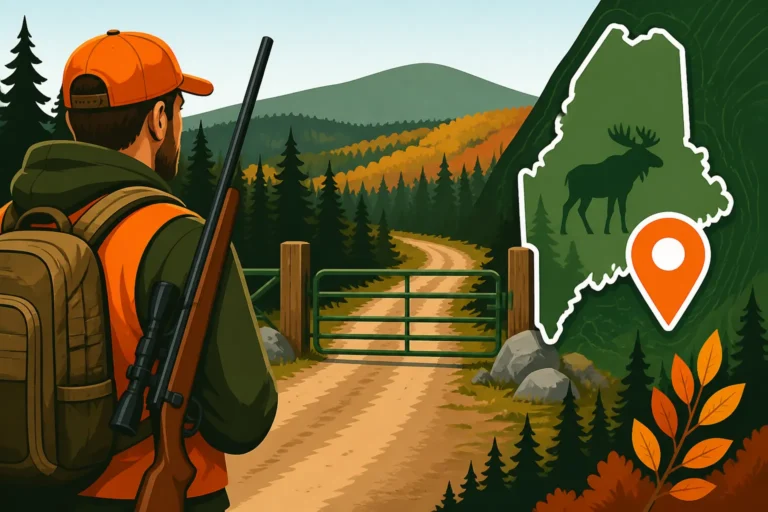
Entering the North Maine Woods typically involves passing through one of many manned gates or self-service stations. These checkpoints are where you'll register your entry, pay any applicable fees, and receive important information about road conditions, closures, and regulations for your chosen zone. The process is designed to be efficient, but it does require you to be prepared with your identification and knowledge of the rules. Each gate often covers a vast area, so knowing which one provides the best access to your desired hunting grounds is key. For a deep dive into the specifics, you might want to read Which North Maine Woods Gate to Use.
When you arrive at a gate, expect to provide details about your party, your vehicle, and your intended activities. This helps NMW track usage, respond to emergencies, and enforce regulations. Even when utilizing free access, the registration process is mandatory. You’re not just waving a pass and driving through; you’re formally checking in. This system, while sometimes feeling a bit like a bureaucratic hurdle, is essential for safety in such remote country, allowing NMW personnel to know who is in the woods and where they are generally headed.
Who Qualifies for Free Access: Youth and Seniors
The North Maine Woods organization has specific, yet generally understood, categories for who qualifies for free access. These aren't just arbitrary distinctions but are carefully designed to support specific demographic groups in their outdoor pursuits.
Defining "Youth" for NMW Access
For the purposes of North Maine Woods access, "youth" typically refers to individuals under a certain age threshold. This usually aligns with common age brackets for junior hunting licenses or other youth-specific programs in the state. The idea is to make it easier for parents, grandparents, or mentors to bring young people into the woods, exposing them to hunting, fishing, and the wonders of nature without adding an extra financial burden to the trip.
Imagine a scenario where a parent is planning a multi-day deer hunt with their 12-year-old. Paying for their own access, plus the child's, could quickly add up. By granting free access to the child, the NMW removes that specific cost, making it more feasible for families to create those invaluable shared experiences. It's an investment in conservation and the future of outdoor sports, encouraging early engagement with Maine's natural heritage. This often complements programs like Maine Mentored Youth Hunting Rules, providing a seamless pathway for young adventurers.
Defining "Senior" for NMW Access
Similarly, "senior" access is typically granted to individuals over a certain age. This threshold often mirrors the age at which many people qualify for senior discounts elsewhere or when they may begin to rely on a fixed income. The intent here is to honor the contributions of older generations and ensure that financial constraints don't prevent them from continuing to enjoy the vast outdoor opportunities the North Maine Woods offers.
Consider an individual who has been hunting Maine for decades, perhaps since childhood. As they reach their golden years, the cost of NMW access, combined with other travel and hunting expenses, might become prohibitive. Free senior access allows them to continue their traditions, maintain their connection to the land, and perhaps even pass on their knowledge to younger hunters. It's about respecting longevity and dedication to the outdoors, ensuring that age doesn't become a barrier to enjoying what many consider to be their spiritual home.
Specific Requirements for Each Group
While the core concept is free access for youth and seniors, there are always specific requirements that need to be met. For youth, this generally means they must be accompanied by an adult who is paying the standard access fee (if applicable for the adult) and they might need to present some form of identification confirming their age. The accompanying adult is responsible for the youth's conduct and adherence to NMW rules.
For seniors, the primary requirement is usually proof of age, such as a valid driver's license or state ID. There might be a minimum age that changes from time to time, so it's always best to verify before your trip. The NMW checkpoint staff are generally very helpful and understanding, but they do need to see the proper documentation to grant the free entry. It's a simple step that ensures the program is used as intended and helps maintain the integrity of the fee structure for everyone else. Think of it like showing your ID for a discount at the grocery store – simple, quick, and necessary.
The Application and Verification Process for Free Access
Even though the access is "free," it's not an open-door policy without any checks. There's a process, and understanding it beforehand will save you time and potential frustration at the gate. Being prepared is half the battle when venturing into the North Maine Woods.
Gathering Necessary Documentation
For youth, the primary documentation needed is usually proof of age. A birth certificate or a state-issued ID card might be required, though often, simply stating the child's age in the presence of an adult can suffice, especially for younger children. However, it's always best practice to carry some form of proof, just in case. For instance, if you're bringing a teenager who looks older than the youth cut-off age, having their school ID or a copy of their birth certificate can prevent any holdups.
For seniors, a valid government-issued photo ID that clearly displays your date of birth is almost always required. This could be your driver's license, a state identification card, or even a passport. The checkpoint attendant needs to verify that you meet the age criteria for free access. It's not about being nosy, it's about following established protocols. Having these documents readily accessible, rather than buried deep in a backpack, will make your entry much smoother and quicker, getting you into the woods faster.
The Process at the Gate or Online
When you arrive at a North Maine Woods gate, whether it's one of the larger, manned checkpoints or a smaller self-service station, the process for claiming your free access is generally straightforward. At a manned gate, simply inform the attendant that you are applying for youth or senior free access and present your identification or the youth's proof of age. They will register you in their system, verify your eligibility, and issue you the necessary permit or pass. This is a great opportunity to ask about current road conditions or any specific area closures, as the gate attendants are often a wealth of local knowledge.
While some aspects of NMW planning can be done online, the actual verification for free youth and senior passes typically occurs in person at the gate. This ensures that the individual seeking free access is present and that their eligibility can be confirmed directly. While the NMW system allows for certain online registrations for general access, the specific free categories usually require that face-to-face interaction to prevent misuse and ensure accuracy. Always confirm any online options if you're planning far in advance, but expect to show your documentation upon arrival.
Common Pitfalls and How to Avoid Them
One of the most common pitfalls is simply not having the proper identification or misinterpreting the age requirements. Imagine driving hours to a remote gate only to be turned away because your child doesn't have an ID or you're just a few months shy of the senior age cutoff! Always double-check the specific age requirements for youth and seniors directly with the North Maine Woods organization before your trip. Their official website or a quick phone call can save you a lot of grief.
Another common issue can be arriving at a self-service gate unprepared. While you might still get free access if eligible, these gates rely on you accurately completing the paperwork and leaving the correct documentation if required. If there’s any doubt about your eligibility or paperwork, it’s always better to use a manned gate if possible, or call ahead to get clarification. Finally, remember that even with free access, you must still adhere to all other NMW rules and regulations, including Camping Rules Inside North Maine Woods and any specific vehicle restrictions or permit requirements for certain activities. Free access applies to the entry fee, not necessarily to every permit or activity.
Planning Your Free Access Hunt: Tips and Considerations
Securing free access is a fantastic first step, but a successful North Maine Woods hunt or outdoor adventure requires thorough planning, especially when you're aiming to maximize a budget-friendly trip.
Scouting with Digital Tools
Even without breaking the bank on access fees, effective scouting is paramount. This is where modern digital tools truly shine. Apps like onX Hunt and GoHunt are invaluable resources for understanding land ownership, topography, and potential game habitat within the NMW. You can use their layers to identify public reserved lands that might be within the NMW system, understand elevation changes, and locate potential bottlenecks or travel corridors for deer and moose. Using an App for North Maine Woods Land Status can provide further insight.
Before you even leave your driveway, you can spend hours virtually scouting the areas you plan to visit. Look for old logging cuts, beaver flowages, remote ponds, or areas with diverse forest types that might hold game. These apps allow you to mark waypoints, measure distances, and save offline maps—crucial in an area with notoriously spotty cell service. By layering different data, such as public access points and habitat features, you can develop a solid plan, even for areas you've never set foot in. For more specific digital insights, exploring onX Layers for Maine Land Status might be very beneficial.
Essential Gear for a Budget Hunt
When you're looking to save money on NMW access, you likely want to keep other costs down too. This means prioritizing essential gear over luxuries. Focus on reliable, multi-purpose items. A good quality tent, a comfortable sleeping bag rated for Maine's chilly nights, a reliable cooking system, and appropriate layers of clothing are far more important than the latest gadget. Don't forget a robust first-aid kit, a compass and map (and know how to use them, even with GPS!), and plenty of water.
Rather than buying all new gear, consider borrowing from friends, checking out used gear sales, or investing in items that will last many seasons. A sturdy pair of hiking boots and a dependable pack will serve you better than expensive optics if you're on a tight budget. Remember, the NMW is wild country, and preparedness isn't optional, regardless of how much you spent on access. Safety and comfort in the backcountry should always be your top priority, even on a shoestring budget.
Food and Lodging Considerations
Camping is almost always the most budget-friendly lodging option in the North Maine Woods. With your free access secured, finding a suitable campsite, whether it's a designated NMW site or a more primitive spot, is your next step. Plan your meals carefully: bring non-perishable, calorie-dense foods that don't require extensive cooking. Dehydrated meals, canned goods, and hearty sandwiches can fuel your adventures without breaking the bank. Don't forget plenty of snacks for energy throughout the day.
If camping isn't your preference, sporting camps and lodges do exist within the NMW, but they come at a cost. While free access helps, these accommodations can quickly add up. However, for those looking to combine budget-friendly entry with some creature comforts, consider staying just outside the NMW boundaries in a more affordable motel or Airbnb, and then commuting into the woods each day. This can be a practical compromise, allowing you to enjoy the wilderness by day and a warm bed by night. Just factor in the additional driving time, especially if you're trying to reach a remote hunting spot.
Maximizing Your North Maine Woods Experience on a Budget
Having free access is a huge advantage, but to truly make the most of it, you need to understand how to leverage the unique characteristics of the NMW, even when every dollar counts.
Leveraging Public Reserved Lands within NMW
While the North Maine Woods is predominantly private timberland, there are pockets of public reserved lands scattered throughout the region. These parcels are managed by the State of Maine and offer additional access opportunities that might not be subject to the same strict fee structures as the NMW's private holdings, though they are still often accessed through NMW gates, making the free access for youth and seniors even more valuable for reaching them. These areas can sometimes offer less pressured hunting because many hunters focus on the heavily advertised private timber company lands.
Always consult detailed maps, like those found on onX Hunt or from the Maine Bureau of Parks and Lands, to pinpoint these public parcels. They can be fantastic destinations for still-hunting deer, grouse, or woodcock. By identifying and targeting these areas, you can extend your hunting opportunities and diversify your experience without incurring additional costs. Knowing how to read aerial photos for Reading Aerial Photos for North Woods Deer can help you pinpoint these hidden gems and maximize your efforts.
Choosing the Right Zones for Your Game
The North Maine Woods is massive, encompassing many different Wildlife Management Districts (WMDs) and habitat types. Don't just pick a random gate and hope for the best. Research which WMDs within the NMW are known for the game you intend to pursue. If you're chasing moose, you'll focus on certain northern zones. If you're after deer, some WMDs have higher densities and better age structures than others. For small game like grouse or snowshoe hare, habitat type will be your biggest indicator.
Consider the time of year as well. Early season might mean focusing on food sources, while later in the season, thermal cover or deer wintering yards become critical. Your free access means you can explore these different zones without the added cost pressure, allowing you to be more strategic in your choice. Researching the best WMDs for specific species will allow you to pinpoint your efforts and increase your chances of success. Understanding North Maine Woods Day-Use Fees can provide context even if you're exempt.
Embracing a Primitive, Cost-Effective Approach
Hunting and recreating in the North Maine Woods lends itself naturally to a more primitive, self-sufficient style. Embrace it! Instead of relying on expensive outfitter services or luxurious camps, plan a self-guided trip. This not only saves money but also enhances the sense of accomplishment and connection to the wilderness. Pack light, plan for contingencies, and be prepared to rely on your own skills.
Your free access for youth or seniors helps mitigate initial entry costs, freeing up resources for essentials like fuel, food, and necessary gear. By adopting a "roughing it" mentality, you'll discover the true spirit of the North Maine Woods and create memories that far outweigh any monetary savings. It’s about the experience of truly being in the wild, not just the hunt itself. This approach often leads to Finding Ground That Sees Fewer Hunters, as many are unwilling to go off the beaten path.
Beyond Free Access: Other Ways to Save on NMW Trips
While free access for youth and seniors is a fantastic benefit, there are other strategies you can employ to make your North Maine Woods adventures even more affordable for your entire party.
Group Planning and Cost Sharing
Even if some members of your party don't qualify for free access, sharing costs can significantly reduce the financial burden for everyone. Traveling in a group means splitting fuel costs for vehicles, sharing camping fees, and often reducing food expenses by cooking together. If you're carpooling, that's immediate savings on gas, which can be substantial given the distances often covered to reach and explore the NMW.
Consider a multi-generational trip: a senior receives free access, a youth also gets free access, and the working-age adults split the remaining costs. This model makes an NMW trip much more attainable for families. Group planning also extends to gear – perhaps one person has a large tent, another a portable stove, and another a robust GPS unit. Sharing these resources prevents everyone from having to buy everything new. For those considering staying in the region, group rates for sporting camps or cabins can also make a guided experience more feasible, especially if you're looking into something like Applying for a Maine Moose Permit and want to stay local for a drawn tag.
Consideration of Other Free Access Areas in Maine
While the North Maine Woods offers incredible opportunities, it's not the only place to hunt in Maine. The state boasts millions of acres of public land, including Wildlife Management Areas (WMAs), Public Reserved Lands, and various federal lands that are generally free to access. If the NMW fees (even for those who don't qualify for free access) are still too steep, or if you're looking for different types of hunting experiences, consider exploring these alternatives.
Many of these public lands offer excellent hunting for deer, moose, bear, upland birds, and small game. They often have established trail systems, designated parking areas, and are managed specifically for wildlife and recreation. Places like the various WMAs are fantastic resources for hunters of all stripes. While they might not offer the same vast, uninterrupted wilderness feel as the North Maine Woods, they are nonetheless valuable and completely free to enter. Researching Maine Public Reserved Land Explained can open up many more options for budget-conscious hunters.
Maine Hunter Education Requirements
Bringing youth into the North Maine Woods for hunting isn't just about free access; it's also about ensuring they are properly educated and safe. Maine has specific Maine Hunter Education Requirements that all first-time hunters must meet, regardless of age. If you're planning to take a young person into the woods to hunt, make sure they have completed the necessary courses and obtained their hunter education certificate. This is a non-negotiable step for ethical and legal hunting.
Even if you're not hunting, understanding basic safety and outdoor ethics is crucial when venturing into any wilderness area, especially one as remote as the NMW. Free access removes a financial barrier, but it doesn't remove the responsibility of being a knowledgeable and safe outdoor participant. For seniors, if it's been a long time since you've brushed up on safety, a quick review of current regulations is always a good idea, as things change over time.
Here's a quick comparison of general NMW fees versus free access options:
| Access Type | Typical Daily Fee (Resident/Non-Resident) | Required Documentation | Benefits | Limitations |
|---|---|---|---|---|
| General Public | Varies by residency and stay duration | Driver's License | Access to all NMW lands and facilities | Requires payment of daily/multi-day fees |
| Youth (under X age) | Free | Proof of Age (e.g., ID) | Encourages new generation, no access fee | Must be accompanied by an adult, age limit applies |
| Senior (over Y age) | Free | Proof of Age (e.g., ID) | Honors experience, no access fee, sustained access | Age limit applies |
(Note: "X" and "Y" are placeholders as specific age cutoffs are subject to change and should be verified directly with North Maine Woods organization.)
Disclaimer
This article is for general informational purposes only and does not constitute professional advice. Laws, prices and regulations vary by location and change over time. Consult a qualified professional for guidance on your specific situation.