Hunting a Drawn Moose Zone in the North Woods
Drawing that elusive Maine moose permit is a once-in-a-lifetime dream for many, but the real challenge begins once you have that precious piece of paper in hand. The vast, rugged North Woods can be overwhelming, making the thought of actually finding and harvesting a moose feel daunting, even after years of applying. This guide will walk you through everything you need to know about effectively hunting a drawn moose zone in the North Woods, from meticulous pre-hunt planning to the critical process of getting your animal out of the woods.
The Weight of a Drawn Permit: Understanding Your Opportunity
Finally seeing your name on that list for a Maine moose permit is an incredible feeling. It’s often the culmination of years, sometimes decades, of diligent application through the Maine Moose Lottery Application Process. But the reality quickly sets in: now you have to make the most of it. This isn't just any hunt; it's a chance to immerse yourself in Maine's iconic wilderness and pursue one of North America's most magnificent big game animals.
Decoding Your Moose Zone Assignment
When you draw a permit, it's tied to a specific Wildlife Management District (WMD) and a specific week within the season. Understanding the nuances of your assigned WMD is the first, and arguably most important, step. Maine's WMDs are incredibly diverse, from the thick, swampy cedar bogs of the eastern zones to the mountainous hardwood ridges of the west. Some zones are characterized by vast stretches of industrial timberland, crisscrossed by logging roads, while others might encompass more remote, protected areas or private sporting camps.
What a Drawn Moose Zone Assignment Means extends beyond just a map boundary; it tells you about the predominant habitat, typical moose densities, and even the level of hunting pressure you might expect. For example, a zone like WMD 1, deep in the North Woods, will offer a completely different experience and set of challenges than a more accessible zone further south. The week you draw also plays a huge role. Early season might mean warmer weather and more active feeding, while later weeks could coincide with the peak of the rut or the first snows, dramatically altering moose behavior and your hunting strategy.
Researching Your Specific Wildlife Management District (WMD)
Once you know your WMD, it's time to become a detective. Start by delving into everything you can find about that specific area. The Maine Department of Inland Fisheries and Wildlife (MDIFW) offers harvest reports and general information that can provide a baseline understanding of moose populations and historical success rates in your zone. However, this is just the beginning.
Modern tools are a game-changer here. I highly recommend investing in a good mapping app like GoHunt or onX Hunt. These platforms allow you to overlay satellite imagery with public and private land boundaries, topography, and even recent timber cuts. Look for key features:
- Logging activity: Fresh clear-cuts or recent selective harvests are often moose magnets. The regenerating browse, like saplings and shrubs, provides excellent forage, and the open canopy allows sunlight to reach the forest floor, stimulating new growth.
- Water sources: Moose are semi-aquatic, and ponds, bogs, and stream corridors are vital. They seek out aquatic vegetation and use these areas for cooling and escape cover.
- Terrain features: Ridge lines, saddles, and dense cedar swamps can act as travel corridors or bedding areas. Identifying these on a map helps you predict moose movement.
I remember one year, a buddy drew WMD 4, which has a mix of private industrial timberland and some harder-to-reach public parcels. Using an app like GoHunt, he spent weeks digitally scouting, identifying recent cuts and old logging roads that showed signs of being less traveled. This focused his physical scouting efforts and ultimately led him to a prime area holding several bulls. Without that initial deep dive into the map, he would have been driving aimlessly.
Pre-Hunt Preparation: More Than Just Packing a Bag
A successful North Woods moose hunt isn't just about luck; it's about meticulous preparation. From scouting the perfect habitat to ensuring your gear is up to the task, every detail counts. This isn't a whitetail hunt you can just wing; the scale of the landscape and the animal demands a higher level of commitment.
Intensive Scouting and Digital Reconnaissance
Your digital scouting should lead directly into physical scouting if at all possible. Nothing beats boots on the ground, or tires on the gravel, to confirm what you see on the maps. If you're a nonresident or live too far away for multiple trips, try to plan at least one scouting trip well before your season opens, ideally in late summer or early fall.
During your scouting, look for fresh moose sign:
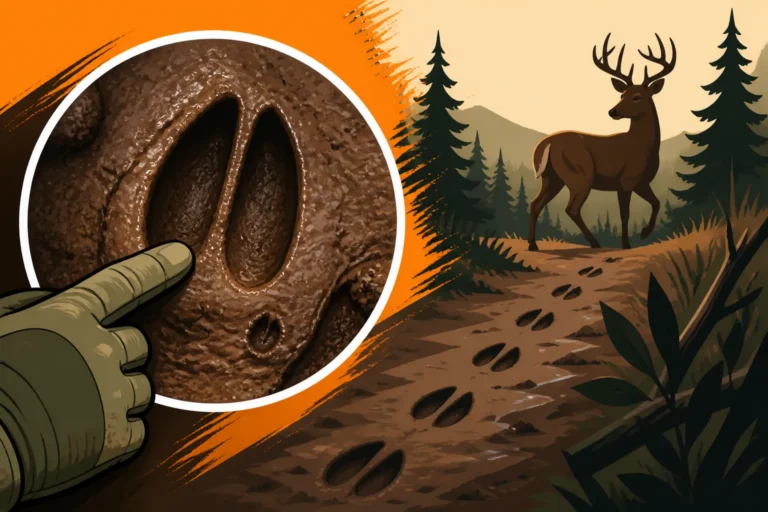
- Tracks: Size and freshness will tell you a lot. Large, defined tracks in soft ground are what you're after.
- Droppings: Piles of fresh, olive-sized pellets indicate recent activity.
- Browse: Moose are browsers, not grazers. Look for broken twigs and stripped bark on saplings, especially poplar, willow, and maple.
- Rubs: In the pre-rut and rut, bulls will rub their antlers on small trees, leaving shredded bark.
- Wallows: During the rut, bulls will dig shallow depressions, urinate in them, and roll, leaving distinct, muddy craters.
Pay close attention to specific areas identified during your digital reconnaissance. If you found a promising clear-cut, drive or walk it. Look for distinct game trails leading into and out of dense cover, especially near water or bedding areas. This is also where you'll want to think about Where Maine Bucks Bed in Big Timber as some of the principles for mature deer apply to moose seeking security cover. Remember, the North Maine Woods is vast, and covering ground efficiently is key. Focus on areas where food, water, and cover converge.
Essential Gear and Logistics for the North Woods
Packing for a North Woods Moose Hunt is an entirely different beast than packing for a weekend deer hunt. The remote nature of many WMDs means you need to be self-sufficient and prepared for anything.
Key Gear Considerations:
- Navigation: Redundant navigation is crucial. A GPS unit, a smartphone with offline maps (like your GoHunt app), and a physical compass and map are non-negotiable. Batteries, charging banks, and familiarity with all your devices are paramount.
- Hunting Weapon: A rifle chambered for a heavy-hitting cartridge (e.g., .30-06, .300 Win Mag, .338 Win Mag) is standard. Ensure your rifle is sighted in and you're proficient with it. Bring plenty of ammunition.
- Clothing: Layers, layers, layers! The weather in northern Maine can change rapidly. Waterproof outer layers, insulated mid-layers, and moisture-wicking base layers are essential. Blaze orange is required; make sure you have enough to meet Maine's regulations.
- Shelter/Emergency: A small emergency kit, including a space blanket, fire starter, first-aid kit, and extra food/water, is always a good idea, even for day hunts.
- Moose Processing Gear: This is often overlooked until it's too late. You'll need:
- Sharp knives: Multiple, sturdy knives, a sharpener, and a bone saw.
- Game bags: Essential for keeping meat clean and free from flies. Plan for at least four large quarter bags.
- Tarps: For keeping meat off the ground.
- Rope/pulley system: For hoisting quarters or maneuvering the animal.
- Coolers: Plenty of large coolers filled with ice for transport.
- Sled or cart: If you plan to quarter and drag out by hand.
- ATV/UTV/Truck: For larger extractions, understand the rules of your WMD regarding vehicle access.
Logistical Planning:
- Food and Water: Plan for all meals, snacks, and ample water. It's better to have too much than too little.
- Fuel: Distances are vast in the North Woods. Carry extra fuel for your vehicle and ATV.
- Communication: Cell service is spotty to nonexistent. A satellite messenger (Garmin inReach or Zoleo) is a lifesaver for emergencies.
- Accommodation: Whether it's a tent camp, RV, or a local sporting camp, book well in advance. Consider staying at a Maine Sporting Camp Explained for a traditional experience with added amenities.
Physical Conditioning and Mental Fortitude
Moose hunting is physically demanding. You'll be walking miles, often through thick brush, over uneven terrain, and potentially dragging or carrying heavy loads. Start a fitness regimen well before your hunt:
- Cardio: Improve your endurance with hiking, running, or cycling.
- Strength: Focus on core, leg, and back strength. Weighted pack walks are excellent preparation.
- Stretching: Flexibility will help prevent injuries in the field.
Beyond the physical, the mental game is huge. Long hours of fruitless searching, navigating dense cover, and the sheer effort involved can be discouraging. Maintain a positive attitude, be persistent, and embrace the challenge. The North Woods demands respect and resilience.
Mastering Moose Behavior and Communication
To effectively hunt moose, you need to think like a moose. Understanding their daily patterns, seasonal shifts, and how they communicate is paramount to putting yourself in the right place at the right time.
Understanding Moose Cycles and Rut Activity
Maine moose are creatures of habit, but their behavior is heavily influenced by the time of year and weather.
- Pre-Rut (Late September/Early October): Bulls are often solitary, feeding heavily to build energy for the upcoming rut. They may begin to make rubs and spar with smaller bulls. Cows are often still with their calves. This is a good time for still-hunting feeding areas.
- Peak Rut (Mid-October to early November): This is when things get exciting. Bulls are actively seeking cows, less wary, and more responsive to calls. Cows also become vocal. This is generally the most productive time for calling. The timing of your permit week in relation to the rut's peak can dramatically affect your strategy. Some WMDs might see the rut peak slightly earlier or later depending on geography and population dynamics.
- Post-Rut (Late November/December): Bulls are exhausted and often solitary again, focusing on feeding to recover lost weight before winter. They become much more difficult to call and typically hold tight to thick cover. This is often the time to find moose in Maine Deer Wintering Yards Explained, as moose will use similar dense stands for thermal cover.
Weather plays a huge role. Warm, sunny days can make moose less active and push them into dense, shaded cover or water to cool down. Cooler, overcast, or even rainy days can see increased activity, especially during the rut. Keep an eye on the forecast and adjust your hunting strategy accordingly.
Calling Strategies for Maine Moose
Calling is one of the most exciting and effective methods for hunting moose, especially during the rut. There are three primary calls:
- Cow Call: A long, mournful "moo-ahh-moo-ahh" that sounds like a cow looking for a bull. This is usually the primary call to get a bull's attention. Practice with an open reed call or even just your cupped hands.
- Bull Grunt: A deeper, guttural "unh-unh-unh" that signals a bull is in the area. This can challenge other bulls or assure a searching cow.
- Raking: Simulating a bull raking his antlers on brush or saplings. Use a shed antler, a shovel, or even a sturdy stick to make noise in the brush. This is an aggressive challenge that can bring a bull charging in.
How to call effectively:
- Patience is key: Moose move slowly. Call for a few minutes, then wait 15-20 minutes, listening intently for a response.
- Mimic reality: Combine cow calls with raking, as a real bull often does both. Start with a cow call to get attention, then add raking to draw him in.
- Location: Call from elevated positions if possible, allowing your sound to carry. Always have good visibility and shooting lanes downwind, as a smart bull will often circle to catch your scent.
- Timing: Early morning and late evening are often the best times, especially during the rut.
- Don't overcall: Too much calling can make a bull suspicious. It's often better to call less frequently but with conviction.
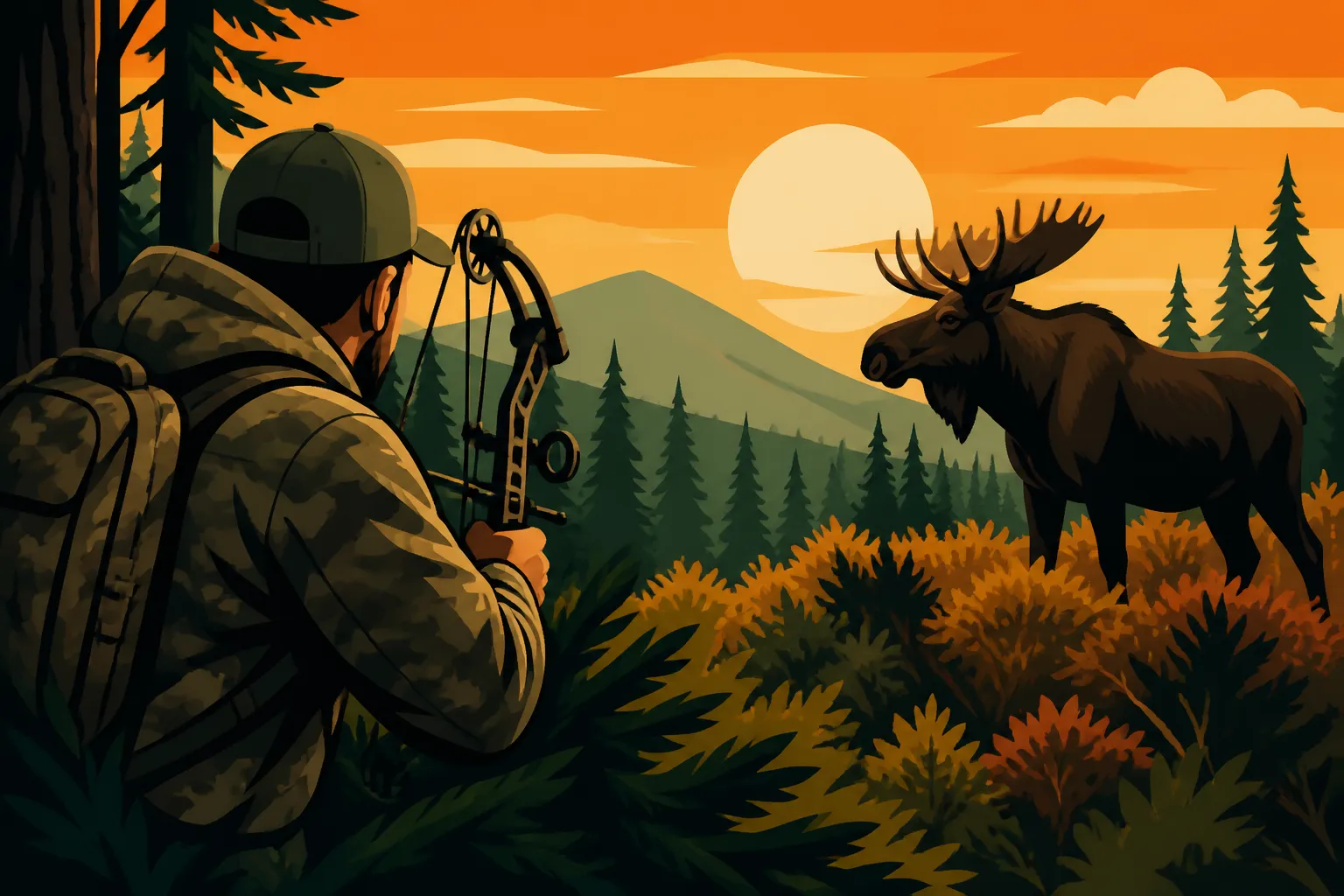
I've had personal success with Calling a Bull Moose in Late September. One crisp October morning in WMD 7, I set up overlooking a recent clear-cut that sloped down into a cedar swamp. After a series of drawn-out cow calls and aggressive raking with a shed antler, about twenty minutes later, a deep grunt echoed from the swamp. I immediately went silent, heart pounding. Another five minutes passed, and suddenly, a massive bull stepped out of the thick cover, sniffing the air, responding to the challenge. It was an unforgettable moment.
On the Ground Tactics: Hunting Your Chosen Zone
With your research done and calls practiced, it's time to put boots on the ground. The vastness of the North Woods means you need a strategic approach to cover ground and find moose.
Still-Hunting and Spot-and-Stalk in Dense Cover
Still-hunting is perhaps the most traditional and rewarding method for moose in thick country. It involves moving slowly, taking a few steps, then stopping to scan and listen for an extended period. This allows you to observe your surroundings carefully, pick up on subtle signs, and hear moose before they hear you.
- Move into the wind: Always try to move with the wind in your face or quartering. Moose have an incredible sense of smell.
- Use binoculars: Scan every shadow, every cluster of alders. Moose are masters of camouflage, and often only a patch of black hide or an antler tip will give them away.
- Listen: Their large ears can pick up the sounds of a breaking twig or a distant grunt. Listen for the subtle swish of their fur against branches, or the splashing sound of them feeding in a bog.
- Focus on transition zones: Edges of clear-cuts, where dense cover meets open feeding areas, and the fringes of swamps are prime spots for still-hunting.
Spot-and-stalk is more applicable in areas with greater visibility, such as large clear-cuts, powerline corridors, or burn areas.
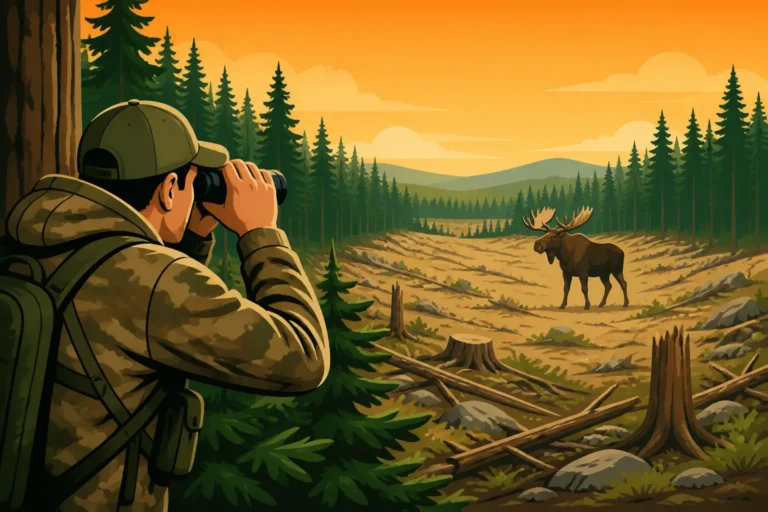
- Glassing: Find an elevated vantage point overlooking a promising area. Use high-quality binoculars or a spotting scope to methodically Glassing a Cut for a Bull Moose. Spend considerable time scanning, especially during prime feeding hours (early morning and late evening).
- Plan your approach: Once you spot a moose, use terrain features, wind direction, and cover to plan your stalk. Moose can be surprisingly alert, even when feeding. Take your time, move slowly, and avoid sudden movements.
Consider the layout of the land using your GoHunt mapping software. It's excellent for finding those small openings, saddles, or drainages that might offer a clear view or a stealthy approach.
Utilizing Logging Roads and Cuts
Logging roads are the arteries of the North Woods, providing access deep into moose habitat. They can be invaluable for hunting, but also require careful strategy.
- Road Hunting (Ethical Considerations): While legal in Maine, merely driving roads hoping to spot a moose is often frowned upon and less effective. Use roads for access, then get out and still-hunt or call.
- Roadside Access: Focus on walking quiet sections of abandoned or less-used logging roads at dawn and dusk. Moose often use these clearings for travel and feeding on roadside vegetation.
- Intersections and Turns: These are natural funnel points where moose might cross. Set up and call, or still-hunt the thick cover radiating from these points.
- Fresh Cuts: Recent logging operations create excellent moose habitat by providing abundant browse. Drive or walk the perimeters of these cuts, looking for trails leading into the dense, regenerating growth. Be aware that these areas can be incredibly thick and challenging to navigate on foot, but the payoff can be huge.
It's also worth understanding the rules and regulations surrounding access on private industrial timberland, which is common in moose country. Many areas are part of the North Maine Woods Checkpoint Tract, requiring fees and adherence to specific rules. Always verify access rules before heading out.
Incorporating Guides and Local Knowledge
For many who draw a moose permit, especially nonresidents or first-timers, hiring a Registered Maine Guide is a smart investment.
- Local Expertise: Guides possess invaluable knowledge of the terrain, moose behavior in specific WMDs, and proven tactics. They often have established scouting areas and deep understanding of moose habitat in the North Woods.
- Logistical Support: A good guide will handle much of the camp logistics, transport, and, crucially, the often-monumental task of Getting a Moose Out of the North Woods.
- Increased Success: While no guide can guarantee a moose, their experience significantly increases your odds. They can also offer critical safety guidance in this remote environment.
- Choosing a Guide: When considering Hiring a Guide for a Drawn Moose Permit, look for guides specializing in moose, ideally within your specific WMD. Ask for references and discuss their success rates and hunting philosophies.
Even if you don't hire a full-time guide, chatting with locals, sporting camp owners, or even other hunters in the area can provide useful tidbits of information. Always be respectful and share stories, not exact locations.
The Crucial Aftermath: Field Care and Extraction
You've done it! The bull is down. But the hunt is far from over. This is where the real work begins, and it's critical to act quickly and efficiently to ensure your hard-earned meat doesn't spoil.
Field Dressing a Moose in the North Woods
Moose are enormous animals, weighing upwards of 800-1,200 pounds or more. Getting them cooled down and processed quickly is paramount, especially if temperatures are mild.
- Safety First: Ensure the animal is expired before approaching. Be aware of its surroundings, and your footing.
- Bleed the Animal: A quick, deep cut to the neck or chest will help cool the carcass faster.
- Evisceration: Remove all internal organs as quickly as possible. This reduces heat and weight. Roll the moose onto its back to aid in this process, or if alone, work quickly. A buddy system or even a small game hoist can make this easier.
- Skinning (Optional but Recommended): If temperatures are warm, skinning the animal in the field is highly recommended. It allows the meat to cool much faster. This is an immense task but can save your meat.
- Quartering: Due to their immense size, moose are almost always quartered in the field. This means separating the animal into four legs, two backstraps, and two tenderloins. A quality bone saw is essential here. You'll likely need to separate the rib meat as well. Wrap each quarter in breathable game bags immediately. This process is fully detailed in Field Dressing a Moose in the North Woods.
Remember, you have to register your moose. Maine requires you to register your moose at a designated registration station. The skull and lower jaw must remain with the meat until it's registered.
Getting a Moose Out of the North Woods
This is often the most challenging part of the entire hunt. A mature bull can weigh half a ton, and dragging a whole moose is nearly impossible in most North Woods terrain.
- Quartering is Key: As mentioned, quartering in the field is almost always necessary. Each quarter can still weigh 100-200 pounds.
- ATV/UTV: If allowed and accessible, an ATV or UTV with a winch and a sturdy trailer or sled is often the most practical method. Be mindful of vehicle access rules in your WMD; some areas restrict motorized vehicles to designated roads. GoHunt's mapping layers can often show legal ATV trails.
- Human Power: If vehicle access isn't possible, a team of strong individuals, utilizing game carts, specialized moose sleds, or even packing frames, will be needed. This is where physical conditioning truly pays off.
- Pack in, Pack out: Whatever you use to get in, remember you'll likely need to pack out substantially more weight. Factor in equipment for multiple trips if necessary.
- Cooling and Transport: Once quartered and bagged, get the meat into coolers with ice as soon as possible. Transport it to a processor or your home cooler setup swiftly. Rapid cooling prevents spoilage and improves meat quality.
I've seen hunters spend days getting a moose out of a remote bog. It's an arduous task that requires teamwork, planning, and perseverance. Don't underestimate this phase of the hunt. Having a plan for Getting a Moose Out of the North Woods before you even pull the trigger is crucial.
Safety, Ethics, and Maine Moose Hunting Culture
Hunting in Maine, especially for moose, carries with it a strong tradition of safety, respect, and ethical conduct. Understanding and upholding these principles is as vital as any hunting tactic.
Navigating the North Maine Woods Checkpoint Tract
A significant portion of Maine's prime moose habitat falls within the North Maine Woods (NMW), a privately managed system of over 3.5 million acres of commercial forestland. Accessing this area means going through a checkpoint and paying a fee.
- Permits and Fees: You'll need to stop at a NMW gate (e.g., Telos Gate, Harvey's Gate) to register, pay day-use or multi-day fees, and get maps. Understand the rules about vehicle use, camping, and fire.
- Respecting Industrial Operations: The NMW is an active logging area. You will encounter logging trucks and heavy machinery. Always give way to these vehicles and be aware of active cutting areas. Safety is paramount around active operations.
- Road Conditions: Roads can be rough, muddy, and remote. Be prepared for flats, carry a spare tire, and know how to change it. A sturdy, high-clearance vehicle is recommended.
- Communication: As mentioned, cell service is often nonexistent. Inform someone of your route and expected return time. A satellite messenger is highly recommended. For more details, see Hunting a North Maine Woods Checkpoint Tract.
Respecting the Resource and Other Hunters
Maine's hunting heritage is built on respect for the land, the animals, and fellow outdoorsmen.
- Ethical Shot Placement: Only take shots that offer a high probability of a clean, humane kill. Pass on marginal shots, especially with an animal as large as a moose. Tracking a wounded moose in the North Woods is incredibly difficult and dangerous.
- Retrieval Efforts: Once you've shot a moose, your ethical obligation is to retrieve it. Put every effort into tracking and recovering the animal. If you need help, don't hesitate to ask fellow hunters or call a local game warden.
- Sharing the Woods: You'll likely encounter other hunters, especially during prime moose season. Be courteous, avoid encroaching on another party's hunting area, and share information respectfully when appropriate.
- Leave No Trace: Pack out everything you pack in. Leave your camp and hunting areas cleaner than you found them.
- Maine Deer Camp Traditions: Embrace the camaraderie if you're staying in a camp. Many hunters return to the same camps year after year, forming bonds that last a lifetime. These are often built on mutual respect and shared experiences.
A Maine moose hunt is more than just pulling a trigger; it's an immersive experience in one of the wildest places left in the Eastern US. By preparing thoroughly, understanding your zone, mastering key tactics, and upholding ethical hunting principles, you'll be well on your way to a memorable and successful adventure in the North Woods.
Disclaimer
Hunting is an inherently dangerous activity. This guide provides general information and recommendations but cannot cover all potential risks or scenarios. Always prioritize safety, adhere to all local, state, and federal hunting regulations, and consider seeking professional guidance from a Registered Maine Guide. The information provided is for educational purposes and should not replace proper training, experience, or official wildlife department guidelines.