North Maine Woods Camping Fees
Planning a trip into Maine's vast North Woods can feel like stepping into another world, a magnificent expanse of timberlands and waterways. But for many first-timers, the financial reality of accessing and staying in this private working forest can come as a bit of a surprise. Unlike many state or federal public lands, the North Maine Woods operates under a unique fee system for both day-use and overnight camping, which is absolutely essential to understand before you pack your gear and head north. This guide will walk you through the ins and outs of North Maine Woods camping fees, helping you budget and prepare for an incredible, hassle-free adventure in the heart of Maine.
The Unique Nature of North Maine Woods Access Fees
The North Maine Woods is a truly special place, a mosaic of privately owned timberlands that spans millions of acres, primarily managed for sustainable forestry. This isn't your typical state park or national forest, and because of that, the rules of access and the fee structures are distinctly different. Many hunters, anglers, and outdoor enthusiasts are accustomed to public land access, where fees are minimal or non-existent, and it can be a bit of a shock when they first encounter the gate system and associated costs in the NMW.
Why Fees Are a Reality in the NMW
The fees collected in the North Maine Woods aren't just arbitrary charges; they are the lifeblood of maintaining this unique access system. These lands are owned by a variety of timber companies and private landowners who generously permit public recreational use. However, allowing millions of acres of private land to be used by the public comes with significant costs. These include road maintenance – think about the sheer mileage of gravel logging roads that need constant grading and upkeep – bridge repairs, gatehouse operations, and general administrative expenses. Without these fees, it simply wouldn't be economically feasible for the landowners to keep these vast tracts open to the public. It's a pragmatic solution that benefits everyone who cherishes the experience of being deep in the Maine wilderness. It’s a crucial model for Maine's Private Land Access Tradition.
Imagine driving hundreds of miles on well-maintained gravel roads, often passing through remote areas with no services. Those roads don't maintain themselves, and the gates that help manage traffic and track visitors require staff. The fees ensure that you can continue to experience these wild lands, hunt and fish, and simply enjoy the solitude without compromising the landowners' ability to manage their commercial forest operations. It's a delicate balance, and the fee system is key to its success.
Understanding the Role of Private Landownership
The concept of private land ownership is fundamental to understanding the North Maine Woods fee system. Unlike national forests or state parks, which are publicly owned and funded by taxes, the NMW is comprised of working forests that are privately held. These landowners have every right to restrict access, but instead, they've chosen a model that allows for extensive public recreation. This generosity is contingent on the ability to recoup some of the costs associated with managing that access.
This means that while you're enjoying the vastness of the NMW, you're essentially a guest on private property. The fees contribute directly to ensuring that the landowners can continue to be good stewards of the land, while also allowing recreational users to traverse, hunt, and camp. It's a testament to Maine's unique tradition of implied permission on unposted private land, extended to a grand scale. Thinking about the sheer scale of the North Maine Woods Gate System helps put the operational costs into perspective; managing access for such a large area is no small feat.
Deconstructing North Maine Woods Camping Fee Categories
When you plan a trip into the North Maine Woods, you'll encounter a few different categories of fees, depending on how long you intend to stay and what kind of facilities you're hoping to use. It’s not just a flat fee, so understanding these nuances is crucial for accurate budgeting.
Differentiating Day-Use and Overnight Charges
The most basic distinction in NMW fees is between day-use and overnight stays. If you're just passing through for a day of fishing, scouting, or perhaps a quick drive on the logging roads, you'll pay a day-use fee. This covers your entry and exit within a single calendar day. However, if your plans involve setting up camp and spending the night under the stars, you'll be charged an overnight camping fee. This fee is typically assessed per person, per night, and is generally in addition to the initial day-use entry fee that gets you through the gate. Think of the day-use fee as your ticket through the door, and the camping fee as the cost of your lodging. It’s important to clarify this when you pass through one of the many checkpoints, as the staff there can help you determine the total cost for your planned stay. For more on just getting in and out, refer to North Maine Woods Day-Use Fees.
For instance, a group of hunters coming in for a long weekend would pay their initial entry fee per person, and then each person would also pay the overnight camping fee for each night they stay. It adds up, especially for larger groups or longer trips, so don't underestimate it. These fees are vital for maintaining the facilities you'll use, from outhouses at campsites to boat launches along major waterways.
Exploring Various Campsite Tiers and Amenities
The North Maine Woods offers a spectrum of camping experiences, from rustic, remote sites to more developed ones. Correspondingly, there can be different fee structures for these various tiers of campsites. While all NMW campsites are generally considered "primitive" compared to developed state campgrounds, some offer a few more amenities than others, which might be reflected in the fee.
For example, a designated campsite along a major river or lake, which might have a picnic table, a fire ring, and perhaps a pit privy, might fall into a slightly different fee category than a more remote, undeveloped "wilderness" site that offers no amenities beyond a cleared spot for your tent. Some areas might also have group sites available, which could have a different per-person or flat-rate structure. It’s always best to inquire about the specific type of site you're looking for when you check in at the gate. While there isn't a complex star rating system, the level of development and accessibility can influence the fee. These fees are what help maintain those basic conveniences, ensuring your experience is as comfortable as it can be in the deep woods. For details on what to expect once you're settled, check out Camping Rules Inside North Maine Woods.
Special Permits and Seasonal Considerations
Beyond standard day-use and overnight fees, there can also be special permits or considerations based on your activity or the duration of your stay. For those who plan multiple trips throughout the year, or perhaps a very extended stay, the North Maine Woods offers various permit options, sometimes including seasonal passes. These passes can be a cost-effective solution for frequent visitors, as they consolidate multiple trips into a single upfront cost.
Additionally, certain activities or specific locations within the NMW might have their own permit requirements or fees. While less common for general camping, it's always wise to check with the NMW organization or at the gatehouse if you plan on specific activities, especially those that might impact the environment or require special access. Seasonal variations might not directly impact camping fees, but they could influence other aspects of your trip, such as road accessibility due to mud season or snow, which in turn might require different vehicle types or longer travel times. Understanding these potential variations ensures you're fully prepared and avoid any surprises.
What Your Investment Supports: The Purpose of NMW Fees
It's natural to wonder where your money goes when you pay fees to access and camp in the North Maine Woods. Unlike the opaque nature of some fee structures, the NMW model is fairly transparent about the critical services and conservation efforts that your dollars support. These fees are not just about profit; they're about sustaining a unique and valuable resource for generations to come.
Funding Infrastructure and Maintenance
One of the most significant allocations of North Maine Woods fees goes directly into maintaining the extensive infrastructure of the region. This is arguably the biggest logistical challenge for the landowners and the NMW organization. We're talking about thousands of miles of gravel roads that are essential for both timber operations and recreational access. These roads require constant grading, culvert maintenance, and repairs, especially after heavy rains or harsh winters. Bridges need to be inspected and maintained, and in some cases, entirely replaced.
Your fees help ensure that these vital arteries into the Maine wilderness remain passable and safe for everyone, from logging trucks to family campers. Without this funding, many of these roads would quickly become impassable, effectively shutting off access to vast tracts of the NMW. It’s a collective investment in ensuring a smooth journey for all. This is a primary reason Why North Maine Woods Charges a Day-Use Fee.
Beyond roads, fees also support the upkeep of designated campsites. While primitive, these sites still require attention: clearing fallen trees, managing fire rings, and maintaining pit privies. These may seem like small things, but across hundreds of campsites, they represent a considerable ongoing effort.
Supporting Conservation and Sustainable Forestry
Another critical component of where your fees are directed is toward conservation efforts and the practice of sustainable forestry. The landowners in the North Maine Woods are committed to managing their timber resources responsibly, ensuring the long-term health of the forest. This includes careful planning of timber harvests, reforestation efforts, and protecting critical wildlife habitat.
A portion of the fees helps fund research, monitoring, and management activities aimed at protecting the diverse ecosystems within the NMW. This ensures that the natural beauty and ecological integrity of the region are preserved alongside its commercial use. Hunters and anglers especially benefit from healthy ecosystems, as these directly support robust populations of deer, moose, bear, and various fish species. It’s a win-win: you get to enjoy the wilderness, and your contribution helps keep that wilderness thriving. The health of species like White-Tailed Deer Across Maine and Moose in Maine's North Woods are directly tied to these sustainable practices.
Sustaining the "Open for Recreation" Model
Perhaps most importantly, your fees are an investment in sustaining the very model that allows you to recreate on private land. The North Maine Woods operates under a unique agreement where private landowners allow public access in exchange for managing the associated costs and liabilities. If recreational use became too expensive to manage or created undue burdens, landowners might be forced to restrict access more severely.
By contributing through fees, you are actively participating in a system that keeps these private lands "open for recreation." This allows for unique hunting, fishing, and camping opportunities that might otherwise be impossible. It’s a testament to a long-standing Maine tradition of cooperation between landowners and the public. This model ensures that vast, wild areas remain accessible, providing unparalleled outdoor experiences. It's truly a special privilege that needs to be appreciated and supported.
Navigating the Payment Process at NMW Checkpoints
For many new visitors, the process of paying fees at a North Maine Woods gatehouse can feel a little daunting. It's definitely different from simply pulling into a state park entrance. But rest assured, the staff at these checkpoints are incredibly knowledgeable and helpful. They're there to welcome you, answer questions, and ensure you have all the necessary information for a safe and enjoyable trip.
The Gatehouse Experience: What to Expect Upon Entry
Your journey into the North Maine Woods will almost certainly begin at one of the several manned gatehouses. These aren't just tollbooths; they serve as your primary point of contact and information hub. When you arrive, you’ll typically be greeted by a friendly attendant who will ask about your destination, the length of your stay, and the activities you plan to undertake. This isn't just small talk; it's how they calculate your fees and provide you with crucial safety information. They also keep track of who is in the woods, which is vital for safety, especially if an emergency were to arise.
You'll be asked to provide your vehicle information, and often the names of everyone in your party. This registration process is essential for management and safety, so be prepared to provide accurate details. They'll issue you a permit, usually a paper form that you'll keep prominently displayed in your vehicle, especially if you’re parking at a campsite. This permit is your proof of payment and permission to be in the NMW. Many hunters will be familiar with this system, as it's common practice for entry into specific hunting zones or timber company lands. For a general overview of the process, check out Paying at a North Maine Woods Checkpoint.
Payment Methods and What to Bring
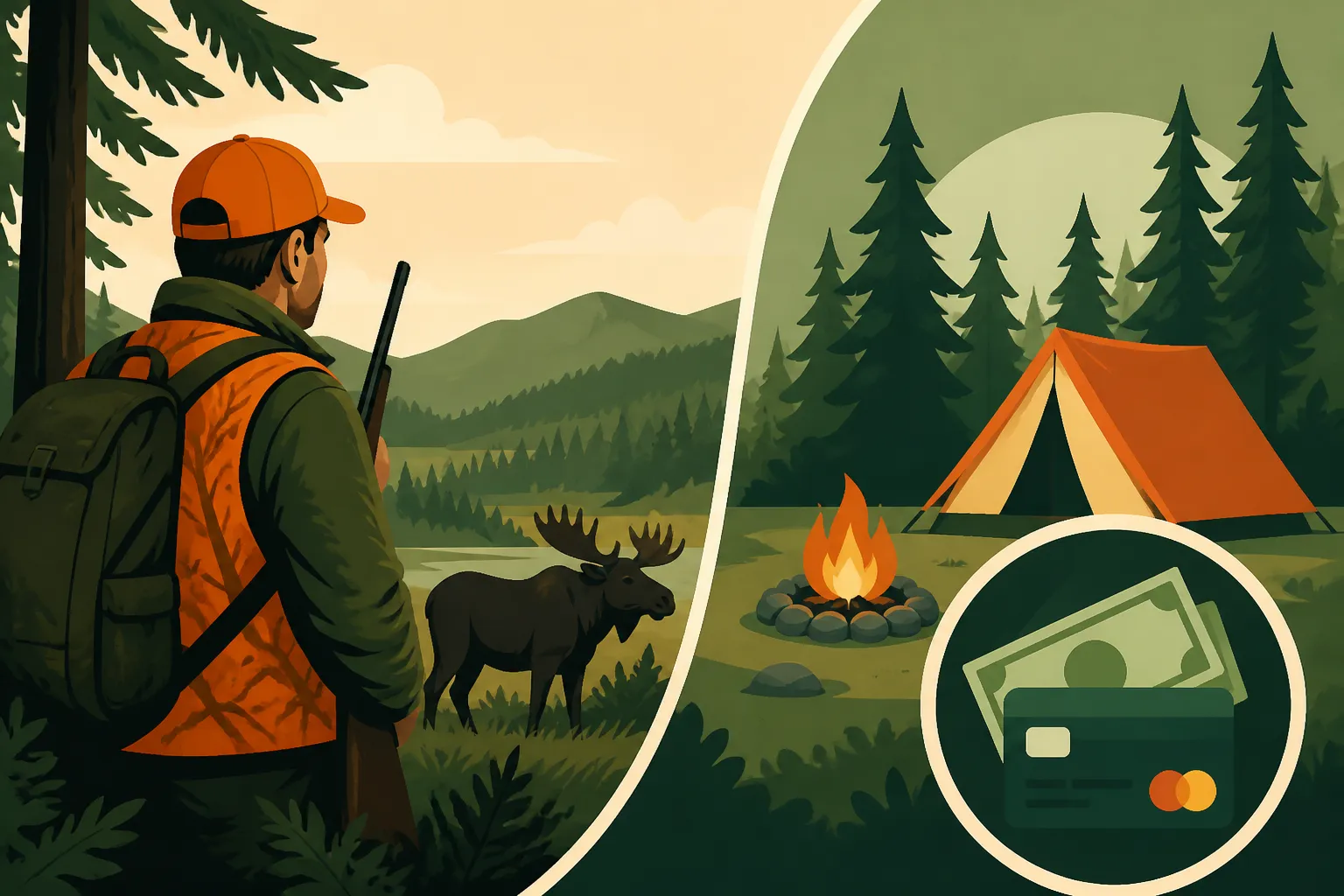
When it comes to payment, it's critical to be prepared. While some gatehouses might accept cards, it’s always, always, always recommended to bring cash for your fees. Signal can be spotty, and electronic systems can go down. Having enough cash for your entire group and your planned duration of stay is the safest bet to avoid any delays or issues. Remember, you're heading into a remote area, and convenience stores or ATMs are often many miles away.
The gate attendants will clearly explain the fee structure based on your plans, including both the day-use and any overnight camping fees. Don't be shy about asking questions if anything is unclear. They are the experts! It's also a good idea to have identification ready, as they may ask for it for registration purposes. Being prepared with your information and payment method will make the entry process smooth and efficient, getting you into the woods faster.
Understanding Registration for Lengthier Stays
For those planning an extended hunting trip, a multi-day fishing excursion, or simply a long camping vacation in the NMW, understanding the registration process for lengthier stays is paramount. While the initial gatehouse registration covers your entry and intended duration, it's wise to be very clear about how long you plan to be in the woods. This is where a North Maine Woods Multi-Day Permit comes in handy.
If your plans are flexible, or if you might decide to extend your stay, discuss this with the gate attendant upon entry. While extending your permit might be possible from within the woods via certain means (like calling out if you find service, or through specific arrangements), it's far easier and more reliable to establish your maximum intended stay upfront. This avoids potential issues with your permit expiring while you're still deep in the woods. The gatehouse staff are accustomed to helping visitors plan for varied trip lengths and can advise on the best way to handle your registration. Being thorough here ensures you're legally and safely covered for your entire adventure.
Smart Strategies for Managing Your NMW Camping Budget
Nobody wants their wilderness adventure to be ruined by unexpected costs. While the North Maine Woods fees are a necessary part of the experience, there are definitely ways to plan smart and manage your budget effectively. A little foresight can go a long way in ensuring your trip is both enjoyable and affordable.
Planning Ahead to Minimize Surprises
The absolute best way to manage your NMW camping budget is to plan ahead, meticulously. This means knowing exactly how many people are in your party, how many days and nights you intend to stay, and what kind of camping experience you're looking for. Don't just guess; consult the official North Maine Woods resources or call ahead to a gatehouse for general information regarding fee structures. While specific dollar amounts won't be quoted far in advance, understanding the categories and per-person/per-night calculations will help you create a realistic budget.
Consider factors like the season you’re visiting. While camping fees themselves might not fluctuate greatly by season, other costs, like fuel for your vehicle due to road conditions, might. Packing all your food and supplies from home, rather than hoping to find them in remote areas, will also save you money. Every dollar saved on groceries or last-minute gear can go towards your access and camping fees, ensuring you have the funds you need to enjoy your stay. It's about being proactive and not leaving things to chance in the wild, rugged terrain.
Leveraging Digital Tools for Cost-Effective Trip Planning
In this day and age, technology can be a huge asset in planning a cost-effective trip to the North Maine Woods. Mapping applications like onX Hunt and GoHunt, for instance, are invaluable. They allow you to study land boundaries, identify potential access points, and even locate designated campsites before you ever leave home. By visualizing the terrain and potential routes, you can better estimate fuel costs and travel times, and plan your entry and exit points.
Using an app like onX Layers for Maine Land Status can show you the intricate details of land ownership, helping you understand where you'll be within the NMW system. This foreknowledge can prevent costly detours or misunderstandings at the gate. You can also use these tools to scout potential camping areas, giving you an idea of the types of sites available (e.g., more remote vs. roadside) which might influence the specific fees you pay. While these tools won't tell you the exact fee amount, they'll give you an unparalleled sense of the landscape and help you plan efficiently, potentially saving you money on wasted travel or unexpected itinerary changes.
For those planning to hunt, these apps are even more critical for understanding game movement and access. Being able to visualize Scouting a North Maine Woods Checkpoint Map on your phone before you go can help you pinpoint areas that might offer a more secluded or specific hunting experience, which in turn might factor into your camping needs.
Exploring Alternatives to Full-Service Campsites
While most North Maine Woods camping occurs at designated, fee-based sites, understanding your options can help manage costs. If you're truly looking to minimize expenses, consider that dispersed camping (often called "boondocking" in other regions) might exist in some parts of Maine on public land, but within the private North Maine Woods, designated sites are the norm and fee-based. Always assume you'll be paying for an overnight stay in the NMW.
However, if your primary goal is just a place to sleep between hunting days and you don't need a formal site with a fire ring and privy, you might discuss options for very basic overnight parking with the gate attendant. Inquire if there are minimal-impact, "just pull off the road" type options that might carry a different (though likely still existing) fee structure compared to a full designated campsite. This is highly dependent on the specific gate, the landowner's rules for that particular tract, and the time of year, so always confirm at the gate. The key is clear communication about your needs, which might help identify the most cost-effective legal camping solution for your trip within the NMW framework.
Addressing Common Questions and Misconceptions About NMW Fees
The unique nature of the North Maine Woods fee system often leads to questions and misunderstandings, especially for those new to hunting and recreating in Maine. Let's clear up some of the most common points of confusion.
Are There Free Camping Options in the NMW?
This is perhaps the most frequently asked question, and the answer, for all practical purposes, is no. Within the managed boundaries of the North Maine Woods, any overnight stay in a designated or even an undesignated campsite will typically incur an overnight camping fee, in addition to the access fee. The idea of "free camping" as one might find on federal Bureau of Land Management lands out West simply doesn't apply here due to the private landownership model.
It's a common misconception, especially for those who travel from states with vast amounts of freely accessible public land. The fees are fundamental to the operation and maintenance of the NMW, as discussed earlier. Attempting to camp without paying the required fees is not only against the rules but can also jeopardize the future of public access to these lands. When you enter through a gate, you are entering a managed system, and adherence to their rules, including fee payment, is expected. Embracing this reality is the first step to having a smooth and enjoyable trip.
The Difference Between NMW Fees and State Park Fees
Another area of confusion stems from comparing North Maine Woods fees to Maine State Park fees. While both involve paying for access and camping, the underlying structures and purposes are quite different. State parks are publicly owned and managed by the State of Maine, funded through a combination of taxes and user fees. Their fee structure is generally standardized across all parks and focuses on providing amenities like bathhouses, playgrounds, and paved sites.
The NMW, on the other hand, is private land. Its fees are primarily directed towards road maintenance, basic site upkeep (often just a fire ring and privy), and supporting the "open for recreation" agreement with private timberland owners. The fees are calculated differently (often per person, per night, plus an access fee) and can vary slightly based on the specific gate or area you enter. It's a completely different operational model, designed to sustain access on commercial working forests rather than recreational state-owned preserves. Understanding this distinction helps clarify why the fees exist and why they are structured the way they are. You can learn more about how Maine structures its fees by looking into Maine Hunting Licenses and What They Cost, though NMW fees are separate from your hunting license.
Why You Won't Find Specific Rates Posted Far in Advance
It can be frustrating when you're trying to budget for your trip and can't find precise, up-to-the-minute fee schedules online or in brochures months in advance. The reason for this, while perhaps inconvenient, is practical. The North Maine Woods management has a degree of flexibility to adjust fees as operational costs change, or to account for specific projects or maintenance needs. Posting rigid rates years in advance wouldn't allow for this necessary adaptability.
Furthermore, given the variety of gatehouses, landowners involved, and the different types of permits and stays (day-use, overnight, multi-day, resident/non-resident variations), a single, comprehensive, fixed price list would be incredibly complex and potentially quickly outdated. It's simply more efficient for the gate attendants to provide the most current and accurate figures at the point of entry, tailored to your specific trip details. Your best approach is to contact the North Maine Woods directly closer to your travel date for general information on the range of fees, and then be prepared with cash to cover the actual costs upon arrival at the gatehouse. This flexibility ensures the NMW can continue to operate effectively and maintain access to this incredible resource.
Disclaimer
This article is for general informational purposes only and does not constitute professional advice. Laws, prices and regulations vary by location and change over time. Consult a qualified professional for guidance on your specific situation.