Maine Deer Camps and Hunting Clubs
For many dedicated hunters in Maine, securing consistent, quality ground for their pursuits can feel like an endless quest. It's frustrating to constantly search for access or deal with limited opportunities year after year. This comprehensive guide delves into the world of Maine deer camps and hunting clubs, exploring how these established communities offer invaluable shared land, resources, and lasting camaraderie for truly memorable hunting experiences.
The Enduring Allure of Maine Deer Camps
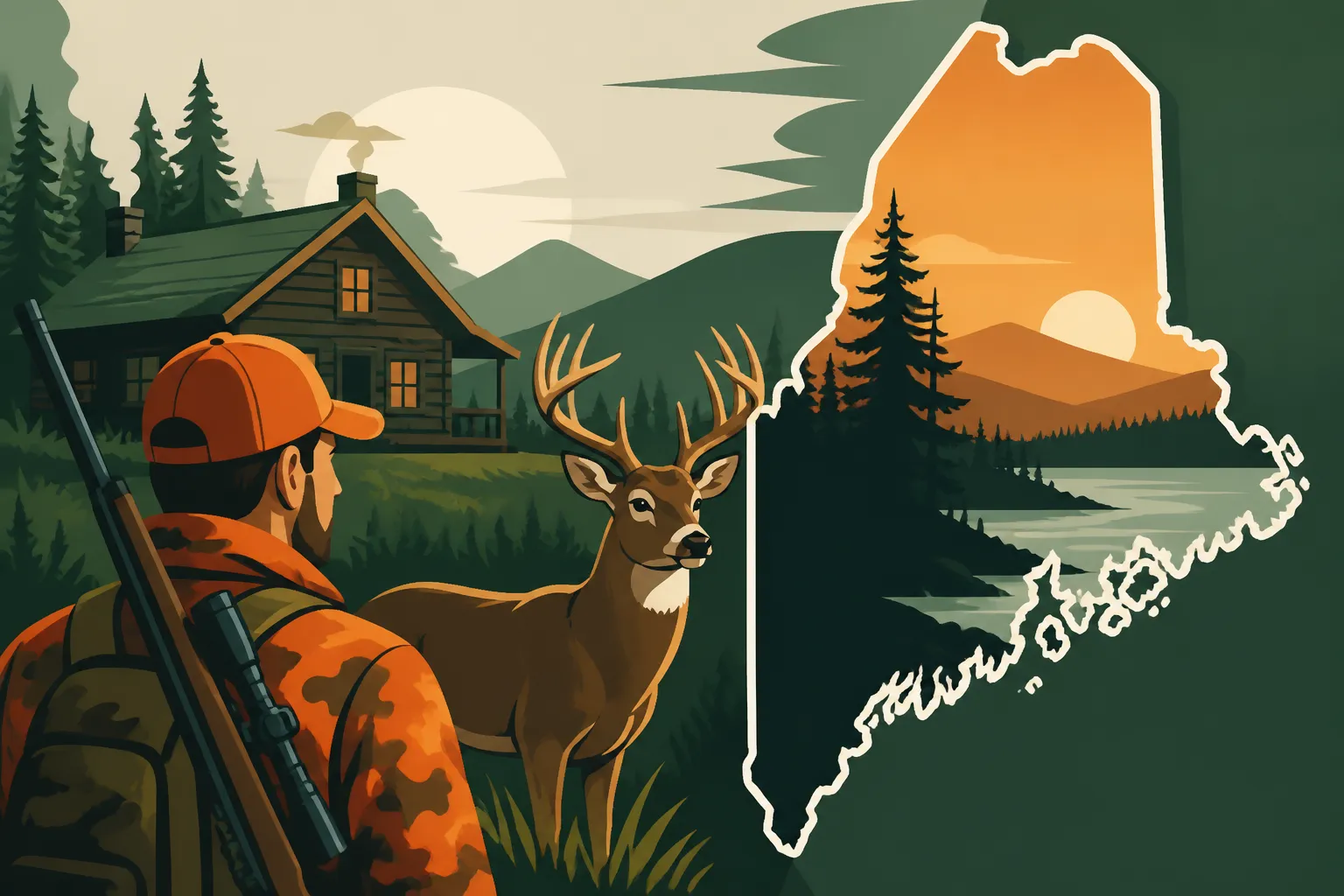
There’s something almost mythical about a Maine deer camp. It conjures images of rustic cabins tucked deep in the woods, the smell of woodsmoke in the crisp autumn air, and stories shared around a crackling fire after a long day in the stand. For generations, these camps have been more than just a place to sleep; they’re central to the hunting culture and a vital part of the experience for many who pursue whitetails in the Pine Tree State.
They represent a shared commitment, a collective effort, and often, a lifetime of memories forged in the pursuit of game. Whether it’s a simple wall tent set up in the North Maine Woods for a week or a multi-generational cabin passed down through families, the essence of a deer camp remains the same: a hub for hunters to gather, plan, strategize, and simply be together in the woods. It's a place where you can unwind, leave the stresses of everyday life behind, and fully immerse yourself in the hunting season.
More Than Just a Place to Sleep
A deer camp, whether formal or informal, offers a logistical base that's hard to beat when you're hunting in Maine. Instead of driving hours before dawn each day, you're already there, nestled in the heart of your hunting grounds. This proximity means more time in the woods and less time on the road, which is a huge advantage, especially during the peak of the rut or when trying to catch those crucial first and last light hours. It’s about convenience, sure, but it’s also about fostering a sense of belonging.
Beyond the practical benefits, these camps provide a vital space for processing game, storing gear, and sharing meals. Imagine coming back to a warm, dry place after a cold, wet day, with a hot meal waiting and fellow hunters eager to hear about your day. It transforms what could be a solitary pursuit into a shared adventure. Many camps have dedicated areas for hanging deer, butchering stations, and even facilities for drying wet clothes, making the often-messy aftermath of a successful hunt much more manageable.
Moreover, deer camps become informal intelligence hubs. Hunters share observations about deer movement, recent sign, and trail camera pictures. This collective knowledge can be incredibly powerful. Someone might have spotted a big buck crossing a logging road a mile from your stand, or discovered a fresh scrape line you didn’t know about. This kind of shared intel, especially when everyone is invested in the group's success, can significantly increase everyone’s chances. This spirit of cooperation is a hallmark of the Maine hunting experience.
The Tradition of Maine Deer Camp
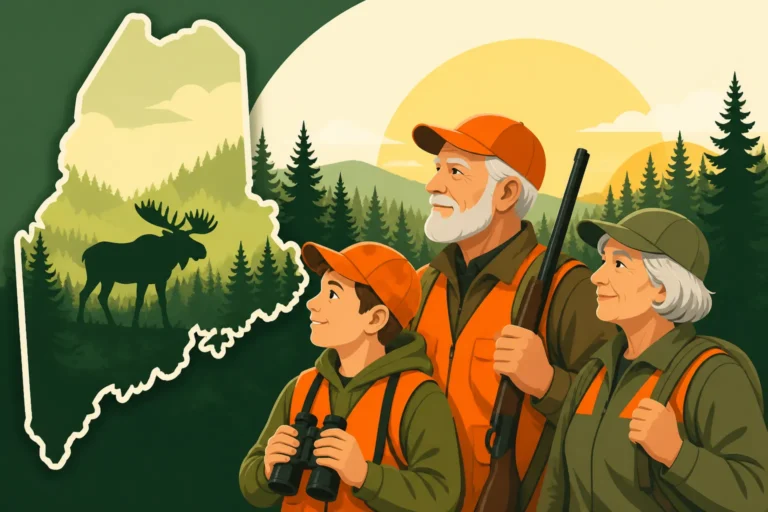
The tradition of the Maine deer camp runs deep, often spanning generations. For many, it's a rite of passage, an annual pilgrimage that defines their fall. Kids grow up hearing the stories, then eventually get to join in, learning the ropes from elders. It's where skills are taught – how to track, how to field dress, how to read the woods – and where an ethical hunting mindset is instilled. These traditions create bonds that last a lifetime, forging friendships and family ties that go far beyond the hunting season itself. You can learn more about these enduring customs by reading Maine Deer Camp Traditions.
These camps foster a sense of shared responsibility and community. Everyone contributes, whether it’s chopping wood, cooking meals, cleaning up, or helping with camp maintenance. This cooperative spirit strengthens the group and ensures the camp remains a welcoming and functional space for all. It’s not just about taking from the land; it’s about giving back and maintaining the camp as a shared resource, a place that embodies the spirit of Maine's hunting heritage.
The stories told around the evening fire, the friendly ribbing, the shared successes and failures – these moments are what many remember most vividly. The hunt itself is paramount, but the camaraderie and the shared experience in camp are what truly make it special. It's about disconnecting from the fast pace of modern life and reconnecting with nature and each other, celebrating a timeless tradition that continues to draw people to the Maine woods year after year.
Exploring Different Types of Maine Hunting Clubs
When people talk about "hunting clubs," it can mean a lot of different things. In Maine, these groups range from highly organized, formal entities with strict rules and membership fees to much more informal arrangements among a group of friends who pool resources. Understanding these distinctions is key to finding a setup that aligns with your hunting style, commitment level, and financial comfort. No matter the structure, the core idea is often the same: shared access and shared responsibility.
The specific type of club you encounter often dictates the hunting experience. A formal club might have exclusive access to thousands of acres, professional management, and amenities, offering a very different feel than a small group of buddies sharing a lease on a few hundred acres. Both have their merits, and both can offer incredible opportunities, depending on what you’re looking for in your hunting journey. It's about finding the right fit, not necessarily the most exclusive or expensive option.
Formal Membership Clubs
Formal hunting clubs in Maine are typically structured organizations, often with bylaws, elected officers, and regular meetings. Membership usually involves an initiation fee and annual dues, which cover the costs of leasing or owning land, maintaining camp facilities, and potentially funding habitat improvements. These clubs might own significant acreage outright or have long-term leases on large tracts of private land, offering members exclusive access that would be impossible for an individual hunter to secure alone.
The benefits often include well-managed hunting grounds, sometimes with food plots, consistent trail maintenance, and even professional game management strategies implemented by the club. For instance, a club might implement quality deer management (QDM) practices, focusing on harvesting older bucks and passing on younger ones to improve the herd's age structure. This kind of managed access can lead to higher quality hunting opportunities and a better chance at encountering mature animals. Members often have dedicated areas or rotations for stands to minimize pressure.
However, formal clubs also come with responsibilities. Members are expected to adhere to club rules, which can be quite specific about everything from guest policies to stand placement and harvest reporting. There might also be workdays where members contribute labor for camp maintenance, trail clearing, or food plot planting. While the financial investment can be substantial, the trade-off is often unparalleled access to prime hunting land and a strong community of like-minded individuals.
Informal Group Leases and Shares
On the other end of the spectrum are informal group leases or shares. This is often a group of friends or family members who collectively lease a tract of private land from a landowner or timber company. The costs for Maine Hunting Lease Costs are split among the group, making otherwise unaffordable acreage accessible. While there might be informal agreements or verbal rules, these arrangements are typically less structured than formal clubs.
This type of setup offers a more relaxed atmosphere, often with fewer bureaucratic hurdles. Decisions are usually made by consensus among the core group, and the focus is primarily on shared hunting experiences rather than formal governance. It's a great option for those who want to hunt with a close-knit group they already trust, sharing the workload and the rewards without the more stringent requirements of a formal club. Many groups use mapping apps like onX Hunt to clearly delineate property boundaries and share stand locations, ensuring everyone knows where they can safely and legally hunt. This technology really helps informal groups manage their efforts effectively.
The challenge here can be ensuring everyone pulls their weight, both financially and in terms of effort. Without formal bylaws, disagreements can sometimes arise over who pays for what, who does the camp chores, or how hunting pressure is managed. However, for groups with strong existing relationships and a clear understanding of expectations, these informal leases can provide incredibly rewarding and personal hunting experiences, allowing for greater flexibility and a more tailored approach to managing their specific hunting grounds. Knowing Getting Landowner Permission in Maine upfront is crucial for these groups.
Specialized Camps for Different Game
While "deer camp" is the most common term, many hunting clubs and camps in Maine aren't exclusively focused on whitetails. Depending on the region and the group's interests, you'll find camps specializing in other species, or even those that offer multi-species opportunities throughout the year. For instance, a camp in the northern woods might be primarily a moose camp during the September and October moose seasons, then transition to deer camp in November, and even serve as a base for Upland Bird and Small Game Hunting in Maine during other times.
Some groups might specifically seek out properties known for their healthy bear populations, dedicating time to Baiting Black Bears Legally in Maine in late summer and then hunting over those sites or running hounds in the fall. Other clubs might be located closer to coastal areas, offering access to prime waterfowl habitat, allowing members to pursue sea ducks, geese, and various puddle ducks through specialized blinds and boat access. Each species requires different habitat, tactics, and often, different season dates, so a specialized camp will be set up to maximize success for its target game.
These specialized camps often require different amenities or land features. A bear camp might need specific baiting areas and access roads for retrieving large game, while a bird hunting camp would focus on managing coverts and ensuring dog-friendly facilities. For a multi-species camp, the planning and logistics become even more complex, requiring careful coordination of schedules and resources to cater to different hunting seasons and preferences within the group. Technology like GoHunt can provide valuable data on game populations and habitat trends, helping these specialized groups make informed decisions about their target species and locations.
The Practicalities: Costs, Logistics, and Membership
Joining or starting a Maine hunting club or camp isn't just about the promise of good hunting; it involves a clear understanding of the practicalities. From the financial investment to the unspoken rules of camp etiquette, being part of a shared hunting community requires commitment and a willingness to contribute. It’s not just about showing up with your rifle; it’s about being a responsible member of a collective effort.
Ignoring these practical aspects can lead to friction, misunderstandings, and ultimately, a less enjoyable experience for everyone. It's crucial to have open conversations about expectations, responsibilities, and the financial framework before you commit to any club or camp arrangement. A well-run camp is built on transparency and mutual respect, ensuring that everyone knows their role and what’s expected of them.
Understanding Financial Commitments
The financial side of a hunting club or camp can vary dramatically. For an informal group leasing land, the cost might simply be an equal share of the annual lease fee, which could range widely depending on the acreage, location, and landowner. Some years, that might be a couple hundred dollars per person; other years, for prime land, it could be a thousand or more. Then you have to factor in shared expenses for camp upkeep, such as fuel for generators, propane for heat, communal food for shared meals, or repairs to a road or bridge.
Formal clubs, as mentioned, often have more structured fees. An initiation fee, which can be a one-time payment upon joining, might cover an equity share in the land or significant startup costs. Annual dues then cover ongoing expenses like property taxes, insurance, maintenance, and habitat improvement projects. It’s not uncommon for these annual dues to be in the thousands of dollars, depending on the club’s assets and amenities. It's vital to get a clear breakdown of all costs upfront – initiation, annual dues, special assessments, and any expected contributions to shared supplies or projects.
It's also worth considering the "hidden" costs. Traveling to and from camp, personal gear, licenses, and meat processing all add up. While the shared nature of a club can sometimes reduce individual costs (e.g., shared equipment or bulk purchases), it's important to budget realistically for your overall hunting expenditures. A club might provide access to prime land, but your personal hunting budget still needs to cover everything else needed to effectively pursue game. Remember to factor in your Maine Hunter Education Requirements if you're new to the sport.
Navigating Camp Rules and Responsibilities
Every hunting camp, formal or informal, will have rules. These aren't just for safety – though safety is paramount and often explicitly covered – but also for maintaining order, ensuring fair access, and preserving the hunting resource. Rules might cover everything from designated hunting zones, stand booking systems, guest policies, noise restrictions, firearm storage, and alcohol consumption. It's not uncommon for clubs to have specific rules about Maine Firearms Discharge Setback Distance or how game must be registered.
Responsibilities are equally important. In a communal setting, everyone needs to contribute. This could mean taking turns cooking, cleaning dishes, chopping firewood, clearing trails, or assisting with game recovery. If you’re part of a lease, you might have responsibilities for maintaining cordial relations with the landowner, which includes things like picking up trash, closing gates, and respecting boundaries. Familiarity with Maine Trespass and Permission Law is also essential to ensure the group operates legally and respectfully.
Before joining, ask for a copy of the club's bylaws or a written list of rules and expected duties. Discussing these expectations openly ensures everyone is on the same page and helps prevent misunderstandings down the line. A well-managed club fosters an environment where everyone understands their part in the collective success and enjoyment of the camp. Remember that a strong Maine Landowner Relations Program is often built on clear communication and mutual respect, which extends to all members of a hunting club.
The Application and Vetting Process
For formal hunting clubs, there’s typically an application and vetting process. This isn't just about your ability to pay dues; it’s about ensuring you’re a good fit for the existing membership and that you share the club's values. You might be required to submit an application, provide references, and even go through an interview process. Some clubs require a probationary period where new members are evaluated for their contributions, adherence to rules, and overall compatibility.
This vetting process serves a crucial purpose: it helps maintain the club’s culture and ensure a harmonious environment. Hunting camps are often close-knit communities, and bringing in a new member is a significant decision. The club wants to ensure that prospective members are ethical hunters, responsible individuals, and willing contributors to the collective. They’ll be looking for someone who understands the importance of conservation, safety, and camaraderie.
For informal groups, the "vetting" might be as simple as an invitation from a trusted friend. However, even in these situations, it's wise to have an honest conversation about expectations. Discuss how decisions are made, how conflicts are resolved, and what everyone expects from the shared experience. It’s better to iron out potential issues early than to let them fester during hunting season. A strong reputation as a responsible and ethical hunter goes a long way, regardless of the formality of the club.
Advantages and Disadvantages of Hunting Clubs and Camps
Like any shared venture, hunting clubs and camps come with a unique set of pros and cons. While the benefits of consistent access and camaraderie are often significant, potential drawbacks like personality clashes or financial burdens need to be carefully considered. It's about weighing what you gain against what you might have to compromise.
No single arrangement is perfect for everyone, and what works wonderfully for one hunter might be entirely unsuitable for another. It really comes down to personal priorities: do you crave solitude, or do you thrive in a community? Are you willing to invest time and money for exclusive access, or do you prefer more flexibility?
The Benefits of Community and Shared Resources
One of the most compelling reasons to join a hunting club or camp is the shared access to prime hunting land. As private land becomes more developed and public land sees increased pressure, securing consistent, quality hunting opportunities is a growing challenge. Clubs often lease or own substantial acreage, providing members with exclusive or semi-exclusive hunting rights that would be cost-prohibitive for an individual. This also allows for better game management practices, potentially leading to a healthier herd and bigger bucks. Imagine having thousands of acres at your disposal, scouted by a group of dedicated hunters, all working towards common goals. This helps greatly with Finding Ground That Sees Fewer Hunters.
Beyond the land itself, clubs offer shared resources that enhance the hunting experience. This can include anything from established tree stands, ground blinds, and trail camera networks to processing facilities, ATVs for game recovery, and communal camp gear. Spreading the cost and maintenance of these resources among members makes them accessible to everyone. Moreover, the collective knowledge and experience of a group can be invaluable, especially for newer hunters. Mentorship from seasoned veterans, shared scouting insights, and collective problem-solving elevate everyone's hunting game. Using tools like onX Hunt, members can share waypoints, property lines, and observations, creating a collaborative scouting network.
The camaraderie and social aspect are perhaps the most cherished benefits. Hunting with a consistent group fosters deep friendships, shared traditions, and a support system that goes beyond the woods. The stories, the laughter, the shared meals, and the mutual encouragement create memories that often outlast the details of any particular hunt. It's a community that celebrates successes together and commiserates after tough days, creating a unique bond among those who share the passion.
Potential Drawbacks and Conflicts
However, the communal nature of clubs can also be a source of friction. Personality clashes are an unfortunate reality when different individuals with varying expectations and habits are brought together in close quarters. Disagreements can arise over rules, hunting ethics, camp chores, or even trivial matters, potentially souring the experience for everyone. What one person considers fair, another might see as an imposition. This is why a clear set of rules and a respectful approach to conflict resolution are absolutely essential.
Another significant drawback can be the financial commitment. While the cost is shared, the total can still be substantial, especially for formal clubs with extensive amenities or large land holdings. Beyond initial fees and annual dues, there might be unexpected assessments for repairs or improvements. This financial burden can be a barrier for some, or it can create resentment if some members feel they're contributing more than others.
Finally, while shared access is a huge plus, it also means compromising on autonomy. You'll likely need to adhere to club rules regarding stand placement, hunting times, and guest policies, which might not align perfectly with your personal preferences. There can also be pressure from other members, whether explicit or implicit, to hunt a certain way or follow specific unwritten customs. For hunters who value solitude above all else, or who prefer complete freedom in their approach, the structure of a club might feel restrictive.
Here's a quick comparison of aspects:
| Feature | Informal Group Lease/Share | Formal Membership Club |
|---|---|---|
| Structure | Relaxed, often verbal agreements, friend/family based | Organized, bylaws, elected officers, formal rules |
| Cost | Share of lease fee, occasional communal expenses | Initiation fee, annual dues, potential assessments |
| Access | Shared leased land, specific to the group's agreement | Exclusive/managed access to owned/long-term leased land |
| Amenities | Basic camp, shared personal gear | Dedicated facilities, maintained infrastructure, food plots |
| Decision-Making | Consensus among group members | Board/officer decisions, member voting on major issues |
| Commitment | Flexible, based on group dynamics | Structured, expected participation in workdays/meetings |
| Vetting | Informal invitation, existing relationships | Formal application, references, interviews, probation |
Balancing Solitude with Camaraderie
The core tension for many hunters considering a club or camp is finding the right balance between the desire for companionship and the deeply personal, often solitary, nature of the hunt itself. For some, the ideal hunt is a quiet walk in the woods, alone with their thoughts and the rustling leaves. For others, the post-hunt discussions and shared meals are as important as the stalk itself.
Hunting clubs and camps can provide both, if managed well. You can have the quiet solitude of your stand or blind during the day, immersed in nature, tracking that elusive buck. Then, at the end of the day, you return to camp, where the camaraderie and shared stories begin. The challenge is ensuring that the camp environment enhances, rather than detracts from, your personal hunting experience. This means choosing a club or group whose values align with yours.
It's important to openly communicate your needs. If you value personal space, make that known. If you enjoy group activities, offer to lead them. A good hunting community finds ways to accommodate both the desire for individual pursuit and the need for collective bonding. Ultimately, the best camps are those that understand that hunting is both a deeply personal passion and a powerful force for building lasting relationships.
Finding Your Ideal Maine Hunting Community
So, you're convinced that a Maine deer camp or hunting club might be the right fit for you. The next step, and often the most challenging, is actually finding the right community. It’s not like shopping for a new truck; these are often close-knit groups, and membership isn't always widely advertised. It takes patience, networking, and sometimes a little bit of luck to find the perfect match.
The key is to be proactive and persistent, but also respectful of existing traditions and relationships. Maine's hunting community can be insular in some ways, and trust is earned. Approach your search with genuine interest and a willingness to learn, and you'll be much more likely to find a welcoming group.
Networking and Word-of-Mouth
In Maine, much of the hunting world still operates on word-of-mouth. The best way to find out about available spots in a club or an informal lease is often through people you already know. Talk to fellow hunters, friends, family members, co-workers, and even local sporting goods store owners. Let them know you’re looking to join a camp or club. You never know who might have an opening in their group or know someone who does. Attending local sporting shows, conservation events, or deer hunter field days can also be great opportunities to meet like-minded individuals and expand your network.
Don’t be afraid to put yourself out there. Attend events sponsored by organizations like the Maine Sportsman's Alliance or local rod and gun clubs. These gatherings are often hotbeds for information, and you might just stumble upon an opening. Many Maine hunting clubs value character and compatibility above all else, so demonstrating your passion for hunting, your ethical approach, and your willingness to contribute can open doors that simply looking online might not.
Remember, a good recommendation from an existing member can be invaluable. If someone can vouch for your character and your hunting style, it significantly increases your chances of being considered for an opening. So, start building those connections now, long before hunting season even begins. These relationships are often the true "secret sauce" of successful Maine hunting.
Online Resources and Forums
While word-of-mouth is king, the internet has certainly made it easier to broaden your search. Online hunting forums specific to Maine or the Northeast can be a good place to ask questions and sometimes find leads. You might find threads where members of clubs are looking for new recruits, or where individuals are trying to form new leasing groups. Websites like GoHunt and onX Hunt can also provide valuable information about hunting regulations, land access, and potential areas, which can help inform your search.
Look for social media groups dedicated to Maine hunting. Many local groups, even if not formal clubs, might post about shared hunting opportunities or be willing to connect you with others who are looking. However, always exercise caution when interacting with strangers online. Vet any opportunities thoroughly, and never commit to anything or send money until you've met the people, seen the property, and verified the legitimacy of the offer. Unfortunately, scams do exist, so due diligence is crucial.
Some larger, more formal clubs might even have their own websites or social media presence where they announce membership openings. Searching for "Maine hunting clubs" or "Maine deer camp memberships" can sometimes yield results, though these are often the more established and potentially more expensive options. It’s a good starting point for understanding the landscape, even if it doesn't immediately lead you to a spot.
Visiting Camps and Attending Open Houses
If you get a lead on a potential camp or club, try to arrange a visit. There’s no substitute for seeing the facilities, walking the land, and meeting the existing members in person. This will give you a real feel for the camp’s atmosphere, the quality of the hunting grounds, and whether you genuinely connect with the people. A club might look great on paper, but if the personalities don't mesh, it won't be a good fit.
Some clubs might even hold "open house" events or designated visitation days for prospective members. This is your opportunity to ask detailed questions about costs, rules, expectations, and the club’s history. Pay attention to how members interact with each other and how they talk about the camp. Do they seem passionate and welcoming, or is there an underlying tension? Trust your gut feeling.
Remember that this is a two-way street. While the club is vetting you, you are also vetting them. You’re looking for a community that aligns with your hunting values and offers the kind of experience you desire. Don't be afraid to ask tough questions about how conflicts are handled or what the expectations are for participation. A truly great hunting camp is one where everyone feels valued, respected, and excited to be part of the tradition.
Making the Most of Your Maine Hunting Camp Experience
Once you've found your ideal Maine deer camp or hunting club and become a member, the journey truly begins. This isn't just about gaining access to a new hunting spot; it's about becoming a contributing part of a community and helping to ensure the camp thrives for years to come. Your actions and attitude will shape your experience and the experiences of your fellow hunters.
Being a good camp member goes beyond simply showing up and hunting. It involves active participation, respect for the land and the group, and a commitment to preserving the heritage that makes these camps so special. Approach it with enthusiasm and a willingness to engage, and you'll reap far more rewards than just a filled tag.
Contributing to Camp Culture
Every Maine deer camp has its own unique culture, often built on generations of shared experiences, inside jokes, and established traditions. As a new member, it’s important to observe, listen, and learn the unwritten rules and customs before trying to implement radical changes. Show respect for the existing culture, and demonstrate a willingness to embrace it. This doesn't mean you can't bring new ideas, but integrate them thoughtfully and respectfully.
Active participation is key. Offer to help with chores, whether it's cooking a meal, chopping firewood, cleaning up, or assisting with camp maintenance. Don't wait to be asked; proactively look for ways to contribute. Share your hunting stories, offer insights from your scouting, and be a positive, encouraging presence. A collaborative spirit makes the camp stronger and more enjoyable for everyone. Remember, a camp is only as good as its members.
Beyond the physical contributions, contribute to the positive social atmosphere. Be a good listener, share your own knowledge without lecturing, and be open to different perspectives. The camp is a place for camaraderie, so participate in the storytelling, the laughter, and the shared celebrations. These moments are the glue that holds a hunting community together and are often the most cherished memories from any season.
Respecting the Land and Its Resources
Being part of a hunting club often means privileged access to land, and with that comes a profound responsibility to respect and steward that resource. Treat the land as if it were your own, or even better, as if it belongs to generations yet to come. This means adhering strictly to all hunting regulations, whether state-mandated or club-specific. Always know your Maine Public Land Hunting Hours and any other pertinent rules.
Practicing ethical hunting is non-negotiable. This includes clean shots, diligent tracking of wounded game, proper field dressing, and responsible disposal of waste. If the club engages in habitat work, such as planting food plots or clearing trails, be an enthusiastic participant. The health of the deer herd and the overall ecosystem depends on responsible management, and every member plays a part in that. Tools like onX Hunt can help you stay on designated trails and avoid disturbing sensitive areas.
Beyond hunting, be mindful of your impact on the broader environment. Pack out everything you pack in, leave no trace, and report any illegal activity or environmental damage you observe. Maintaining good relationships with landowners, if the land is leased, is also paramount. Their continued generosity is what allows the club to exist, and respecting their property and rules ensures that access continues.
Passing on the Legacy
Maine deer camps and hunting clubs are more than just places to hunt; they are living traditions. Part of making the most of your experience is embracing the role of passing that legacy on to the next generation. Take the time to mentor younger or less experienced hunters, sharing your knowledge of woodcraft, safety, and ethical practices. Encourage youth participation, perhaps even inviting a new hunter during the Maine Youth Deer Hunt Rules weekend, and instill in them a respect for nature and the hunting heritage.
Contribute to the long-term viability of the camp itself. This might involve participating in discussions about future improvements, helping to recruit new, suitable members, or simply ensuring the camp facilities are maintained for years to come. Think about what the camp means to you and how you can help ensure it remains a cherished resource for future hunters.
Ultimately, your involvement in a Maine hunting club or deer camp is an opportunity to be part of something larger than yourself. It's a chance to build lasting friendships, create unforgettable memories, and play a part in sustaining a cherished tradition. By actively contributing, respecting the land, and mentoring new hunters, you help ensure that the spirit of the Maine deer camp continues to thrive for generations.
Disclaimer
This article is for general informational purposes only and does not constitute professional advice. Laws, prices and regulations vary by location and change over time. Consult a qualified professional for guidance on your specific situation.