Finding Access Near Bangor
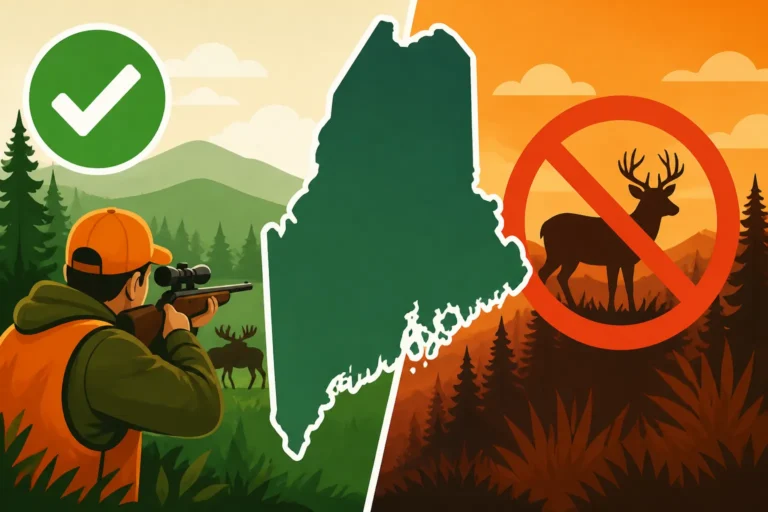
It’s a common frustration for hunters living near a bustling hub like Bangor: the woods might seem distant, private land feels inherently off-limits, and the sheer thought of driving hours for a hunting spot can be incredibly discouraging. The perception often is that urban centers equal no hunting, but that's a myth we're here to bust. This guide will walk you through how to uncover valuable hunting access right in the vicinity of Bangor, from understanding Maine's unique land access traditions to leveraging modern scouting tools and building local relationships.
The Challenge of Hunting Near a City Like Bangor
For many, the idea of "hunting near Bangor" conjures images of endless suburbs, busy roads, and properties far too small or developed for wildlife, let alone hunting. It’s a completely understandable initial reaction, but it doesn't tell the whole story. The reality is often far more nuanced, presenting both obstacles and surprising opportunities for the diligent hunter.
The Perception of "No Hunting" Near Populated Areas
When you think of prime Maine hunting, your mind likely drifts to the vast, remote expanses of the North Maine Woods or the deep wilderness of western Maine mountains. The landscape immediately surrounding a city like Bangor, with its shopping centers, subdivisions, and growing population, certainly doesn't fit that classic image. This leads to a pervasive perception that finding any meaningful hunting opportunity close to home is a pipe dream. People often assume that all land is either privately owned with strict no-trespassing rules, or too fragmented and developed to hold game animals in huntable numbers. This outlook can prevent hunters from even starting their search, leading to missed opportunities simply because of preconceived notions about urban sprawl. But Maine, even around its larger towns, retains a surprising amount of wild character.
Balancing Convenience with Solitude
One of the biggest dilemmas for hunters near a city is the balance between convenience and solitude. While a quick drive after work would be ideal, nobody wants to hunt in a crowded field where other hunters are constantly bumping game or encroaching on their space. The temptation is to drive further and further north, seeking that true wilderness experience where you feel like you have the woods to yourself. However, that adds significant travel time, fuel costs, and often requires more extensive planning for overnight trips. The trick to hunting near Bangor is to find those overlooked pockets of land that offer relative solitude while still being within a reasonable drive. This might mean adjusting your expectations slightly, perhaps hunting smaller tracts more strategically, or focusing on times and conditions when fewer people are out. It’s about being smart and adaptable, rather than simply writing off an entire geographic area.
Understanding Maine's Unique Land Access Rules
Maine has a long-standing tradition of private land access that sets it apart from many other states. This tradition, rooted in a history of timberland ownership and a culture of respect, is crucial to understand when seeking hunting grounds, especially near populated areas like Bangor.
The "Implied Permission" Tradition and Its Nuances
Maine operates under what's often referred to as an "implied permission" tradition for private land. What this generally means is that unless land is clearly marked as "Posted," "No Trespassing," or otherwise indicates that entry is prohibited, you are often allowed to hunt, fish, or trap on it. This is a huge benefit for hunters and something that isn't common everywhere. However, it's not a free-for-all. This implied permission is a privilege, not a right, and it comes with significant responsibilities.
You must always act ethically, cleanly, and respectfully. This means packing out everything you pack in, leaving no trace, and being mindful of noise and other disturbances. Crucially, this tradition primarily applies to undeveloped forestland and fields, not someone's yard, garden, or working farm without explicit consent. Misinterpretations of this tradition can lead to uncomfortable encounters, so it's always best to err on the side of caution. For more detail, read up on Maine's Private Land Access Tradition.
Recognizing and Respecting Posted Land
While implied permission is a cornerstone of Maine's land access, the flip side is respecting posted land. Landowners have every right to restrict access to their property, and they do so by posting signs that clearly indicate "No Trespassing," "Private Property," or "No Hunting." These signs must be respected without question or argument. Ignoring them is not only illegal and can result in fines or other penalties, but it also erodes the very tradition of implied permission that benefits all hunters.
When you see a posted sign, it means exactly that: do not enter. This is where tools like onX Hunt become invaluable, as they can often show property lines and landowner information, helping you avoid accidental trespass. Always carry a compass and a map, or use a reliable GPS app, to ensure you know where you stand. Understanding What Posted Land Means in Maine is fundamental to ethical hunting in the state, especially when you're exploring areas closer to towns where property boundaries can be more complex and numerous.
Public Land Opportunities Around Bangor
While much of Maine's landscape is privately owned, there are indeed public land opportunities available, even surprisingly close to Bangor. These lands are managed for various uses, including recreation and wildlife habitat, and can provide excellent hunting grounds if you know where to look.
Exploring Maine Wildlife Management Areas (WMAs) in the Region
Maine's Department of Inland Fisheries & Wildlife (MDIFW) manages a network of Wildlife Management Areas (WMAs) across the state. These areas are specifically acquired and managed for wildlife habitat and public recreation, including hunting. While they might not be as vast as the North Woods, WMAs near Bangor can offer excellent opportunities for deer, turkey, grouse, and waterfowl. You might be surprised at what's available just a short drive away.
For example, areas like the Frye Mountain WMA, though a bit of a drive, or smaller tracts closer to the Penobscot River watershed, are designed to hold game. They often feature a mix of forest, wetlands, and open fields, providing diverse habitat. Hunting pressure can be higher in some WMAs, especially during the peak of deer season, but careful scouting and a willingness to walk a little further can often lead you to quieter corners. Always check specific WMA rules and regulations, as some may have unique restrictions or special seasons. Don't overlook these gems; Finding a Maine WMA Near You is a great first step in your localized hunting search.
State and Federal Public Lands and Reserves
Beyond WMAs, Maine also has other forms of public land, including Public Reserved Lands managed by the Bureau of Parks and Lands, and some federal lands. These areas can be less obvious than WMAs but offer similar opportunities. Public Reserved Lands, for instance, are large tracts of land held in trust by the state, often managed for timber, recreation, and wildlife. They can provide significant acreage for hunting and often feel more remote than WMAs due to their multi-use management.
While Bangor itself isn't surrounded by national forests or large federal holdings like some western states, understanding the various designations of public lands is key. Using a mapping app like GoHunt or onX Hunt, which clearly delineates public versus private ownership, is incredibly helpful for identifying these parcels. These maps can help you spot a hidden block of public land that might otherwise go unnoticed on a traditional paper map. Familiarizing yourself with Maine Public Reserved Land Explained can open up entirely new areas for your hunting pursuits. The key is to be diligent in your research and not assume all public land is clearly signed from the road.
Navigating Private Land Access with Permission
Even with Maine's implied permission tradition, directly asking for permission on private land is often the best and most rewarding approach, particularly in more developed or mixed-use areas around Bangor. It builds goodwill and can open doors to some fantastic, less-pressured hunting spots.
The Art of Asking for Permission (and How Technology Helps)
Asking a landowner for permission can feel intimidating, but it's a skill every hunter should cultivate. Start by identifying properties that look promising – perhaps a woodlot bordering a development, an old apple orchard, or a patch of cover near active agricultural fields. Mapping apps like onX Hunt are incredibly powerful here. They allow you to pinpoint land ownership, often providing names and mailing addresses. This makes it possible to send a polite letter or, even better, knock on their door with some background information.
When approaching a landowner, be respectful, clean-cut, and polite. Introduce yourself, explain why you're there (you're a hunter looking for a safe place to pursue game), and be clear about your intentions. Offer references if you have them, and make specific promises: "I will only hunt with archery equipment," "I will avoid certain areas," or "I will let you know when I'm on your land." Having a well-defined plan for how you intend to hunt, and being prepared to show them exactly where on a map, goes a long way. Always be prepared for a "no," and accept it graciously without argument. A "no" today doesn't mean a "no" forever. For valuable insights, consider reading Asking a Maine Landowner for Permission.
Building Relationships with Landowners
Getting permission isn't a one-time transaction; it's the beginning of a relationship. Once you've secured access, uphold your promises diligently. If you said you'd text before heading out, do it. If you offered to share some venison, follow through. Even small gestures, like picking up trash you see on their property (whether it's yours or not), can make a huge difference. These actions not only solidify your access but also paint a positive picture of hunters as a whole.
Over time, a positive relationship can lead to opportunities far beyond just hunting. Landowners might inform you of deer activity they've observed, grant access to new parts of their property, or even share stories and insights about the local wildlife. This kind of access is often less pressured than public land, as it's exclusive to you. Maintaining these relationships requires consistent respect, communication, and showing genuine appreciation for the privilege. It’s a classic case of investing your time and effort for long-term rewards, a truly fulfilling aspect of hunting close to home. Maine's Maine Landowner Relations Program also provides resources for fostering these important connections.
Strategic Scouting for Bangor-Area Hunts
Scouting is paramount for any hunt, but it takes on an even greater importance when you're hunting closer to a city like Bangor. Here, deer behavior can be more pressured, and huntable pockets might be smaller or less obvious. Strategic, year-round scouting can be the difference between success and frustration.
Leveraging Mapping Tools for Land Analysis
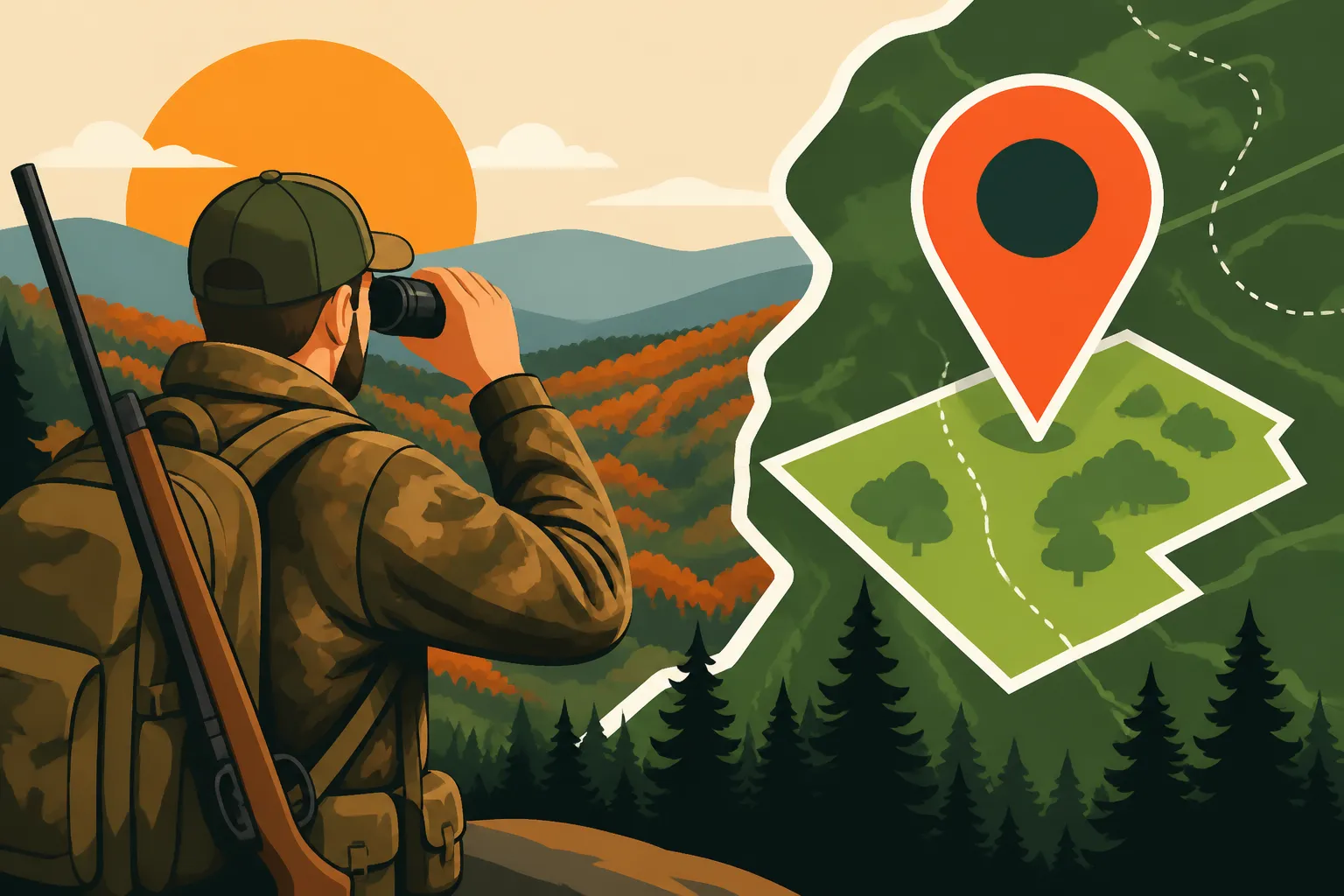
Modern mapping applications are game-changers for urban-fringe hunting. Tools like onX Hunt and GoHunt allow you to analyze satellite imagery, topography, property lines, and even habitat features from the comfort of your home. You can identify potential pinch points, cover types, water sources, and bedding areas without ever stepping foot on the ground. For instance, look for blocks of thick cover adjacent to residential areas, or small woodlots that act as corridors between larger timber blocks.
These apps provide invaluable onX Layers for Maine Land Status, allowing you to instantly distinguish between public and private land, as well as identify landowner names. This feature is crucial for avoiding trespass and for targeting specific properties for permission requests. You can also use them to mark potential access points, parking spots, and specific stand locations. By thoroughly dissecting an area on a map first, you can narrow down your on-the-ground scouting to the most promising locations, saving time and energy. It's like having an aerial view and a property deed rolled into one powerful tool.
Identifying Overlooked or Underutilized Pockets
The key to finding success near Bangor often lies in identifying those overlooked or underutilized pockets of habitat. Everyone thinks of the big, obvious woods, but deer, especially older bucks, are masters at utilizing small, dense cover close to human activity. Look for creek bottoms, overgrown fencerows, small cedar swamps, or thickets of regenerating timber that might be ignored by other hunters. These areas provide security cover and can act as daytime bedding areas, especially if they are adjacent to suburban food sources like gardens or small agricultural fields.
Road systems and even busy trails can sometimes be your friend. Many hunters won't venture far from a main trail or road, leaving excellent pockets of cover just a few hundred yards off the beaten path largely undisturbed. Finding Ground That Sees Fewer Hunters is often about looking where others aren't willing to go, or at least aren't willing to look closely. Don't be afraid to put in the legwork to explore these smaller, denser areas that might not appear significant on a large-scale map but hold incredible value for whitetails seeking refuge from Hunting Pressure Near a Maine Town.
Practical Tips for a Successful Hunt Near Bangor
Hunting close to a population center like Bangor comes with its own set of considerations and best practices. Being mindful of your surroundings, other people, and local regulations will not only increase your chances of success but also help ensure a positive image for all hunters.
Best Practices for Ethical Hunting and Public Perception
When hunting anywhere, but especially near populated areas, maintaining the highest ethical standards is paramount. This means practicing absolute discretion, dressing in appropriate blaze orange (as required by law, even on private land during certain seasons), and always being aware of your backdrop. Firearms discharge setback distances are critical in these environments. You need to know the specific regulations regarding how close to a dwelling or public road you can legally discharge a firearm. These rules protect people and property, and adherence to them prevents negative public perception that can lead to further restrictions on hunting.
Furthermore, consider your vehicle and equipment. Keep your truck tidy, don't block access points, and avoid conspicuous displays of harvested game near residential areas if possible. Being a good steward of the land and a respectful neighbor helps everyone. Remember that your actions reflect on all hunters, and positive interactions with landowners and the non-hunting public are invaluable in preserving hunting access for future generations. For information on specific safety requirements, refer to Maine Hunter Education Requirements.
Balancing Local Regulations and Hunter Density
Hunting near Bangor means being hyper-aware of local regulations, which can sometimes vary even within a single Wildlife Management District (WMD). Always confirm the specific rules for the area you intend to hunt, including season dates, bag limits, legal implements, and any unique restrictions that might apply to public lands or specific private properties. You might find some areas have archery-only zones or specific hunting hours that differ from general statewide rules.
Hunter density is another factor. While you might find solitude, other hunters are also looking for convenient spots. Be prepared for the possibility of encountering other individuals. Communication and courtesy go a long way. If you arrive at a spot and see another vehicle, consider moving on or at least giving them ample space. Respect other hunters' pursuits as you would want yours respected. Utilizing the early morning or late evening hours, or hunting during inclement weather, can often provide a less crowded experience, even in popular areas. Knowing Maine Public Land Hunting Hours can also help you plan your day effectively to maximize your time afield when others might not be present.
| Land Access Type | Primary Benefit | Key Consideration | Typical Game Species | Required Action |
|---|---|---|---|---|
| Private (Implied) | Widespread access, vast acreage | Easily revoked, requires diligent boundary checking | Deer, Moose, Bear, Turkey, Grouse, Hare | Respect "No Trespassing" signs; be a good steward |
| Private (Permission) | Exclusive access, less pressure, local insights | Requires direct landowner outreach, relationship building | Deer, Turkey, Predators, Small Game | Ask politely, follow rules, maintain relationship |
| Wildlife Management Area | Managed habitat, clear public access | Higher potential for hunter density, specific rules | Deer, Turkey, Waterfowl, Grouse | Check WMA-specific regulations |
| Public Reserved Land | Large tracts, multi-use management | May require more extensive scouting to find prime spots | Deer, Bear, Moose, Grouse, Hare | Consult state maps, understand permissible activities |
Disclaimer
This article is for general informational purposes only and does not constitute professional advice. Laws, prices and regulations vary by location and change over time. Consult a qualified professional for guidance on your specific situation.