St. Francis Gate Access From the St. John Valley
Oh, the North Maine Woods. It's a place that calls to the soul of every hunter, but getting into those vast, wild spaces can feel like navigating a maze if you don't know the ropes. If you're coming from the St. John Valley, looking to tap into some of Maine's most remote hunting grounds, you're probably wondering about the best way in without getting lost or running afoul of the system. This guide will walk you through everything you need to know about accessing the North Maine Woods through the St. Francis Gate, ensuring your hunting trip starts on the right foot.
Understanding the North Maine Woods Gate System
Navigating the North Maine Woods (NMW) isn't like pulling off the interstate into a state park. This immense, privately-owned working forest, spanning millions of acres, is managed with a system of checkpoints and gates. It's designed to regulate access, ensure safety, and help fund the maintenance of roads and infrastructure that support both logging operations and recreational use. For hunters, understanding this system is paramount to a successful and frustration-free trip.
The Importance of Managed Access
Imagine a wilderness area the size of a small state, crisscrossed with active logging roads, where heavy machinery is constantly at work. Without a managed access system, it would be a chaotic and dangerous place for everyone. The NMW gates serve as crucial control points, allowing the landowners (primarily timber companies) to track who is entering and exiting, educate visitors on current conditions and regulations, and collect fees that directly contribute to road maintenance and emergency services in this remote region. It’s not about keeping people out; it’s about managing a shared resource responsibly. For many of us who cherish these wild lands, it's a small price to pay for the privilege of hunting some of the best big game country in the Northeast. Without this structure, the access we've grown to appreciate simply wouldn't exist, as it would be economically unfeasible for landowners to maintain such vast infrastructure without some form of revenue from recreational users.
How the Gate System Functions
At its core, the NMW gate system operates on a permit and fee basis. When you arrive at a gate, you'll stop at a checkpoint, typically manned by a friendly attendant. They'll record your vehicle information, the number of people in your party, your intended destination, and how long you plan to stay. You’ll then pay an access fee, which can vary depending on whether you're just day-tripping or staying overnight, and whether you're a resident or nonresident. In return, you'll receive a permit that must be displayed in your vehicle. This system not only ensures accountability but also provides a layer of safety; if you don't check out when expected, the NMW staff can initiate a search. It’s a vital safety net in a region where cell service is non-existent in many areas. Remember, these are active haul roads, so you'll often share the narrow, gravel routes with logging trucks, which always have the right of way. Understanding North Maine Woods Logging Road Access is critical for your safety.
Why the St. Francis Gate is Unique for St. John Valley Hunters
The St. Francis Gate holds a special place for hunters approaching the North Maine Woods from the northern reaches of Maine, particularly those residing in or traveling through the St. John Valley. While other gates like Telos or Harvey offer entry from different directions, St. Francis provides direct access to prime hunting areas in northern Aroostook County and beyond, often with less travel time for those already in the deep north. It’s a gateway to some truly vast and undisturbed tracts of land, known for healthy populations of moose, deer, and bear. For locals, it’s a familiar entry point, steeped in tradition, leading into landscapes they've hunted for generations. For nonresidents, it offers a unique flavor of the Maine hunting experience, a true immersion into the remote timberlands that define this region. It provides direct entry into areas that are often less pressured than zones closer to more populated southern gates, offering a true big woods experience.
Navigating the St. Francis Gate: Your Entry Point
Getting through the St. Francis Gate is straightforward, but a little preparation goes a long way. This isn't a quick toll booth; it's a manned checkpoint where information is exchanged, and important rules are laid out. Taking a few minutes to get things in order before you arrive will make the process smoother for everyone and get you into the hunting grounds faster.
Pre-Trip Planning and What to Expect at the Gate
Before you even leave home, consider your itinerary. Knowing your general hunting area (even if it's just "somewhere off the 400 road") and your planned duration will help at the gate. While you don't need a formal reservation to enter for general hunting, having your Maine Hunting Licenses and What They Cost in order, along with any necessary permits like a moose tag or bear permit, is essential. When you arrive at the St. Francis Gate, you'll pull up to a small building. The gate attendant will greet you and ask for details about your trip. This includes your name, contact information, vehicle make and license plate, how many days you intend to stay, and your primary activity (hunting, fishing, camping, etc.). They'll also provide you with a map of the immediate area and advise you on current road conditions or any special notices, such as active logging operations in certain zones. Take their advice seriously; these folks know the woods intimately. They might also share information about Maine's Chronic Wasting Disease Monitoring efforts, which are crucial for maintaining the health of our deer herd.
Fees and Payment Options at St. Francis Gate
Accessing the North Maine Woods comes with a fee, and these fees are vital for maintaining the millions of acres of roads and infrastructure we all rely on. The cost structure can vary depending on several factors: whether you're a Maine resident or nonresident, if you're day-tripping or staying overnight, and the specific duration of your stay. Generally, nonresidents can expect to pay a higher fee than residents. For multi-day trips, there might be a daily rate or a discounted weekly rate. It's always a good idea to check the North Maine Woods official website before your trip for the most current fee schedule, as specific amounts can change. At the gate, expect to pay with cash, as credit card processing can be unreliable in such remote locations, and some gates are cash-only. Having exact change, or close to it, will be appreciated by the attendant, especially during busy times. This is why understanding North Maine Woods Cash-Only Payment Rules is so important.
Specific Rules and Regulations for St. Francis Access
Beyond the general North Maine Woods rules, the St. Francis Gate might have specific local advisories or nuances you should be aware of. For instance, certain areas beyond the gate might have temporary closures due to heavy logging, road washouts, or specific wildlife management activities. The gate attendant will be your best source for this information. Always follow posted speed limits on logging roads, which are often lower than you’d expect, for safety reasons due to dust and potential encounters with heavy equipment. Respect private property signs you might encounter within the NMW, even if it feels like deep woods. All rules regarding littering, campfires, and vehicle operation (such as ATV use) should be strictly adhered to. Remember, a permit from the gate does not grant you permission to hunt on specific private parcels that might be posted; it grants you access to the road system. Always ensure you know Maine Trespass and Permission Law before setting up your stand or blind.
Hunting Opportunities Beyond the St. Francis Gate
Once you clear the St. Francis Gate, a vast expanse of prime Maine hunting territory opens up before you. This isn't manicured land; it's raw, rugged, and requires effort, but the rewards can be incredible. From trophy big game to abundant upland birds, the opportunities are as endless as the timber stands.
Big Game Potential: Deer, Moose, and Bear
The areas accessible via the St. Francis Gate are legendary for big game. This region is prime habitat for Maine's iconic species.
-
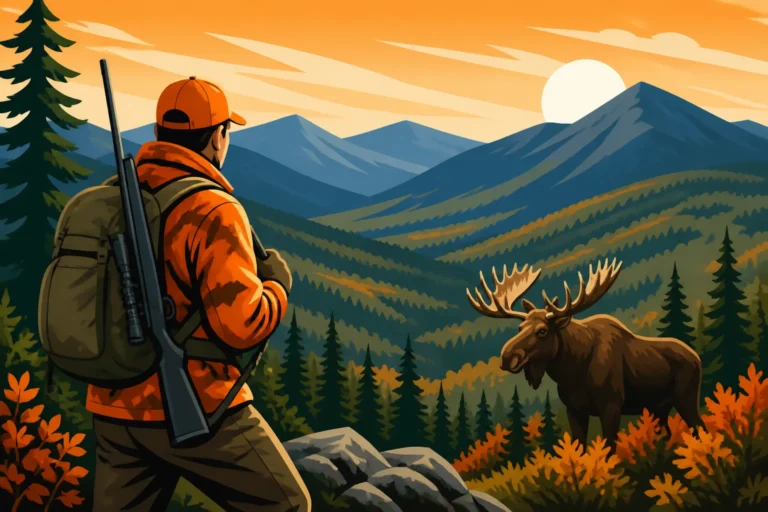
Moose: If you're lucky enough to draw a Maine Moose Lottery Application Process permit for one of the northern zones, accessing through St. Francis can put you right in the heart of prime moose country. These areas, particularly the remote timberlands, support high moose densities. Hunters often glass old clear-cuts, work the edges of beaver flowages, and call the thick woods during the September and October seasons. Success rates for moose hunters in these northern zones are historically some of the highest in the state, largely due to the vast, undisturbed habitat. Be prepared for the challenge of getting a moose out of the woods; it’s a physically demanding endeavor.
-
White-tailed Deer: While northern Maine deer populations face challenges from harsh winters and predators, the remote nature of the St. Francis area often means less hunting pressure than more accessible southern zones. This can lead to older, larger-antlered bucks, though you'll work harder for them. Deer in this environment tend to stick to thick cover, cedar swamps, and new regrowth areas that offer both food and protection. Understanding Reading a North Woods Deer Yard can be key to finding these elusive animals. Focus on logging road edges at dawn and dusk, funnel points between different cover types, and the fringes of historical deer wintering areas. The deer here are wild and wary, offering a true challenge.
-
Black Bear: Maine is renowned for its healthy bear population, and the northern woods are no exception. Whether you're hunting over bait, pursuing with hounds, or still-hunting, the St. Francis area offers exceptional bear hunting. The vastness of the forest provides abundant natural food sources, and bear sign (scats, tracks, claw marks on beech trees) is often prevalent. If you've secured a Maine Bear Hunting Permit Requirements, this gate opens up thousands of square miles of bear habitat. Just remember, these are wild animals, and caution and respect are always warranted.
Upland Birds and Small Game: Grouse, Woodcock, and Hare
It's not all about the big stuff. The forests beyond the St. Francis Gate also offer fantastic opportunities for upland bird and small game hunters, often providing a delightful complement to a big game hunt or a dedicated trip of their own.
-
Ruffed Grouse: Maine's deep woods are synonymous with grouse hunting. The network of logging roads and trails accessible from St. Francis creates ideal habitat, particularly where recent cuts are growing back with aspen, birch, and alder. These brushy areas, especially those with an abundance of wild berries and evergreens for winter cover, are magnets for "partridge." Driving slowly down secondary logging roads, or walking old skidder trails, can often flush birds. Grouse Hunting a Logging Road Edge is a classic Maine tactic. A good bird dog can turn a challenging hunt into a memorable experience, but many hunters find success by simply walking cover.
-
American Woodcock: Often found in the same cover as grouse, especially moist, young timber stands and alder runs, woodcock offer fast-flying action. Look for their characteristic "boring" holes in soft ground along creek bottoms and swamp edges. The St. John Valley region, and areas further into the NMW, are key migration corridors for these unique birds. Hunting them at dusk, as they move from feeding to roosting cover, can be particularly productive. For those who enjoy a brisk walk through thick cover with a pointing dog, this area is a paradise. Woodcock Hunting an Alder Run at Dusk is a quintessential Maine experience.
-
Snowshoe Hare: When the snow flies, snowshoe hare hunting becomes a popular pastime. The dense evergreen thickets, particularly young spruce and fir regeneration, provide perfect habitat for these camouflaged critters. While many hunters enjoy still-hunting or jump-shooting hare, running them with a pack of beagles is a time-honored tradition in Maine. The St. Francis area, with its extensive network of logging roads and dense cover, is ideal for a Snowshoe Hare Hunting Deep Snow Cover adventure, offering miles of undisturbed habitat for both hare and hounds.
Exploring Remote Tracts and Logging Roads
One of the greatest appeals of the North Maine Woods, and the St. Francis Gate specifically, is the sheer scale of the land. Beyond the initial few miles of well-traveled roads, you can quickly find yourself in truly remote, unpressured country. Don't be afraid to pull off the main haul roads onto older, less maintained logging spurs. These often lead to forgotten pockets of timber, untouched beaver flowages, and areas that haven't seen a human in years. An onX Hunt subscription or GoHunt app on your phone with downloaded maps is absolutely invaluable for this kind of exploration, helping you navigate complex road networks and avoid unintentional trespass. Pay attention to changes in timber type, elevation, and water features. These subtle shifts can concentrate game and reveal hidden gems. Always be mindful of active logging operations; it's a working forest first and foremost.
Essential Tools and Knowledge for North Maine Woods Hunters
Hunting beyond the St. Francis Gate means immersing yourself in a vast, wild landscape. This isn't a quick jaunt behind the house. To stay safe, find success, and respect the environment, you'll need the right gear and the right mindset. Preparation is not just recommended; it's absolutely crucial.
Mapping and Navigation: Leveraging Technology
In the labyrinthine world of logging roads and vast timber blocks, reliable navigation is non-negotiable. Traditional paper maps are a must-have backup, especially the detailed topographic maps of the area. However, modern technology can be a game-changer. Apps like onX Hunt and GoHunt allow you to download maps to your phone or GPS device before you lose cell service, showing detailed property lines, logging roads, terrain features, and even recent satellite imagery. These digital tools can help you keep track of where you are, mark important waypoints like your vehicle or fresh sign, and ensure you're not accidentally straying onto posted land. I can't stress enough how vital these apps are for safety and efficiency in the NMW. I wouldn't step foot in the deep woods without my phone fully charged and offline maps ready to go, and a physical compass and map in my pack as a backup. Knowing how to use these tools is just as important as having them; practice before you go.
Communication and Emergency Preparedness
Cell service is virtually non-existent in much of the North Maine Woods. This isn't merely an inconvenience; it's a serious safety consideration. For emergency situations, carrying a satellite communication device like a Garmin inReach or a Zoleo is highly recommended. These devices allow you to send and receive text messages and, more importantly, trigger an SOS call to emergency services even without cell signal. Beyond tech, think about what you’d need in an unexpected overnight stay: fire-starting supplies, extra layers of clothing, high-energy food, a first-aid kit, and a reliable headlamp are all critical. Always tell someone your exact hunting location and your expected return time, and stick to that plan. If you're hunting with a partner, always have a plan for what to do if you get separated. Blood Trailing After Dark in Maine can be a necessary but dangerous undertaking, and being prepared for it means being able to communicate.
Respecting the Land: Leave No Trace Principles
The North Maine Woods is a privilege, not a right. Our continued access depends on how responsibly we treat it. This means adhering strictly to Leave No Trace principles. Pack out everything you pack in—and then some. Pick up any trash you encounter, even if it's not yours. Bury human waste properly away from water sources. Minimize your impact on trails and roads. Don't disturb wildlife or natural features. If you're building a fire (where permitted), ensure it's completely out before you leave. Be considerate of other users, whether they are hunters, anglers, or other recreationists. Leave gates as you find them (open or closed). This kind of stewardship ensures that these wild places remain wild and accessible for future generations of hunters. It’s a core part of the Maine Deer Camp Traditions that have been passed down for generations.
Comparing St. Francis Access to Other NMW Gates
The North Maine Woods has several entry points, each serving different geographic areas and offering unique advantages. While the St. Francis Gate is ideal for those coming from the St. John Valley and looking for northern Aroostook access, it's helpful to understand how it compares to other major gates. This comparison can help you decide if St. Francis is truly the best starting point for your particular hunting adventure.
St. Francis vs. Telos Gate: A Geographic Comparison
The Telos Gate is located further south and west compared to St. Francis, typically accessed via Millinocket. While St. Francis leads you into the deep north and eastern parts of the NMW, Telos provides entry to the central and western sections, including the renowned Telos Lake and the Allagash Wilderness Waterway corridor. Hunters seeking moose in zones like WMD 4 or 8 often find Telos to be their preferred entry, while those targeting zones further north like WMD 3 or 2 will lean towards St. Francis.
From St. Francis, you're looking at vast, relatively flat timberlands, often characterized by dense spruce-fir forests, numerous beaver flowages, and a significant network of active logging roads. This area can feel incredibly remote, with fewer people the deeper you go. It's often where you'll find those truly mature, unpressured whitetails, though they are certainly hard-earned.
The Telos region, accessible via the Telos Gate Access From Millinocket, tends to have more varied topography, with rolling hills and more substantial waterways. It's also a major hub for canoeists and campers exploring the Allagash. Therefore, while Telos offers excellent hunting, you might encounter more diverse recreational traffic. The sheer distance to some of the remotest hunting grounds from Telos can also be longer for those targeting the extreme northern zones. The choice often boils down to which WMD you're targeting and your starting point in Maine.
St. Francis vs. Harveys Gate: Terrain and Species Focus
Harveys Gate, located off Route 11 near Patten, also provides access to the central part of the North Maine Woods, generally to the east of the Telos region. Like Telos, it's often a preferred entry for hunters pursuing moose in WMDs like 5, 6, or 9, and also offers fantastic bear hunting.
The terrain beyond Harveys Gate can be a mix of rolling timberland and more significant elevations as you approach areas like the Debsconeag Lakes Wilderness Area. It's known for its robust populations of bear and deer, often with a good mix of mature hardwoods and softwoods. The road network can be extensive and well-maintained, thanks to active timber harvesting.
In contrast, the St. Francis region generally presents a flatter, more expansive landscape with often denser, younger growth in recent clear-cuts, ideal for game like snowshoe hare and offering superb cover for moose and bear. While deer are present in both areas, the character of the hunt might differ. Hunters accessing via Harveys Gate Access From Patten might find themselves in slightly more broken terrain, potentially requiring different scouting and hunting strategies than the vast, flat expanses found beyond St. Francis. Ultimately, your target species and preferred hunting style (e.g., still-hunting vast tracts versus working varied topography) will help dictate which gate is the better fit.
Choosing the Right Gate for Your Hunt
Deciding which North Maine Woods gate to use truly depends on several factors, and it's a critical decision that can shape your entire hunting trip.
First, consider your starting point. If you're coming from the Fort Kent, Madawaska, or general St. John Valley area, St. Francis is geographically the most logical and often the most direct route into the northernmost reaches of the NMW. Driving an extra hundred miles just to enter a different gate often makes little sense logistically or economically.
Second, your target species and WMD (Wildlife Management District) are paramount. If you've drawn a moose permit for WMD 2, 3, or a northern section of WMD 1, St. Francis is likely your best bet for direct access to that specific management unit. Similarly, if your focus is on less-pressured deer hunting in remote northern Aroostook County, St. Francis will lead you there. For bear hunting, all gates offer access to excellent habitat, but St. Francis opens up some truly vast, uninterrupted sections of bear country.
Finally, think about your preferred type of wilderness experience. If you crave extreme solitude and the feeling of truly being "off-grid" in vast, unbroken timberlands, the St. Francis access often delivers this in spades, especially if you venture deep into the secondary roads. If you're more interested in areas with a mix of recreational use, or if your WMD is centrally located, Telos or Harveys might be more appropriate. Always cross-reference your specific hunting goals with a detailed map of the North Maine Woods, considering the access points and the specific characteristics of the areas beyond each gate. The NMW is huge, and choosing the right gate is like choosing the right door to a truly wild adventure.
| Feature | St. Francis Gate | Telos Gate | Harveys Gate |
|---|---|---|---|
| Primary Access | St. John Valley, Northern Aroostook County | Millinocket, Central Maine | Patten, Central Eastern Maine |
| Terrain Focus | Expansive, relatively flat timberlands; dense spruce-fir | Rolling hills, varied topography; major waterways | Mixed rolling timberland; some higher elevations |
| Species Advantage | Moose (N. WMDs), Deer (remote), Bear, Snowshoe Hare | Moose (Central WMDs), Bear, Deer (less pressure) | Bear, Moose (Central E. WMDs), Deer, Grouse |
| Remoteness | Very high, especially deeper in | High, but with more recreational traffic at times | Moderate to high |
| Key Attraction | Untapped northern wilderness, direct northern WMD access | Allagash Wilderness Waterway access, central NMW | Eastern NMW access, good bear/moose country |
| Road Network | Extensive active logging roads | Well-maintained active logging roads | Well-maintained active logging roads |
Disclaimer
This article is for general informational purposes only and does not constitute professional advice. Laws, prices and regulations vary by location and change over time. Consult a qualified professional for guidance on your specific situation.