How Far to Walk From a North Maine Woods Road
It’s a common scenario in the vast expanse of the North Maine Woods: you pull off a logging road, hear other trucks rumbling by, and wonder if any deer are left within earshot of the pavement. The truth is, hunting success often hinges on your willingness to put some distance between yourself and the road system. This guide will help you understand the dynamics of hunter pressure, deer behavior, and practical strategies for determining how far you really need to walk to find those unpressured pockets of game.
The Allure and Limits of Roadside Hunting
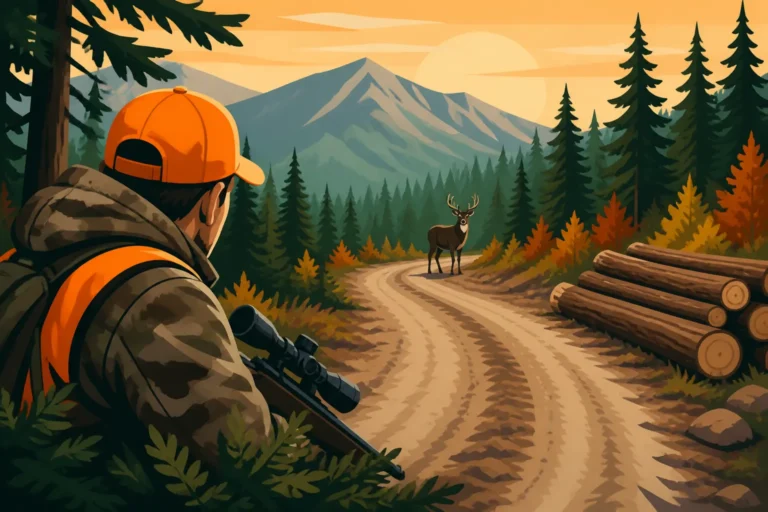
When you're facing thousands of acres of timberland, the temptation to hunt close to a main logging road is powerful. It’s convenient, reduces physical exertion, and in some areas, those clear-cut edges bordering the roads can look incredibly promising. We’ve all done it, parked the truck, walked 100 yards in, and settled into what looks like prime real estate. But in the North Maine Woods, especially during the peak of firearms season, this strategy can often lead to frustration and empty hands.
Think about it: every hunter who enters a tract of public or industrial forest land via the network of logging roads is likely doing the same thing. They're looking for easy access, hoping to intercept a deer moving through an obvious travel corridor. The result is a concentration of human scent, sound, and movement within a relatively narrow band along these roads. Deer, being incredibly intelligent and adaptable creatures, quickly learn to avoid these high-traffic zones during daylight hours. They become nocturnal, or they simply relocate to areas where human disturbance is minimal. The roadside buck is often a phantom, existing more in our hopes than in reality, save for those fleeting moments at dawn or dusk, or during specific weather conditions that push them into the open.
Why Deer Shun Road-Adjacent Cover
Deer aren't just wary; they're masters of self-preservation. In areas with significant hunting pressure, they develop keen senses and adapt their routines to minimize encounters with humans.
- Scent Control is Critical: Every hunter leaves a scent trail. The more hunters on a road or close to it, the more human scent saturates the air. Deer don't just smell the hunter who passed five minutes ago; they smell every hunter who passed that day, and perhaps even the day before. This persistent scent profile acts as a huge deterrent, pushing deer deeper into cover. Even if you're meticulous with your scent control, the collective scent of a dozen other hunters will alert game.
- Visual and Auditory Cues: The sound of vehicle doors slamming, distant conversations, the sight of orange vests moving through the trees—all these cues signal danger to a deer. In the North Maine Woods, especially on days when there's no snow to muffle sounds, the slightest noise carries. A buck knows that a vehicle on the road often means a hunter nearby. They're less likely to feel secure or move naturally when these disturbances are constant.
- Food vs. Safety: While logging operations often create excellent browse and new growth along roads, deer will often prioritize safety over food during hunting season. They might feed in these areas under the cover of darkness, but as soon as daylight breaks and human activity begins, they'll retreat to thicker, more remote bedding areas where they feel safe. Understanding Where Maine Bucks Bed in Big Timber is key.
Determining Your "Walk-In" Distance
So, how far is far enough? There's no single magic number, as it depends on a multitude of factors. However, the general rule of thumb is this: the further you get from the primary logging roads, the more likely you are to find unpressured deer acting naturally.
Factors Influencing Your Hike
Consider these variables when planning your trek away from the truck:
- Hunting Pressure: This is the biggest factor. On opening day of Maine's November Firearms Deer Season, or during the peak rut, pressure will be high. You'll need to walk significantly further. Later in the season, particularly during Hunting the Muzzleloader Close in Mid-December when many hunters have packed it in, you might find success closer to roads as deer start to relax a bit. Weekends versus weekdays also play a huge role; weekdays generally see far less pressure.
- Terrain and Cover: Thick, nasty blowdowns, steep ridges, dense cedar swamps, or impenetrable spruce thickets naturally deter many hunters. If you're willing to brave this kind of cover, you might not have to walk as far to escape pressure because most other hunters won't go there. Conversely, in more open, walkable hardwood ridges or younger clear-cuts, you'll need to go deeper to find solitude. Reading a North Woods Deer Yard can give you clues as to where deer prefer to hide.
- Game Species: While this article focuses on deer, the principle applies to other game. If you're Grouse Hunting Maine Alder Runs, the grouse might be right next to the road in the morning, but as soon as vehicles start passing, they'll flush deeper into the alders. For moose, they're less wary of roads, but still prefer quieter areas.
- Weather Conditions: A heavy rain or snowfall can greatly reduce human activity and muffle sound, making deer less skittish. On these days, deer might move more freely, even closer to roads. However, extreme cold can make walking far less appealing, meaning fewer hunters venture deep, which can be an advantage for those who do. Hunting Deer After a Cold Front requires strategy, including knowing where deer will seek shelter.
- Time of Day: Early morning and late evening, the periods of lowest human activity, are often when deer are boldest near roads. If you're heading in mid-morning after other hunters have already been active, you'll definitely need to push deeper.
Estimating a Good Starting Point
For deer hunting in the North Maine Woods, particularly during firearms season, I generally consider the following benchmarks:
| Distance from Road | Typical Pressure Level | Likelihood of Unpressured Deer | Game Behavior | Notes |
|---|---|---|---|---|
| 0-200 yards | Very High | Low (Daylight) | Nocturnal, nervous | Primarily for early morning/late evening sits or tracking |
| 200-500 yards | High | Moderate | Skittish, alert | Often where deer retreat to from roadside |
| 500-1000 yards | Moderate | Good | More natural, still cautious | The "sweet spot" for many hunters |
| 1000+ yards (0.6+ mi) | Low | Very Good | Natural, less alert | High effort, high reward; often deep bedding |
This table is a guideline, not a hard rule. A 300-yard walk into a dense, wet cedar swamp will escape pressure more effectively than a 500-yard walk into an open, walkable hardwood ridge.
Leveraging Technology and Scouting for Deeper Success
"Knowing where you're going" is just as important as "going far." Randomly walking deep into the woods without a plan is a recipe for getting lost, burning energy, and potentially missing prime hunting opportunities. Modern tools and good old-fashioned scouting are your best friends here.
Digital Mapping Applications
Gone are the days when a paper map and compass were your only tools. While still valuable backups, digital mapping apps have revolutionized how we navigate and scout the vast Maine woods.
- Identifying Remote Pockets: Applications like onX Hunt are indispensable. They allow you to overlay private and public land boundaries, clearly showing parcels you can hunt. More importantly, they provide detailed topographical maps and aerial imagery. Before you even leave home, you can scan these maps for remote fingers of timber, saddles between ridges, dense thickets, or creek bottoms that are far from roads but look like natural deer magnets. Look for areas where the terrain becomes more rugged, or where older clear-cuts provide thick sanctuary a half-mile or more off the main drag. This can help you understand Using an App for North Maine Woods Land Status.
- Pinpointing Access and Trails: You might discover old logging spurs or faint deer trails that branch off the main roads and offer a slightly easier path to your desired remote spot. Mark these on your app. Some applications even show old woods roads that are no longer actively used by vehicles, which can act as excellent walking corridors or natural funnels for deer movement.
- Tracking Your Walk: As you walk, your app tracks your progress, allowing you to see exactly how far you've traveled from your truck and ensuring you maintain your bearings. This is crucial for confidently venturing deep and then getting back out safely.
- Sharing and Planning: If you're hunting with a partner, you can share waypoints and planned routes, coordinating your efforts to cover ground more effectively. Scouting With the Maine Hunting App is an essential pre-hunt activity.
Pre-Season Scouting and In-Season Observation
Even with the best maps, boots on the ground (or at least eyes on the ground) are invaluable.
- Early Season Reconnaissance: Get out before the season opens, if possible. Walk those logging roads and explore where old spurs lead. Look for sign: tracks, rubs, scrapes, and bedding areas. The beauty of walking deep is that you're often finding areas with less historical human disturbance, which means deer sign can be more abundant and less broken up by boot prints. Pay attention to Scrape Lines Along a Logging Road which might lead you to deeper travel corridors.
- Reading the Fresh Sign: Once the season starts, especially after a fresh rain or light snow, your walk-in becomes an active scouting mission. As you move further from the road, you'll notice a shift in the deer sign. Closer to the road, you might see old tracks. But as you penetrate deeper, you're more likely to find fresh tracks, new rubs, and active feeding areas. This tells you you're getting into areas where deer feel comfortable moving during daylight. Keep an eye out for Reading Maine Mud for Fresh Deer Movement.
- Identifying Funnels and Pinch Points: Even in dense timber, deer tend to use the path of least resistance. Look for natural funnels created by terrain features, changes in timber type, or thickets. A narrow strip of hardwoods between two clear-cuts, a saddle on a ridge, or a crossing point on a beaver flowage—these are all excellent places to intercept deer that are moving between bedding and feeding areas, often far from the main roads. Hunting A Funnel Between Two Woodlots is a classic tactic for a reason.
The Payoff: What You Find Beyond the Tire Tracks
The effort of walking further into the North Maine Woods, pushing beyond the easy access points, isn't just about escaping other hunters; it's about discovering a different kind of hunting experience and increasing your chances of success.
Unpressured Deer and Natural Behavior
When you're a mile or more from the nearest vehicle, you're entering a deer's world where they feel much more secure.
- Daylight Movement: Deer in these remote areas are far more likely to move and feed during daylight hours. They haven't been pushed nocturnal by constant human presence. This means you might catch a buck browsing calmly in a hidden pocket, rather than only seeing a flash of white tail disappearing into the dark timber.
- Predictable Patterns: Without the unpredictable variable of constant hunter intrusion, deer behavior becomes more predictable. Their travel routes, feeding times, and bedding locations are more consistent with what you'd expect based on food sources, cover, and wind direction. This allows you to apply your hunting knowledge more effectively. You'll gain a better understanding of Finding Sign in Big North Woods Timber.
- Quality Bucks: While you can never guarantee a monster buck, the reality is that older, larger bucks are often the most sensitive to pressure. They've survived multiple hunting seasons by being extremely wary. To consistently find and hunt these deer, you almost always need to venture into areas where they feel safe enough to exist without constant fear of detection.
The Solitude and Immersion of the North Woods
Beyond the tactical advantages, there's a profound satisfaction that comes with hunting deep in the North Maine Woods.
- True Wilderness Experience: There’s something special about being so far from roads that the sounds of traffic fade entirely, replaced by the rustle of leaves, the call of a raven, or the distant howl of a coyote. It's an immersion in nature that's harder to achieve when you're within shouting distance of a passing truck. This deep dive into the woods can connect you to Maine Deer Camp Traditions that emphasize hard work and remoteness.
- Finding "Your" Spot: The effort involved means that when you find a remote, deer-rich pocket, you’ve truly earned it. These aren't the spots everyone else is trying to squeeze into. They become your spots, and the knowledge of their existence is a reward in itself, leading to a deeper understanding of the land.
- Personal Challenge and Reward: Pushing yourself physically, navigating unfamiliar terrain, and relying on your skills to find game far from easy access is a deeply rewarding personal challenge. When you finally fill a tag miles from the truck, the sense of accomplishment is unmatched. You'll truly experience Dragging a Deer Out of a Cedar Swamp and appreciate the effort.
Making the decision to walk further from North Maine Woods roads is a commitment, but it's one that often pays dividends in both hunting success and the quality of your outdoor experience. Get comfortable with your maps, trust your instincts, and be prepared for the journey. The wild heart of Maine awaits those willing to explore its depths.
Disclaimer
This article is for general informational purposes only and does not constitute professional advice. Laws, prices and regulations vary by location and change over time. Consult a qualified professional for guidance on your specific situation.