Hunting Pressure Near a Maine Town
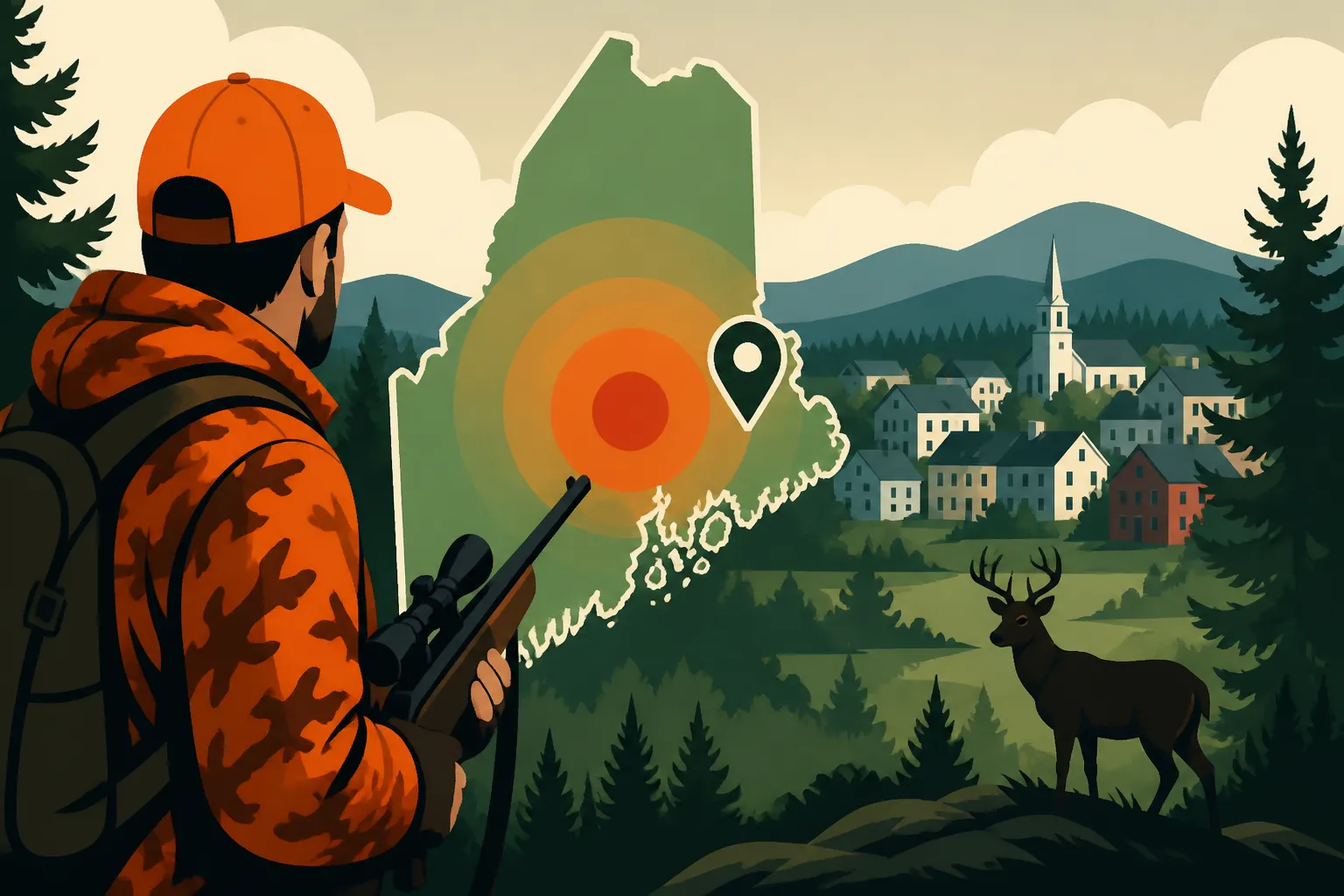
It can be incredibly frustrating to scout what looks like promising deer habitat only to find boot tracks every fifty yards, garbage left behind, and a distinct lack of fresh deer sign. Hunting near Maine towns often means navigating heavily pressured areas, where deer are skittish and fellow hunters are abundant. This guide will delve into understanding and overcoming these challenges, helping you uncover overlooked opportunities for a successful hunt even in close proximity to civilization.
The Reality of Hunting Pressure Near Populated Areas
Let's face it, convenience often comes at a cost, and for hunters, that cost is often increased competition. When you're looking for a spot that's just a 15-minute drive from home, chances are a lot of other folks have the same idea. This isn't just about hunter numbers; it's about the cumulative impact of human presence that changes everything for local deer.
Why Town-Adjacent Land Gets Hit Hard
The primary reason why land near towns experiences heavy hunting pressure is simply accessibility. These areas are typically easy to get to, often with paved roads leading right to them or well-maintained dirt roads that many vehicles can handle. This means hunters can pop out for a quick evening sit after work, or a few hours on a Saturday morning without committing to a long drive deep into the North Woods. It's also not just hunters; these areas often see a lot of recreational traffic, too. Think dog walkers, mountain bikers, hikers, and even folks just out for a Sunday drive. All this human activity, even outside of hunting season, conditions deer to be incredibly wary. They learn quickly to avoid open areas during daylight and to become primarily nocturnal in their movements.
Identifying Signs of Heavy Pressure
You can't just rely on a map to tell you if an area is pressured; you need to read the ground. One of the clearest indicators is the sheer number of human tracks on old logging roads, ATV trails, or even faint deer trails. If every mud puddle or patch of soft earth is covered in boot prints, you know it's a popular spot. Beyond human sign, look for a lack of fresh deer activity. Are the rubs old and faded, or are there fresh ones? Are the scrapes pawed up and active, or just overgrown depressions? Most telling is deer behavior itself. In heavily pressured areas, deer often act incredibly skittish, bolting at the slightest sound or scent, and rarely lingering in the open. They’ve learned that humans equal danger, and they react accordingly. Compare this to less pressured zones, where deer might pause, offer a second glance, or even tolerate some distant noise.
The GoHunt Advantage in Scouting Town Edges
Even in areas with known pressure, technology can be a huge asset. Tools like the GoHunt app or other detailed mapping platforms offer layers that can reveal hidden gems. For instance, you can utilize property line layers to see if smaller, forgotten parcels of private land are tucked away between larger, more accessible tracts. These smaller pieces, if you can gain permission, often go overlooked. Aerial imagery is invaluable for spotting overlooked cover: small, thick cedar swamps, isolated stands of mature timber, or even neglected apple orchards that might not be visible from a main road. While other hunters might stick to the obvious trailheads, GoHunt allows you to identify potential access points that are less obvious, such as utility corridors, old woods roads, or even creek crossings that might deter others. By analyzing these details, you can pinpoint small pockets of sanctuary that pressured deer will inevitably gravitate towards.
Strategies for Finding Unpressured Pockets
The key to success in high-pressure areas isn't about outrunning other hunters; it's about outthinking them. It requires a different approach to scouting and hunting, focusing on what others overlook or avoid.
Targeting Overlooked or Difficult Access Areas
Deer, especially mature ones, are experts at finding safe havens. In pressured areas, these havens are almost always places that are difficult for humans to access. Think about those nasty, thick cedar swamps that are a nightmare to walk through, or steep, rocky ridges covered in blowdowns. While these spots might seem unappealing to the average hunter, they are goldmines for deer seeking refuge.
I've seen it firsthand: a deer track leading directly into a thick, tangled mess of alders along a creek bottom, a place most people wouldn't dream of pushing through. That's exactly where the deer are. By studying your maps and identifying these features—swamps, rocky outcrops, dense pine thickets, or areas with significant elevation changes—you can focus your scouting efforts where others won't. You might find a small, overlooked bottleneck where deer are forced to travel, like a Hunting a Funnel Between Two Woodlots or a low spot along a ridge that offers cover and an easy crossing. Don't be afraid to put in the extra effort to get into these spots; it's often the price of admission for success. Remember, deer simply want to feel safe, and if the nastiest spot within a mile of a housing development is their only refuge, that's where they'll be. Consider how a deer would navigate these areas, and you might find them Working a Creek Bottom for Late-Season Deer.
Timing Your Hunts to Avoid Crowds
The busiest times to hunt are typically opening day, the first few weekends of firearms season, and any national holidays. If you're hunting near a town, these periods will be swarming with hunters. To maximize your chances, consider hunting mid-week if your schedule allows. A Tuesday afternoon hunt, especially if there's a little rain or a steady drizzle, will often see significantly less human traffic than a clear Saturday morning. Deer, used to human activity during the week, might be more relaxed and willing to move during daylight hours when the woods are quieter.
Adverse weather conditions, like light rain, heavy fog, or even a fresh dusting of snow, also deter many fair-weather hunters. While it might be less comfortable for you, these conditions can be a huge advantage. The sounds of your movement are muffled, scent dissipates more quickly, and deer might feel more secure moving. Even during peak weekends, try to be in your stand well before first light, and stay until legal shooting hours end. Most hunters quit early or come in late, giving you precious, unpressured time.
Leveraging Permission and Small Tracts
This is perhaps one of the most underutilized strategies, especially near populated areas. Many landowners own small tracts of land—five, ten, or twenty acres—that aren't large enough for a traditional "deer camp" but are perfect for holding a few wary deer. These landowners often don't hunt themselves, and some might even be happy to have someone help manage the local deer population, especially if deer are eating their gardens or landscaping.
The key here is respectful communication. Knock on doors, introduce yourself, explain your intentions, and offer to share any venison you harvest. Emphasize safety, ethical hunting, and leaving no trace. A positive interaction can open up incredible opportunities. I’ve personally found some of my most productive spots on these small, often overlooked parcels. Deer living near suburban areas learn to navigate these small woodlots, using them as safe corridors between feeding and bedding areas. A small woodlot with thick cover, even if surrounded by houses, can become a deer sanctuary. For more insights on this, check out Hunting Small Private Tracts in Maine or Hanging a Stand on a Private Land Field Edge. Remember, the reward for the effort of gaining permission can be access to deer that rarely see hunting pressure.
Adapting Your Tactics to Pressured Deer
Hunting deer that have been educated by human presence requires a shift in your approach. You can't just walk in, set up on the first trail you see, and expect success. These deer are smart, and you need to be smarter.
Silent Entry and Exit Routes
This might sound obvious, but it's astonishing how many hunters fail at this crucial step. Every sound, every flash of movement, every misplaced scent molecule on your way to and from your stand alerts pressured deer. They are constantly on edge, and any deviation from their perceived normal environment sends them running.
Plan your approach meticulously. Use natural cover like tree lines, ditches, or creek beds to conceal your movement. Walk slowly, deliberately, and quietly. Avoid snapping twigs or shuffling leaves if possible. If you're parking on a public road, try to park out of sight, a little further down than the obvious trailheads, so your vehicle doesn't give away your presence. For those hunting ag fields or old clear-cuts, understanding Entry Routes Through a Cut Cornfield can be vital to slipping in undetected. The goal is to be a ghost in the woods, leaving no trace of your passage until you're safely settled in your stand or blind. For a stealthy approach, you might also consider Using a Ground Blind on Posted-Free Land if terrain and cover allow.
Setting Up Away From Obvious Travel Lanes
In unpressured areas, deer often use well-worn trails, making stand placement relatively straightforward. In pressured areas, however, these main trails become dangerous zones for deer. They've learned that humans walk these paths, and they'll often abandon them during daylight in favor of thicker, less obvious routes.
Instead of setting up directly on a main trail, look for parallel paths through dense cover, subtle funnels created by terrain, or pinch points where different cover types meet. Deer will often skirt the edges of thickets or use slightly elevated benches to travel discreetly. Focus on areas where they can stay hidden while still moving between bedding and feeding. Pay extreme attention to wind direction and thermals, especially in varied terrain. Wind and Thermals in Maine Hill Country dictates how your scent will travel, and a single puff of human scent can blow an entire hunt in a pressured area. Place your stand or blind so your scent is carried away from the most likely approach routes of deer, always giving them the benefit of the doubt that they'll detect you.
Patience and Persistence
Pressured deer are often primarily nocturnal, meaning they move mostly under the cover of darkness. This means daylight opportunities might be few and far between. It requires a different kind of patience. Instead of expecting constant action, be prepared for long stretches of quiet punctuated by brief, intense encounters.
Longer sits are often key. If you leave your stand an hour before dark, you might miss the only deer that finally decided to move. During the rut, these pressured bucks might make a quick, daylight pass through an area, but it will often be fleeting. Be ready. This might mean investing in comfortable stands, warm clothing for long periods of inactivity, and enough food and water to sustain you for hours. For those chilly, late-season hunts, mastering a Cold-Weather Sitting Strategy in Maine is essential to stay on stand until that last glimmer of legal light. Your reward for this persistence might be a mature buck that has successfully evaded less patient hunters for years.
Utilizing Technology and Local Knowledge
In today's hunting world, technology can enhance your scouting and planning, but it's truly a combination of tech and on-the-ground intel that brings consistent success, especially when you're hunting pressure zones.
Advanced Mapping with GoHunt and Aerial Imagery
Modern mapping applications are incredible tools for pinpointing overlooked hunting areas, even in the bustling vicinities of Maine's towns. The GoHunt app, for example, offers various layers that can be toggled on and off to provide a comprehensive view of the landscape. Start by examining topographic maps to identify subtle elevation changes, natural funnels, and potential bedding areas like dense, south-facing slopes or thick conifer stands. Next, overlay satellite imagery to zoom in on specific habitat features. Look for small, unharvested woodlots, neglected overgrown fields, or even small patches of standing water or thick brush that might not be obvious from the ground. These small, isolated areas often serve as critical sanctuaries for deer in pressured environments.
Property line layers are also invaluable, helping you identify pockets of private land that might be overlooked by hunters sticking to public access points. With the permission feature, you can even digitally request permission from landowners. Cross-referencing what you see on the map with on-the-ground scouting is crucial. What looks like a dense thicket from above might be impenetrable on foot, but it could also hide a perfect bedding area or a subtle travel corridor. Think about how deer move through the landscape; they will often use the path of least resistance while still prioritizing cover and safety. For more on this, check out Reading Aerial Photos for North Woods Deer.
Local Intel and Scouting Beyond the Map
While technology is powerful, nothing replaces local knowledge and keen observation. Start by simply talking to people. Visit local sporting goods stores or coffee shops in the area you plan to hunt. Engage in polite conversation about the local wildlife. You'd be surprised what snippets of information you can glean from a casual chat. Perhaps a timber harvest happened on a certain parcel last year, opening up new browse. Or maybe an old apple orchard on private land, like a Hunting a Standing Apple Orchard, has been producing heavily in recent years.
Beyond talking, actively scout the area during the off-season. Walk potential access points, look for old deer sign, rub lines, scrape areas, and bedding spots. Notice where deer might cross roads at dawn or dusk. Pay attention to changes in the landscape, such as new construction, recent logging, or even subtle changes in vegetation. Understanding how Maine Trespass and Permission Law works is crucial here; always respect boundaries and seek explicit permission if you plan to enter private land. Remember, the goal is to build a mental map of the area that goes far beyond what any digital tool can provide.
Understanding Deer Behavior in Suburban Environments
Deer that live close to human development are a different breed. They learn to adapt to constant human presence, often becoming almost entirely nocturnal in their movements. They'll bed in the thickest cover they can find during the day, often incredibly close to homes or roads, only emerging under the cover of darkness to feed. Your strategy must adapt to this.
Focus your hunting efforts during the absolute lowest light conditions—first light and last light. These are the times when deer are most likely to be moving between their bedding areas and feeding grounds. Inclement weather, as mentioned before, can also be a game-changer, as it often encourages deer to move during the day when human activity is reduced. Look for subtle travel corridors they use to move discreetly, such as fencerows, small drainage ditches, or the edges of dense cover. By understanding their patterns and respecting their survival instincts, you can increase your chances of intercepting a wary buck that has learned to avoid detection. Every bit of information, whether from an app like GoHunt or from conversations with locals, helps build a comprehensive picture of the deer and their habits.
Hunting Pressure Comparison
| Feature | Heavily Pressured Area Near Town | Less Pressured Area (e.g., Deep North Woods) |
|---|---|---|
| Accessibility | High (paved roads, easy parking, close to homes) | Low (long drives, logging roads, remote parking) |
| Human Activity | Frequent (hikers, dog walkers, other hunters, vehicles) | Infrequent (other hunters, loggers, occasional vehicles) |
| Deer Behavior | Skittish, primarily nocturnal, quick to flee, use dense cover | More relaxed, active during daylight, may tolerate distant noise |
| Deer Sign | Scant fresh sign during daylight, old rubs, fewer visible tracks | Abundant fresh sign, active scrapes, well-used trails |
| Stand Placement | Focus on thick cover, subtle funnels, long sits, stealth | Main trails, clearings, food sources, less rigid timing |
| Scouting Focus | Overlooked small parcels, difficult access, dense sanctuaries | Large areas, widespread food sources, natural funnels |
| Tech Use | Crucial for property lines, hidden access, detailed topo | Helpful for large-scale navigation, remote access |
Disclaimer
Hunting is an inherently dangerous activity. Always prioritize safety, follow all local, state, and federal laws and regulations, and obtain proper licenses and permits before heading into the field. This content is for informational purposes only and does not endorse unsafe practices. Always get landowner permission before hunting on private land.