Finding Access Near Portland
Hunting near a bustling city like Portland, Maine, can often feel like an impossible task. You dream of vast, wild tracts, but the reality is more often "Posted: No Hunting" signs and the sound of distant traffic. It's a common frustration for many of us who love to hunt but live where concrete and subdivisions are pushing further into prime wildlife habitat. This guide is here to help you navigate those challenges, uncovering legitimate and often overlooked opportunities to find hunting access, even when you're close to Maine's largest population center.
The Unique Challenges of Hunting Near Urban Areas
Let's be real, finding a good hunting spot within a reasonable drive of Portland isn't like heading into the remote North Maine Woods. You're dealing with a different landscape, different land ownership patterns, and a whole lot more human activity. It's enough to make you throw your hands up and just stick to scouting Instagram pictures of big bucks. But don't despair; understanding these unique challenges is the first step to overcoming them.
Navigating Posted Land and Suburban Sprawl
One of the most disheartening experiences for any hunter is driving past what looks like perfect deer or turkey habitat, only to see a freshly painted "No Trespassing" or "Private Property" sign every fifty feet. In many parts of rural Maine, there's a strong tradition of Maine's Private Land Access Tradition through implied permission, meaning unless land is explicitly posted, it's generally considered open for hunting. However, as you get closer to Portland and other densely populated areas, this tradition often gives way to stricter rules. Landowners, often dealing with smaller parcels and more neighbors, are quicker to post their property. This isn't out of spite, but often due to concerns about safety, liability, or simply not wanting unknown individuals on their land.
The sheer amount of suburban sprawl also plays a huge role. What was once a continuous block of woods might now be broken up by housing developments, schools, and shopping centers. Each new structure comes with safety zones, meaning you can't discharge a firearm or even an arrow within certain distances of occupied dwellings. This effectively shrinks the huntable acreage even on land that might otherwise be accessible. You might find a beautiful woodlot, but if it's surrounded by houses, your hunting options become severely limited, often pushing you further afield than you'd like to go.
Balancing Convenience with Quality Habitat
When you're trying to hunt close to home, there's always a trade-off. The convenience of a short drive means more time in the woods and less time behind the wheel, which is a huge plus for busy schedules. But that convenience often comes at the cost of remoteness and quality habitat. The deeper into the woods you go, generally, the less pressure game animals face and the more consistent their patterns might be. Near Portland, animals are more accustomed to human presence, which means they can be warier and more nocturnal.
The types of game you can realistically target also shifts. While Maine is renowned for its Moose in Maine's North Woods and Black Bears in Maine, expecting to consistently pursue these species successfully within an hour of Portland is largely unrealistic. Your focus will naturally lean towards White-Tailed Deer Across Maine, especially with archery gear, Wild Turkeys in Maine, and various small game like Snowshoe Hare in Maine or Ruffed Grouse in Maine. These animals are more adaptable to fragmented habitats and often thrive in the patchwork of woods, fields, and suburban edges that characterize the landscape around a city. Accepting this reality and tailoring your expectations and tactics accordingly is crucial for success.
Unlocking Public Land Opportunities Around Portland
While private land can be tricky, Maine does offer some fantastic public land options, even in its more developed southern regions. It might require a bit of research and a willingness to drive a little further than "just outside the city," but these areas are managed for wildlife and public access, making them prime targets for hunters.
Maine Wildlife Management Areas WMA in the Region
Maine Wildlife Management Areas, or WMAs, are absolute gems for hunters. These lands are specifically acquired and managed by the state for the benefit of wildlife and provide public access for hunting, trapping, and other outdoor recreation. While you won't find a WMA right in downtown Portland, several are within a reasonable drive, particularly in Cumberland and York counties, or slightly further north and west. For example, Scarborough Marsh WMA is famous for its waterfowl hunting opportunities, offering tidal marsh habitat for ducks and geese. Other WMAs might offer more forested terrain suitable for deer and turkey. Maine WMA Access for Waterfowl can be a fantastic way to enjoy a morning hunt without venturing too far.
Finding these areas often starts with consulting the Maine Department of Inland Fisheries and Wildlife (MDIFW) website or a good mapping application like onX Hunt. These resources will show you the boundaries of WMAs and often provide details on allowed activities and specific regulations. WMAs are designed to concentrate wildlife, making them excellent places to scout for deer sign, locate turkey roosts, or find dense cover for small game. Many WMAs are actively managed with timber harvests, food plots, and habitat improvements, creating diverse environments that support healthy game populations. When planning, always check the specific rules for the WMA you intend to visit, as some may have unique regulations regarding lead shot, vehicle access, or even designated hunting zones.
State and Federal Public Lands
Beyond the dedicated WMAs, Maine also boasts a network of other public lands, primarily State Parks and Public Reserved Lands, which can offer hunting opportunities. While many state parks have restrictions or special permit hunts to manage populations (like deer quota hunts in areas near high human use), some parcels are open to general hunting. It's vital to check the specific park's regulations, as rules can vary widely. Don't assume anything; a quick call or check of the park's website can save you a wasted trip.
Maine's Public Reserved Lands are often larger, less developed tracts managed by the Bureau of Parks and Lands. These can be scattered across the state, from coastal areas to the interior, and are generally open for hunting. Maine Public Reserved Land Explained can be incredibly helpful for a hunter seeking accessible acreage. While fewer federal lands are directly adjacent to Portland, some small parcels might exist further afield, managed by entities like the U.S. Fish and Wildlife Service, typically as National Wildlife Refuges. Again, these will have their own specific regulations and hunting seasons, so thorough research is paramount. The key to unlocking these opportunities is utilizing good online mapping tools, like the public land layers on onX Hunt, which clearly delineate property boundaries and ownership, or referencing official state land use maps.
The Art of Gaining Private Land Access
For many hunters near Portland, private land holds the most potential, but it requires a different approach than simply driving into the woods. It’s about building relationships, demonstrating respect, and understanding that you are a guest on someone else's property. This effort, however, often leads to some of the most rewarding and productive hunting experiences.
Approaching Landowners with Respect
Gaining permission to hunt private land is an art form, not a science. It starts with respect and a genuine understanding that you are asking for a privilege, not asserting a right. My advice? Clean yourself up, leave the camo in the truck, and approach landowners during the off-season. A friendly, face-to-face conversation goes a long way. Introduce yourself, explain why you're interested in their property (e.g., "I've noticed some great deer sign in the back woodlot, and I'm looking for a quiet place to bowhunt"), and assure them of your responsible behavior. Offer to share your harvest, help with chores like cutting firewood or property maintenance, or simply offer to keep an eye on their land. Many landowners appreciate someone looking out for their property.
Before you even knock on a door, do your homework. Use a mapping app like GoHunt or your town's online GIS mapping system to identify property lines and homeowner names. This allows you to address them by name and be specific about the part of their land you're interested in. Be prepared to show your license and insurance. Understanding Do You Need Written Permission in Maine? is also critical; while Maine often operates on implied permission, having explicit permission, especially written, provides peace of mind for both you and the landowner. Never assume; always ask. Remember, a "no" is just a "no," but a "yes" can open up a fantastic hunting opportunity.
Identifying Promising Private Parcels
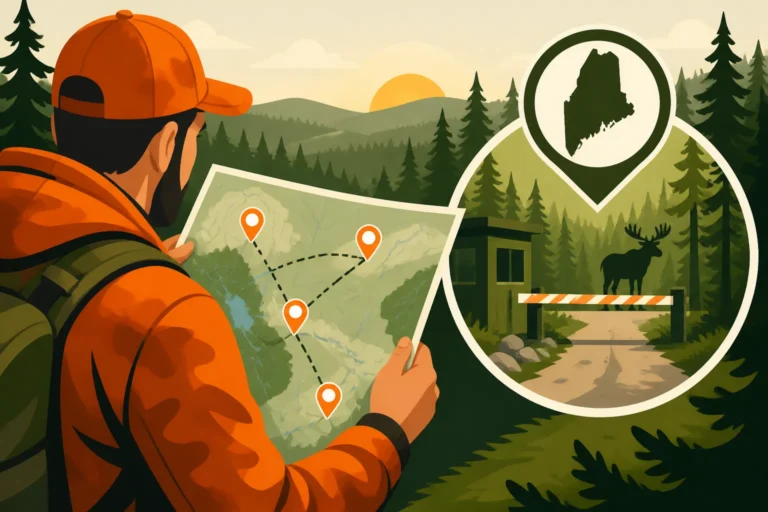
Not all private land is created equal when it comes to hunting. The trick is to identify parcels that are likely to hold game and where a landowner might be receptive to a respectful hunter. Start by looking at aerial photos on mapping apps like onX Hunt. Zoom in on areas bordering known public lands, large woodlots, agricultural fields (even small ones), and old apple orchards. Deer, turkeys, and small game often thrive in these transitional zones where food, cover, and water are readily available. Look for natural funnels, pinch points, and thick cover that might attract deer movement, especially between residential areas and larger tracts of woods.
Properties that are slightly out of the way, perhaps down a quiet dirt road, or those owned by older individuals who no longer actively use the land, can be excellent prospects. Sometimes, absentee landowners who live out of state are more willing to grant permission, especially if they have concerns about nuisance animals or property security. Drive the backroads, observe from a distance, and mark potential properties on your map. You're looking for those overlooked pockets of habitat that might not be prime for development but are perfect for wildlife. Finding Small Private Tracts in Maine can be key to consistent success close to home. Then, it's about making that respectful approach.
Strategies for Maximizing Your Success Near Portland
Once you've secured a spot, whether public or private, hunting near an urban area demands a slightly different strategic mindset. Game animals here are often more pressured, warier, and more accustomed to human scent and sounds. Adapting your approach can make all the difference between a frustrating season and a successful one.
Target Species and Tactics
As we've discussed, focusing on the right species is paramount. White-Tailed Deer Across Maine are your primary target near Portland, especially using archery equipment during the generous Bowhunting Maine's Long Archery Season. Many suburban and exurban areas fall into Maine's Expanded Archery Zones, which often have longer seasons stretching into December. Hunting the Expanded Archery Season Into December can be incredibly productive, as deer patterns shift in the late season, and hunter pressure from firearms season has often subsided. These zones are specifically designed to help manage deer populations in areas where firearms hunting might be impractical or restricted. Archery offers a quieter, more intimate hunt, less disturbing to landowners and neighbors, and often leads to higher success rates in these settings.
Wild turkeys are another excellent option. Wild Turkeys in Maine have made a remarkable comeback, and their populations are strong in southern Maine. Fall turkey hunting offers a unique opportunity, particularly in districts with generous bag limits, like Hunting a Five-Bird Fall Turkey WMD. Squirrels, rabbits, and even ruffed grouse can also provide fantastic hunting opportunities and are a great way to learn a new property without putting too much pressure on larger game. These small game hunts are perfect for exploring new areas and can be enjoyed with less specialized equipment and fewer strict season restrictions.
Timing and Low-Impact Hunting
The timing of your hunts can greatly influence your success in high-pressure areas. Weekday hunts, when fewer people are likely to be out and about, often yield better results. Consider hunting during the midday hours, too; while many hunters stick to dawn and dusk, deer in pressured areas might feel safer moving during the quieter parts of the day. Of course, dawn and dusk are still prime times, but don't overlook midday, especially in thicker cover.
Low-impact hunting strategies are essential. Instead of crashing through the woods, focus on still-hunting slowly and deliberately, paying attention to wind direction and thermals, especially in varied terrain like Wind and Thermals in Maine Hill Country. Using a ground blind, either brushed into the natural surroundings or a pop-up blind, can be incredibly effective, allowing you to remain concealed in areas with less natural cover. Brushing In a Blind on a Field Edge can help you blend seamlessly into the environment. Minimize your scent, wear appropriate camouflage, and avoid unnecessary noise. The goal is to be as undetectable as possible, allowing game animals to move naturally without feeling pressured. These subtle tactics can be the difference-maker when hunting savvy, urban-edge game.
| Feature | Public Land (near Portland) | Private Land (near Portland) |
|---|---|---|
| Pros | Guaranteed access; managed habitat; diverse species opportunities. | Often less pressure; potential for higher quality habitat; closer to home. |
| Cons | Can be crowded; specific regulations; requires more research/travel. | Requires permission; smaller parcels; potential for future posting. |
| Access Methods | State websites, MDIFW maps, hunting apps (onX Hunt, GoHunt). | Landowner contact, knocking on doors, networking, mapping apps. |
| Typical Species | Waterfowl, deer, turkey, small game (depending on WMA/area). | Deer, turkey, small game. |
| Primary Tools | Detailed maps, season guides, WMA-specific rules. | People skills, patience, property boundary maps, respect. |
Disclaimer
This article is for general informational purposes only and does not constitute professional advice. Laws, prices and regulations vary by location and change over time. Consult a qualified professional for guidance on your specific situation.