Maine WMA Access for Waterfowl
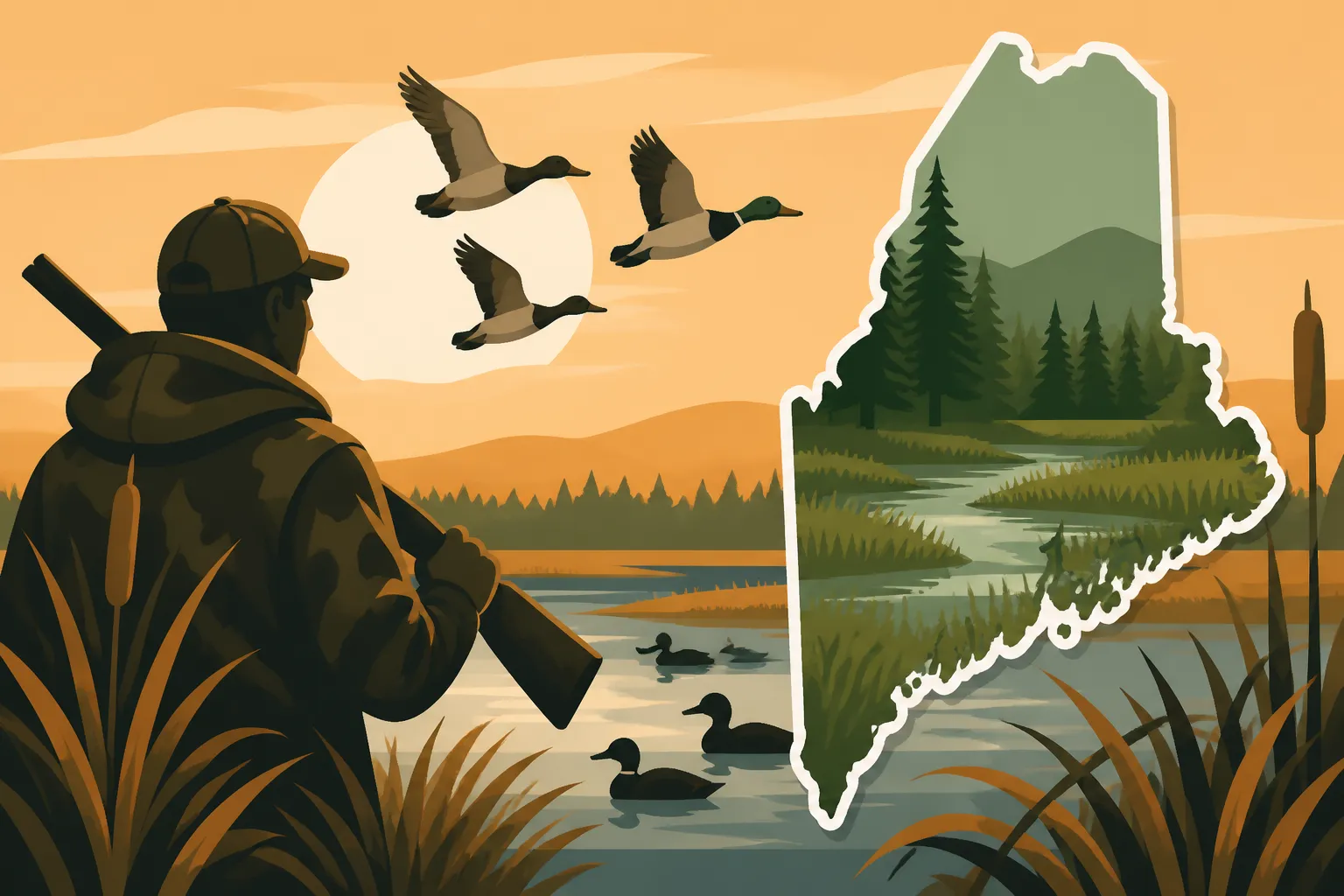
Finding prime waterfowl hunting spots in Maine can sometimes feel like trying to find a needle in a haystack, especially if you're new to the state or looking to expand your horizons beyond traditional private land spots. This guide is here to unravel the mystery of Maine's Wildlife Management Areas (WMAs) and show you how these public lands offer fantastic opportunities for chasing ducks and geese, detailing everything from identifying hotspots to navigating access.
Understanding Maine's Wildlife Management Areas for Waterfowl
Maine's Wildlife Management Areas, often just called WMAs, are parcels of public land specifically managed by the Maine Department of Inland Fisheries and Wildlife (MDIFW) to enhance wildlife habitat and provide recreational opportunities, including hunting. These aren't just random tracts of forest; they're strategically located and actively managed to benefit various species, and waterfowl are a major focus for many of them.
Think of a WMA as a dedicated natural space where habitat comes first. This means you'll find areas specifically designed or maintained to attract and hold ducks and geese. Whether it's impoundments, managed marshes, beaver flowages, or riverine habitats, these areas are often prime real estate for waterfowl throughout the migration season. Unlike some private lands where access might be fleeting or landowner permission tricky to secure, WMAs are generally open to the public for hunting, provided you adhere to specific WMA rules and state hunting regulations. This creates a more consistent and predictable hunting environment for those willing to do a bit of scouting.
The Purpose of WMAs in Waterfowl Management
The primary goal behind establishing and managing WMAs is to conserve and enhance wildlife populations, and migratory waterfowl are a significant part of that mission in Maine. Many WMAs are situated within critical migration corridors or contain vital breeding and staging habitats. MDIFW biologists work hard to manage water levels, control invasive species, and plant desirable food sources like corn or millet to ensure these areas remain attractive to ducks and geese. This active management is what sets WMAs apart from other public lands that might not have such a direct focus on waterfowl.
For example, you might find a WMA with a carefully constructed dike system that allows for water level manipulation, mimicking natural flood cycles to make food resources available to dabbling ducks. Other WMAs might focus on restoring natural wetlands or protecting river confluences where various species congregate. This dedication means that while no hunt is ever guaranteed, WMAs often concentrate waterfowl, increasing your chances of a successful outing. They also serve as vital refuges during periods of high hunting pressure elsewhere, offering safe havens that encourage birds to remain in the area.
Types of Habitats You'll Find
Maine WMAs are diverse, reflecting the varied landscape of our beautiful state, but when it comes to waterfowl, certain habitat types consistently stand out. You'll encounter everything from expansive coastal marshes, which are critical for sea ducks and some dabblers, to inland beaver flowages and river systems that attract mallards, black ducks, wood ducks, and geese. Larger WMAs might even feature agricultural fields specifically planted with corn or other grains as supplementary food plots for geese and puddle ducks, especially later in the season.
The key is to understand what kind of waterfowl prefer which habitat and then match that to the WMA you're considering. For instance, a shallow, marshy impoundment with lots of emergent vegetation is going to be excellent for wood ducks and mallards, while a larger, open water body on a WMA might hold ring-necked ducks or even some geese. Understanding these nuances, often by reviewing WMA maps and doing some pre-season scouting, can drastically improve your chances. Programs like onX Hunt can be incredibly helpful for identifying these habitat types from an aerial perspective before you even step foot in the field, showing you wetland boundaries and water features.
Finding the Best WMAs for Waterfowl in Maine
With over 60 WMAs scattered across Maine, choosing the right one for waterfowl can feel a bit overwhelming. It's not about blindly picking one from a map; it's about strategic research, understanding habitat, and knowing what species you're targeting. Some WMAs are renowned for their duck hunting, while others might be better known for grouse or deer. Your success will largely depend on how well you match your expectations and methods to the specific opportunities each WMA presents.
Researching WMA Locations and Species
The first step is always research. The Maine Department of Inland Fisheries and Wildlife (MDIFW) website is an invaluable resource, often providing detailed maps and descriptions for each WMA, sometimes even highlighting specific game species or habitat features. Look for WMAs that specifically mention wetland management, impoundments, or major river systems. These are strong indicators of waterfowl potential. You'll want to pay close attention to any WMA that manages water levels or has significant natural wetland features.
Beyond the official resources, local knowledge is gold. Chat with folks at your local sporting goods store, join online hunting forums, or connect with local hunting clubs. While no one will give away their secret spot, many are willing to share general advice on which WMAs in a particular region tend to hold birds. Remember to cross-reference this with your target species. Are you after green-winged teal? Look for shallow, vegetated wetlands. Hoping for geese? Seek out WMAs near agricultural fields or large open water bodies where they can loaf and feed. Knowing what you're trying to hunt will narrow down your search considerably and allow you to focus on the WMAs most likely to produce. You can also look into Maine Duck and Goose Bag Limits to plan your hunt around specific species.
Using Mapping Tools for Scouting
In today's age, technology is your best friend when it comes to scouting. Gone are the days of relying solely on paper maps and endless boot leather. Digital mapping platforms like onX Hunt or GoHunt have revolutionized how hunters approach public land. These tools provide detailed aerial imagery, topographical maps, and, crucially, property boundary lines that clearly delineate WMA boundaries. This is essential for ensuring you're on public land and avoiding trespass issues.
When scouting for waterfowl on a WMA, use these apps to identify key features: large bodies of water, beaver flowages, river bends, oxbows, marshy areas, and adjacent agricultural fields. Look for areas with a mix of open water and cover, as this provides both feeding and loafing opportunities for ducks. Pay attention to potential access points, parking areas, and routes that will allow you to get into your desired hunting location quietly and safely. You can mark potential blind locations, travel routes, and even identify subtle changes in elevation that might offer a slight advantage. A good scouting session on an app can save you countless hours of walking and dramatically increase your understanding of a WMA's waterfowl potential.
Practical Tips for Hunting Waterfowl in Maine WMAs
Hunting waterfowl on WMAs comes with its own set of challenges and rewards. Unlike private land where you might have exclusive access, WMAs are open to all, meaning you'll likely encounter other hunters. This isn't a bad thing; it just means you need to be prepared, respectful, and have a solid strategy. Success hinges on a combination of effective scouting, smart setups, and being flexible with your approach.
Decoying and Calling Strategies
When hunting ducks and geese on a WMA, your decoy spread and calling techniques will be crucial. Since these birds are often pressured, a realistic spread is key. For ducks, consider using a variety of species in your spread – mallards, black ducks, wood ducks – to create a natural-looking flock. Motion decoys, like spinning wing decoys, can be incredibly effective, especially on calm days, to attract distant birds. For geese, a larger spread of full-body or shell decoys is often necessary to get their attention, mimicking a feeding or resting flock. Pay attention to wind direction; set your decoys so incoming birds can land into the wind, preferably within easy shooting range. Decoying Eiders on a Falling Tide or Hunting Scoters From a Sea Duck Boat might not apply directly to WMA hunting but understanding decoy dynamics is universal.
Calling should be realistic and measured. Don't overcall, especially if birds are already working your spread. A few well-placed quacks, clucks, or honks are often more effective than a barrage of noise. Learn to read the birds and adjust your calling accordingly. Sometimes silence is the best call. Always practice your calling before the season so you're not fumbling with your calls when a flock is cupped and committed.
Setting Up and Concealment
Concealment is paramount when waterfowl hunting, particularly on WMAs where birds might be wary due to hunting pressure. A natural blind, built into existing cover like cattails, brush, or timber, is often the most effective. Always check WMA rules regarding cutting vegetation; usually, you can use deadfall or natural materials present on site. If you're bringing a portable blind, make sure it's brushed in thoroughly to blend seamlessly with the surroundings. Many hunters make the mistake of leaving their blind too exposed, creating an unnatural silhouette that birds easily spot.
Consider your entry and exit routes. You want to approach your setup in the dark and exit without spooking any birds that might be loafing nearby for the next morning. Early morning is often best, but don't discount mid-day or late-afternoon hunts, especially if you can intercept birds moving between feeding and roosting areas. Pay attention to how the light hits your blind throughout the day, ensuring you remain hidden. Remember, you're trying to become part of the landscape. Using a ground blind on publicly accessible WMAs is common, but ensuring it's well-brushed is critical.
WMA Waterfowl Hunting Considerations
| Factor | Description | Best Practices for WMAs |
|---|---|---|
| Hunting Pressure | WMAs are public, so expect other hunters. Birds can become wary quickly. | Hunt mid-week, scout remote areas, be respectful of other hunters. Consider less-obvious access points. |
| Habitat Variety | WMAs offer diverse habitats: marshes, beaver flowages, river sections, agricultural fields. | Match your target species to specific habitat types within the WMA. Use mapping apps to identify these. |
| Water Levels | Water levels can fluctuate due to weather or MDIFW management, impacting bird access to food. | Monitor recent rainfall and check MDIFW updates if available. Scout regularly to adapt to changing conditions. |
| Species Targeted | Different WMAs will attract different waterfowl species depending on habitat and location. | Research which WMAs are known for specific species (e.g., wood ducks in timbered swamps, geese in open fields). |
| Access | Some WMAs have designated parking and boat launches; others require more effort to reach prime spots. | Scout access points. Be prepared for longer walks or carrying in gear. Small, maneuverable boats/kayaks can be an advantage. |
| Regulations | Standard state and federal waterfowl regulations apply, plus specific WMA rules. | Always read WMA-specific rules before hunting. Double-check Maine Migratory Bird Certification and Maine Federal Duck Stamp Requirement. |
Navigating Regulations and Access within Maine WMAs
Hunting any public land comes with a set of rules, and Maine WMAs are no exception. Understanding these regulations and knowing how to access these areas legally and ethically is just as important as your hunting skills. A little preparation in this regard can save you a lot of headache and ensure a smooth, enjoyable hunt.
General WMA Rules and Regulations
While general Maine hunting laws apply to WMAs, each WMA might have specific rules designed to protect the habitat, manage game, or ensure public safety. These might include restrictions on vehicle access, prohibitions on permanent blinds, designated retrieval zones, or limitations on hunting certain species during specific times. Always, always check the MDIFW website or specific WMA signage before your hunt. Ignorance of the rules is never an excuse.
Key things to look out for:
- Hours of Operation: Are there specific times when you can access or hunt?
- Motorized Vehicle Restrictions: Can you drive your ATV to your spot, or is it walk-in only?
- Blind Construction: Are you allowed to build natural blinds, or are only temporary, portable blinds permitted? Sometimes, it's prohibited to cut live vegetation.
- Permit Requirements: While most WMAs are open access, some might have special permit draws for specific hunts or seasons. This is less common for waterfowl but worth confirming.
- Nontoxic Shot: This is a federal requirement for all waterfowl hunting, and WMAs strictly enforce it. Make sure you're using steel, bismuth, or other approved nontoxic shot.
- Blaze Orange: While not always required for waterfowl hunting in a blind, it's often wise to wear blaze orange while walking in and out of your hunting spot, especially during deer season.
Familiarize yourself with Maine's CWD-Free Status Explained as well, as disease prevention measures often include specific rules for carcass disposal on public lands, even though it's not a waterfowl-specific concern.
Access Points and Parking
Access to WMAs varies widely. Some WMAs have clearly marked parking areas and well-maintained access roads, while others require a bit more bushwhacking. Use those mapping apps, like onX Hunt, to identify official parking areas and potential footpaths or old logging roads that lead into the WMA. Often, the best waterfowl spots are not directly adjacent to parking lots but require a decent walk or even a paddle to reach.
When you park, ensure your vehicle is not obstructing any roads or gates and that you're in a designated parking spot if available. Be mindful of private property boundaries adjacent to WMAs; a mapping app can prevent accidental trespass. If you're launching a boat, canoe, or kayak, check for designated launch points. Some WMAs might have restrictions on the size or type of watercraft allowed. Plan your approach to be as quiet and discreet as possible, especially in the pre-dawn hours, to avoid disturbing birds or other hunters. Remember, you might be carrying decoys, blinds, and other gear, so consider the distance and terrain when planning your access. Accessing a Hunting a River Confluence for Waterfowl might mean a longer paddle, for example.
Being a Responsible WMA Hunter
Hunting on WMAs is a privilege, and it's essential to act as a responsible steward of these public lands. This means practicing Leave No Trace principles: pack out everything you pack in, including spent shotshells, food wrappers, and any broken decoy lines. Respect other users of the WMA, whether they are hikers, birdwatchers, or other hunters. Give them space and avoid creating conflicts.
Ethical hunting also extends to game recovery. Make every effort to recover any birds you harvest. If a bird falls onto private land, you generally need to seek permission from the landowner to retrieve it. Being a good ambassador for hunting ensures that these public access opportunities remain available for future generations. Remember, the continued existence of WMAs relies on public support, and your actions reflect on all hunters. Maine Landowner Relations Program principles, while primarily for private land, are good to keep in mind even when near WMA boundaries where private land may be adjacent.
Disclaimer
This article is for general informational purposes only and does not constitute professional advice. Laws, prices and regulations vary by location and change over time. Consult a qualified professional for guidance on your specific situation.