Dog Training on Maine Public Land
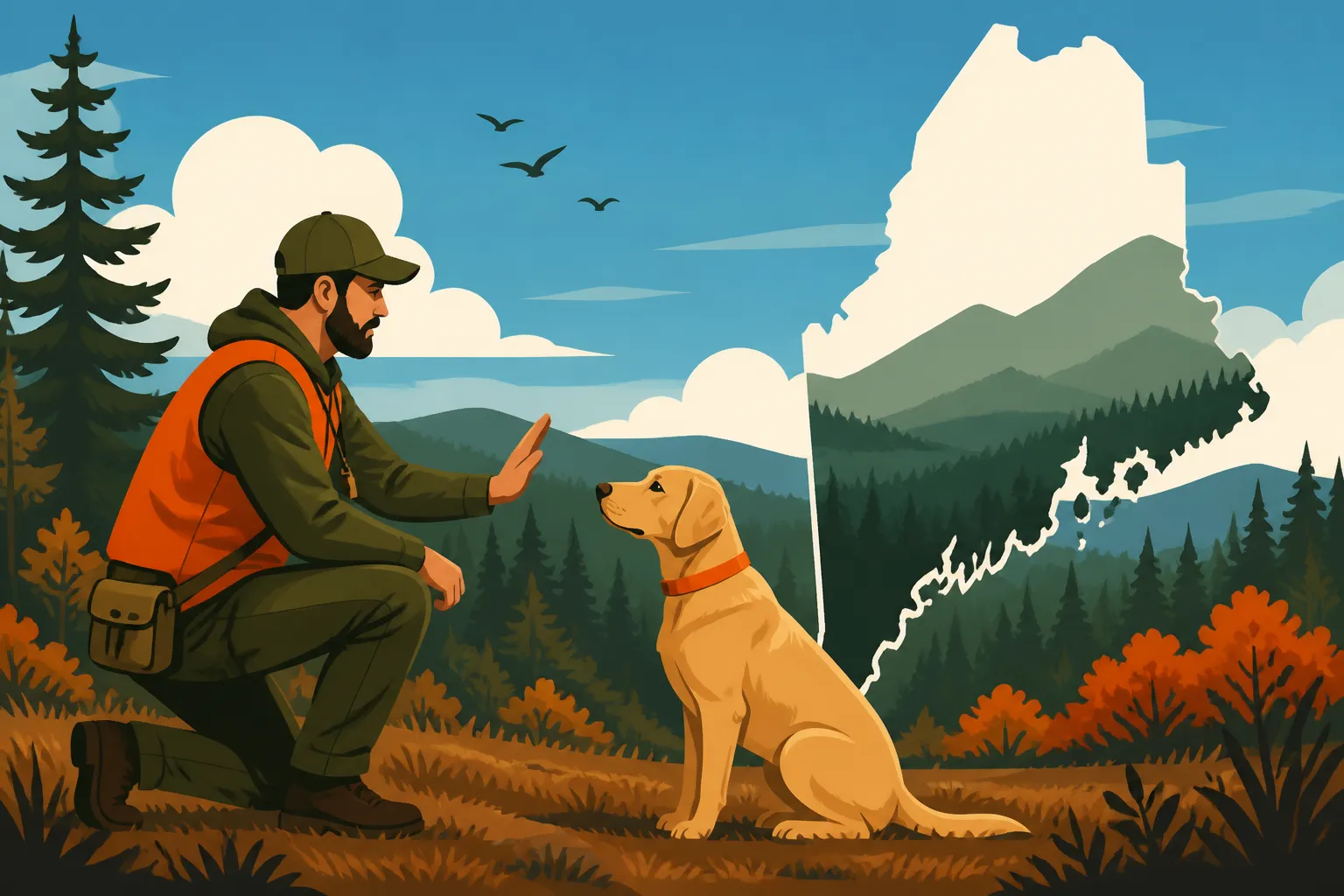
It can be incredibly frustrating trying to find a safe, legal, and effective spot to train your hunting dog, especially when it feels like every good piece of land is either posted, developed, or crawling with other users. You want to give your retriever or bird dog the space they need to develop their skills, but navigating land access in Maine can be a real headache. This guide is here to walk you through the ins and outs of dog training on Maine's public lands, helping you find those prime locations and understand the rules so you can train with confidence.
Understanding Maine's Public Land Dog Regulations
Navigating the rules for bringing your dog, especially a rambunctious hunting dog in training, onto public land in Maine can feel like trying to hit a fast-flying grouse in thick cover. It's not a one-size-fits-all situation, and what's perfectly fine in one area might be a definite no-go just a few miles down the road. The most important thing to remember is that "public land" encompasses a variety of different designations, and each might have its own specific set of regulations.
General Rules and Common Courtesy
At a fundamental level, when you're on any public land in Maine, whether it's a hiking trail or a vast expanse of forest, basic leash laws and waste removal rules almost always apply. Even if a sign doesn't explicitly state "dogs must be leashed," it's always a good idea to have control over your animal. This means a leash on hand, and a dog that responds reliably to voice commands. Think about other users: hikers, birdwatchers, even other hunters who might not appreciate a free-ranging dog interfering with their experience. Always carry bags to pick up after your dog; it's not just polite, it's often legally required and helps maintain good relationships with land managers and other visitors. Common sense and respect for others go a long way in ensuring these lands remain open and accessible for all.
Beyond the formal rules, there's an unwritten code of conduct. If you see another person or dog approaching, it's good practice to leash your dog or call them to heel tightly until the other party has passed. This avoids potential conflicts and maintains a peaceful atmosphere. Remember, not everyone loves dogs, and some people may even be afraid, so a controlled dog is a safe dog for everyone involved. Your actions reflect not just on you, but on all dog owners and especially on the hunting community.
Specific Regulations for Wildlife Management Areas and Public Reserved Lands
When it comes to dedicated spaces for wildlife, like Maine's extensive network of Maine Wildlife Management Areas, the rules often become a bit more specific. These areas are managed by the Maine Department of Inland Fisheries and Wildlife (MDIFW) with the primary goal of enhancing wildlife habitat and providing public recreational opportunities, which absolutely includes hunting and, by extension, dog training. However, there can be specific restrictions during certain times of the year. For instance, you might find prohibitions on off-leash dogs during critical nesting seasons for ground-nesting birds, or in areas designated as deer wintering yards, where disturbing deer can cause undue stress. Always check the MDIFW website or specific WMA signage for any posted rules before you head out. Some WMAs might even have designated areas or times for dog training, so it's worth doing a little research.
Similarly, Maine's Maine Public Reserved Land Explained areas, managed by the Bureau of Parks and Lands (BPL), offer vast opportunities, but again, local rules can apply. While many of these lands are open for general recreation, some might have stricter leash requirements or areas where hunting dogs are less appropriate due to high concentrations of hikers or other non-hunting recreationalists. It's not uncommon to find areas where dogs are allowed but must remain leashed at all times, particularly near trailheads, campgrounds, or popular scenic spots. Don't assume that because it's "public," anything goes. A quick check of the BPL website for the specific parcel you're interested in will save you a lot of grief and ensure you're training legally and respectfully.
Finding the Right Public Lands for Training
Finding the perfect spot to train your hunting dog can feel like a treasure hunt, but with the right approach and tools, you can uncover some real gems. Maine offers an incredible diversity of public lands, each with unique characteristics that can be ideal for different types of dog training. It’s all about matching the terrain and conditions to the skills you want your dog to develop.
Identifying Suitable Habitats for Different Training Needs
Think about what you're trying to achieve with your training. Are you working on retrieves in water? You'll need access to ponds, lakes, or slow-moving rivers with easy entry and exit for your dog. For upland bird work, you'll want thick cover like alder runs, young clear-cuts, or overgrown fields where birds might hold. These areas are fantastic for teaching your dog to work scent, hold a point, or quarter effectively. If you're focusing on tracking or obedience in varied terrain, large tracts of mixed forest, common in Maine, offer a constantly changing environment that challenges your dog's focus and scenting abilities. When scouting, look for features like old logging roads, powerline cuts, or the edges of beaver flowages – these are often prime wildlife habitat and can be excellent training grounds. Remember, some of the best spots might require a bit of a walk to get away from other users, providing a more focused training environment for you and your dog.
It’s important to vary your training locations to expose your dog to different cover, scents, and distractions. A dog that only trains in one field might struggle when introduced to dense woods or rocky terrain. Seek out diverse landscapes: open fields for long retrieves, dense brush for quartering drills, and varied elevations to test their stamina and your command presence. The more scenarios you introduce them to in a controlled environment, the better prepared they’ll be for real hunting situations. This also helps you understand your dog’s strengths and weaknesses in different settings.
Leveraging Mapping Tools for Land Access
In today's world, there's simply no excuse not to know whose land you're on, and that's where modern mapping applications really shine. Tools like onX Hunt and GoHunt are invaluable for identifying public land boundaries, understanding landownership, and even scouting habitat types from your phone or computer before you ever set foot on the ground. These apps often include layers that show state land, Wildlife Management Areas, Public Reserved Lands, and even large tracts of industrial timberland that are traditionally open to public access. Using these apps, you can clearly see property lines, identify legal access points, and plan your training routes to ensure you stay on public ground. This is especially useful in areas with a patchwork of private and public parcels.
I always recommend downloading offline maps for the areas you plan to visit, especially if you're venturing into remote parts of Maine where cell service is unreliable, like sections of the North Maine Woods Gate System. This ensures you have your maps and GPS capabilities even when off the grid. Many of these apps also offer features like tracking your route, marking waypoints for good training spots, and even showing terrain features that can help you envision how game might use the land. Before heading out, spend some time exploring these apps. Check out the onX Layers for Maine Land Status or similar features in GoHunt to get a comprehensive view of the landscape. It takes the guesswork out of finding legal and appropriate training areas, giving you peace of mind.
Here's a quick comparison of various public land types and their general suitability for dog training:
| Public Land Type | Typical Suitability for Dog Training | Key Considerations |
|---|---|---|
| Wildlife Management Areas (WMAs) | Excellent for bird dog work, retrieving, scent training, obedience in varied cover. | Check specific WMA rules; some have restrictions during nesting or deer season. Varying foot traffic. |
| Public Reserved Lands (BPL) | Good for general obedience, retrieving, long-distance control, tracking. | Often more diverse terrain. May have stricter leash laws near popular recreation sites. |
| Maine State Parks (Select Areas) | Limited; typically best for on-leash obedience in designated zones. | Very strict leash laws. High public use. Hunting/off-leash dog training usually prohibited. |
| Industrial Timberlands (North Maine Woods) | Vast, remote areas for advanced training, extensive retrieves, tracking. | May require day-use fees. Active logging possible. Truly remote; plan accordingly. |
| Federal Lands (e.g., National Wildlife Refuges) | Varies greatly; some allow limited hunting, others are strictly non-hunting. | Research specific refuge rules meticulously. Often very restrictive for dogs. |
Responsible Dog Training Practices on Public Lands
When you take your dog to public land for training, you're not just exercising your animal; you're representing all hunters and dog owners. Practicing responsible behavior is paramount to maintaining access and fostering a positive image for our community. A well-behaved dog and a considerate handler go a long way.
Respecting Wildlife and Other Users
One of the most critical aspects of responsible training is ensuring your activities don't negatively impact wildlife. During spring, ground-nesting birds like wild turkeys, grouse, and woodcock are on nests or raising young. Running a dog through prime nesting cover during this time can flush hens from nests or separate young chicks from their mothers. Always be aware of the season and local wildlife patterns. Similarly, if you're training in an area known for deer, especially during winter months when deer are concentrated in Maine Deer Wintering Yards Explained, avoid any activities that could harass or stress them. While dogs are essential tools for hunting, training should be mindful of the delicate balance of nature.
Beyond wildlife, remember that public lands are shared spaces. You might encounter hikers, mountain bikers, photographers, or other outdoor enthusiasts who are there for a different experience. A barking dog, an unleashed dog running up to another person, or a training session that involves loud calls or gunshots without prior warning can disrupt their peace. Try to choose times and locations where human traffic is minimal. If you do encounter others, leash your dog, offer a friendly greeting, and ensure your dog remains calm and under control. A little courtesy ensures that everyone can enjoy Maine's beautiful outdoors without conflict.
Safety First for You and Your Dog
Safety should always be your top priority. Training in the Maine woods, even on public land, comes with inherent risks. Always carry a first-aid kit for both yourself and your dog, including essentials like bandages, antiseptic wipes, and tick removal tools. Speaking of ticks, Maine is tick country, so thorough checks after every outing are crucial. Hydration is key, especially during warmer months, so bring plenty of water for both of you. Be aware of the presence of other hunters, particularly during big game seasons. Wearing Maine Blaze Orange Requirements is not just a legal requirement during certain seasons for hunters; it's smart practice for you and your dog year-round when in areas that might see hunting activity. A blaze orange vest for your dog is a small investment that could save their life.
Furthermore, understand the specific hazards of the terrain. Is there fast-moving water? Steep drop-offs? Active logging operations? Knowing the area beforehand, perhaps by using your mapping app, can help you avoid dangerous situations. A high-quality GPS tracking collar for your dog is also an excellent investment, especially if you're training off-leash in vast, remote areas like those found in the North Maine Woods. Losing a dog in Maine's dense cover can be a terrifying experience, and a reliable tracking system provides invaluable peace of mind. Consider taking a Maine Hunter Education Requirements course if you haven't already; many of the safety principles apply directly to dog training in the field.
Planning Your Training Session
Successful dog training on public lands isn't just about showing up with your dog and a handful of bumpers. It requires thoughtful planning, taking into account the time of year, the specific game you're training for, and the gear you'll need to make the session productive and safe.
Seasonal Considerations for Optimal Training
The season dramatically influences where and how you can effectively train your hunting dog in Maine. Spring, while beautiful, requires extra caution due to nesting birds and vulnerable fawns. It's often a good time for obedience work, retrieving drills in open fields or water, and introducing new concepts without the added distraction of abundant game. Summer can be too hot for intense field work, especially for thick-coated retrievers, making early mornings or late evenings and water work preferable. Always be mindful of heatstroke.
Fall, leading up to hunting season, is prime time for real-world scenarios. The scents are strong, birds are often well-developed, and the weather is generally cooler. This is when you can really put those pointing, flushing, and retrieving skills to the test. However, you'll also be sharing the woods with other hunters, making blaze orange essential. Winter, especially with deep snow, can be excellent for training dogs for Snowshoe Hare Hunting Deep Snow Cover or tracking, but extreme cold can be dangerous for both you and your dog. Adjust your training intensity and duration based on the weather conditions. Understanding these seasonal nuances will help you maximize your dog's training and keep them healthy.
Gear Essentials for Public Land Training
Having the right gear makes all the difference for an effective and safe public land training session. Beyond your dog and a leash, here's what I always recommend:
- Whistle: An essential communication tool that cuts through wind and distance, and helps maintain a consistent, clear command signal.
- Check Cord/Long Line: Even if you train off-leash, a long check cord (20-50 feet) is invaluable for teaching control at a distance, stopping chases, or safely retrieving your dog from a sticky situation.
- Bumpers/Dummies: Different sizes and textures for retrieving practice, both on land and in water. Scented bumpers can add an extra layer of realism.
- Water and Bowl: Absolutely non-negotiable, regardless of the weather. Dehydration can happen quickly.
- First Aid Kit: For both you and your dog. Think tick removal tools, bandages, antiseptic, and any personal medications.
- GPS Tracking Collar: As mentioned, a lifeline for off-leash training in large areas. Brands like Garmin offer excellent systems that integrate with handheld devices.
- Blaze Orange: For both you and your dog, especially during hunting seasons or in areas where you might encounter hunters.
- Decoys (Optional): For specific bird dog training, bringing a few decoys can enhance realism.
- Camera (Optional): To record your sessions for later review and to track progress.
Having these tools at your disposal will not only enhance your training but also ensure that you're prepared for whatever the Maine woods throw your way. Whether you're working on Grouse Hunting a Logging Road Edge or teaching advanced retrieves, proper preparation is key.
Disclaimer
This article is for general informational purposes only and does not constitute professional advice. Laws, prices and regulations vary by location and change over time. Consult a qualified professional for guidance on your specific situation.