Hunting a Katahdin Region Logging Road
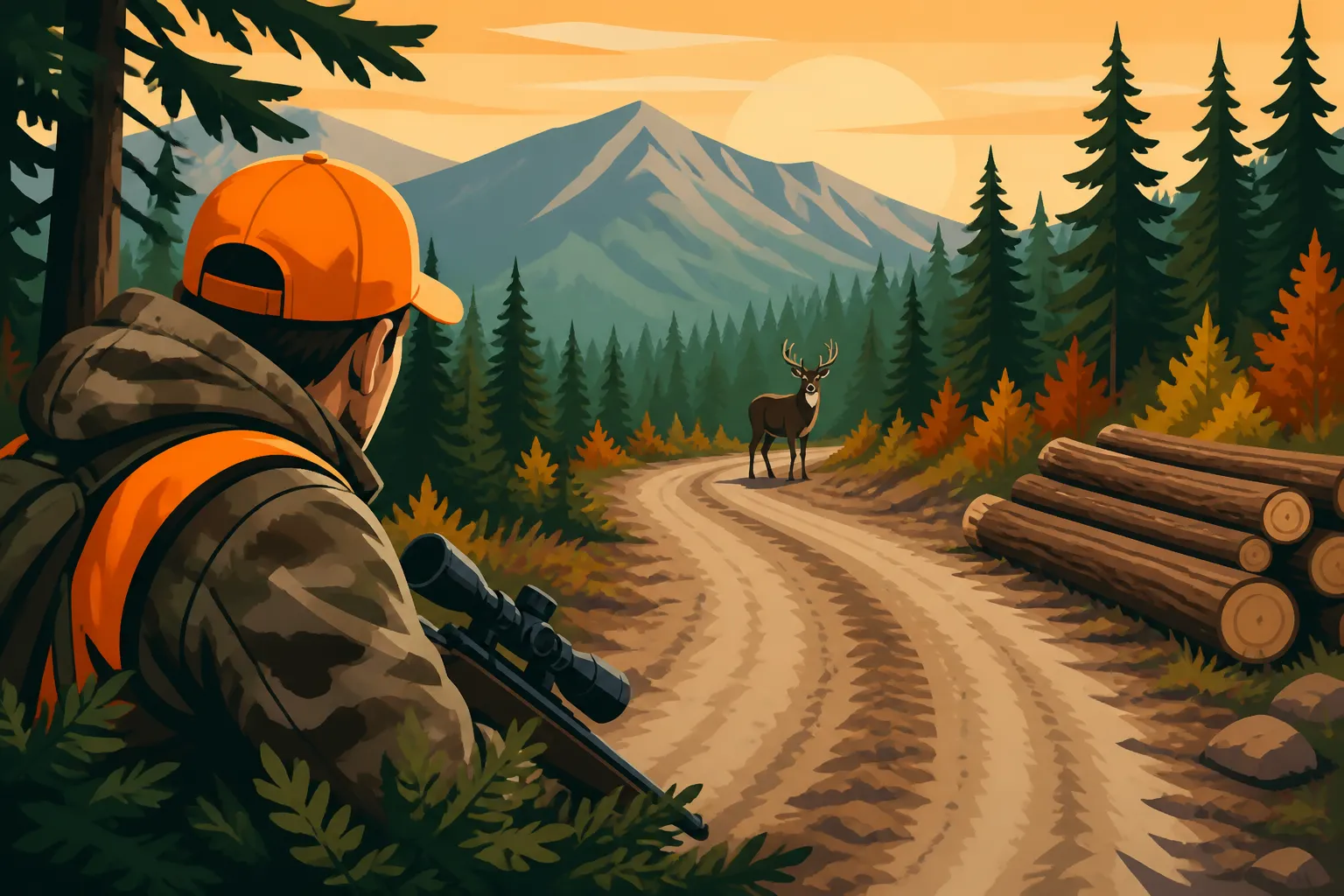
There’s nothing quite like the sight of a long, winding logging road stretching into the Katahdin Region, offering access to thousands of acres of prime Maine deer country. But for many hunters, these roads can feel like a riddle wrapped in an enigma: they provide access, yet often seem barren, leading to frustration and wasted effort. This guide will walk you through transforming these seemingly empty thoroughfares into productive hunting grounds, helping you understand their subtle secrets and apply effective strategies to find and harvest deer.
The Allure and Challenge of Katahdin Logging Roads
Logging roads in the Katahdin Region are much more than just dirt tracks; they are arteries of the forest, dictating movement for both wildlife and humans. While they offer unparalleled access to vast tracts of land, their sheer scale and often uniform appearance can make them intimidating to hunt effectively. You drive for miles, see seemingly endless timber, and wonder where to even begin looking for a deer.
Why Logging Roads Are Deer Magnets (and Hunter Headaches)
It’s easy to dismiss a logging road as just a path for heavy machinery, but deer see them differently. These roads, especially older, less-traveled ones, often act as natural travel corridors, providing easier movement through dense woods. They create edges where different habitats meet—mature timber on one side, a recent clear-cut on the other—and edges are always where deer love to be. They offer quick access to different food sources and bedding areas, making them prime locations for deer to cruise, feed, and escape pressure.
Think about it: a deer wants to move efficiently. A logging road, even one overgrown, is a clear path. Bucks will use them during the rut to cover ground while scent-checking for does, especially along the edges where they can stay concealed. Does will lead their fawns along these routes for easier travel and access to varied forage. The frustration often comes because these roads are so open. You spot a deer, and it’s gone in a flash because the open nature of the road gives both you and the deer less cover. It feels like you're always a step behind, or the deer spots you first, leading many hunters to simply drive past potential goldmines.
Understanding the Katahdin Region's Unique Terrain
The Katahdin Region, named for Maine's tallest peak, boasts some of the most rugged and remote wilderness in the state. Here, logging roads snake through vast industrial timberlands, often traversing significant changes in elevation, deep valleys, and expansive clear-cuts in various stages of regrowth. Unlike the more agricultural landscapes of Aroostook or the gentler rolling hills of central Maine, the Katahdin area is characterized by big timber, dense spruce-fir forests, and rocky, unforgiving terrain.
This unique environment means deer behavior can differ. In areas with recent logging, the regrown clear-cuts offer dense browse and cover, and deer will often feed heavily in these areas, especially at dawn and dusk, before retreating into the thicker woods along the road edges for security. Older, less-traveled roads might have more mature hardwoods nearby, offering acorns or beechnuts when available. The sheer remoteness of much of this region also means less human pressure in some spots, allowing deer to be more relaxed. However, the vastness can also be disorienting, and understanding the lay of the land—not just the road itself, but the surrounding timber types and topography—is paramount to success. It's about looking beyond the road itself and understanding the entire system it's a part of.
Scouting and Strategy: Unlocking Logging Road Secrets
Success on Katahdin logging roads doesn’t come from simply driving down them and hoping for the best. It requires deliberate scouting, both from your easy chair and with boots on the ground. Think of the road not as your destination, but as your key to unlocking the surrounding wilderness.
Pre-Season Reconnaissance: Maps and Technology
Before you even leave your driveway, you can gain a significant advantage by studying maps. Modern mapping apps, like onX Hunt, are invaluable tools for this kind of hunting. Start by identifying the main logging roads that access the areas you're interested in, then zoom in. Look for variations along these roads:
- Intersections: Where multiple roads meet, creating complex travel patterns. Deer will often cross here.
- Road bends and curves: These can create natural funnels or pinch points where deer are forced into a smaller area.
- Clear-cut boundaries: Identify the edges of different timber cuts. A fresh cut might be too open, but a 3-5 year old cut will be thick with browse and bedding cover.
- Elevation changes: Logging roads often follow contours. Look for saddles or draws that cross the road; these are natural travel routes for deer moving up and down ridges.
- Water sources: Creeks, swamps, or beaver flowages that the road might cross or run near. Deer need water, and these areas often have denser cover.
Use the satellite view on your app to identify different timber types. See if you can spot old overgrown skidder trails branching off the main road – these are often hidden gems, offering quiet travel routes for deer and hunters alike. Pay attention to how the topography interacts with the road. If you see a prominent ridge line with the road running along its base, deer might be bedding up high and coming down to cross the road to feed in a valley, or vice versa. This digital scouting saves countless hours and can guide your physical scouting efforts directly to the most promising areas. You can also get a good sense of Reading Aerial Photos for North Woods Deer to understand how different forest types appear.
On-the-Ground Sign Reading Along the Road
Once you’ve identified promising areas on your maps, it’s time to hit the ground. When scouting a logging road, don't just walk on the road; always be looking off the road. Deer rarely walk right down the center of an active logging road in daylight unless it's very quiet. Instead, they stick to the edges, slipping in and out of cover.
- Tracks: Look for fresh deer tracks in soft spots along the shoulders or where the road dips through a wet area. Pay attention to the direction of travel and the size of the tracks. Are they small doe tracks, or the larger, dragging steps of a mature buck? Look for multiple sets of tracks crossing at specific points; this indicates a preferred crossing.
- Scat (Droppings): Fresh deer droppings are a sure sign of recent activity. The more concentrated the scat, the more time deer are spending in that immediate area. Look for it along the edges, near potential feeding areas, or where deer might pause before crossing.
- Rubs and Scrapes: These are absolutely critical during the pre-rut and rut. Bucks will rub their antlers on small trees and create scrapes (pawed-out bare spots on the ground) to mark their territory and communicate with does. Often, you'll find these along the edges of logging roads, especially where a young stand of trees provides suitable rubbing posts, or at the mouth of a faint trail leading into heavier cover. If you find a fresh scrape line along a logging road, you've found a highway for a cruising buck. This is invaluable information when trying to figure out Scrape Lines Along a Logging Road.
- Funnels and Crossings: Logging roads naturally create funnels. Perhaps a dense stand of pines on one side and a steep drop-off on the other forces deer to cross the road at a particular low spot. Or maybe a narrow strip of timber between two clear-cuts funnels deer right to a specific point on the road. These natural pinch points are where you want to focus your efforts. Look for well-worn trails leading to and from the road at these locations. Knowing Where Maine Bucks Bed in Big Timber can help you predict these crossings.
Hunting Tactics for Logging Roads: From Still-Hunting to Sitting
The beauty of hunting logging roads in the Katahdin Region is the versatility they offer. Depending on the time of day, the weather, and deer activity, you can employ different tactics to maximize your chances.
Still-Hunting the Edges and Intersections
Still-hunting is a highly effective, yet often underutilized, tactic for logging roads. This isn't about walking fast; it's about moving incredibly slowly, taking one or two steps, then stopping to scan, listen, and observe for several minutes. Your goal is to move like a shadow, blending into the environment.
- Use the Wind: Always hunt into the wind or with a crosswind. Deer rely heavily on their sense of smell, and if they catch your scent, your hunt is over. In the Katahdin mountains, wind can be shifty, so pay close attention.
- Stay on the Edges: Instead of walking down the middle of the road, hug the timber edge. This provides you with cover and concealment. You’ll often spot deer just inside the woods, or moving along the edge, before they step out into the open.
- Scan, Scan, Scan: Don't just look for an entire deer. Look for a horizontal line in a vertical world, the flick of an ear, a patch of brown fur, or a flash of white. Use binoculars frequently to pick apart dense cover. Pay special attention to blowdowns, thickets, and any small openings just off the road. When still-hunting, you're looking for Finding Sign in Big North Woods Timber at every turn.
- Be Patient at Intersections: Logging road intersections are natural crossroads for deer. Approach them slowly and quietly, then pause for an extended period, perhaps 15-20 minutes. Scan all directions, listening intently. A deer might be staging just out of sight, preparing to cross.
Setting Up Ambushes at Key Crossings and Funnels
If your scouting reveals consistent deer activity at specific locations along a logging road, such as a well-used crossing, a bottleneck, or a heavily scraped area, setting up an ambush can be incredibly effective.
- Ground Blinds: A ground blind can be perfect for these open areas. Place it well before daylight or in the middle of the day when deer activity is low. Position it downwind of the anticipated travel route, ensuring you have clear shooting lanes. Blend it into the surroundings using natural brush, as we discuss in Brushing In a Blind on a Field Edge. Remember, Maine has specific regulations regarding Using a Ground Blind on Posted-Free Land if you are on private property, but the principle of concealment applies anywhere.
- Treestands: If suitable trees are present, a treestand offers an elevated advantage, providing a wider field of view and helping to disperse your scent. Place it overlooking the crossing or funnel, again, prioritizing wind direction. Make sure your entry and exit routes to the stand are quiet and do not disturb the area you plan to hunt.
- Focus on Early Morning and Late Evening: These are peak times for deer movement. In the morning, deer are moving from feeding areas to bedding areas. In the evening, they're reversing the trip. Setting up near a Hunting a Clear-Cut Regrowth Edge or a low spot where deer often cross to access food can be deadly. Pay attention to how deer use these roads at different times. Often, they’ll cross an open logging road quickly, but linger and browse along the edges, especially as light fades. A Cold-Weather Sitting Strategy in Maine becomes even more important here, as waiting out a deer requires comfort and patience.
Overcoming Common Logging Road Hunting Challenges
Hunting Katahdin Region logging roads isn’t without its difficulties. The sheer size of the area, combined with potential human activity, can throw curveballs at even the most experienced hunter.
Dealing with Vehicle Traffic and Other Hunters
One of the biggest frustrations with logging roads is the potential for other vehicle traffic, be it other hunters, timber workers, or recreational users. This can push deer deeper into cover or make them entirely nocturnal.
- Hunt Away from the Roads: Instead of staying on the main roads, identify smaller, less-used spur roads or old skidder trails that branch off. These often see significantly less traffic and can hold deer that have been pushed off the main drag. The use of mapping apps like onX Hunt or GoHunt can help you locate these faint trails that aren't visible on basic maps.
- Hunt Early or Late: Timber operations typically run during daylight hours on weekdays. If you're hunting during the week, focus your efforts on the first hour or two of daylight and the last hour before dark, when workers are not present. Weekends generally see more recreational traffic, but often less commercial logging.
- Hike In: The further you are willing to walk down an old logging road or into the timber from a main road, the less pressure you'll encounter. Most hunters stick close to their vehicles. A quiet walk-in can often put you in prime, undisturbed territory. Sometimes, the best hunting begins a mile or two from where most people park their trucks. This strategy can often lead you to Finding Ground Others Walk Past.
- Be Adaptable: If you encounter heavy traffic, don't be afraid to adjust your plans. Maybe switch from still-hunting to setting up a quick ambush at a secluded crossing, or abandon the road entirely and dive into the thick cover adjacent to it. Deer that are used to vehicle traffic might become desensitized to it, moving through cover but still using the road as a travel corridor.
Navigating the Vastness and Staying Safe
The Katahdin Region is vast, and it’s easy to get turned around, especially when you step off a logging road into dense timber. Safety should always be your top priority.
- Carry Reliable Navigation: A GPS unit or a smartphone with a downloaded offline map (like onX Hunt) is non-negotiable. Mark your vehicle's location, and any points of interest you want to return to. These apps can help you stay aware of Maine Public Land Boundary Signs and ensure you're not inadvertently trespassing. Don't rely solely on cell service, as it's often non-existent in these remote areas.
- Tell Someone Your Plan: Always inform a trusted person of your hunting area, your intended route, and when you expect to return. Be specific about which logging roads you plan to access.
- Dress for the Weather and for Visibility: Maine weather can change quickly. Dress in layers to adapt to temperature swings. Crucially, wear your Maine Blaze Orange Requirements or blaze pink for safety. This is especially important in areas with vehicle traffic and other hunters. Even if it's not legally required for your specific season, it's a smart choice for visibility.
- Pack Essentials: Beyond your hunting gear, always carry a small survival kit: fire starter, first-aid kit, extra water, high-energy snacks, a flashlight, and a knife. Even a simple outing can turn into an unexpected overnight stay if you get disoriented or injured.
- Know Your Limits: Don't push yourself past your physical capabilities, especially when attempting to drag a deer out of a deep ravine or dense clear-cut off a logging road. Having a recovery plan, whether it's a game cart or a hunting buddy, is vital. Remember to pack a sturdy rope!
Hunting the logging roads of the Katahdin Region offers some of the most authentic and rewarding deer hunting experiences Maine has to offer. With careful scouting, strategic planning, and a deep respect for the wilderness, you can turn these paths into your personal highways to success.
Disclaimer
This article is for general informational purposes only and does not constitute professional advice. Laws, prices and regulations vary by location and change over time. Consult a qualified professional for guidance on your specific situation.